Nebraska Title Compared to South Dakota
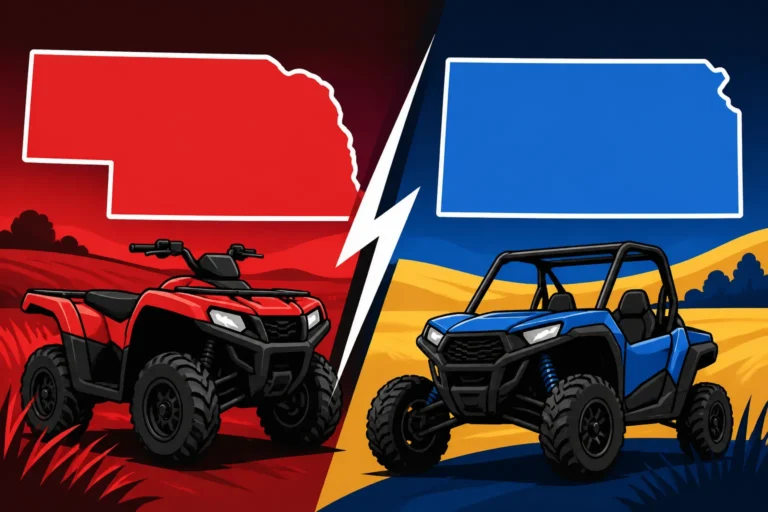
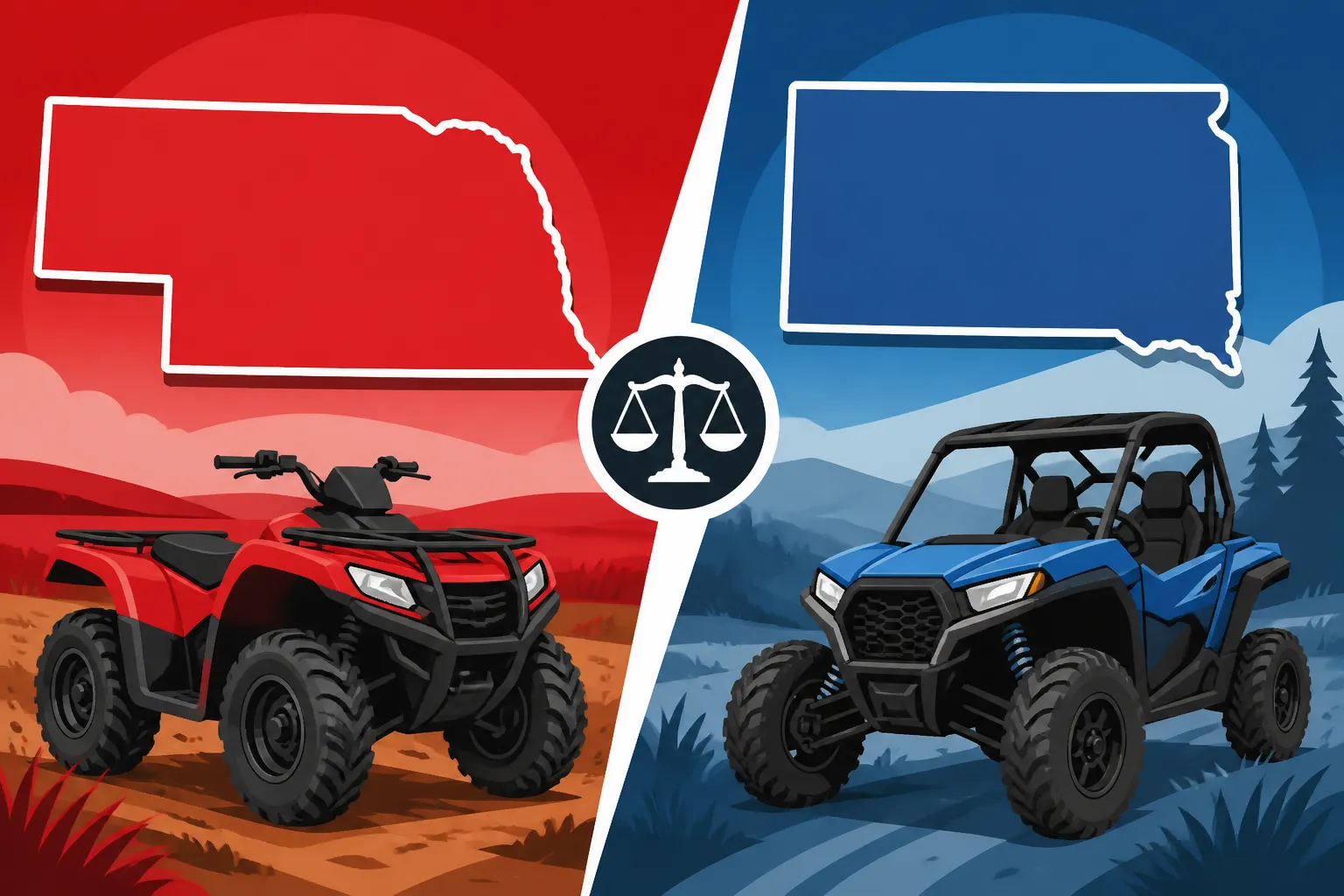
Living near a state border often means navigating different rules, and when it comes to titling your ATV or UTV, the differences between Nebraska and South Dakota can be a real head-scratcher. Many riders find themselves utterly confused, wondering if their machine needs a title, a registration, a sticker, or all of the above, depending on which side of the river they live or ride. This guide is here to untangle that knot of confusion, providing a clear comparison of how Nebraska handles ATVs and UTVs versus the system in South Dakota.
Understanding Nebraska's ATV/UTV Titling Fundamentals
Let's dive into how things work right here in the good old Cornhusker State. Our system for ATVs and UTVs has some unique quirks that can catch new owners, or those coming from out of state, completely off guard. It's not like titling a car or truck, and understanding these fundamental differences is your first step to avoiding a headache.
Nebraska's Unique Titling-Only Approach
One of the biggest distinctions you'll encounter in Nebraska is that we title ATVs and UTVs, but we don't actually register them for statewide public road use. I know, it sounds a little contradictory, right? You get a title, but it's specifically marked with a notation that says "Not To Be Registered." This can be incredibly confusing for folks, especially if they're used to other states where a title almost always goes hand-in-hand with registration and a license plate. What this means in practice is that while you'll have a legal document proving ownership, don't expect a license plate or state-issued decal for your machine. The purpose of the title here is primarily for establishing legal ownership, facilitating sales, and providing a chain of custody, not for granting permission to ride on public roads. This is a critical point that trips up many riders. [Nebraska Titles ATVs but Does Not Register Them] goes into more detail on this specific nuance.
The Role of County Treasurers in Nebraska
Unlike your car or truck, where you might visit the Department of Motor Vehicles (DMV) or Driver's License Office, ATV and UTV titling in Nebraska falls under the jurisdiction of your local county treasurer's office. This is another area where people often get sidetracked, mistakenly heading to the state-level DMV only to be redirected. Each of Nebraska's 93 county treasurers is responsible for processing titles for ATVs and UTVs within their respective counties. This means that while the core rules are statewide, the specific office you'll visit and perhaps the local flair of the staff will vary by county. These offices are geared up for this task, so they're usually quite knowledgeable about the process. They're also the ones who collect any applicable sales tax at the time of titling. [Nebraska County Treasurers Handle ATV Titles] explains why this is the case.
Key Paperwork and Deadlines in Nebraska
Getting your ATV or UTV titled in Nebraska involves a few essential pieces of paperwork and a crucial deadline. When you purchase a new machine, the dealer will provide you with a Manufacturer's Statement of Origin (MSO). For a used machine bought from a private seller, you'll need a properly filled-out title from the previous owner, along with a bill of sale. A detailed bill of sale, perhaps drafted using a service like LawDepot to ensure all the necessary information is included, is vital for proving the purchase price and protecting both buyer and seller. You'll also need to complete Nebraska Form 6ATV, which is specifically for titling ATVs and UTVs. This form helps the county treasurer calculate the sales tax you owe.
The state imposes a 30-day deadline from the date of purchase to get your machine titled. Missing this deadline can result in late fees, adding an unnecessary expense to your new acquisition. It's always best to make that trip to the county treasurer as soon as possible after your purchase. [Nebraska's 30-Day Titling Deadline] offers more insight into this timeframe. Don't forget that [Nebraska Sales Tax Collected at Titling] means you'll pay sales tax at the treasurer's office, not at the dealer.
South Dakota's ATV/UTV Titling and Registration System
Now, let's venture north to South Dakota, where the rules for ATVs and UTVs present a different set of expectations and requirements. If you're accustomed to Nebraska's system, you'll find South Dakota's approach leans more towards what you might typically expect for motor vehicles.
Titling Requirements in South Dakota
In South Dakota, like Nebraska, obtaining a title is generally a prerequisite for establishing legal ownership of an ATV or UTV. Most new and many used machines will require a title. The process involves submitting documentation such as the Manufacturer's Statement of Origin (MSO) for new machines, or a properly assigned title from the previous owner for used ones. Just like in Nebraska, a solid bill of sale is crucial for private sales. Using a comprehensive template from a platform like LawDepot can ensure that all legal details, like buyer/seller names, machine VIN, purchase price, and date of sale, are clearly documented, which can save a lot of hassle during the titling process. This title serves the same core purpose as in Nebraska: proof of ownership and a record for sales and transfers.
South Dakota's Registration and Plate System
Here's where South Dakota diverges significantly from Nebraska. While both states title ATVs and UTVs, South Dakota does have a registration system for these machines, particularly if they are going to be operated on public lands or specific trails. Depending on the type of machine and its intended use, you might need to obtain a registration sticker or even a small license plate. This registration typically involves an annual fee and helps fund trail maintenance and enforcement. For residents, this registration is often required to legally operate on designated public ATV trails, Bureau of Land Management (BLM) land, or national forests within the state. If you plan on riding in South Dakota, understanding their registration requirements is paramount, as failing to register could lead to fines or other penalties.
Sales Tax and Fees in South Dakota
When it comes to sales tax and other fees, South Dakota generally handles things a bit differently than Nebraska. In South Dakota, if you purchase an ATV or UTV from a licensed dealer, the dealer will typically collect the sales tax at the time of purchase. This is a contrast to Nebraska, where you pay the sales tax directly to the county treasurer during the titling process for both dealer and private sales. For private sales in South Dakota, the buyer is usually responsible for remitting the sales tax to the county treasurer's office when applying for the title.
Beyond sales tax, you'll also encounter titling fees and, as mentioned, registration fees. These fees contribute to the administrative costs of maintaining records and, for registration fees, often directly support the trails and riding areas. It's important to factor these costs into your overall budget when considering an ATV or UTV purchase in South Dakota, or if you're a Nebraska resident thinking about buying a machine there.
Navigating Cross-Border Differences: What Nebraska Riders Need to Know About South Dakota (and Vice Versa)
The border between Nebraska and South Dakota isn't just a line on a map; it's a line that delineates two distinct approaches to ATV and UTV ownership. For anyone living near the border, or contemplating a move or a cross-state purchase, understanding these differences is crucial to staying legal and avoiding frustration.
Residency and Titling When Moving Between States
Imagine you're moving from Sioux Falls to Norfolk, and you bring your South Dakota-titled and registered UTV with you. In this scenario, you'll need to re-title your machine in Nebraska. This means presenting your South Dakota title to your Nebraska county treasurer's office. They will then issue a new Nebraska title, complete with the "Not To Be Registered" notation. You won't be able to keep your South Dakota registration if you become a Nebraska resident, as our state simply doesn't have a statewide registration system for ATVs and UTVs. The same applies in reverse: if you're a Nebraska resident moving to South Dakota, you'll title your machine there and then apply for registration if you plan to use it where registration is required. You'll need to pay attention to details when you're moving your machine to a new state. [Nebraska Out-of-State Machines Need a Title] provides specific guidance for machines coming from other states.
Similarly, if you buy a used ATV from a seller in South Dakota and bring it home to Nebraska, you'll follow the same procedure for an out-of-state machine. You'll bring their signed-over South Dakota title to your Nebraska county treasurer. For private sales, it's always a good idea to use a detailed bill of sale, perhaps a template from LawDepot, to clearly document the transaction and the purchase price, especially since you'll be paying sales tax at the Nebraska county treasurer's office.
Road Use Implications and Enforcement Differences
Perhaps one of the most significant differences lies in the realm of road use. In Nebraska, ATVs and UTVs are generally prohibited from public roads, with very specific exceptions, primarily for agricultural purposes or in cities/villages that have passed local ordinances. Even with these exceptions, you won't have a state-issued license plate. [Nebraska ATV Road Rules Under 60-6,356] outlines these exceptions.
In South Dakota, while full street legality isn't universal, the presence of a registration system often implies more defined parameters for legal use on specific public roads or trails, which might include certain county roads or designated routes. Law enforcement in both states will be looking for compliance with their respective state's laws. A South Dakota machine with a valid registration sticker riding on a designated trail in that state is legal. That same machine, even if it's titled in Nebraska, would be subject to Nebraska's road-use laws once it crosses the border. This means if you're riding your Nebraska-titled ATV in South Dakota, you'll need to comply with South Dakota's registration requirements if you're on public land or roads where it's required. It's a prime example of why checking local rules, even for a day trip, is non-negotiable.
Practical Tips for Cross-State ATV/UTV Ownership
Navigating the waters of ATV and UTV ownership when two different state systems are involved can feel like a maze. But with a few practical tips and a proactive approach, you can keep your machine legal and your mind at ease, whether you're riding the Sandhills or the Black Hills.
Essential Documents to Keep Handy
Regardless of whether your machine is primarily housed in Nebraska or South Dakota, it is always a smart practice to carry key documents with you, or at least have copies readily accessible. This includes your title, proof of insurance (if required for your intended use or location), and any registration stickers or permits if you're in South Dakota. For Nebraska riders making an agricultural trip, a copy of the title can be helpful to show ownership if questioned. [What Paperwork a Deputy Can Ask to See] is a good read on this topic.
For private sales, a robust bill of sale, perhaps one you've created and customized through a platform like LawDepot, is incredibly important. It acts as a clear record of the transaction and can be a lifesaver if any disputes arise later or if there are questions about the purchase price for tax purposes. Keep these documents, or clear digital copies, on your person or securely stored in your machine's glove box.
Consulting Official Sources and Seeking Assistance
The best advice I can give you is to always, always check with the official sources. For Nebraska, this means contacting your specific [Nebraska Title Questions Treasurers Hear] about titling, or the Nebraska State Patrol for questions regarding road use. For South Dakota, you'd contact their Department of Revenue (for titling and sales tax) or local county offices, and potentially their Game, Fish and Parks department for registration and trail access information. Laws and regulations can change, and what was true last year might be different this year. A quick phone call or a visit to their official websites can save you a lot of grief. Don't rely solely on what your buddy "heard" or what you read on an old forum post.
Furthermore, if you're engaging in complex cross-state transactions or have unique circumstances, don't hesitate to seek professional advice. That could mean a legal professional or a knowledgeable dealer who handles out-of-state sales frequently. It's always better to be safe than sorry when it comes to legal compliance.
Here's a quick comparison of the key differences:
| Feature | Nebraska ATV/UTV Titling | South Dakota ATV/UTV Titling & Registration |
|---|---|---|
| Title Requirement | Yes, generally for all machines. | Yes, generally for all machines. |
| Registration Required | No statewide registration for road use; "Not To Be Registered" notation on title. | Yes, registration (sticker/plate) often required for public land/trail use. |
| Administering Office | County Treasurer's Office | County Treasurer's Office (for titling), often SD Game, Fish & Parks (for registration) |
| Sales Tax Collection | Collected by County Treasurer at titling (private & dealer sales). | Typically collected by dealer for new sales; buyer remits for private sales. |
| Road Use | Generally prohibited, with specific agricultural and local ordinance exceptions; no state plate. | Specific regulations for public road/trail use, often requires registration; small plate or sticker. |
| Out-of-State Machines | Must be titled in Nebraska; prior state registration not transferable if becoming resident. | Must be titled in South Dakota; may require registration based on use. |
| Deadlines | 30 days from purchase to title to avoid late fees. | Varies; generally prompt titling/registration expected after purchase. |
Disclaimer
This article is for general informational purposes only and does not constitute professional advice. Laws, prices and regulations vary by location and change over time. Consult a qualified professional for guidance on your specific situation.