How a Lien Is Recorded on an ATV Title
It’s a truly exciting moment when you finally get to bring home that new (or new-to-you) ATV or UTV. The smell of fresh plastic, the promise of open trails, or the thought of making farm work a little easier – it’s all so invigorating! But then you start thinking about the paperwork, and if you’ve financed your machine, one of the big questions that often pops up is, "How exactly does a lien get recorded on my title, and what does that mean for me?" Navigating the world of vehicle titles, especially for off-road machines in Nebraska, can feel like trudging through deep mud. This guide is here to help you understand the ins and outs of how a lien is recorded on an ATV or UTV title in our great state, so you can ride with peace of mind, knowing your paperwork is squared away.
What Exactly Is a Lien on Your Nebraska ATV Title?
Let's cut through the jargon and get to the heart of it. A lien on your Nebraska ATV or UTV title isn't some secret handshake or a hidden tax; it's simply a legal claim that a lender (like a bank, credit union, or even the dealership itself) has on your machine until you've fully paid off the loan. Think of it as collateral. When you finance an ATV, you don't actually own it outright until that final payment clears. The lender holds the lien as security, ensuring that if you stop making payments, they have the legal right to repossess the machine to recover their money. It's a fundamental part of the lending process for any financed vehicle, and ATVs and UTVs are no exception here in Nebraska.
Understanding the Basics of a Lien
From a practical standpoint, having a lien on your title means that while you possess and use your ATV, there's a legal encumbrance on its ownership. This encumbrance is publicly recorded, usually on the title itself, for everyone to see. It’s a crucial detail for anyone considering buying a used ATV, because without a clear title, they could inherit a debt they didn't create. The lienholder, the entity that loaned you the money, protects their investment by being listed on that official document. This ensures that the machine cannot legally be sold, traded, or otherwise transferred to a new owner without their explicit permission and usually, the full satisfaction of the outstanding debt. This is why when you're purchasing a machine, especially from a private seller, you want to be incredibly diligent about checking the title for any recorded liens. It’s one of the biggest [Nebraska Title Mistakes New Owners Make Most Often].
The Role of the Nebraska County Treasurer's Office
Here in Nebraska, things are a little different for off-road machines compared to cars or trucks. Instead of the Department of Motor Vehicles (DMV) handling your ATV or UTV title, it's actually your local [Nebraska County Treasurers Handle ATV Titles]. This is a really important distinction, as many people assume all vehicle paperwork goes through the same state office. When a lien is placed on your ATV, the county treasurer's office in the county where you reside is the official record-keeper. They're the ones who process the paperwork from your lender, record the lien on the certificate of title, and often hold onto the physical title until the lien is satisfied. Once your loan is fully paid off, it's typically this same office that will issue you a clean title, free of any lien notations. Understanding their role is key to navigating the titling process, especially when you're just learning [How to Title an ATV in Nebraska].
How a Lender Records a Lien on Your Nebraska ATV Title
So, you’ve picked out your dream machine, signed the financing papers, and now you’re wondering what happens behind the scenes. The process of actually recording that lien on your Nebraska ATV title involves a few steps, depending on whether you financed directly through a dealership or obtained a loan from an outside institution like a bank or credit union. Either way, the goal is to get that lienholder’s name officially printed on your title document.
Dealer vs. Private Lender Process
The path your title takes to get that lien recorded often depends on where you secured your financing.
Financing Through a Dealership:
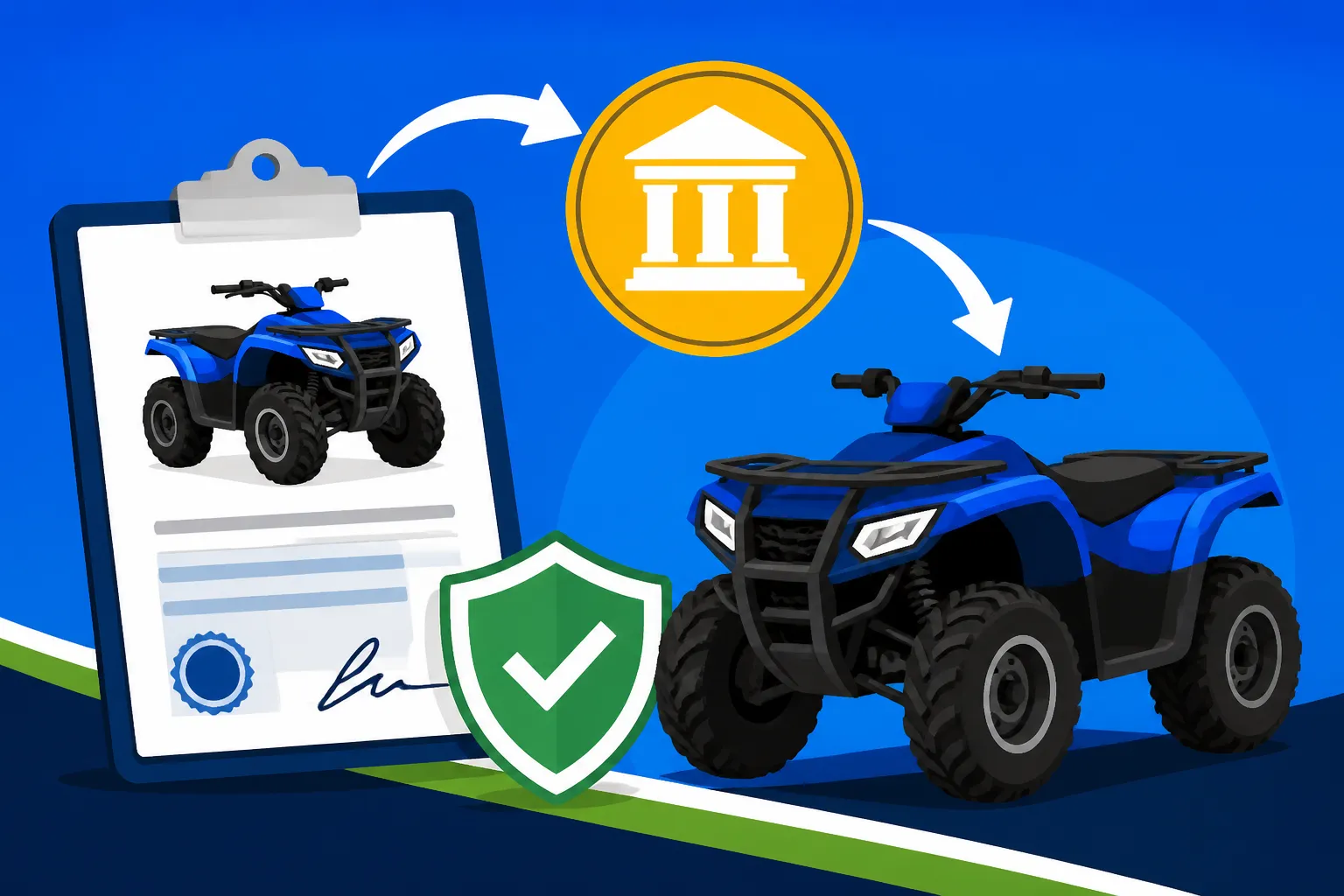
If you chose to finance your ATV or UTV directly through the dealership, they typically handle the heavy lifting of the paperwork. Once you've signed all the necessary loan documents, the dealership will prepare the application for your certificate of title. This application, along with the proof of ownership (like a Manufacturer's Statement of Origin for a new machine) and the lien agreement, will be sent to your county treasurer’s office. The dealership often acts as an agent, ensuring that all the correct forms are submitted, including the one that officially lists them (or their finance partner) as the lienholder. This can be convenient because you usually don't have to worry about the initial title application yourself; they're accustomed to [Nebraska Dealer Paperwork at Delivery]. Once processed, the county treasurer will issue a title that shows the lienholder's name and mail it directly to them. You, the buyer, typically won't receive the physical title until the loan is paid in full and the lien is released.
Financing Through a Bank or Credit Union:
Many riders choose to secure a loan from their own bank or a local credit union. This might be because they found better rates, or simply prefer to keep their banking relationships separate from the purchase itself. When you go this route, the process for recording the lien is slightly different. Your bank or credit union will provide you with the funds, and you will then use those funds to pay the dealership or private seller. The financial institution will then give you specific lien paperwork or instructions. You might be responsible for taking this paperwork, along with the title application and original ownership documents, to your county treasurer's office. Alternatively, your bank or credit union might send their lien documents directly to the treasurer, especially if they are accustomed to dealing with vehicle titles. The key is that they are the ones initiating the request to be listed as the lienholder. This ensures their interest is protected, just like when [Using a Credit Union Loan to Buy a Quad]. Regardless of who physically submits the paperwork, the county treasurer's office will review it, record the lien, and then send the official title to your bank or credit union.
What You'll See on Your ATV Title
When a lien is officially recorded, it becomes part of the public record and, more importantly for you, it's prominently displayed on your ATV's certificate of title. You won't physically possess this title until the loan is paid off, as the lienholder will hold it for security. However, if you were to see it, you would typically find a dedicated section on the title document that lists the "Lienholder" or "Secured Party." This section will include the name of your bank, credit union, or financing company, and often their address or an identifying number.
This notation serves as a very clear signal to anyone looking at the title that there is an outstanding financial claim against the machine. For instance, if you were to try and sell your ATV to someone else before the loan is paid off, a quick glance at the title by the prospective buyer would immediately reveal the lien. This is critical for preventing fraud and protecting both buyers and sellers. It’s also why it’s so important to be meticulous with paperwork when dealing with [Nebraska Titles After a Private Sale]. If, by some chance, you notice an error in the lienholder's information on the title, it's crucial to contact both your lender and the county treasurer's office immediately to get it corrected. An incorrect lien can cause headaches down the road when you go to sell or transfer ownership.
Releasing a Lien and Getting a Clear Title in Nebraska
The best part about having a lien on your ATV title is knowing that one day, you’ll pay off that loan and get a clear title, signifying that the machine is 100% yours! This moment is often celebrated by riders across Nebraska, marking a true sense of ownership and freedom. The process of releasing the lien and updating your title isn't automatic, but it's a straightforward series of steps that puts you in control.
Satisfying Your Loan Obligation
The first and most critical step in releasing a lien is, of course, paying off your loan in full. This means making every scheduled payment, or perhaps making extra payments to pay it off early. Once that final payment clears and your balance reaches zero, your lender's security interest in your ATV or UTV is extinguished. At this point, the lender has a legal obligation to release the lien. They will typically send you a physical document, often called a "Lien Release," "Satisfaction of Lien," or "Paid in Full" letter. This official document states that their claim on your ATV is removed.
It’s important to understand that while lenders are legally required to provide this release, the timeframe can vary. Some lenders are very quick, sending it within a week or two, while others might take a bit longer, sometimes up to 30 days or even more. This is a good question to ask your lender when you’re nearing the end of your loan term: "What is your typical turnaround time for sending a lien release once the loan is paid off?" Keep this document in a safe place, as it's the key to getting your clear title. Sometimes, if you're dealing with a large institution, it helps to be a little proactive. If you haven't received it within a reasonable timeframe, don't hesitate to call them and follow up. If you're dealing with a private lender, having clear documentation like a written agreement from LawDepot can make the process smoother, ensuring both parties know their responsibilities for the lien release.
The Process of Removing the Lien from Your Title
Once you have that precious lien release document in hand, it's time to visit your local county treasurer's office. Remember, these are the folks who handle [Nebraska County Treasurers Handle ATV Titles]. You’ll need to bring the original lien release, your current title (if you happen to have it, though often the lender sends it directly to the treasurer upon release), and your identification. The treasurer’s office will then process this document. They will likely issue you a brand-new certificate of title that no longer shows any lienholder information. This new title is often referred to as a "clear title" because it indicates you have full and unencumbered ownership of your ATV or UTV.
There will typically be a small fee associated with issuing this new title. This fee covers the administrative costs of processing the paperwork and printing the new document. It’s a good idea to call your county treasurer’s office ahead of time to confirm their current fees and accepted [Nebraska Title Payment Methods]. After you receive your clear title, it’s absolutely critical to keep it in a secure location, like a fireproof safe or a safety deposit box. Do not keep the original title on your ATV or in your glove compartment, as it could be lost or stolen. You only need a copy for riding, if that. This final step is crucial for completing the ownership transfer and will be essential if you ever decide to [Selling a Titled Machine in Nebraska] in the future.
Common Questions and Pitfalls Regarding ATV Liens in Nebraska
Understanding how a lien is recorded is one thing, but knowing how to navigate the trickier situations that can arise is another. Whether you’re buying or selling, or simply trying to correct an error, being prepared can save you a lot of grief and ensure a smooth experience with your Nebraska ATV.
Buying an ATV with an Existing Lien
This is one of the biggest potential pitfalls for buyers of used ATVs or UTVs. Imagine you find a fantastic deal on a quad from a private seller, the price is right, and the machine looks great. You hand over the cash, shake hands, and take it home. A few weeks later, you go to title it in your name, and the county treasurer informs you there's an active lien on the title. Suddenly, you've bought a machine that someone else still legally owns a part of! This is a nightmare scenario, and it's why you should always insist on seeing a clear title before you finalize any private sale.
When buying from a private seller, never assume the seller has paid off their loan, even if they say they have. The safest approach is to meet the seller at their bank or credit union, pay off the loan directly to the lienholder, and then immediately proceed to the county treasurer's office with the seller to transfer the now-clear title into your name. If that's not possible, demand a notarized lien release from the seller at the time of sale, along with the signed-over title. A seller has a legal responsibility to provide a clear title to a buyer, and failing to do so can lead to serious legal complications for them. Using a clear LawDepot bill of sale template that explicitly states the machine is free of encumbrances can provide an extra layer of protection. This due diligence also helps you avoid unknowingly buying a potentially stolen machine, giving you confidence when you're trying to [How to Check Whether a Used Quad Is Stolen].
Lost Lien Release or Title Errors
Life happens, and sometimes important documents get misplaced. If you've paid off your loan and the original lien release document goes missing before you can take it to the county treasurer, don't panic. Your first step should be to contact your former lender. They can usually provide you with a duplicate lien release. There might be a small processing fee for this, but it's a small price to pay for peace of mind. Keep a record of when you contact them and who you speak with, just in case you need to follow up.
Similarly, if you discover an error on your title – perhaps a misspelled name, an incorrect VIN, or even an incorrectly recorded lienholder – you'll need to address it promptly. For errors related to the lienholder, contact the lender first to confirm the correct information, then work with your county treasurer's office. For other errors, your county treasurer's office is the primary point of contact. They can guide you through the process of correcting the mistake, which may involve filling out an affidavit or other specific forms to ensure the information is accurate. While these situations can be frustrating, especially when you're eager to ride, a little patience and persistence will get your paperwork squared away correctly. This is one of the many [Nebraska Title Questions Treasurers Hear] regularly, so they're well-equipped to guide you.
| Aspect | Dealer Financed | Bank/Credit Union Financed |
|---|---|---|
| Lender | Dealership's finance partner / Internal | Your chosen bank or credit union |
| Initial Paperwork Handling | Dealership typically prepares and submits all | Buyer or lender submits lien and title application |
| Title Holder (During Loan) | Lienholder (dealership's partner) | Lienholder (bank/credit union) |
| Buyer Receives Title? | No, not until loan is paid off and lien released | No, not until loan is paid off and lien released |
| Lien Release Process | Lender sends release after payoff | Lender sends release after payoff |
| New Clear Title Issued By | County Treasurer's office after lien release | County Treasurer's office after lien release |
| Common Pain Point | Ensuring dealership follows through efficiently | Coordinating between lender, buyer, and treasurer |
Disclaimer
This article is for general informational purposes only and does not constitute professional advice. Laws, prices and regulations vary by location and change over time. Consult a qualified professional for guidance on your specific situation.