Storing an ATV Through a Long Cold Winter
As the days shorten and the frosty breath of winter starts to paint the Nebraska landscape, many of us face the same dilemma: what to do with our beloved ATV or UTV? Leaving your machine exposed to the elements or simply parking it in the corner of the garage without proper care is a recipe for frustration and costly repairs come spring. This comprehensive guide is here to walk you through the essential steps of winterizing your off-road machine, ensuring it emerges from the long cold winter ready to hit the trails and tackle chores without a hitch.
Why Winterizing Your ATV or UTV in Nebraska Isn't Just "Nice to Do"
Let's be real, winterizing your ATV or UTV can feel like a chore. You're ready to put the riding season behind you, and the last thing you want to do is spend another weekend tinkering in the cold. But trust me, as someone who's seen countless machines struggle to roar back to life after a harsh Nebraska winter, this isn't a step you want to skip. It’s not just about convenience; it’s about protecting a significant investment from the unique challenges our local climate throws its way.
The Harsh Realities of Nebraska Winters on Your Machine
Nebraska winters are no joke. We experience everything from bone-chilling sub-zero temperatures to unexpected thaws, followed by deep freezes. This constant fluctuation creates a perfect storm for mechanical havoc if your machine isn't prepared. Imagine your ATV’s engine, hoses, and battery sitting out in a freezing shed for months. The extreme cold can cause rubber and plastic components to become brittle and crack, leading to leaks and breakdowns. Humidity, even when temperatures are low, can creep into critical areas, leading to rust and corrosion in places you might not even think to check, like within the fuel tank or carburetor.
Then there’s the sheer inactivity. Your ATV or UTV is designed to be ridden, to have its fluids circulated and its engine running regularly. When it sits idle for extended periods, fuel can go stale, batteries can self-discharge, and internal components can seize up. These aren't just minor inconveniences; they can lead to major overhauls. Think about the expansion and contraction of metal parts in fluctuating temperatures – it's a slow, silent enemy, gradually wearing down seals and connections. Neglecting these effects is like leaving your barn door open in a blizzard; you're just inviting trouble.
The Cost of Neglect: Spring Surprises You Don't Want
If you’ve ever had to deal with an ATV that won’t start in the spring, you know the sinking feeling. It’s usually followed by a trip to the repair shop, which can quickly become an expensive affair. One of the most common issues from poor winterization is fuel system problems. Untreated gasoline, especially with ethanol blends, can separate and turn to varnish over months of storage, clogging carburetors and fuel injectors. This might mean a complete carburetor rebuild or costly injector cleaning, eating into your riding budget before you even get out of the driveway.
Then there’s the battery. A battery left connected and unmaintained over winter can completely die, and once it freezes when discharged, it's often beyond recovery. A new battery isn't cheap, and it's a completely avoidable expense with a little foresight. Beyond those, you might face cracked hoses, corroded electrical connections, or even flat-spotted tires that need replacing prematurely. These "spring surprises" don't just cost money; they cost you valuable riding time. Instead of enjoying the first warm days on the trail, you're stuck waiting for repairs, kicking yourself for not taking an hour or two in the fall. Planning for [Nebraska Maintenance Costs Per Year] can include preventative measures like winterization.
Step-by-Step Winterization Checklist for Your Off-Road Machine
Taking the time to properly prepare your ATV or UTV for its long winter nap is one of the best investments you can make in its longevity and your peace of mind. It doesn't have to be complicated, but it does require attention to detail. Think of it as putting your machine into hibernation mode, protecting it from the elements and ensuring all its vital systems are preserved.
Fuel System Preparation: The Heart of the Matter
Your fuel system is perhaps the most vulnerable part of your ATV or UTV during extended storage, especially with modern ethanol-blended fuels. Ethanol attracts moisture, which can lead to rust in your fuel tank and separation of the fuel itself, creating a gooey mess that clogs everything. You have two main options here: drain it or stabilize it.
Draining the fuel entirely is the most foolproof method. Run the engine until it’s warm, then turn off the fuel petcock (if your machine has one) and let the engine run until it starves itself of fuel and dies. This ensures that the carburetor bowl and fuel lines are as empty as possible. Then, drain the fuel tank into an approved container. Make sure to dispose of the old fuel properly; never just dump it. If you have a fuel-injected machine, draining can be more complex and might be best left to a professional, or you can opt for stabilization.
For stabilization, fill your fuel tank completely with fresh, high-octane fuel and add a quality fuel stabilizer according to the product's instructions. Overfilling slightly minimizes air space, reducing condensation. Once the stabilizer is in, run the engine for at least 10-15 minutes to ensure the treated fuel circulates through the entire system, including the carburetor or fuel injectors. This coat of stabilized fuel will prevent corrosion and varnish buildup. Some owners find it helpful to turn off the fuel petcock after this step and let the machine idle until it dies, ensuring no residual untreated fuel is left in the carburetor. If you're arranging for off-site storage, you might want to create a simple agreement outlining responsibilities for fuel and maintenance, and services like LawDepot offer templates that can help you formalize such arrangements with clarity. This avoids any misunderstandings about who handles which tasks, especially if you're not personally on-site every day.
Battery Care: Keeping the Spark Alive
A dead battery is a common cold-weather complaint. Batteries naturally discharge over time, and cold temperatures accelerate this process and reduce their capacity. To prevent your battery from dying, or worse, freezing and cracking, it's crucial to give it proper attention.
First, remove the battery from your ATV or UTV. Clean the terminals thoroughly with a wire brush to remove any corrosion, which can impede charging. Store the battery in a cool, dry place where it won't be exposed to extreme freezing temperatures. While a garage is often fine, bringing it inside your heated home is even better if space allows. However, simply storing it isn't enough. You need to connect it to a high-quality trickle charger or battery maintainer. These devices keep the battery topped off without overcharging it, extending its life significantly. Think of it like putting your battery on a life support system for the winter. This ensures it holds a full charge and prevents sulfation, which can permanently damage battery cells. This little bit of effort now saves you the expense and hassle of buying a new battery next spring.
Fluid and Tire Management: Protecting Vital Components
Fluids and tires also need attention to ensure your machine wakes up happy. Old oil can contain corrosive acids and contaminants that sit and eat away at internal engine components over months of dormancy.
Before storage, it’s always a good idea to change the engine oil and filter. This ensures fresh, clean oil is coating all the internal parts, protecting them from corrosion and breakdown during storage. Check your coolant (antifreeze) to ensure it's at the proper level and concentration for freezing temperatures. In Nebraska, you definitely need a robust antifreeze mix to prevent your engine block from cracking. Top off your brake fluid if needed.
For your tires, inflate them to the manufacturer's recommended pressure, or even slightly higher, by about 5-10 PSI. This helps prevent flat spots from forming where the tire sits on the ground for an extended period. If possible, consider putting your ATV or UTV up on stands so the tires are completely off the ground. This takes all the weight off the tires and suspension, preventing flat spots and spring fatigue. If you have several machines, knowing the [Nebraska Tire Replacement Costs] can help you budget for the necessary upfront care.
General Cleaning and Protection: Beyond the Mechanicals
Beyond the internal workings, a thorough cleaning and external protection are vital. You'd be surprised what a little dirt and grime can do over a long, static period.
Start by washing your machine thoroughly. Remove all dirt, mud, and debris, paying close attention to the underside, suspension components, and engine bay. Once clean, let it dry completely to prevent rust. Applying a good quality wax or protectant to painted and plastic surfaces will add an extra layer of defense against moisture and dust. Lubricate all moving parts – throttle cables, brake cables, pivot points, and chain (if applicable) – with a suitable lubricant. This prevents rust and ensures smooth operation when you're ready to ride again.
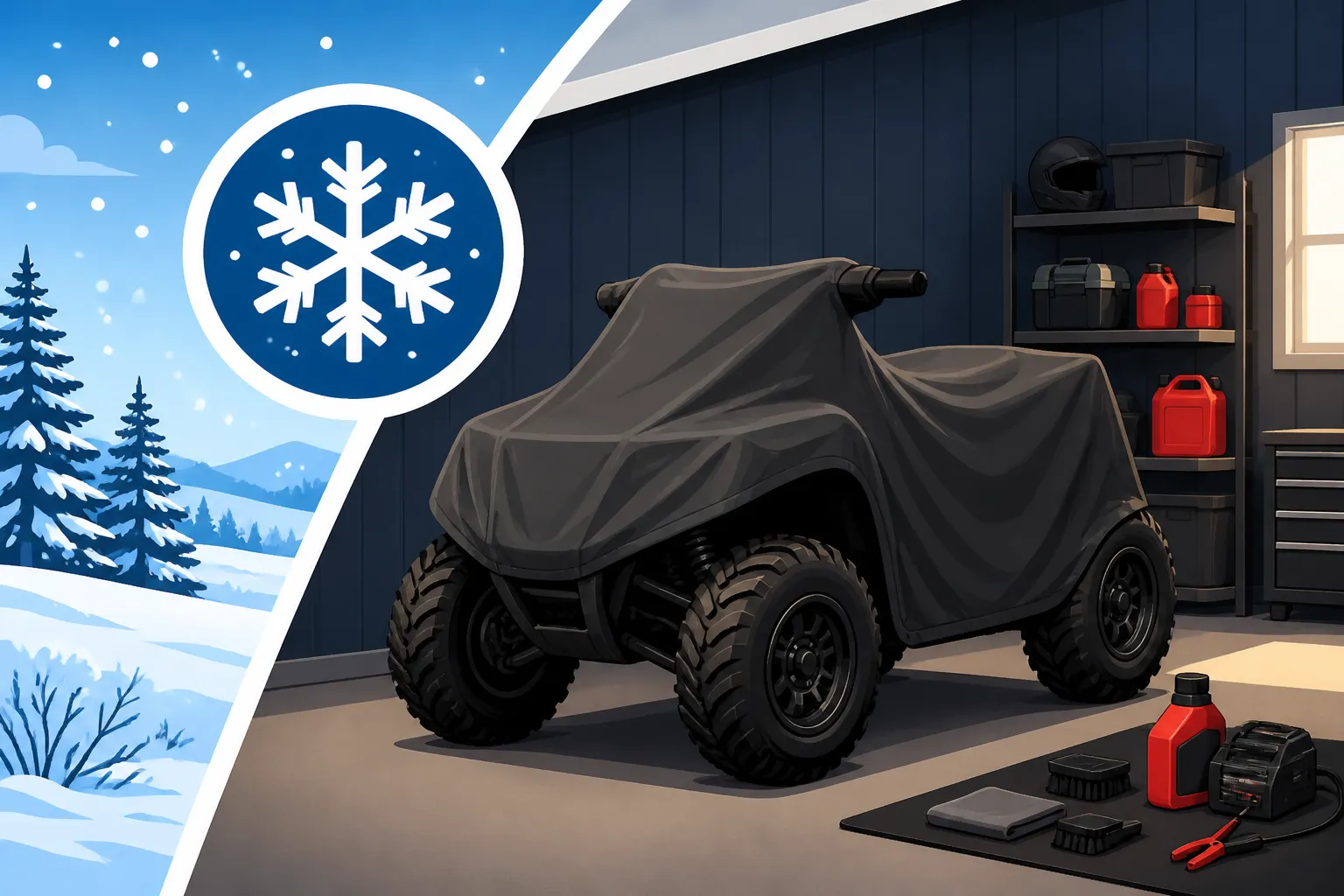
This is also a fantastic time to perform a thorough inspection. Look for any worn cables, loose bolts, frayed wiring, or anything that might need attention. You have all winter to order parts or schedule repairs, so you’re not scrambling in the spring. Finally, cover your ATV or UTV with a breathable, waterproof cover. This protects it from dust, moisture, and accidental bumps. If you're considering a private storage arrangement with someone, perhaps for a shared space, a clear written agreement can prevent future disputes. LawDepot provides customizable forms that can help draft such agreements, ensuring both parties are on the same page regarding access, maintenance, and responsibilities. This ensures clarity even for informal arrangements.
Here's a quick checklist to help you remember the key steps:
| System | Action for Winter Storage | Notes |
|---|---|---|
| Fuel System | Fill tank, add stabilizer, run engine (or drain completely) | Prevents rust, varnish, and ethanol separation |
| Battery | Remove, clean, store in warm place, use trickle charger | Prevents discharge, freezing, and sulfation |
| Engine Oil | Change oil and filter | Removes corrosive acids and contaminants |
| Coolant | Check level and concentration (antifreeze) | Prevents freezing and engine damage |
| Tires | Inflate to recommended pressure (or slightly higher) | Prevents flat spots; consider lifting machine off ground |
| Cleaning | Wash, dry, wax/protectant, lubricate moving parts | Prevents rust, protects surfaces, ensures smooth operation |
| Inspection | Check for wear/tear, loose parts | Allows for off-season repairs and parts ordering |
| Cover | Use a breathable, waterproof cover | Protects from dust, moisture, and physical damage |
| Pest Control | Block exhaust/intake, use repellents | Prevents rodents from making nests and chewing wires |
Choosing the Right Storage Environment in Nebraska
Once your ATV or UTV is prepped, where you store it for the winter is just as important. The climate in Nebraska can be particularly unforgiving, so selecting the right environment can make a huge difference in how well your machine fares.
Indoor vs. Outdoor Storage: Weighing Your Options
The ideal scenario for winter storage is a heated, climate-controlled garage. This protects your machine from the extreme cold, humidity, and temperature fluctuations that can cause so much damage. If you have access to such a space, take full advantage of it. It minimizes stress on all components, from plastics and rubber to battery and fluids.
However, not everyone has this luxury. Many of us rely on unheated garages, sheds, or even outdoor storage. An unheated garage or shed is still a good option as it provides shelter from direct precipitation, wind, and harsh sunlight. Just remember that the machine will still experience freezing temperatures, so thorough fluid and battery prep is critical. Ensure the space is well-ventilated to prevent moisture buildup, but not so drafty that it allows snow and rain to blow in.
Outdoor storage is the least desirable but sometimes unavoidable. If you must store your ATV or UTV outdoors, a high-quality, breathable, waterproof cover is non-negotiable. Look for covers specifically designed for ATVs/UTVs that cinch tightly at the bottom to prevent wind and moisture ingress. Elevate your machine slightly off the ground on blocks if possible to prevent moisture wicking up from the ground. While it’s certainly not ideal, proper preparation combined with a good cover can still protect your machine from the worst of the elements. Remember that the weather patterns in Nebraska can be unpredictable, making sheltered storage always the better choice.
Security and Pest Control: Protecting Your Investment
Beyond the weather, two other significant threats to your stored ATV or UTV are theft and pests. A machine sitting idle for months is an attractive target for both.
For security, if your machine is in a garage or shed, ensure the doors are locked and secure. Consider adding extra padlocks or even an alarm system if your storage space is easily accessible. If it’s an outdoor storage situation, a heavy-duty chain and lock secured to a permanent fixture can deter opportunistic thieves. While Nebraska might feel like a safe place, it’s always better to be proactive about security.
Pest control is often overlooked but can lead to devastating damage. Rodents, especially mice, love to nest in warm, dark, secluded places like airboxes, exhaust pipes, and even under the seat of your ATV. They can chew through wiring, upholstery, and plastic components, leading to electrical problems and expensive repairs. To deter them, first, remove any food sources from the storage area. Block off the exhaust pipe and air intake with steel wool or rags (just remember to remove them before starting in the spring!). You can also place rodent repellents like mothballs, dryer sheets, or commercial rodent deterrents around and inside the machine. Check on your machine periodically during the winter months, not just to check the battery, but to look for signs of uninvited guests. If you’re storing your machine on someone else’s property, maybe a friend’s barn or a leased space, having a clear storage agreement, which can be easily drafted using resources like LawDepot, can outline responsibilities for pest control and security, protecting both your machine and your relationship.
Additional Considerations for Nebraska Riders
Winterizing isn't just about the machine; it's also about preparing yourself and your paperwork for the next riding season. Use the downtime wisely to ensure you’re fully ready to hit the trails when spring finally arrives in Nebraska.
Documentation and Insurance Checks
Winter can be a great time to catch up on administrative tasks. Ensure all your documentation, like your ATV or UTV title, is in order. If you purchased your machine recently, perhaps through a private sale in the fall, make sure you've completed the titling process. You can find more information about this in articles like [Nebraska Title After a Private Sale] or [Nebraska ATV Title Requirements]. Having your paperwork squared away prevents any headaches when you're ready to register and ride again.
It's also a smart move to review your insurance policy. Is your coverage adequate? Does it cover theft or damage while in storage? While [Nebraska Insurance Required Only on Roads], comprehensive coverage can protect your investment even when it's tucked away. This is also a good time to ask your agent about potential [Nebraska Winter Storage Discounts on an ATV Policy]. Understanding [Nebraska ATV Insurance Cost Per Year] means knowing what you're paying for and making sure it aligns with your needs, especially during off-season storage. If you had an incident last season, you'll want to review [What Your Insurer Needs After an ATV Collision] to make sure everything is properly documented.
Preparing Yourself for Next Season
The long winter months offer a perfect opportunity to reflect on your riding experiences and plan for the future. Use this downtime to research new accessories or upgrades for your machine. Perhaps you’ve been eyeing new tires, a winch, or some additional lighting. Now is the time to price them out, compare options, and take advantage of any off-season sales. This can also help you understand [Costs Owners Wish They Had Planned For].
Consider brushing up on your riding skills or taking a safety course. Even experienced riders can benefit from a refresher. Look for [Nebraska Voluntary Safety Courses] that might be offered online or in person before the spring rush. Planning out your next riding adventures is also a fun way to pass the winter. Research new trails in Nebraska, like those mentioned in [Nebraska ATV Trails: Where to Ride], or even plan a trip to a neighboring state. Having something exciting to look forward to makes the wait for spring much more bearable.
Finally, just keep an eye on your machine. A quick check-in every few weeks, especially on the battery maintainer and for any signs of pests, will give you peace of mind. When those first warm days hit, and you roll your perfectly prepped ATV or UTV out of storage, you’ll be incredibly thankful you took the time to do it right.
Disclaimer
This article is for general informational purposes only and does not constitute professional advice. Laws, prices and regulations vary by location and change over time. Consult a qualified professional for guidance on your specific situation.