Selling a Titled Machine in Nebraska
So, you've decided it's time to part ways with your trusty ATV or UTV here in Nebraska. Maybe you're upgrading to a newer model, downsizing, or just need to free up some garage space for other projects. Whatever your reasons, selling a titled off-road machine can often feel more complicated than you initially anticipate, especially with all the specifics involved in transferring ownership legally and smoothly. This guide will walk you through everything you need to know, from gathering your paperwork to ensuring a secure transaction, so you can navigate the process with confidence and avoid unnecessary headaches.
Preparing Your ATV or UTV for Sale in Nebraska
Before you even think about listing your machine, there's some crucial groundwork to lay. Getting everything in order upfront will not only make the sales process smoother for you but also instill confidence in potential buyers, making your ATV or UTV more attractive and easier to sell. It's all about presentation and transparency, both for the machine itself and the accompanying paperwork.
Gathering Your Essential Paperwork
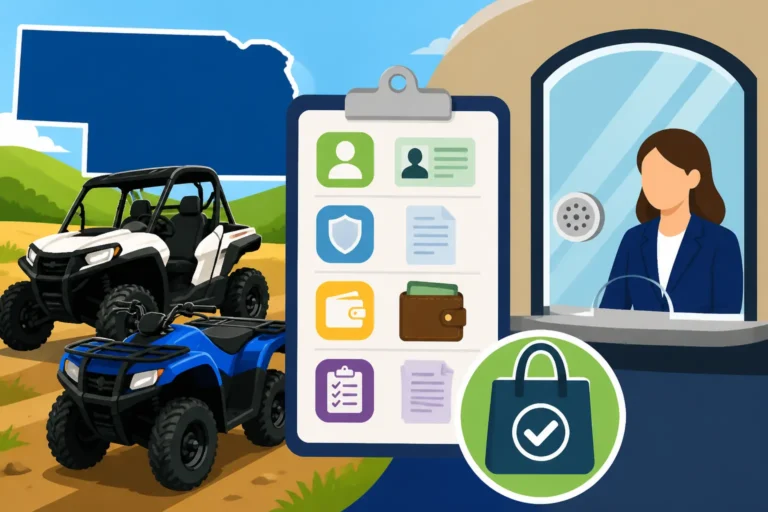
The absolute most critical piece of paper you need to find is your Nebraska Certificate of Title. For any ATV or UTV bought new in Nebraska after 2004, or any machine brought into the state and subsequently titled here, this document serves as indisputable proof of ownership. If you can't find it, don't panic, but start the process of getting a duplicate title from your local County Treasurer's office immediately. You simply cannot legally transfer ownership without a signed title, and trying to sell without it will be a non-starter for any legitimate buyer. This is one of those times where a little proactive effort saves a lot of stress down the road.
Beyond the title, it's a good idea to have other supporting documents ready. While not strictly required for the title transfer itself, having a detailed bill of sale is highly recommended. It acts as a clear record of the transaction for both you and the buyer, outlining the terms of the sale, the price, and the specific machine. Think of it as your safety net. You might also gather any service records you have for the machine. Showing a prospective buyer a history of regular maintenance, like oil changes, tire rotations, or recent repairs, can significantly boost their confidence in the machine's condition and value. It proves you've taken care of it, which is a huge plus in the used market.
Getting Your Machine Market-Ready
First impressions are everything, especially when selling a recreational vehicle. Before you take any photos or invite potential buyers over, give your ATV or UTV a thorough cleaning. Wash off all the dirt, mud, and dust from those trail adventures. Detail the plastics, shine up the tires, and clean the engine bay if you feel comfortable. A clean machine suggests it's been well-cared for, even if it's seen its fair share of rough terrain.
Beyond aesthetics, address any minor repairs that are reasonable to fix. A squeaky brake, a loose chain, or a burnt-out headlight might seem small, but they can be red flags for a buyer, making them wonder what other issues might be lurking. If there are larger, known mechanical issues, it's always best to be upfront and honest about them. Trying to hide problems will only lead to resentment and potential legal issues later on. Being transparent builds trust and helps the buyer make an informed decision, which is ultimately better for everyone involved. For specific details on what to include in your agreement, check out resources like [Writing a Bill of Sale for a Neighbor's Quad].
Navigating the Nebraska Title Transfer Process
This is where the rubber meets the road, so to speak. The title transfer is the legal core of selling your ATV or UTV in Nebraska. Understanding each step, particularly the roles of the title and the bill of sale, is crucial for a smooth and legal transaction. It's not just about getting paid; it's about officially changing ownership in the eyes of the state.
The Critical Role of Your ATV Title
Your Nebraska Certificate of Title is the linchpin of the entire sale. It's the official document that proves you are the legal owner of the ATV or UTV. When you sell your machine, you'll need to physically sign over this title to the new owner. This typically involves endorsing the title in designated areas, usually on the back, where you'll fill in the buyer's name, the date of sale, and the purchase price. Make sure your signature exactly matches the name printed on the front of the title. Any discrepancies could cause major delays for the buyer at the County Treasurer's office.
If there's a lien recorded on your title, meaning you still owe money on the machine, you cannot legally transfer the title until that lien has been satisfied. You'll need to contact your lender to get a lien release. They will often send you a physical document or, in some cases, electronically release the lien, after which you might need to obtain a clear title before selling. The buyer, once they have the properly endorsed title from you, will then take it, along with a completed Form 6ATV and any necessary sales tax payment, to their local County Treasurer's office to get the title transferred into their name. Understanding that the [Nebraska County Treasurers Handle ATV Titles] and not the DMV, is a common point of confusion for many sellers and buyers alike.
The Importance of a Detailed Bill of Sale
While the title handles the legal transfer of ownership, a comprehensive bill of sale is your best friend for documenting all the specifics of the transaction. This isn't just a friendly handshake; it's a formal agreement that protects both you and the buyer. It should clearly state the date of sale, the full names and addresses of both the buyer and seller, the purchase price, and a detailed description of the ATV or UTV, including its make, model, year, and most importantly, the Vehicle Identification Number (VIN). The VIN is paramount for identification purposes and should always match the number on the title.
Having a robust bill of sale can prevent misunderstandings down the line. It's proof of the transaction terms, which is vital if any disputes arise. Many people find it helpful to use a template for a bill of sale to ensure all necessary information is included. You can often find reliable templates online from services like LawDepot, which provide customizable legal documents that cover all the bases. This document is also crucial for the buyer because it helps them accurately declare the purchase price for sales tax purposes when they go to title the machine. For more details on what needs to be included, you can consult resources like [Writing a Bill of Sale for a Neighbor's Quad].
Understanding Sales Tax Responsibilities (Yours and Theirs)
When you sell an ATV or UTV in a private sale here in Nebraska, you, as the seller, are generally not responsible for collecting sales tax. That burden falls entirely on the buyer. The buyer will pay the Nebraska sales tax directly to their local County Treasurer's office at the time they title the machine. This is a crucial distinction, as some sellers mistakenly believe they need to add sales tax to their asking price. So, when you're discussing the price with a potential buyer, remember that their "out-the-door" cost will include the sales tax they pay to the county.
The purchase price you list on the bill of sale is what the County Treasurer will use to calculate the sales tax. It's important to be accurate and truthful about the actual selling price on this document. If the buyer is trading in another machine as part of the deal, that can also impact the sales tax calculation. In Nebraska, if a trade-in is part of the transaction, the sales tax is typically only calculated on the difference between the selling price of your machine and the value of the trade-in. Make sure this is clearly itemized on the bill of sale for the buyer's benefit. For more information on this, check out [Nebraska Sales Tax Collected at Titling] and [Nebraska Trade-In Credit at Titling]. Being clear about this upfront helps manage buyer expectations and prevents confusion at the treasurer's counter.
Protecting Yourself During the Sale
Once you've done the hard work of preparing your machine and understanding the paperwork, the actual exchange and transfer need to be handled carefully. Your goal is to complete the sale, get paid securely, and release yourself from any further liability related to the machine. This step is about dotting your "i"s and crossing your "t"s to ensure a clean break.
Handling Payment Securely
This is a critical moment in any private sale. For your peace of mind, always prioritize secure payment methods. Cash is often considered king for smaller transactions, as it's immediate and final. However, carrying large sums of cash can be risky for both parties. If you accept cash, arrange to complete the transaction at your bank, where you can immediately deposit the funds and verify their authenticity. Another secure option is a cashier's check or certified check, but be extremely cautious. These can be faked. It's always best to meet the buyer at their bank during business hours so the bank can issue the check to you directly, or at least verify it on the spot before you hand over any keys or paperwork.
Personal checks are generally a no-go for private sales due to the risk of them bouncing. Electronic transfers, like bank wires, can also be secure but confirm the funds have truly cleared into your account before releasing the machine. Avoid payment apps that don't offer buyer/seller protection for high-value items, as these can leave you vulnerable to scams. Always remember: if an offer seems too good to be true, or a payment method feels suspicious, it probably is. Protect your financial interests fiercely.
Releasing Liability
Once the title is properly endorsed, signed, and handed over to the buyer, and you've received full payment, your legal responsibility for the ATV or UTV largely ends. This is the moment you've been working towards! The buyer is now responsible for taking the title to their local County Treasurer's office to officially transfer it into their name and pay any applicable sales tax. Nebraska law typically gives buyers [Nebraska's 30-Day Titling Deadline] to complete this process. While it's not your legal obligation to ensure they do this on time, a friendly reminder to the buyer can prevent issues for them.
Before the buyer drives or trailers the machine away, make sure you've removed all your personal belongings. This includes any accessories you didn't intend to sell, your registration, insurance cards (if applicable for road use), or any personal tools. It's a good practice to take a photo of the signed title before handing it over, just for your records. This serves as proof that you properly transferred ownership on a specific date. Once the transaction is complete, you should also notify your insurance company that you've sold the machine to cancel coverage and avoid unnecessary premiums.
What if the Buyer Lives Out of State?
Selling to an out-of-state buyer isn't significantly different for you, the Nebraska seller, in terms of the core steps. You will still endorse your Nebraska Certificate of Title, provide a bill of sale, and receive payment as you would for an in-state buyer. The key difference lies on the buyer's side. They will take the Nebraska title you've provided back to their home state and follow their state's specific titling and registration procedures. They will likely pay their state's sales or use tax to their local DMV or equivalent agency.
As the seller, you don't need to concern yourself with their state's specific rules, but it can be helpful to inform them that they will be responsible for understanding and complying with those regulations. You're simply providing them with the clear, legally transferred Nebraska title they need. Make sure all your paperwork is in order and clearly indicates the sale took place in Nebraska. For more on this, you can refer to [Nebraska Title Rules When the Buyer Lives Elsewhere]. The more transparent you are, the smoother the process will be for both parties, even across state lines.
Common Pitfalls and How to Avoid Them
Even with the best intentions, selling a machine can hit snags. Knowing the most common issues that crop up can help you proactively avoid them, saving you time, frustration, and potential disputes. A little foresight goes a long way in ensuring a truly smooth transaction from start to finish.
Missing or Incorrect Paperwork
One of the most frequent headaches in ATV/UTV sales is incomplete or incorrectly filled-out paperwork. Imagine getting to the County Treasurer's office only to find a signature is missing, a date is incorrect, or the VIN on the bill of sale doesn't perfectly match the title. These seemingly small errors can lead to immediate rejection of the title transfer, forcing the buyer to track you down to get corrections, which can be frustrating for everyone involved. Before you hand over any documents, double-check everything: ensure all required fields on the title are filled in, your signature and the buyer's signature are present where needed, the date of sale is correct, and the purchase price is clearly written.
If you discover an error on your title before the sale, such as a misspelled name or an incorrect VIN, you'll need to go to your County Treasurer's office to get it corrected first. It's much easier to fix these issues while you still own the machine than trying to resolve them after it's been sold. For specific guidance, look into topics like [Fixing a Missing Signature on an ATV Title] or [Correcting a Misspelled Name on an ATV Title]. Taking the extra five minutes to meticulously review all documents before the final exchange can save hours of backtracking and unnecessary stress for both you and the buyer.
Undisclosed Issues and Buyer's Remorse
In Nebraska, private sales of ATVs and UTVs are typically "as-is" unless you explicitly offer a warranty or guarantee. However, this doesn't absolve you from being truthful about the machine's condition. Trying to hide known mechanical defects or damage can lead to buyer's remorse, negative feedback, or even legal action if the buyer feels intentionally misled. Honesty is truly the best policy here. If there's a known issue, disclose it upfront. Better for a potential buyer to walk away than to close a sale that quickly sours.
Always encourage potential buyers to thoroughly inspect the machine and, if possible and safe, take it for a test ride in a controlled environment. This allows them to assess the machine's performance and identify any concerns before committing to the purchase. If you have a detailed bill of sale, like one created using a service such as LawDepot, you can explicitly state that the machine is being sold "as-is," which provides an additional layer of protection for you as the seller. This transparency fosters trust and helps prevent disputes after the sale is complete. If you are selling a used machine, it is also smart to review resources like [How to Check Whether a Used Quad Is Stolen] to show good faith.
Not Knowing Your Buyer's Responsibilities
While you're certainly not the "title police," having a basic understanding of what the buyer needs to do after the purchase can be incredibly helpful. Buyers, especially first-timers, often have questions about the next steps, and being able to guide them can build goodwill and facilitate a smoother transfer. For instance, you should know that the buyer will need to present your signed title, a bill of sale, and a completed [Nebraska Form 6ATV Explained for Buyers] to their County Treasurer. They will also be responsible for paying sales tax on the purchase price.
Understanding the typical timeframe for titling, usually within 30 days of purchase, can help you gently remind the buyer without being overbearing. Knowing these details not only makes you a more knowledgeable seller but also allows you to anticipate potential questions and address them proactively. This ensures the buyer feels confident in the process, which ultimately reflects well on your professionalism as a seller. For a general overview of the buyer's journey, you might refer them to [Buying From a Private Seller in Nebraska].
Here's a quick summary of key responsibilities for both parties in a private ATV/UTV sale in Nebraska:
| Aspect of Sale | Seller's Responsibility | Buyer's Responsibility |
|---|---|---|
| Title | Provide signed, clear Nebraska Certificate of Title. | Present signed title to County Treasurer for transfer. |
| Bill of Sale | Provide detailed bill of sale with all transaction info. | Keep bill of sale for proof of purchase and tax calculation. |
| Sales Tax | Do NOT collect sales tax from buyer. | Pay Nebraska sales tax to County Treasurer at titling. |
| Machine Prep | Clean, maintain, and disclose known issues. | Inspect machine thoroughly; ask questions. |
| Payment | Ensure secure receipt of funds (cash, verified check, etc.). | Provide agreed-upon payment in a secure method. |
| Liability | End when title is transferred and payment received. | Begins upon taking possession and assumes title transfer duties. |
| Timelines | No specific timeline after sale. | Title transfer within [Nebraska's 30-Day Titling Deadline]. |
Disclaimer
This article is for general informational purposes only and does not constitute professional advice. Laws, prices and regulations vary by location and change over time. Consult a qualified professional for guidance on your specific situation.