Nebraska Title Compared to Iowa
It can be incredibly confusing trying to figure out the ins and outs of ATV and UTV titling, especially when you're dealing with different states. If you've ever bought a machine from a seller across the Missouri River or are planning a riding trip to a neighboring state, you know the frustration of trying to untangle one state's rules from another's. This guide is here to shed some light on the specific differences between Nebraska's ATV titling process and Iowa's, helping you understand what paperwork you need and why it matters, no matter which side of the river you're on.
The Fundamental Differences: Nebraska's Approach vs. Iowa's
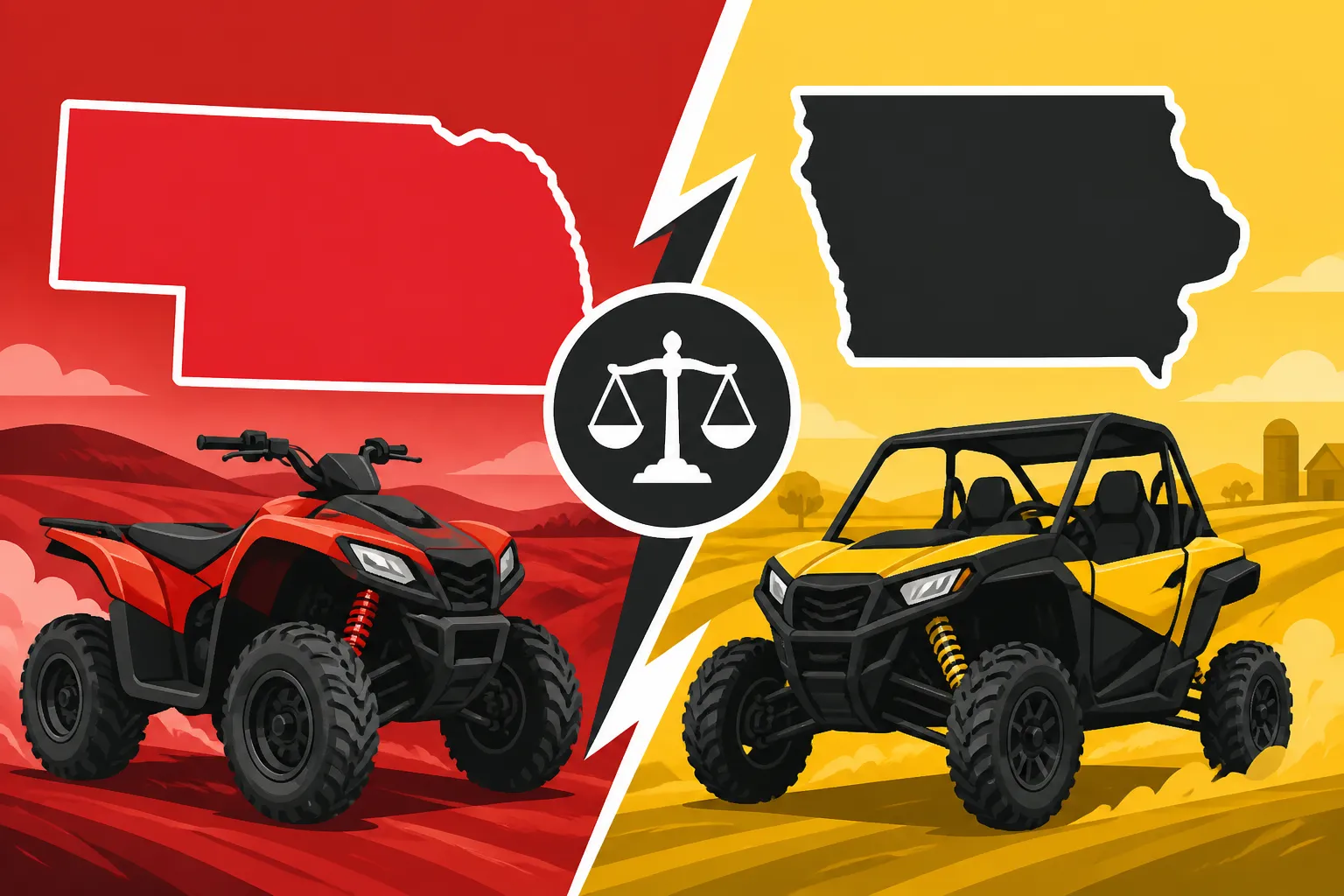
When it comes to your ATV or UTV, Nebraska and Iowa have two fundamentally different philosophies on how these machines are tracked and regulated. This isn't just a minor detail; it impacts everything from the paperwork you'll receive to where and how you can legally ride your machine. Many folks assume that if a vehicle has a title, it's pretty much the same everywhere, but with ATVs and UTVs, that's simply not the case. It’s a common point of confusion and one that can lead to headaches if you're not prepared.
The Core Philosophy: Titles Without Registration
In Nebraska, the state's approach to ATVs and UTVs can be boiled down to "title, but no registration." What does this really mean for you as an owner? Well, it means that while your machine needs a legal title to prove ownership, just like a car or truck, it will not be registered with the state in the traditional sense. You won't receive license plates, registration stickers, or annual renewals like you would for a highway vehicle. This is a critical distinction, and it often trips up new owners or those moving from states with different rules. The title itself will even have a clear notation, often saying "Not To Be Registered," which underscores this point. This distinction exists because Nebraska largely restricts ATVs and UTVs from public roads, except for very specific agricultural or local ordinance exceptions. The state isn't collecting annual fees for road use or public trail system maintenance, so there's no registration process to facilitate that. For a deeper dive, check out [Nebraska Titles ATVs but Does Not Register Them].
Iowa, on the other hand, operates under a "title and registration" model for most ATVs and UTVs. This means that not only do you need a title to establish ownership, but your machine also needs to be registered with the state, complete with a registration decal and an annual renewal fee. This fee often goes towards funding public riding areas and administrative costs, creating a different ecosystem for off-highway vehicle management. The registration decal typically needs to be displayed prominently on your machine, signifying that it's current and compliant with state regulations. This dual requirement in Iowa means a more active relationship with state agencies regarding your ATV, requiring regular renewals and adherence to additional rules that come with registration. If you're planning on riding in Iowa, understanding this difference is paramount.
Where You Go to Get It Done
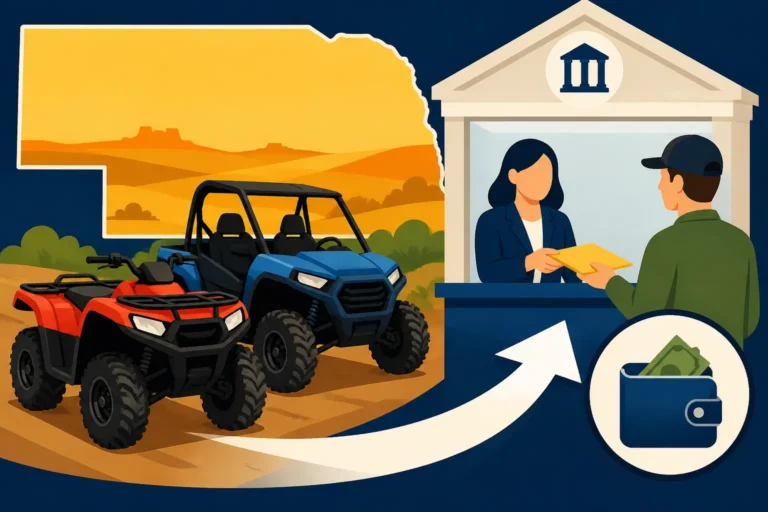
The agency responsible for handling your ATV or UTV paperwork also differs significantly between the two states, adding another layer of complexity. In Nebraska, your journey to title an ATV or UTV will always lead you to your local County Treasurer's office. These are the same offices that handle vehicle titles, property taxes, and other county-level financial matters. They are equipped to process your Manufacturer's Statement of Origin (MSO) or bill of sale, collect sales tax, and issue your official Nebraska title. It's a fairly straightforward process once you know where to go, but it's important to remember that the Department of Motor Vehicles (DMV), which handles driver's licenses and vehicle registrations, isn't involved in ATV titling here. For more details on this, you might find [Why the County Treasurer, Not the DMV, Titles ATVs] helpful.
Across the river in Iowa, the process typically falls under the purview of the County Recorder's office. This is the office responsible for recording various public documents, including real estate deeds, vital records, and, importantly for us, ATV/UTV titles and registrations. So, if you're an Iowa resident, or are buying a machine to be primarily used and titled in Iowa, you'll be heading to the County Recorder to get your machine legal. These offices manage both the issuance of the title certificate and the annual registration process, ensuring your machine is properly documented and ready for use on designated public lands. The shift in agency means different forms, different staff, and potentially different hours of operation, so it's always wise to call ahead and confirm what you need before making the trip.
Diving Deeper into Nebraska's Titling Process
Now, let's really zoom in on what it takes to get your ATV or UTV properly titled in the Cornhusker State. While it might seem simpler because there's no registration, there are still specific steps, documents, and timelines you need to be aware of. Missing a step or a deadline can lead to unnecessary fees or delays, which nobody wants when they're eager to hit the trails or get to work on the farm.
What You'll Need at the County Treasurer's Office
When you head to your Nebraska County Treasurer's office, being prepared is key. The main goal is to prove ownership, establish the machine's identity, and handle any applicable taxes. If you're buying a brand-new machine, you'll need the Manufacturer's Statement of Origin (MSO) or Certificate of Origin, which is the factory document proving the machine's first ownership. Along with that, you'll need a valid form of identification, like your driver's license. If you're purchasing a used ATV or UTV from a private seller, you'll need the previous owner's properly assigned title. This means their signature releasing ownership and your signature accepting it, along with the purchase price.
Crucially, for a private sale, you'll also need a bill of sale. Even if it's just a handwritten note, a clear bill of sale protects both buyer and seller by detailing the machine, the price, the date, and the signatures of both parties. Reputable online services like LawDepot can provide excellent templates for a bill of sale that cover all the necessary information, which can make the process smoother at the treasurer's counter. Don't forget your proof of address, such as a utility bill, to ensure your title is mailed to the correct location. It’s always best to call your specific county treasurer's office ahead of time to confirm their exact requirements, as sometimes local nuances exist. You can find more practical advice on this in [What to Bring to the County Treasurer's Window].
Understanding Nebraska's "Not To Be Registered" Notation
One of the most distinctive features of a Nebraska ATV or UTV title is the phrase "Not To Be Registered" prominently displayed on it. This isn't a mistake or a temporary condition; it's a permanent and intentional part of Nebraska's titling law for these machines. This notation exists to make it crystal clear that your ATV or UTV is not a highway-legal vehicle and cannot be registered for general road use. It's a direct reflection of the state's stance on off-road vehicles remaining off-road.
For many owners, especially those new to Nebraska, this can be a source of confusion. They might wonder, "If I have a title, why can't I get a license plate and drive it on the street?" The answer lies in the very nature of these machines—they aren't designed or equipped to meet the safety standards for public road travel. The notation is there to prevent any misunderstanding and to ensure that owners are aware of these limitations from the outset. It essentially acts as a legal fence, clearly delineating ATVs and UTVs from other titled vehicles that can be registered for highway use. If you’re curious about the implications, [Why an ATV Title Says Not To Be Registered] goes into more depth. This designation also highlights the agricultural exception, where machines are sometimes used on county roads for specific farming tasks, but even then, they aren't "registered." The title notation remains regardless.
The Cost and Timeline Considerations
When it comes to the financial side of titling your ATV or UTV in Nebraska, there are a few key costs and deadlines to keep in mind. The main costs you'll encounter are the title fee itself and the Nebraska sales tax. The title fee is typically a modest charge, standardized across all county treasurers. However, the sales tax is where the larger expense comes in. Nebraska state sales tax, plus any applicable local sales tax, is collected by the county treasurer at the time you title your machine. This applies whether you bought it new from a dealer or used from a private party. The tax is calculated on the purchase price you declare on your bill of sale or Manufacturer's Statement of Origin, less any trade-in credit if you traded another machine. [Nebraska Sales Tax Collected at Titling] provides more information on this.
As for the timeline, Nebraska law requires you to title your newly acquired ATV or UTV within 30 days of purchase. This 30-day window is important, and missing it can lead to late fees. The county treasurer's office assesses a penalty if you fail to title your machine within this timeframe, so it’s always best to make your trip as soon as possible after acquiring your new ride. Imagine you buy a quad right before a big family event or a busy harvest season; it's easy for that 30-day window to slip by. Planning ahead and gathering all your paperwork promptly will save you potential hassle and extra costs. For insights into what happens if you delay, take a look at [What Happens If You Miss the 30-Day Title Deadline].
What Iowa Does Differently for ATVs
Shifting our focus to Iowa, you'll find a distinct set of rules that emphasize both ownership tracking and operational regulation through their titling and registration system. This approach creates a more integrated system for managing off-highway vehicles, particularly concerning their use on public lands.
Iowa's Registration and Titling Requirements
In Iowa, if you own an ATV or UTV, you're generally required to not only title it but also register it with the state. This means your machine will receive a unique registration number and a decal that must be displayed. This isn't just about proving ownership; it's about establishing your machine's eligibility to operate on public lands, such as state-managed trails or parks where ATVs are permitted. The registration is typically renewed annually, and the fees collected contribute to the state's Off-Highway Vehicle (OHV) program, which supports trail development, maintenance, and enforcement.
The titling process in Iowa is handled by the County Recorder, who issues the certificate of title. This document serves as proof of legal ownership and is a one-time process unless ownership changes. The registration, however, is what grants you the right to operate on public lands, and it needs to be current. Think of it like your car: you title it once, but you register it annually. This two-part system ensures that machines are both legally owned and compliant with operational standards. For residents of neighboring states like Nebraska, this is a crucial difference, as a Nebraska-titled ATV without Iowa registration would not be permitted on Iowa's public trail systems.
Public vs. Private Land Implications in Iowa
The registration requirement in Iowa has significant implications for where you can legally ride your ATV or UTV. If you plan to ride on any public land in Iowa—including state forests, designated OHV parks, or county trails—your machine absolutely must be registered. This is how the state ensures that all users are contributing to the upkeep and management of these resources. Without current registration, you could face fines or other penalties if caught riding on public property. This is a stark contrast to Nebraska, which, lacking a statewide registration system, doesn't have a similar funding mechanism tied to a general public trail system.
On private land in Iowa, the rules are a bit different. If you're riding exclusively on private property with the landowner's permission, the registration requirement typically doesn't apply. However, you still need to legally own the machine, which means having a valid title. This distinction is important for landowners and those who only use their machines for private purposes, such as farming or recreation on their own property. But the moment you venture onto public trails or lands, that Iowa registration becomes essential.
Fees, Renewals, and Enforcement in Iowa
The Iowa system involves regular fees and renewals, which owners need to factor into their annual budget. There's an initial titling fee, similar to Nebraska, but then there's the ongoing registration fee, which must be paid annually or biannually, depending on the state's current schedule. These fees, as mentioned, are vital for supporting Iowa's OHV infrastructure. For example, a significant portion of these funds often goes directly back into creating and maintaining designated riding areas, making them safer and more enjoyable for everyone.
The enforcement of these rules is also a key difference. In Iowa, law enforcement officers and conservation officers regularly check for current registration decals on ATVs and UTVs operating on public lands. Riding an unregistered machine on public property can lead to citations and fines. The renewal process is typically managed by the County Recorder's office, and owners will receive reminders to keep their registration current. This proactive approach to registration and funding helps Iowa maintain a more structured and supported public riding environment compared to Nebraska's more decentralized, farm-focused approach.
Navigating Cross-State Considerations and Challenges
The differences between Nebraska and Iowa's ATV/UTV rules aren't just academic; they have real-world implications, especially when you're crossing state lines. Whether you're buying a machine, planning a riding trip, or even moving, understanding these challenges can save you a lot of grief.
Buying or Selling Across the Missouri River
Imagine you live in Omaha, Nebraska, and find the perfect used side-by-side listed by a seller in Council Bluffs, Iowa. Or maybe you're in Des Moines and found a great deal on a quad near Lincoln. This is where the titling differences truly come into play. When buying a machine from a seller across the Missouri River, you'll need to understand the rules of your state for titling that machine.
If you're a Nebraska resident buying from Iowa, you'll take the Iowa title (properly signed over by the seller) to your Nebraska County Treasurer's office. You'll then apply for a Nebraska title, pay Nebraska sales tax, and receive a Nebraska title with the "Not To Be Registered" notation. The Iowa registration essentially becomes moot once the machine leaves Iowa and enters the Nebraska titling system. Conversely, if you're an Iowa resident buying a machine that has a Nebraska title, you'll take that Nebraska title to your Iowa County Recorder's office. There, you'll apply for an Iowa title and registration, paying Iowa sales tax and registration fees. The [Buying From a Seller Across the Missouri] and [Selling to a Buyer Across the Missouri] articles offer detailed guidance on these scenarios. It's also wise to use a robust bill of sale, which you can easily create using a service like LawDepot, to ensure all transaction details are clearly documented for either state's authorities.
Taking Your ATV from Nebraska to Iowa (and Vice Versa)
Planning a riding trip with your Nebraska-titled ATV to an OHV park in Iowa? Or perhaps an Iowa friend wants to bring their registered UTV to ride on your Nebraska farm? Here’s where the "registration" part of Iowa’s system becomes critically important.
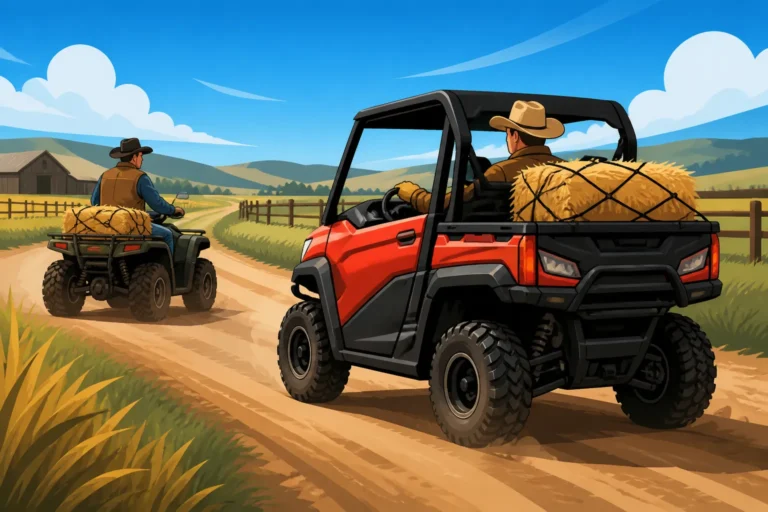
If you bring your Nebraska-titled ATV to Iowa, you will find that it is not legal to ride on Iowa's public trails or OHV parks without an Iowa registration. Even though you have a perfectly valid Nebraska title, that title does not equate to the public land access provided by Iowa's registration system. You would typically need to acquire a non-resident Iowa registration for your machine to legally ride on their public lands, which involves fees and paperwork specific to Iowa. This is a common pitfall for Nebraska riders visiting Iowa. Conversely, an Iowa-registered ATV can be ridden on private land in Nebraska (with permission), and for specific agricultural purposes on Nebraska county roads (adhering to Nebraska's road use laws, which include things like safety flags and speed limits), but it doesn't gain any special privileges just because it's registered in Iowa. For more specific information, consider reading [Nebraska Rules for a Visiting Iowa Rider].
| Feature | Nebraska ATV/UTV Titling | Iowa ATV/UTV Titling & Registration |
|---|---|---|
| Primary Agency | County Treasurer's Office | County Recorder's Office |
| Registration? | No (title only, "Not To Be Registered" notation) | Yes (title AND registration required) |
| Road Use | Generally restricted (exceptions for farm/local ordinance) | Generally restricted (exceptions for farm/local ordinance/city streets with permit) |
| Public Trail Use | No statewide registration for public trail access; check specific park rules | Requires Iowa registration (resident or non-resident) |
| Sales Tax | Collected by County Treasurer at titling | Collected by County Recorder at titling/registration |
| Annual Fees | No annual registration fees | Annual registration fees |
| Titling Deadline | 30 days from purchase | Generally 30 days from purchase for titling |
| Reciprocity for Guests | Iowa registration not recognized for public land use in NE (as no NE registration exists) | Nebraska title not recognized for public land use in IA (IA requires registration) |
Tips for Ensuring Compliance
Given the different approaches, staying compliant when dealing with both Nebraska and Iowa ATV/UTV rules requires a bit of diligence. First and foremost, always verify the current regulations directly with the relevant state or county agency. Laws can change, and what was true last year might not be today. Don't rely solely on word-of-mouth.
Secondly, if you're involved in a private sale crossing state lines, ensure your bill of sale is comprehensive. Using a template from a service like LawDepot can ensure you capture all necessary details, protecting both parties and smoothing the titling process in either state. Always ensure the previous owner's signature is on the title, correctly releasing ownership.
Finally, for riders traveling between states, assume your home state's rules do not automatically apply. If you're going to Iowa, research their non-resident registration requirements for public land use. If an Iowa rider is coming to Nebraska, they should be aware of Nebraska's strict road-use restrictions and the lack of widespread public OHV trails that would recognize an Iowa registration. A little planning and a quick phone call to the appropriate county or state agency can prevent a lot of headaches and keep your riding adventures focused on fun, not fines.
Disclaimer
This article is for general informational purposes only and does not constitute professional advice. Laws, prices and regulations vary by location and change over time. Consult a qualified professional for guidance on your specific situation.