Nebraska Cities With ATV Ordinances
One of the biggest head-scratchers for ATV and UTV riders in Nebraska is figuring out where you can actually take your machine on public roads. It's frustrating when you see a neighbor zipping through town on their side-by-side, but you've heard that ATVs are generally banned from streets. This guide is here to untangle the confusion surrounding municipal ordinances and explain how cities in Nebraska can, and often do, create their own rules for off-highway vehicles on local streets.
The Frustration of City ATV Rules
Let's be honest, trying to understand ATV and UTV laws in Nebraska can feel like navigating a corn maze blindfolded. You've got state laws, county rules, and then, just when you think you've got it figured out, individual cities throw their own ordinances into the mix. It's enough to make you want to just stick to private land, but sometimes, a quick trip down a city street is exactly what you need to get from point A to point B, or to simply enjoy your machine closer to home.
Why City Rules Feel So Confusing
The primary source of confusion often stems from the general state law, [Nebraska ATV Road Rules Under 60-6,356], which restricts ATV use on public roads. It sets a baseline, but then provides carve-outs, particularly for agricultural purposes. However, it also grants local municipalities the power to craft their own regulations. This means what's perfectly legal for your cousin in Yutan might land you a ticket if you try the exact same thing in another town just a few miles down the road. It creates a patchwork of rules that can be incredibly challenging for riders to keep straight, especially if you travel to different areas. You want to be a law-abiding rider, but the ever-changing landscape of local rules makes it a constant guessing game.
The Disconnect Between State Law and Local Ordinances
At the state level, the emphasis has largely been on off-road use, with specific, narrow exceptions for road travel, such as those related to farming or snow removal. For example, [Nebraska's Agricultural Road Exception] is a key provision that allows ATVs on certain roads for farm-related tasks. But many city dwellers, or those who simply enjoy their machines recreationally, want more. They see the utility of a side-by-side for quick errands or getting to a friend's house. This is where the local ordinances come in. While state law generally keeps ATVs off the pavement, cities have the unique authority to override these general prohibitions within their own corporate limits. This disconnect means you can't just assume what's true for the whole state applies to every single town, and that's precisely why it's so critical to do your homework before you ever put a tire on city asphalt.
How Nebraska Cities Can Legally Open Their Streets to ATVs
Despite the statewide restrictions, many cities in Nebraska have recognized the demand from their residents to allow ATVs and UTVs on local streets. This isn't just about fun; for some, it's about convenience, mobility, and the practical use of a versatile machine. The state legislature has provided the framework for cities and even county boards to make these decisions locally.
The Power of Local Ordinances
The key legal mechanism is the local ordinance. Cities and villages in Nebraska possess the authority to adopt specific ordinances that either permit or regulate the operation of ATVs and UTVs on their streets. This is a crucial distinction: these aren't just informal "gentlemen's agreements"; they are legally binding local laws. [How a Town Ordinance Opens Its Streets to ATVs] explains this process in detail. When a city council or village board passes an ordinance, it effectively carves out an exception to the broader state law within that municipality's boundaries. This local control means that towns can tailor rules to their specific community needs, traffic patterns, and resident preferences. It's why you'll find varying requirements from one town to the next, such as different registration fees, operating hours, or even age restrictions.
What an Ordinance Typically Covers
While each city ordinance will have its own unique flavor, there are several common elements you'll typically find. These are designed to ensure safety, minimize disruption, and address liability concerns.
- Registration and Fees: Most cities that allow ATVs on roads require a special local registration. This often involves a yearly fee, like the [Nebraska City's $100 Yearly ATV Registration Fee] or the amount [Yutan Charges $150 to Register an ATV]. This revenue helps cover administrative costs and, sometimes, local enforcement.
- Safety Equipment: Expect requirements for specific safety gear, often including items like mirrors, headlights, taillights, turn signals, and a safety flag. Many riders turn to aftermarket solutions, such as kits from reputable brands like SuperATV, to ensure their machines are properly equipped to meet these street-legal standards. [Nebraska Safety Flag Dimensions] are often specified, including details about height and color.
- Operating Hours and Areas: Ordinances frequently restrict riding to certain hours (e.g., sunrise to sunset) and may designate which streets are permissible. Main state highways or controlled-access roads are almost always off-limits, even within city limits.
- Driver Requirements: You'll usually need a valid driver's license, often a Class O license, as mentioned in [Nebraska Requires a Class O License or Farm Permit]. Age restrictions for drivers and passengers are also common.
- Insurance: Most cities mandate liability insurance for ATVs operated on public roads, aligning with broader state requirements for road-legal vehicles. [Nebraska Requires Liability Insurance on Roads] highlights this importance.
- Speed Limits: A universal rule found in these ordinances is a maximum speed limit, often around [Nebraska's 30 mph Road Limit], even if the posted speed limit for cars is higher. This acknowledges the different handling characteristics of off-road machines.
These common threads help standardize, to an extent, what's expected of riders, even if the exact numbers or specifics vary by town.
Finding and Understanding Specific City ATV Ordinances
Knowing that cities can have ordinances is one thing; finding out if your city, or a city you plan to visit, does is another. It takes a little legwork, but it's absolutely essential before you hit the pavement. Guessing can lead to fines, impoundment, or even accidents.
Where to Start Your Search for Local Rules
The very best place to begin your quest for ATV ordinance information is directly with the source: your local city hall or municipal clerk's office. You can usually find contact information for these offices on the city's official website. Don't be shy about calling them up and asking, "Does our city have an ordinance regarding the use of ATVs or UTVs on city streets?" They might direct you to a specific department, like the police department or city attorney's office, but they are the gatekeepers of this information. Many cities also publish their entire municipal code online, making it easier to search for terms like "ATV," "UTV," or "off-road vehicle." This is often the most efficient way to get the exact text of the ordinance. Another great resource is your local sheriff's department or police department, as they are the ones enforcing these rules and can provide clarity. [What to Ask City Hall Before Riding Streets] covers some excellent questions to pose.
Key Elements to Look For in an Ordinance
Once you get your hands on a potential ordinance, whether it's a printout or an online document, don't just skim it. Every word matters. Here’s a rundown of what you absolutely need to pinpoint:
| Element | What to Look For | Why It Matters |
|---|---|---|
| Definitions | How does the ordinance define "ATV" and "UTV"? Does it include golf carts or dirt bikes? | Ensures your specific machine is covered. |
| Permitted Roads | Does it list specific streets or generally allow "all" city streets (excluding state highways)? | You need to know exactly where you can legally ride. |
| Operating Hours | Are there time restrictions, e.g., "sunrise to sunset"? | Riding at the wrong time can lead to a ticket. |
| Speed Limit | What is the maximum speed allowed for ATVs/UTVs? | Often lower than the car speed limit, critical for safety and compliance. |
| Equipment | What specific lights, mirrors, flags, helmets, or seatbelts are required? | Your machine must be properly equipped before you ride. |
| Driver/Passenger | What age and license requirements apply? Are passengers allowed? | Ensures you and your riders meet legal qualifications. |
| Registration/Fees | What is the process and cost for local registration? Is it annual? | You'll need to complete this before legal street use. |
| Insurance | What are the minimum liability coverage requirements? | Proof of insurance is almost always required for road use. |
| Penalties | What are the fines or consequences for violations? | Understand the risks of non-compliance. [Nebraska Penalties for Illegal Road Riding] |
Pay close attention to any clauses about penalties; understanding the consequences of non-compliance can be a powerful motivator to get it right. Remember, even if you’ve added aftermarket parts like a SuperATV windshield or light bar, always ensure they comply with the specific requirements of the local ordinance.
Examples of Cities That Have Embraced ATVs
While I can't provide an exhaustive, real-time list of every single Nebraska city with an ATV ordinance, it's worth noting that a growing number of communities have embraced the idea. Smaller towns and villages, especially, often find that allowing ATVs and UTVs on local streets makes sense for their residents who use them for everything from quick trips to the store to checking on livestock just outside town. We've seen examples like Yutan, which has a well-known ordinance allowing ATV and UTV operation within its limits, complete with a registration process. Nebraska City also has its own system for registration and fees, allowing residents to use their machines on designated city streets. [Nebraska Cities That Adopt ATV Ordinances] discusses this trend. These cities often view ATVs as a legitimate form of local transportation, provided riders adhere to safety and equipment standards. It's not just about rural areas anymore; even some larger towns are considering or have implemented such rules, showcasing a shift in how these machines are perceived.
Riding Responsibly in Nebraska Towns
So, you've done your homework, found an ordinance, and you're ready to roll on city streets. That's fantastic! But getting legal permission is only half the battle. The other half is ensuring you ride responsibly, safely, and courteously. This isn't just about avoiding a ticket; it's about being a good ambassador for the ATV/UTV community and ensuring these local privileges continue for everyone.
Essential Gear and Machine Setup for City Riding
Before you even think about leaving your driveway, double-check your machine against the specific requirements of the city ordinance. This often means more than just the basics you use for trail riding.
- Lights, Signals, and Horn: A bright headlight and taillight are usually non-negotiable. Turn signals, both front and rear, are almost always required for road use, similar to any other vehicle. A working horn is also crucial for communication in traffic. If your stock system isn't cutting it, aftermarket kits from companies like SuperATV can provide robust, compliant solutions, ensuring you're seen and heard.
- Mirrors: You'll need at least one rearview mirror, and often two, to give you a full view of traffic behind you.
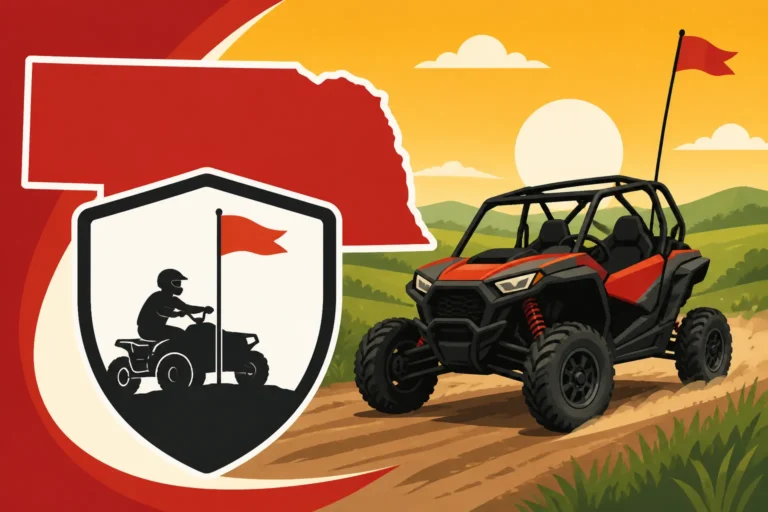
- Safety Flag: Many ordinances will specify a safety flag, mounted at a minimum height (often [5 Feet Above the Ground]), with particular dimensions and colors (e.g., day-glow orange). This makes your machine more visible to other drivers, especially over hills or around blind corners.
- Helmets: While Nebraska state law doesn't mandate helmets for ATVs, individual city ordinances might. Even if not required, wearing a helmet is always a smart choice for your safety.
- Tires and Condition: Ensure your tires are in good condition and suitable for pavement if you'll be doing a significant amount of street riding. Knobby off-road tires can wear quickly and handle differently on asphalt. Also, confirm your brakes, steering, and suspension are all in excellent working order.
Taking the time to equip your machine properly isn't just about legality; it's about making your ride safer for yourself and everyone else on the road.
Respecting the Rules and Your Community
Riding on city streets is a privilege, not a right, especially for off-highway vehicles. Every time you ride in town, you're representing the entire ATV/UTV community.
- Follow Traffic Laws: This goes without saying, but it's worth emphasizing: obey all traffic signals, stop signs, and speed limits. Remember the [Nebraska's 30 mph Road Limit] often applies to ATVs even if cars can go faster. Use proper hand signals if your turn signals aren't visible or working.
- Be Visible and Predictable: Your safety flag and proper lighting make you visible. Riding predictably, signaling your turns well in advance, and maintaining a steady speed helps other drivers anticipate your movements.
- Minimize Noise and Dust: While ATVs and UTVs are inherently louder than passenger cars, try to minimize excessive noise, especially in residential areas. Avoid unnecessary revving. If you're on a gravel portion of a city road, be mindful of dust, especially around homes.
- Stay on Permitted Roads: Resist the temptation to take shortcuts through parks, sidewalks, or private property, even if it seems quicker. Stick strictly to the streets designated by the ordinance. Going off-pavement where it's not permitted is a surefire way to jeopardize the local ordinance for everyone.
- Be Courteous to Others: Share the road respectfully with cars, bicycles, and pedestrians. A friendly wave or nod can go a long way in fostering a positive image for ATV riders.
By riding responsibly and showing respect for the community, you help ensure that these valuable local ordinances remain in place, allowing more Nebraska riders to enjoy their machines in a sensible and safe manner.
Disclaimer
This article is for general informational purposes only and does not constitute professional advice. Laws, prices and regulations vary by location and change over time. Consult a qualified professional for guidance on your specific situation.