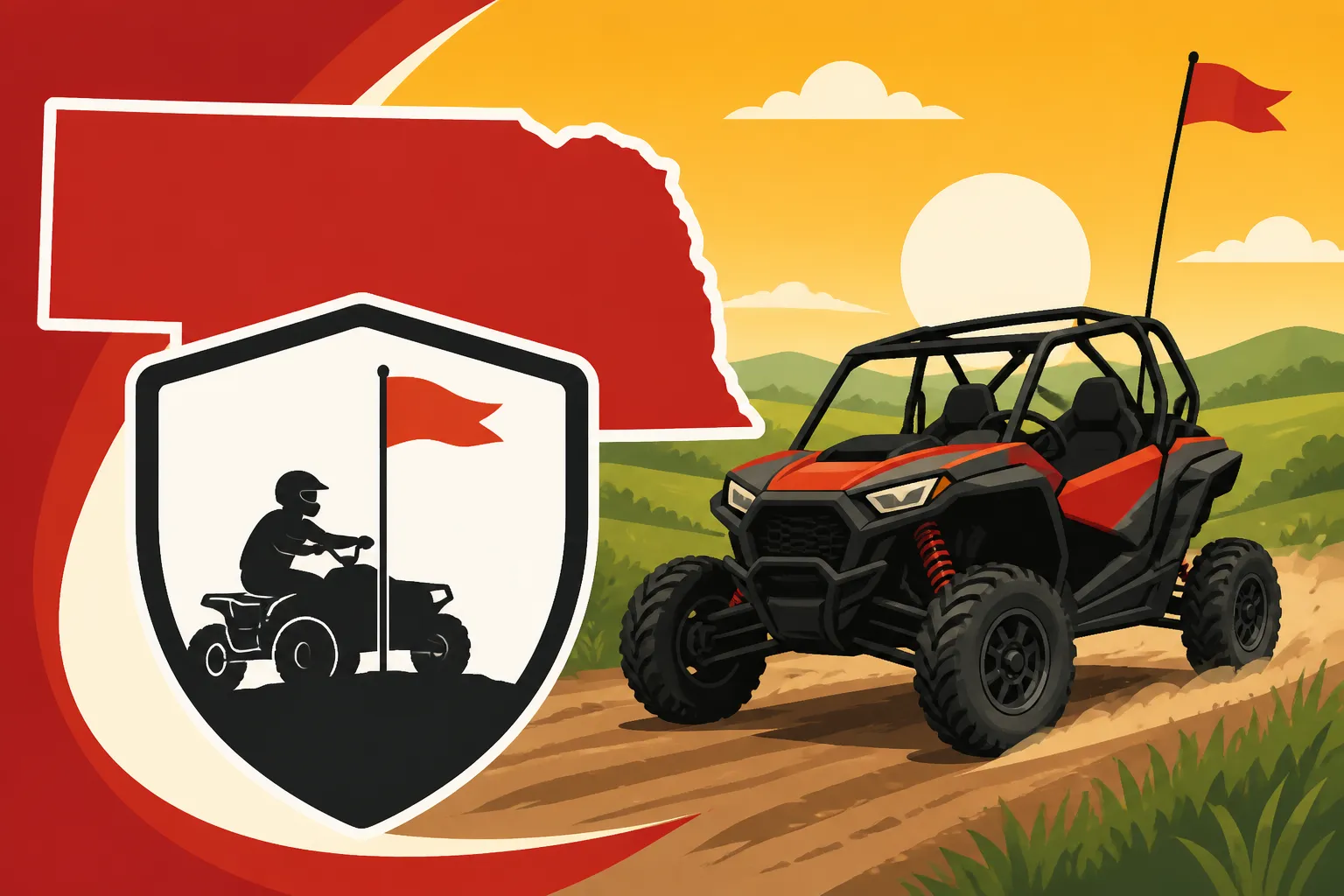
Nebraska’s 5-Foot Safety Flag Rule
Navigating the world of ATV and UTV regulations in Nebraska can feel like trying to find your way through a corn maze blindfolded. Just when you think you've got a handle on titles, taxes, and where you can actually ride, another specific rule pops up. One of those often-puzzling requirements for anyone venturing onto certain public roads is the 5-foot safety flag. It's a critical piece of equipment that many riders overlook or misunderstand, and getting it wrong can lead to unnecessary headaches. This comprehensive guide is here to unravel the mystery of Nebraska's safety flag rule, explaining not just what it is, but why it's so important for your safety and legal compliance.
Why the Safety Flag Exists: More Than Just a Decoration
When you first hear about a mandatory "5-foot safety flag," you might wonder if it's just another arbitrary rule. But trust me, as someone who's spent countless hours riding the trails and roads of our great state, this little flag plays a huge role in keeping everyone safe. It's not about making your machine look like a parade float; it's about making sure you're seen, especially in situations where visibility is compromised.
The Core Reason: Enhancing Visibility
Think about it: ATVs and UTVs, while incredibly capable, are much smaller than the cars, trucks, and even tractors that share Nebraska's rural roads. They sit lower to the ground, and their profile can easily be obscured by dips in the road, crops growing alongside the right-of-way, or even other vehicles. The primary purpose of that tall, bright flag is to create an extended visual profile for your machine. It's an early warning system for other drivers, letting them know that something is there, even if they can't see the machine itself yet. This is especially true on those rolling gravel roads where a crest can hide an approaching vehicle until the last second. Without that flag, you're relying solely on your machine's standard lights and profile, which can be insufficient in many common scenarios.
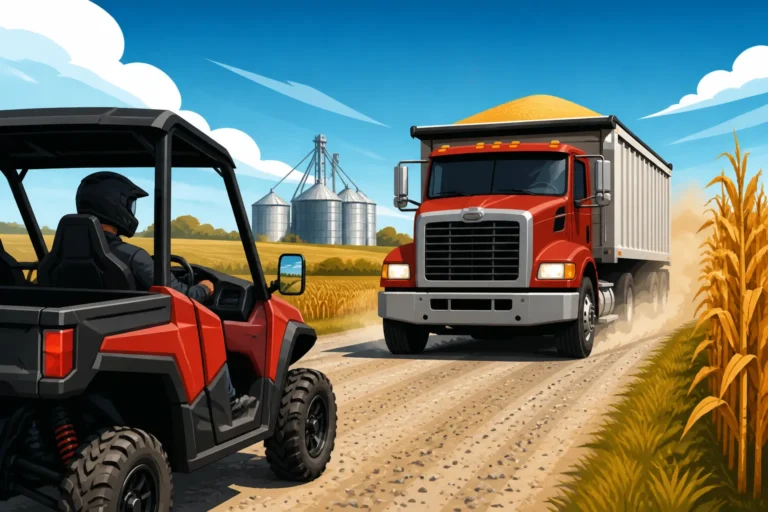
Imagine you're cresting a hill on a gravel road, or perhaps driving along a ditch in an area with tall corn. From the perspective of an oncoming pickup truck or even a combine, your quad or side-by-side can be incredibly hard to spot until they are almost right on top of you. That 5-foot flag acts like a periscope, extending above the immediate visual clutter and announcing your presence well in advance. This extra warning time can be the difference between a close call and a serious accident, giving other drivers precious seconds to react, slow down, and provide ample space.
Overcoming Terrain Challenges and Blind Spots
Nebraska's diverse landscape, from the rolling Sandhills to the flat, open farmlands, presents unique challenges for ATV and UTV riders. The terrain isn't always flat and predictable, and visibility can change rapidly. Beyond the crests and dips we just talked about, consider dust clouds on dry days. On a busy weekend, if you're riding with a group, the lead machine can kick up a significant amount of dust, making it nearly impossible for following vehicles (and even other riders) to see what's ahead. A flag waving above the dust can still be visible, guiding the way and signaling your position.
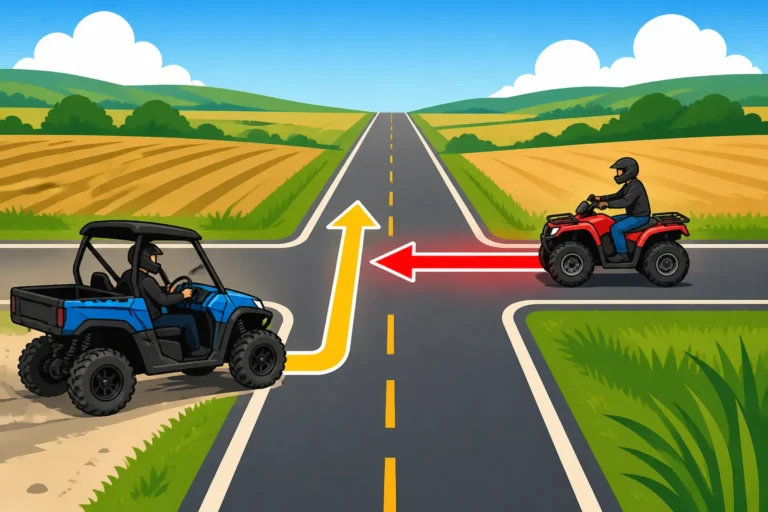
Moreover, many agricultural roads, which are often the very places ATVs and UTVs are legally permitted to operate, are lined with tall fences, dense vegetation, or, during growing season, towering crops like corn or soybeans. These natural barriers create significant blind spots, particularly at intersections or when entering a roadway from a field. The flag, extending high above these obstacles, can be seen over the top, alerting others to your presence before your machine itself becomes visible. This greatly reduces the risk of collisions at these tricky points. It's about safety in situations where the machine's actual size is a disadvantage.
A Nod to Nebraska's Unique Landscape
It's clear that the rule for [Why Road-Legal ATVs Need a 5-Foot Safety Flag] wasn't just pulled out of thin air. It's a thoughtful consideration for the specific environment in which many Nebraskans operate their ATVs and UTVs. Our state has a strong agricultural backbone, and off-road machines are often used for farm work, ranching, and general utility tasks that necessitate occasional travel on county roads. Unlike states with extensive dedicated ATV trail systems where machines rarely interact with larger public road traffic, Nebraska's legal framework for ATVs on roads is heavily influenced by their practical use in rural settings.
The safety flag rule reflects this reality, acknowledging that these machines will share roadways with everything from passenger cars to large farm equipment. It's a proactive measure to mitigate the inherent risks of mixing small, fast-moving ATVs with larger, slower, or less maneuverable vehicles. The emphasis on high visibility, particularly the 5-foot height, directly addresses the issue of being seen amidst the backdrop of fields, fences, and the occasional rolling terrain that defines much of our state. It's a practical safety measure for a practical state.
Unpacking the Specifics: What the Law Actually Says
Understanding the "why" behind the safety flag rule is important, but equally crucial is knowing the "what." The law is pretty specific about the requirements for this flag, and simply sticking any old flag on your machine might not cut it. We need to dive into the nitty-gritty details to ensure you're fully compliant and avoiding any potential issues with law enforcement.
Dimensions and Placement: Getting it Right
The Nebraska statute is quite clear on the physical characteristics of the safety flag. It specifies that the flag must be at least five feet above the ground when the ATV or UTV is on a level surface. This isn't just a suggestion; it's a mandatory minimum height. This means you need to measure from the ground to the very top of your flag, not just the pole itself. This height ensures that the flag rises above most vehicles' hood lines, crop levels, and other common visual obstructions, as discussed earlier.
Furthermore, the flag itself must be triangular in shape and have a minimum side length of at least ten inches. So, if you're picturing a small, rectangular flag like you might see on a bicycle, think again. The triangular shape is important for visibility, and the ten-inch minimum side length ensures it's substantial enough to be easily seen from a distance. For specific details on [How Big the Triangular Safety Flag Has to Be], it's important to keep these dimensions in mind when purchasing or making your flag. Mounting it securely to your machine, typically at the rear, is also critical. It needs to withstand wind, bumps, and vibrations without detaching or drooping, which would defeat its purpose. Many riders opt for a durable, flexible whip pole that can handle the rigors of off-road and road use. Companies like SuperATV offer a variety of flag whips and mounts designed for this kind of application, often built to withstand tough conditions.
The "Day-Glow" Requirement: Colors and Materials
Beyond just size and height, the law also dictates the color and material properties of the flag. It must be "day-glow" in color. What does "day-glow" mean in practical terms? It refers to those incredibly bright, almost neon, colors that really pop and grab attention, even in low light conditions or against a busy background. Think fluorescent orange, lime green, or bright yellow. These colors are specifically chosen because they are highly conspicuous and have excellent contrast against most natural and man-made environments. The goal is to maximize visibility, and traditional red, blue, or white flags simply won't have the same impact.
The statute also specifies that the flag must be "orange or other fluorescent color." While orange is explicitly mentioned as a highly effective choice, other fluorescent colors are acceptable as long as they meet the "day-glow" criteria. The key is visibility. When thinking about [Day-Glow Orange and the 30-Square-Inch Flag Rule], remember that the material itself also needs to be durable and resistant to fading from UV exposure, as a faded flag loses its critical "day-glow" properties over time. A flag that is dirty, torn, or significantly faded will not meet the spirit, or potentially the letter, of the law, and could still lead to issues.
Essential Equipment Checks by Deputies
It's not just about having the flag; it's about having the right flag, properly installed and maintained. Law enforcement officers, particularly those patrolling rural areas, are often well-versed in ATV and UTV regulations. They understand the safety implications of these rules and will conduct equipment checks if they see an ATV operating on a public road. A deputy stopping you on a county road will be looking for a few key things: Is the flag present? Is it at least 5 feet high? Is it triangular and at least 10 inches on a side? Is it a day-glow color?
If your flag doesn't meet these specific requirements, or if it's missing entirely, you could face a citation. These aren't minor infractions; they carry fines and potentially court costs. Deputies are not just looking for a simple flag; they are ensuring compliance with a critical safety measure. So, before you head out, make it a habit to do a quick check of your flag. Is it securely mounted? Is it clean and brightly colored? Is it standing tall at the required 5 feet? Proactively checking your equipment can save you a lot of hassle and expense down the road. It’s part of the broader set of rules that dictate [What Paperwork a Deputy Can Ask to See] and what equipment they expect to see.
Who Needs a Safety Flag? Understanding the Riders and Machines
The safety flag rule isn't universal for all ATV and UTV use in Nebraska. It specifically applies to certain scenarios and types of machines. Understanding these distinctions is crucial, as you don't want to get caught off guard. It largely boils down to where you're riding and for what purpose.
When Road Use Triggers the Flag Rule
The 5-foot safety flag rule primarily comes into play when you're operating your ATV or UTV on public roads that are legally open to these machines. Nebraska law, while generally restricting ATVs from state highways and controlled-access roadways, does provide exceptions for certain county roads and city streets, often by local ordinance or for specific agricultural purposes. When you are utilizing one of these legal road-riding avenues, that's when the flag becomes mandatory.
This means if you're just riding on private property, like your own farm, a friend's ranch, or a dedicated off-road park like Bessey, the safety flag rule typically doesn't apply. However, the moment your wheels touch a public road, even if it's just to cross a highway at a ninety-degree angle or travel a short distance between fields, the flag must be in place and compliant. Many riders underestimate how quickly "private" can turn into "public" when moving between properties or accessing different parts of a large farm. It's a good habit to keep the flag on your machine if there's any chance you'll be on a public road, even briefly. Remember, [Three Ways ATVs Can Legally Use Nebraska Roads], and if you're using any of them, the flag is part of the deal.
Farm Machines and the Road: Special Considerations
Nebraska's ATV road laws are, in many ways, written around the state's agricultural heritage. There are specific exceptions and allowances for the use of ATVs and UTVs for agricultural purposes on public roads. This is where the language of the law often touches upon [Why the ATV Road Law Was Written Around Farming]. For example, if you're using your ATV to check fences, move livestock, or get to another field, these activities often fall under the agricultural exemption. However, even with these exemptions, the moment you transition to a public roadway, the safety flag rule still applies.
This is a point of confusion for many. Some assume that if their machine is being used for "farm use," all road rules are waived. This isn't the case. While you might be exempt from certain licensing requirements (if you hold a farm permit instead of a Class O license) or allowed on roads for specific purposes, the safety equipment requirements, including the 5-foot flag, generally remain in effect for those [Nebraska Farm Trips Outside City Limits]. The flag is a safety device designed to protect all road users, not just those engaged in non-agricultural activities. So, whether you're heading to the feedlot or checking irrigation pivots, if you're on a public road, make sure that flag is flying high.
Side-by-Sides and Other Utility Vehicles
The safety flag rule isn't limited to traditional quad-style ATVs. It applies equally to UTVs, often referred to as side-by-sides. These machines, while generally larger and often more stable than traditional ATVs, still share the same visibility challenges when operating on public roads. In fact, their wider profile can sometimes create different types of blind spots or be mistaken for smaller agricultural equipment, making the flag even more crucial for distinguishing them.
Whether you're driving a compact utility UTV or a larger, multi-passenger side-by-side, the legal requirements for the 5-foot safety flag are identical. The law doesn't differentiate based on the number of wheels or whether it has a steering wheel versus handlebars. If it's an off-road vehicle operating on a public road where such use is permitted, the flag is a must. This also extends to similar machines like certain utility vehicles that might not be classified strictly as ATVs or UTVs but fall under the same broader category of off-road machines for road use purposes. Always err on the side of caution and equip your side-by-side with a compliant flag if you plan on any road use.
Beyond the Flag: Other Essential Road-Legal Requirements
While the 5-foot safety flag is a distinctive and critical component of road-legal ATV and UTV operation in Nebraska, it's by no means the only requirement. Operating these machines on public roads involves a holistic set of rules designed to ensure safety for everyone. Ignoring these other regulations, even if your flag is perfectly compliant, can still lead to fines, accidents, or worse.
Lighting Up: Headlights, Taillights, and Reflectors
Visibility isn't just about being seen during the day with a flag; it's about being visible in all conditions, especially from dusk till dawn. Nebraska law [Nebraska Lighting Requirements on a Machine] requires ATVs and UTVs operating on public roads to have proper lighting equipment. This includes an operational headlight that emits a white light visible from a certain distance, and a taillight that emits a red light, also visible from a set distance. Furthermore, the law specifies the need for a brake light if the machine is equipped with brakes.
Beyond functional lights, many machines benefit from additional reflective tape or markings, especially on their rear and sides, to enhance passive visibility. While the flag is excellent for daytime, those headlights and taillights are your lifeline when the sun dips below the horizon or on overcast days. It's not enough to just have them; they must be clean, functional, and switched on whenever you're operating on a public road, even during daylight hours in some instances. Always check your lights before heading out, especially if you anticipate any riding near dawn or dusk.
Insurance and Licensing: The Legal Backbone
Before you even think about putting a wheel on a public road, you need to ensure you're properly licensed and insured. Nebraska law is unequivocal: [Nebraska Requires Liability Insurance on Roads] for any ATV or UTV operating on public roads. This isn't optional; it's a legal requirement designed to protect you and others in the event of an accident. The minimum liability coverage amounts are generally the same as those for passenger vehicles, so you'll need to contact your insurance provider to ensure your policy meets these state requirements. Some companies like Progressive or State Farm offer specific ATV/UTV insurance policies that can cover road use.
In terms of licensing, the operator must hold a valid Class O operator's license (a standard driver's license) or a farm permit. A farm permit generally allows for operation of ATVs on roads for agricultural purposes. It's vital to understand the nuances of [Nebraska Requires a Class O License or Farm Permit] to ensure you're legally permitted to operate the machine on the road. Letting an unlicensed rider, or someone without the proper permit, operate your machine on a public road can lead to significant legal troubles for both the rider and the machine owner. These are fundamental requirements that underscore responsible road use.
Speed Limits and Crossing Rules: Staying Safe
Even when legally on the road, ATVs and UTVs are not regular vehicles. They have different handling characteristics and are subject to specific operational rules. One of the most critical is the speed limit: Nebraska's general rule for ATVs on allowed roads is [Nebraska's 30 mph Road Limit]. You cannot exceed 30 miles per hour, even if the posted speed limit for cars is higher. This lower speed limit is a safety measure, recognizing the design and capabilities of ATVs and UTVs.
Furthermore, there are strict rules for crossing highways. ATVs are generally not allowed to travel on state highways or controlled-access roads, but they can cross them. This must be done at a ninety-degree angle to the highway, and only after coming to a complete stop and yielding to all traffic. These crossing rules are designed to minimize the time an ATV is exposed to high-speed traffic. Failing to adhere to these operational rules can be incredibly dangerous and is a surefire way to incur a citation. Knowing and following these specific guidelines is just as important as having your flag in place.
Choosing the Right Flag and Mount: Practical Considerations
Okay, so you understand why you need a flag and what the law says. Now, let's get practical. How do you choose the right flag and ensure it's properly installed for safe and compliant riding? This isn't just about slapping something on; it's about making a durable, visible choice that will stand up to the elements and the rigors of off-road use.
Material Matters: Durability and Visibility
When selecting your flag, think about durability. It's going to be exposed to sun, wind, rain, dust, and possibly even mud. A cheap, flimsy flag will quickly fray, fade, or tear, losing its "day-glow" properties and its structural integrity. Look for flags made from robust, weather-resistant materials like heavy-duty nylon or polyester, often found in marine or outdoor sporting goods. These materials are designed to withstand UV degradation and harsh weather, ensuring your flag remains vibrant and intact for many seasons.
The flag material should also be thick enough not to become completely transparent when wet or when the sun shines through it, which could diminish its visibility. While the flag's primary purpose is visual, some riders also opt for a reflective material or reflective strips incorporated into the flag for enhanced night visibility, although this isn't strictly required by Nebraska law, it's a smart safety addition. The whip pole itself should be flexible enough to bend without snapping, often made from fiberglass or a similar composite, to prevent damage during aggressive riding or unexpected impacts.
Mounting Options: Secure and Compliant
The mounting of your flag is just as important as the flag itself. It needs to be secure enough to stay put, even when bouncing over rough terrain or traveling at 30 mph on a windy day. Common mounting locations include the rear bumper, roll cage (for UTVs), or a dedicated flag mount accessory. Many aftermarket companies, including SuperATV, offer robust flag mounts that bolt directly to the frame or roll cage, providing a solid anchor point for your flag whip. Avoid flimsy clamp-on mounts that can vibrate loose or break.
Consider a quick-release mounting system if you frequently remove your flag for trailering, storage, or when riding exclusively on private land where it's not needed. This allows for easy attachment and detachment without compromising security. When installing, ensure the mount doesn't interfere with your machine's operation, visibility of lights, or any safety features. The goal is to get that flag at least 5 feet off the ground, so a good sturdy whip and mount are crucial. Don't cheap out on the mount; it's what keeps your flag flying high and you compliant.
Maintenance and Inspection: Keeping Your Flag Road-Ready
Once you've installed your flag, your job isn't done. Regular maintenance and inspection are vital to ensure it remains road-ready and compliant. Make it part of your pre-ride checklist, just like checking your tires and fluids.
- Check for Fading: Over time, even the best "day-glow" colors will fade from sun exposure. If your flag starts to look dull or washed out, it's time for a replacement. A faded flag is a less visible flag.
- Inspect for Tears and Fraying: Wind, branches, and general wear and tear can cause rips and tears. A tattered flag won't fly properly and can become less visible. Replace it promptly if you notice significant damage.
- Examine the Whip Pole: Look for cracks, bends, or signs of fatigue in the fiberglass or composite pole. A damaged whip can snap, sending your flag flying off your machine.
- Verify Mount Security: Periodically check that your flag mount is still tightly secured to your machine. Bolts can loosen from vibrations over time. A loose mount can cause the flag to wobble excessively or even detach.
- Keep it Clean: Dust, mud, and road grime can quickly coat your flag, obscuring its bright color. A quick rinse with water and mild soap will help maintain its visibility.
By dedicating a few minutes to these checks, you can ensure your flag continues to serve its critical safety function and keeps you compliant with Nebraska law.
Common Misconceptions and Avoiding Penalties
Despite the clear language in the law, there are still quite a few misconceptions surrounding Nebraska's 5-foot safety flag rule. These misunderstandings can easily lead to costly tickets or, more importantly, dangerous situations. Let's clear up some of the most common myths and discuss how to avoid those dreaded penalties.
"Just for Sandhills" and Other Urban Legends
One of the most persistent myths is that the safety flag is "only for the Sandhills" or "only for specific dune areas." This simply isn't true for Nebraska's road-use law. While safety flags are indeed common and often mandatory in designated dune riding areas (which we don't have extensively in Nebraska like some other states), the 5-foot flag requirement for road use in Nebraska applies statewide wherever an ATV or UTV is legally operated on a public road. It doesn't matter if you're in the Pine Ridge, the eastern farmland, or the heart of the Sandhills; if you're on a county road, the flag rule applies.
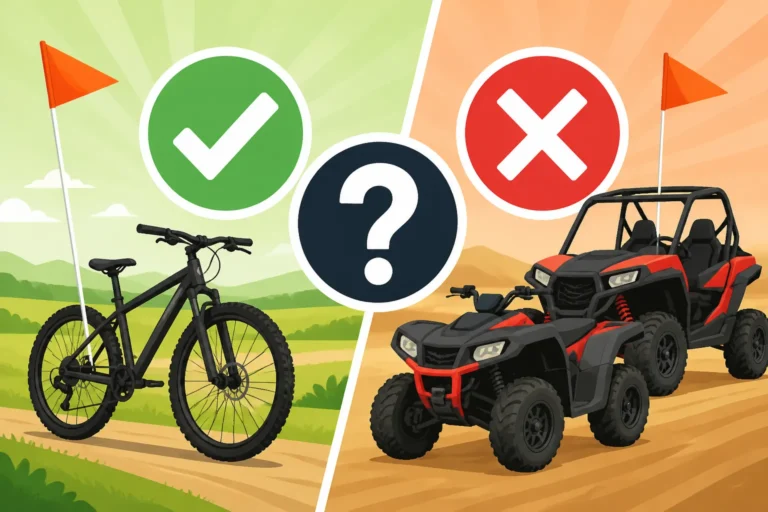
Another misconception is that smaller, bicycle-style safety flags are sufficient. As we've discussed, the law specifically calls for a triangular flag with a minimum 10-inch side length and a "day-glow" color, mounted at least 5 feet high. A small, often rectangular, orange flag on a short pole, while great for a bicycle, does not meet the legal requirements for an ATV or UTV in Nebraska. Don't rely on hearsay or what you've seen in other states. Always refer to Nebraska's specific statutes.
The Cost of Non-Compliance: Tickets and Court Costs
Ignoring the 5-foot safety flag rule isn't just a minor oversight; it's a ticketable offense. If a law enforcement officer pulls you over and determines your machine is not equipped with a compliant flag while on a public road, you can expect to receive a citation. The specific fine amount can vary by jurisdiction, but these tickets are rarely cheap. Beyond the initial fine, you'll often be on the hook for court costs and administrative fees, even if you just pay the ticket and don't contest it. For details, you can look into [Nebraska Ticket Costs for Road Riding].
A ticket also means a mark on your driving record, which could potentially impact your insurance rates, especially if combined with other violations. In some cases, if the lack of a flag is deemed a significant safety hazard, it could even lead to your machine being impounded, though this is less common for a first offense of a missing flag alone. The bottom line is that the cost of a compliant safety flag and whip is a small investment compared to the potential financial and legal headaches of receiving a ticket. It's truly a case where an ounce of prevention is worth a pound of cure.
Ensuring Your Compliance Before Every Ride
The best way to avoid penalties and ensure your safety is to make pre-ride compliance checks a routine. Before you head out, especially if there's any chance you'll be on a public road, run through a quick checklist. This isn't just for the flag; it's for all your road-legal equipment.
Nebraska ATV/UTV Road Readiness Checklist
| Item | Requirement | Check Before Ride |
|---|---|---|
| 5-Foot Safety Flag | At least 5 ft above ground, triangular, 10-inch minimum side, day-glow orange/fluorescent color, secure. | ✅ |
| Headlight | Operational, white light, visible from required distance, on when needed. | ✅ |
| Taillight | Operational, red light, visible from required distance, on when needed. | ✅ |
| Brake Light | Operational (if equipped), red light, visible when braking. | ✅ |
| Reflectors | Properly placed for enhanced visibility (recommended). | ✅ |
| Insurance | Current liability policy meeting Nebraska minimums for road use. | ✅ |
| Operator License | Valid Class O (driver's license) or farm permit for operator. | ✅ |
| Speed | Awareness of [Nebraska's 30 mph Road Limit] on public roads. | ✅ |
| Crossing Rules | Understanding 90-degree crossing, full stop, yielding traffic. | ✅ |
| Title | Machine has a valid Nebraska title (required for road use). | ✅ |
This checklist should become second nature. It takes only a couple of minutes but can save you from a major headache. Remember, the goal of these rules, including the safety flag, is not to restrict your fun, but to ensure that everyone, including ATV and UTV riders, can share Nebraska's roads safely and responsibly.
Disclaimer
This article is for general informational purposes only and does not constitute professional advice. Laws, prices and regulations vary by location and change over time. Consult a qualified professional for guidance on your specific situation.