Can a Farm Permit Replace a Driver’s License?
It's a common question that pops up in conversations around the farm, at the local diner, or even out on the trails: "Can I just use my farm permit to drive my ATV or UTV on the road in Nebraska instead of needing a full driver's license?" It's a really understandable point of confusion, especially since many folks use these machines primarily for agricultural work, and there are specific provisions for farm-related travel. The short answer, as with many legal questions, isn't a simple "yes" or "no" for every situation, and getting it wrong can lead to some real headaches, like tickets or even insurance problems. This guide is here to untangle the Nebraska rules and help you understand exactly when and how a farm permit applies to your ATV or UTV road use, and when you absolutely need that Class O driver's license.
Understanding Nebraska's Farm Permit for Road Use
The Nebraska farm permit is a unique animal in the world of driver licensing. It's designed to allow individuals, particularly younger folks or those whose primary need for driving is agricultural, to operate certain vehicles on public roads for specific farming purposes. It's easy to see why someone with an ATV or UTV used almost exclusively for checking fences, hauling feed, or moving equipment between fields might assume this permit covers their road use. But the devil, as they say, is in the details.
What is a Nebraska Farm Permit, Really?
At its core, a Nebraska farm permit, often referred to as a "farm permit" or "restricted permit," is a provisional license with very specific limitations on who can drive, what they can drive, and where and when they can drive. It's primarily intended for individuals engaged in agricultural operations, allowing them to operate farm trucks, certain farm tractors, or other farm equipment on public roads. The emphasis here is heavily on tasks directly related to the farm. Think of a 14-year-old driving a tractor down the road to help a neighbor bale hay, or moving a combine from one field to another. This permit acknowledges the practical realities of farming life in Nebraska, where public roads often serve as necessary conduits between different parts of an agricultural operation.
It's not a free pass to drive any vehicle, any time, anywhere. The state issues it with a very clear purpose in mind: to facilitate essential agricultural work that requires crossing or traveling short distances on public thoroughfares. This distinction is crucial when considering ATVs and UTVs, as their role in farming, while significant, isn't always viewed identically to a tractor or a combine under the letter of the law. You'll often find that the rules are written around the traditional large farm equipment, and ATVs and UTVs sometimes fall into a grey area that needs careful interpretation.
How a Farm Permit Differs from a Standard Driver's License
The differences between a farm permit and a standard Class O (operator's) driver's license are substantial and foundational to understanding why a farm permit can't simply replace a regular license for most ATV/UTV road use. A standard Class O license grants you the privilege to operate most passenger vehicles, light trucks, and, significantly, ATVs and UTVs on legally designated roads, subject to general traffic laws. It implies a broad range of driving competency and knowledge of the rules of the road.
A farm permit, on the other hand, is much more restrictive. It typically comes with age limitations (often available to individuals younger than the minimum age for a Class O license) and severe restrictions on the type of vehicle, the purpose of the trip, and even the time of day it can be used. For instance, a farm permit holder might be prohibited from driving outside specific daylight hours or beyond a certain radius from the farm. These restrictions are put in place because the permit holder hasn't necessarily met all the comprehensive requirements for a full driver's license, nor has the state assessed their ability to navigate all driving scenarios. When a deputy checks your documentation, they're looking for [What Paperwork a Deputy Can Ask to See], and if you're on a public road, the type of license you carry will be front and center.
The key takeaway is that a farm permit is a tool for a very specific job: supporting agricultural operations. It doesn't convey the general driving privileges that a Class O license does, which is why relying solely on it for broader ATV or UTV road use is often a mistake.
Who Qualifies for a Farm Permit in Nebraska?
Qualifying for a Nebraska farm permit involves meeting specific criteria, typically related to age and the nature of the driving activity. Generally, individuals as young as 14 years old can apply for a farm permit, which is a couple of years younger than the minimum age for a full Class O license. This lower age limit is a clear indication that the permit is designed to enable young people to contribute to family farming operations.
To qualify, applicants usually need to demonstrate that they are engaged in agricultural pursuits. This means the driving they do on public roads must be directly related to farming or ranching. For example, driving a tractor to spray a field across the highway, moving a load of hay, or transporting farm equipment would fall under this umbrella. The permit is not for recreational driving, commuting to school or a non-farm job, or running personal errands. It's strictly tied to the needs of the farm.
Furthermore, there are often requirements for parental consent if the applicant is a minor, and the application process typically involves a driving test specific to farm equipment and knowledge of traffic laws relevant to agricultural vehicles. It's a rigorous process to ensure that even with limited privileges, the permit holder understands their responsibilities and can operate safely on public roads. These specific requirements underscore the permit's narrow scope and its intended use, which is critical to remember when you're considering using it for your ATV or UTV.
ATV/UTV Road Use Rules and the Driver's License Requirement in Nebraska
Nebraska law has specific provisions regarding the use of ATVs and UTVs on public roads, and these rules are distinct from those governing larger farm equipment. While an ATV or UTV might be a crucial piece of farm machinery, its classification and the corresponding driver's license requirements for road use are often different. This is where many riders get tripped up, assuming that because their machine is used on the farm, a farm permit automatically covers all road travel.
When a Driver's License (or Class O) is Absolutely Required for ATVs on Roads
For most instances of legal ATV or UTV road use in Nebraska, a valid Class O (operator's) driver's license is absolutely essential. The state's general statute for ATV road use, [Nebraska ATV Road Rules Under 60-6,356], outlines the conditions under which these machines can even touch a public roadway, and a key component of those conditions is the operator's licensing. If you're riding your ATV or UTV on a county road, a city street (where ordinances permit it), or crossing a highway, you need to possess a standard driver's license. This applies whether you're heading to the general store, meeting friends, or simply moving your machine from one part of town to another for recreational purposes.
Even when local ordinances open up city streets to ATVs and UTVs, they almost universally stipulate that the operator must be a licensed driver. This isn't just a suggestion; it's a legal requirement designed to ensure that anyone operating a motorized vehicle on public thoroughfares has demonstrated a basic level of driving competence and understands traffic laws. Without a Class O license, you're not just risking a ticket; you're operating illegally. It's a critical piece of information that many new owners, or those relocating from other states, often overlook.
The Specific "Agricultural Road Exception" and Its Nuances
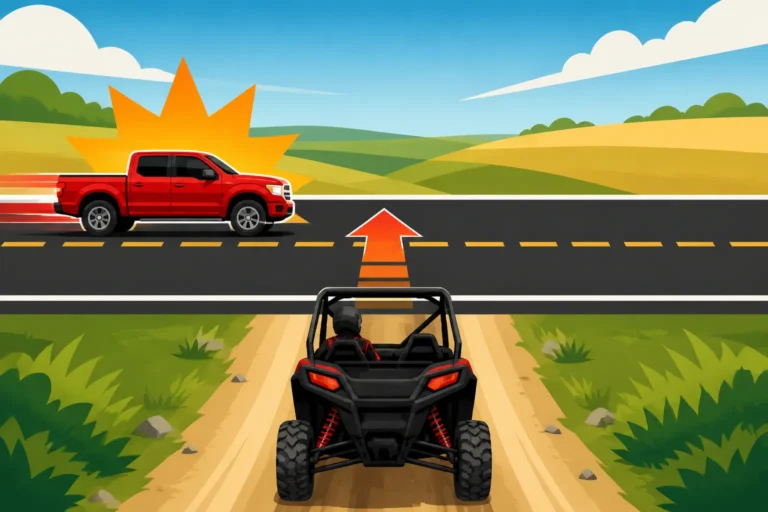
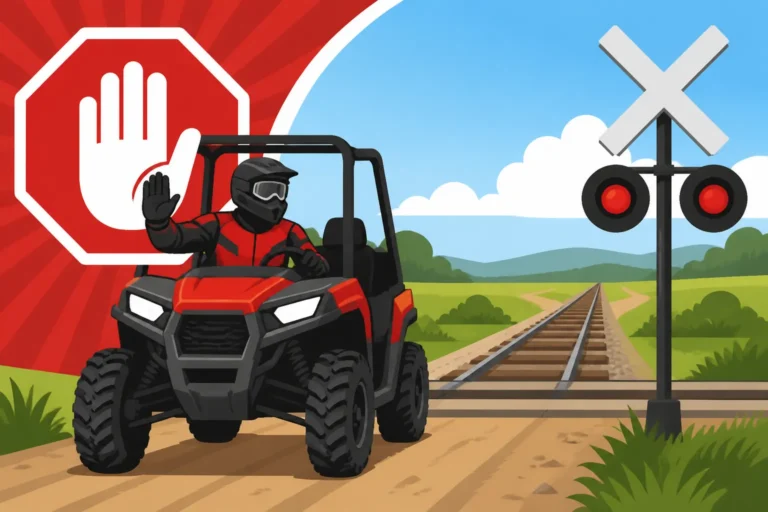
Now, here's where the farm permit question truly comes into play: the "agricultural road exception." Nebraska law does indeed make allowances for ATVs and UTVs used for legitimate agricultural purposes to travel on public roads, and this is where the question [Can a Farm Permit Replace a Driver's License?] becomes most relevant. The law provides for specific circumstances where an ATV or UTV can be operated on public roads when directly engaged in agricultural operations. This is distinct from recreational use or general transportation. The statute, specifically [Nebraska's Agricultural Road Exception], details that these machines can be used for agricultural purposes outside city limits, under certain conditions.
These conditions include:
- Purpose: The operation must be for an agricultural purpose, such as farming, ranching, or livestock management. This means checking cattle, hauling tools to a field, or moving between adjacent farm properties.
- Road Type: Generally, this applies to county roads or crossing highways, not typically within city limits unless a specific ordinance allows it for farm purposes.
- Other Requirements: The machine itself must meet certain safety requirements, like a 5-foot safety flag, headlights, taillights, and often turn signals. Liability insurance is also usually required for road use.
In these very specific agricultural contexts, a farm permit can sometimes allow an individual to operate an ATV or UTV on the road, particularly if they meet the age and other requirements for that permit. For instance, a 14-year-old with a valid farm permit could potentially drive a UTV across a county road to move watering tanks on the family ranch, provided all other conditions (like vehicle equipment and insurance) are met. However, it's paramount to understand that "agricultural purpose" is narrowly defined. Driving to buy groceries, even if you live on a farm, is not an agricultural purpose. It has to be an integral part of the farming operation. This is also where you might consider equipment from a brand like SuperATV, known for its utility and heavy-duty accessories, which could be beneficial for such agricultural tasks.
Limitations of the Farm Permit for General ATV/UTV Riding
Even with the agricultural exception, it's critical to understand that a farm permit has severe limitations for general ATV/UTV riding. It simply cannot be used as a substitute for a full Class O driver's license for recreational use, personal errands, or any non-agricultural travel on public roads. If you're planning a fun weekend ride on designated trails, or if your local town has an ordinance opening its streets to ATVs, you will need a standard driver's license. The farm permit won't cover you in these scenarios.
Consider a rider who uses their UTV during the week for ranch work, relying on their farm permit to occasionally cross a county road. Come Saturday, if they want to load that same UTV onto a trailer and head to a riding park like Bessey or Cedar Run, their farm permit means nothing for their ability to operate the machine on public roads to get there, or even on designated city streets near the park if permitted. For that, they'd need a Class O license. The distinction between "agricultural purpose" and "recreational purpose" is a bright line that deputies and courts will strictly enforce. Relying on a farm permit for anything beyond its narrow agricultural scope can lead to serious legal repercussions, including fines and the potential impoundment of your machine. [Nebraska Penalties for Illegal Road Riding] are no joke.
Navigating the Legalities: Practical Advice for Riders
Understanding the intricacies of Nebraska's ATV/UTV laws and licensing requirements is crucial for avoiding trouble and enjoying your machine responsibly. It's not just about knowing the rules; it's about applying them practically to your everyday riding scenarios. Being prepared and informed can save you a lot of grief.
What Documentation to Carry When Operating an ATV/UTV on Nebraska Roads
When you venture out on public roads with your ATV or UTV in Nebraska, whether for agricultural purposes or in areas where road use is permitted, you must be prepared to show proper documentation. A deputy can, and will, ask for these items during a stop. This includes:
- Your Driver's License or Farm Permit: This is the most critical piece. If you're operating under the agricultural exception, ensure your farm permit is valid and readily accessible. For all other road use, your Class O driver's license is required.
- Proof of Ownership (Title): Even though [Nebraska Titles ATVs but Does Not Register Them], you still need to prove ownership. While you don't need to carry the original title document, having a copy, or at least proof of ownership in another form, is wise. The title verifies that the machine belongs to you and isn't stolen. For [Nebraska Title for a Farm Machine], the process is the same as for other ATVs.
- Proof of Insurance: [Nebraska Requires Liability Insurance on Roads]. If you're operating on a public road, you need to have proof of valid liability insurance that meets the state's minimum requirements. This protects you and others in case of an accident. Even if you only use your machine on the farm, if you ever cross a road, that insurance is vital.
- Vehicle Registration (if applicable): While Nebraska generally doesn't register ATVs statewide, some cities might have local ordinances that require registration and a city-issued sticker to use their streets. If you're riding in such an area, make sure you have proof of that registration.
Having these documents neatly organized, perhaps in a small waterproof bag on your machine, can make a roadside stop much smoother. It demonstrates to law enforcement that you're a responsible operator who understands and respects the regulations.
Consequences of Operating Without the Proper Licensing
Operating an ATV or UTV on Nebraska public roads without the appropriate licensing can lead to a host of unpleasant consequences, far beyond a simple warning. Law enforcement officers take these violations seriously because unlicensed drivers pose a greater risk to public safety.
Potential consequences include:
- Citations and Fines: You will likely receive a ticket for operating without a valid driver's license or operating outside the restrictions of your farm permit. Fines can be substantial, and subsequent offenses often carry even higher penalties.
- Court Costs: A citation isn't just a fine; it often involves additional court costs, which can significantly increase the total financial burden.
- Impoundment of Your Machine: In some cases, especially for repeat offenses or particularly egregious violations, law enforcement has the authority to impound your ATV or UTV. Getting your machine back can be an expensive and time-consuming process, involving impound fees, storage fees, and often proof of proper licensing before release.
- Insurance Complications: If you're involved in an accident while operating without the correct license, your insurance company may deny coverage. Most policies have clauses that exclude coverage if the operator is not legally licensed. This could leave you personally responsible for all damages, injuries, and legal fees resulting from the accident.
- Criminal Charges: Depending on the severity of the offense, particularly if it involves reckless driving or an accident with injuries, you could face more serious criminal charges, especially if you were operating under age or with a suspended license.
- Impact on Future Driving Privileges: Receiving a citation for unlicensed operation can also affect your ability to obtain a full driver's license in the future or could lead to suspension of existing driving privileges.
It's clear that the risks far outweigh any perceived convenience of bypassing the proper licensing requirements. Brands like SuperATV offer fantastic gear and accessories for your machine, but none of that matters if you can't legally operate it on the road.
Best Practices for Farm Operators and Youth Riders
For those using ATVs and UTVs for agricultural work, and particularly for youth riders, following best practices is essential for both safety and legal compliance.
Here are some tips:
- Know the Law Inside and Out: Don't just assume. Familiarize yourself with all aspects of [Nebraska Rules for Riding Farm Ground], [Nebraska Rules for Riding a County Road], and especially [Nebraska's Agricultural Road Exception]. Read the statutes or consult with your local county treasurer's office for clarification. They are excellent resources for [Nebraska Title Questions Treasurers Hear].
- Verify Permit Scope: If you or a youth rider plans to use a farm permit, be absolutely sure the trip qualifies as an "agricultural purpose." If there's any doubt, err on the side of caution and either use a full Class O licensed driver or avoid public roads entirely.
- Proper Equipment: Ensure your ATV or UTV is equipped with all necessary safety features required for road use, even for agricultural exemptions. This often includes a 5-foot safety flag, headlights, taillights, and potentially turn signals. A utility-focused UTV, perhaps outfitted with accessories from SuperATV, might already have many of these features or can be easily upgraded.
- Youth Supervision: If a minor is operating under a farm permit, ensure they are adequately trained and supervised. Even with a permit, their experience is limited, and adult oversight is crucial, especially on or near public roads.
- Carry All Documents: Always have your driver's license (or farm permit), proof of insurance, and proof of ownership readily available. This makes any interaction with law enforcement smooth and quick.
- Consider a Full License: For youth who regularly operate ATVs/UTVs for farm work and might occasionally need to cross roads, encouraging them to obtain a full Class O driver's license as soon as they are eligible provides the broadest legal coverage and peace of mind.
- Insurance Review: Regularly review your ATV/UTV insurance policy with your agent to ensure it covers road use, especially for agricultural activities, and that all operators (including those with farm permits) are covered.
By understanding the rules, being prepared, and making safety and legality your top priorities, you can ensure your Nebraska ATV or UTV experiences are positive, productive, and free from unnecessary legal headaches.
Disclaimer
This article is for general informational purposes only and does not constitute professional advice. Laws, prices and regulations vary by location and change over time. Consult a qualified professional for guidance on your specific situation.