Bessey’s Hill Climb Area in Nebraska
Bessey’s Hill Climb Area near Halsey gives Nebraska riders a place to tackle steep, uneven terrain, but it is not a ride where you want to unload and improvise. Knowing where the open area begins, what your machine can handle, and how to check local conditions can make the difference between a satisfying day and a difficult recovery.
What to Know About Bessey’s Hill Climb Area
Where the hill climb area fits into Bessey
Bessey’s Hill Climb Area is part of the Bessey Recreation Complex in Nebraska’s Sandhills, near Halsey and the Nebraska National Forest. Riders often include it in a broader visit to the Bessey riding area, which also has forest trails and other riding zones. It’s useful to think of the hill climb area as one part of a larger destination, not as a complete trail network on its own.
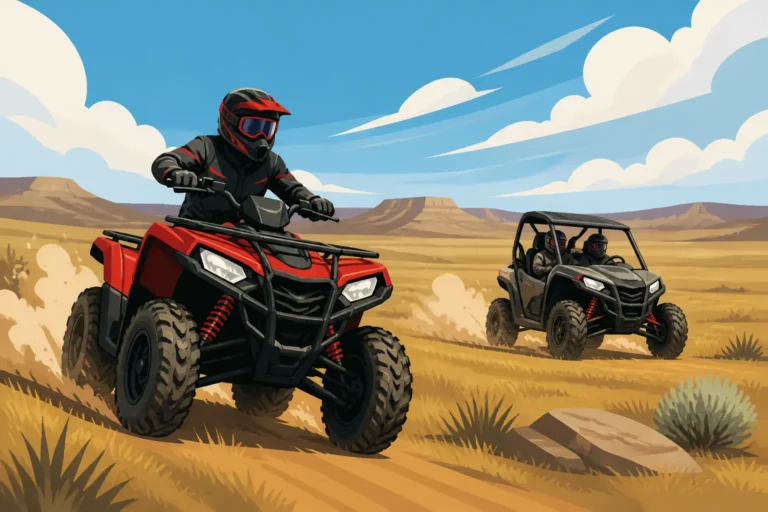
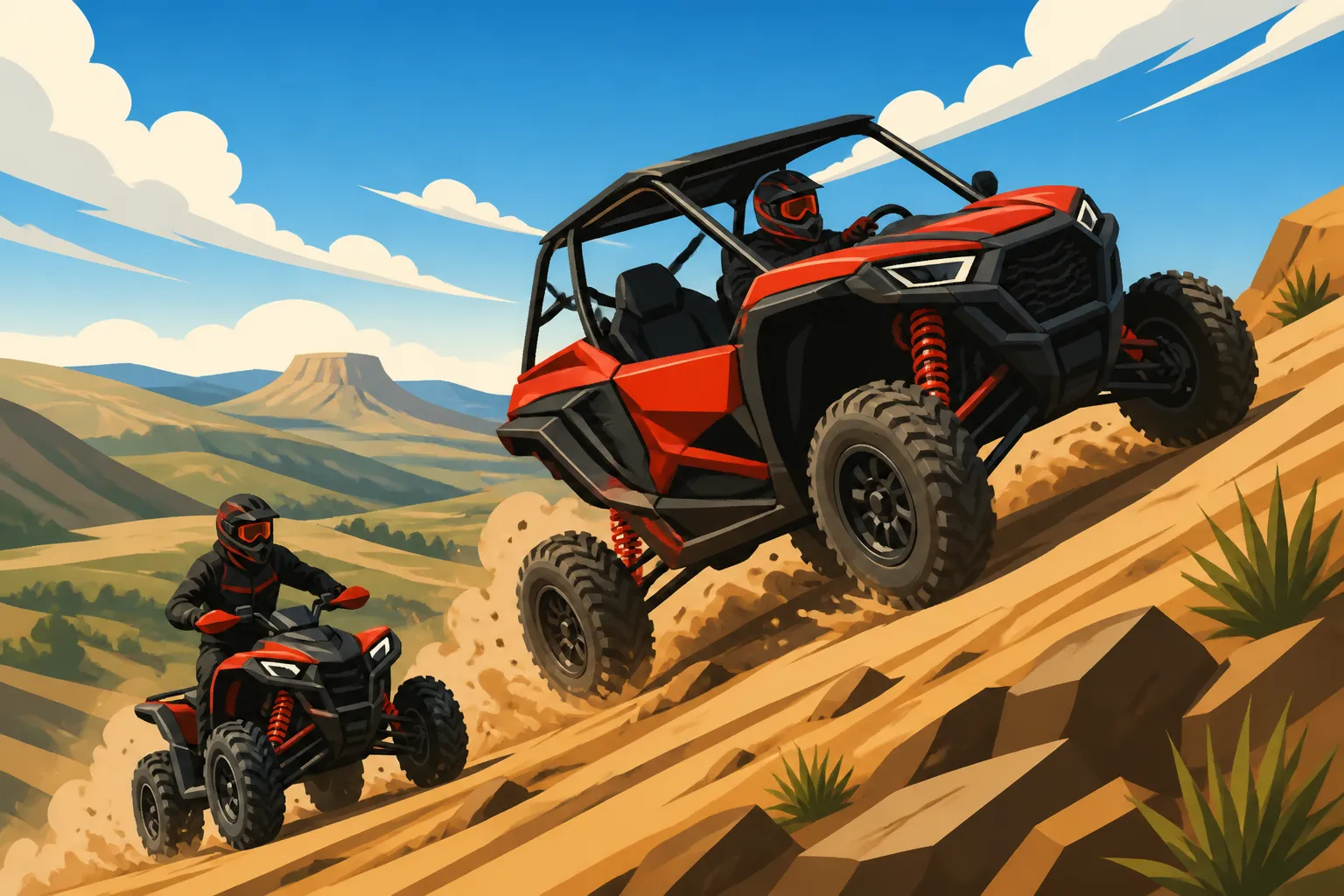
The landscape here feels different from a groomed, purpose-built track. Sand, slopes, ruts, and changing ground conditions can make a short stretch surprisingly demanding. A hill that looks manageable from the bottom may have a loose approach, a steeper section than expected, or limited room to turn around safely.
If you’re building a day around several kinds of riding, compare the hill climb area with the nearby options in [Bessey's 36 Miles of Forest Trail at Halsey] and [Bessey's Dismal Area in Nebraska]. Those destinations can involve different terrain and route choices. Don’t assume that your comfort level on one part of Bessey automatically tells you how you’ll feel on another.
What “hill climb” means for a riding day
A hill climb is a challenge, not a requirement. You can visit the area without attempting every slope—or any slope. For many groups, the best day is one where riders take turns choosing manageable lines, watch each other from a safe place, and decide to stop when the conditions or their confidence say it’s time.
The terrain can also change the feel of a climb. Dry, loose sand may make traction difficult, while recent weather can leave a route rutted or otherwise less predictable. A machine that climbs comfortably on firm ground may respond differently in soft sand. Even experienced riders can be caught out by a route that looks easier than it is.
Before committing to an approach, look at the whole line from a safe viewing spot. Check the slope, the surface, the runout, and whether there is room to stop or turn around. If you cannot see the crest or what lies beyond it, don’t treat the unseen section as a small detail. It is a reason to pause and reassess.
Planning a Safe Visit
Match the ride to the group
The most useful planning question is not “Can the most experienced rider make it?” It’s “Can everyone in our group ride the area we’ve chosen safely, with a reasonable way to stop or turn back?” A confident rider on a capable machine can make a difficult route look simple to someone watching from below. That doesn’t mean the same line is appropriate for a newer rider or a different vehicle.
Talk through the plan before anyone starts up a slope. Agree on a place to watch from, how riders will signal that they’re stopping, and what the group will do if a machine loses traction or cannot continue. Keep spectators and waiting riders clear of the route and likely runout area. A parked machine or a person standing in the wrong place can become a hazard if a rider loses control.
For a mixed-experience group, consider using the first part of the visit to look around rather than immediately testing the steepest line. Let newer riders get a feel for the surface on easier terrain. Riders who prefer to watch can still enjoy the outing without being pressured into a climb. If the group wants an organized progression, use [Nebraska Trail Difficulty Ratings] as a reminder to choose terrain according to the least experienced rider, not just the strongest machine.
Prepare for sand, slope, and recovery
A hill climb can place extra demands on tires, steering, throttle control, and rider judgment. Check your machine before leaving home: inspect the tires, brakes, throttle, steering, fluids, and any protective equipment that matters for your model. Bring basic recovery supplies suited to your machine and know how to use them. A tool or strap is only helpful if the group understands how to handle it safely.
Think about what happens if a climb doesn’t go as planned. Is there a safe place for the rider to stop? Can the group keep other traffic clear? Does someone know how to contact help if a recovery becomes more than a simple adjustment? Service may be limited in forest and rural areas, so make a plan before you lose cell reception rather than after.
Sand riding also takes energy. Riders can tire faster when they are concentrating on loose ground, repeatedly climbing, or working through heat and dust. Take breaks, carry water, and avoid turning a tiring afternoon into a series of increasingly risky attempts. For practical preparation beyond the hill itself, [What to Pack for a Hot Dry Riding Day] and [Packing a First Aid Kit for a Long Loop] offer useful checklists for a day outdoors.
Choosing a Machine and a Route
ATV and UTV considerations
An ATV and a side-by-side can feel very different on a slope. An ATV requires the rider to actively shift body position and manage balance. A UTV provides a seat and roll-over protection structure, but its size, weight, and turning space can affect which lines are practical. Neither type of machine makes a steep or loose climb automatically safe.
Check the vehicle’s operating guidance and stay within its intended use. Avoid carrying passengers or cargo in a way that changes the machine’s balance or exceeds its capacity. On a side-by-side, keep everyone properly seated and belted as the manufacturer directs. On an ATV, use the riding posture and control techniques recommended for that machine, and don’t assume that extra throttle can compensate for a poor line or a surface with little traction.
Before the trip, confirm that your vehicle is allowed in the particular area and on the routes you plan to use. Width, route designations, closures, and posted restrictions matter. Maps can help with orientation: some riders use onX Offroad to review possible routes and keep track of where they are, but app information should not replace posted signs or official land-management guidance. Use it as one planning tool, then confirm what is open when you arrive.
Use maps as a planning aid, not permission
A digital map can help you see how a destination fits together, estimate where a trail or staging area may be, and share a plan with people in your group. onX Offroad can be useful for organizing that information before you tow, especially if your group wants to compare the hill climb area with the other riding options around Bessey.
Still, a line shown on a screen is not proof that a route is open or suitable for your machine. Conditions, signs, closures, and local restrictions take precedence. Download or save the information you need before leaving dependable service, and carry a backup way to orient yourself. [Why You Still Carry a Paper Trail Map] explains why a paper map can still earn its place in a riding kit.
It also helps to agree on a simple navigation routine. Decide who is checking the route, where the group will regroup, and what to do if riders get separated. Don’t let several people follow different map views without confirming the same destination. For a broader review of the area’s options, see [Nebraska ATV Trails: Where to Ride] and check [Nebraska Trail Conditions Before You Tow] before making a long drive.
Arrival, Fees, and Trailhead Etiquette
What to do before unloading
Once you reach the recreation complex, slow down and get oriented before unloading. Read posted notices, identify the right staging space, and confirm which routes or areas are open to your vehicle. It may be tempting to unload quickly when you’ve already spent hours on the road, but a few minutes of checking can prevent a wrong turn or an avoidable conflict.
Park and unload without blocking the access route, other vehicles, or the space someone else needs to turn around with a trailer. Keep ramps, tie-downs, and loose gear organized rather than leaving them spread across a shared area. If you’re arriving with a group, designate one person to guide vehicles while others wait clear of the trailer and moving machines. [How to Unload and Stage Without Blocking Anyone] has more practical staging advice.
Check whether a parking or recreation fee applies and how it is collected before you arrive. Fees, payment methods, and procedures can change, so don’t rely on an old receipt or a friend’s memory as your only plan. [Where to Pay the Fee at Bessey Recreation Complex] is a helpful topic to review when preparing your trip, but confirm the details for your visit through the appropriate local information.
| Before you ride | Why it matters | What to do |
|---|---|---|
| Check signs and closures | A mapped route may not be open or appropriate for your machine | Follow posted instructions and confirm the allowed riding area |
| Assess the climb from a safe spot | The approach and runout can be less obvious from below | Look at the full line before attempting it |
| Agree on group signals | Riders may not hear one another clearly over engines | Set simple signals and a regrouping point |
| Keep the staging area clear | Trailers and loose gear can block shared access | Park, unload, and store equipment neatly |
| Plan for limited service | Phone coverage may not be dependable throughout the area | Save maps and share the plan before departure |
| Recheck fees and payment details | Procedures may differ from what you remember | Confirm current instructions before the trip |
Respect the area and other riders
A popular riding spot works best when people leave room for one another. Wait until a route is clear before entering it, and don’t stop where another rider could be approaching. If you need to pause, choose a place that is visible and out of the travel line. Give people space to finish their climb before you start your own attempt.
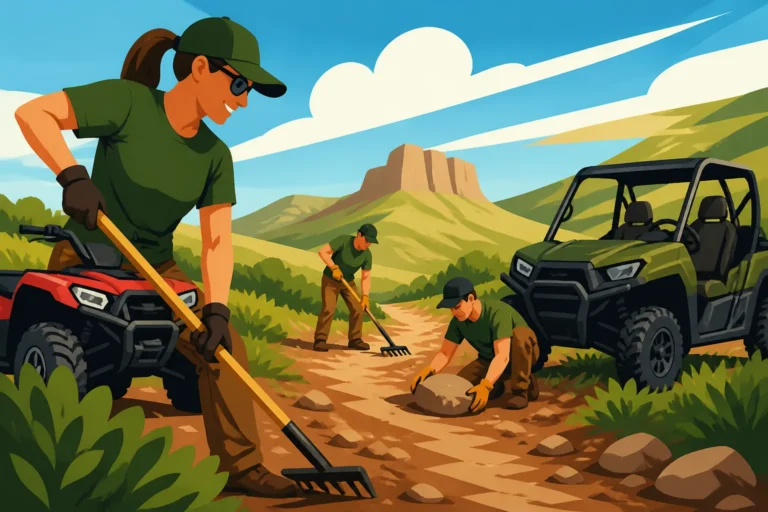
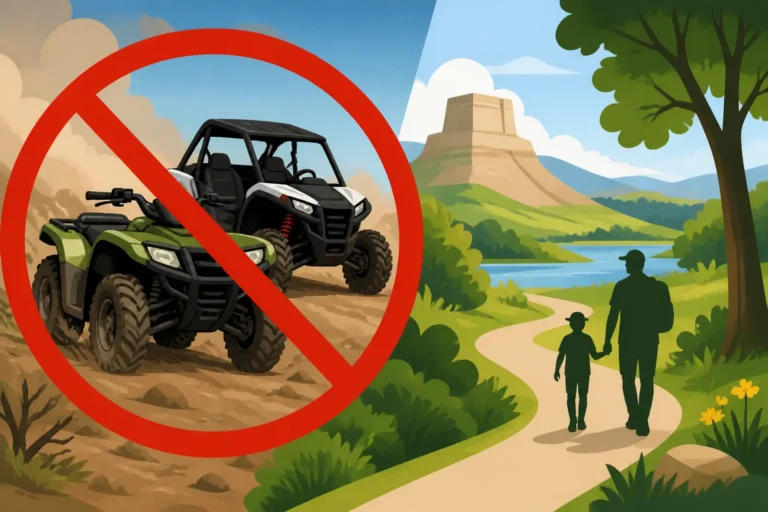
Stay within the designated riding area and follow signs about routes, access, and closures. Avoid creating new lines around a difficult section, cutting across places marked off, or leaving trash behind. A route that looks like an easy shortcut can cause damage or lead riders into an area they are not supposed to use. If conditions seem unsafe or unclear, the better choice is to stop and ask for guidance rather than guess.
Noise and dust can affect other visitors, campers, and people working in the area. Keep speeds and behavior appropriate near shared spaces, and be especially considerate where people are walking, setting up camp, or maneuvering trailers. Respectful riding protects your group’s day and helps preserve access for everyone who comes after you.
Weather, Conditions, and Making the Call
Check conditions close to departure
A trip plan made days in advance is only a starting point. Rain, wind, temperature, and recent use can change how a route feels. Loose sand can be demanding in dry conditions, while a slope that has been rutted or affected by weather may require extra caution. If the group arrives and the ground looks different from what riders expected, take time to reassess instead of trying to keep the original plan at any cost.
Look for current notices or guidance from the relevant land manager before towing. If you have questions about access or conditions, [Bessey Ranger District Office Hours and Phone] is a useful reference for finding the right contact information. Don’t assume that a past visit, an online comment, or an app map settles what is open for the day.
If the weather changes while you’re riding, adjust the plan. A rising wind can make dust and visibility worse. Heat can wear down riders more quickly than expected, and a storm can turn a relaxed outing into a difficult trip back to the staging area. Agree in advance that anyone in the group can call for a break or end the climb without being mocked or pressured.
Know when to skip a climb
Choosing not to climb is a real riding decision, not a failure. Skip a line if the surface is too loose for the rider’s experience, the crest hides what comes next, the runout is unclear, or there is no safe way to turn around. The same goes if a machine is behaving strangely, a rider is tired, or the group can’t agree on a safe plan.
A useful rule is to avoid starting a climb unless you can explain how you’ll stop if something changes. If the only plan is “keep going and hope,” the route is asking more than the group can safely manage. Watching another rider attempt a line does not guarantee the same result for a different vehicle, rider, or condition.
Sometimes the best adjustment is to switch to another part of the complex or end the ride early. Bessey offers more than one kind of riding experience, and a day doesn’t have to revolve around the steepest slope to be worthwhile. A relaxed ride, an easier route, and a safe return to the trailer are a better outcome than forcing a climb that no longer feels right.
Disclaimer
This article is for general informational purposes only and does not constitute professional advice. Laws, prices and regulations vary by location and change over time. Consult a qualified professional for guidance on your specific situation.