Nebraska Insurance Minimums Today
Navigating the world of ATV and UTV insurance in Nebraska can feel like trying to find your way through a cornfield in the dark – confusing, a little daunting, and you're not entirely sure which way is out. Many riders, especially those new to the scene or who've only ever used their machines on private land, often scratch their heads trying to figure out what’s actually required when they venture onto public roads. This guide aims to shine a bright light on Nebraska's current insurance minimums for ATVs and UTVs, demystifying the requirements so you can ride with peace of mind.
Understanding Nebraska's ATV/UTV Road Use Landscape
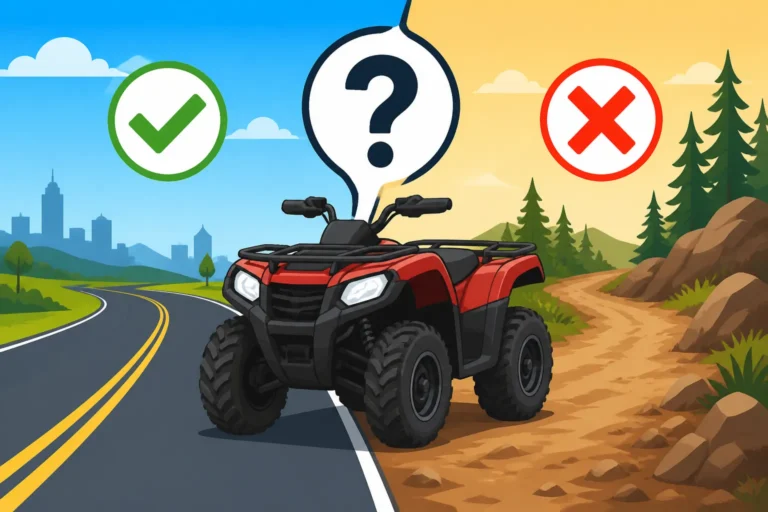
Before we even dive into insurance numbers, it's crucial to understand when your ATV or UTV might actually need insurance in Nebraska. Unlike cars, these machines aren't just automatically street legal everywhere. Nebraska has very specific rules about when and where an ATV or UTV can legally touch a public road, and these rules are directly tied to your insurance obligations. It's not a blanket requirement, and that's often where the confusion begins for many folks.
When ATVs and UTVs Can Legally Hit Nebraska Roads
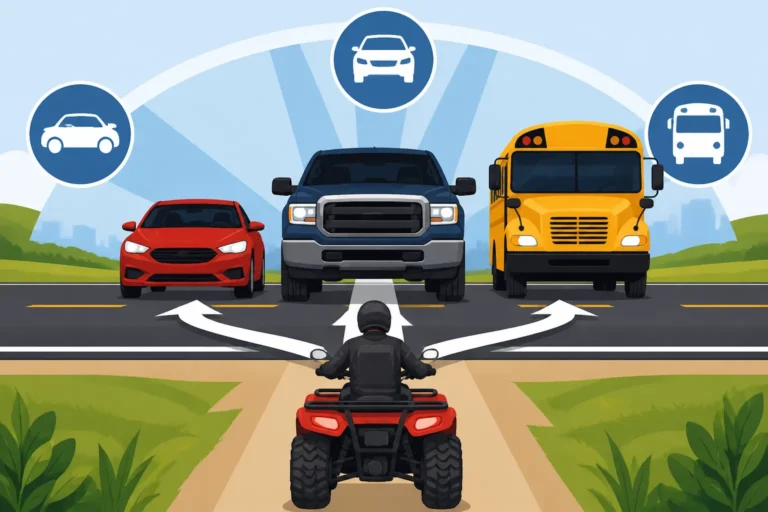
Nebraska's stance on ATVs and UTVs on public roads is quite nuanced, primarily driven by safety concerns and the original design intent of these machines. Generally speaking, you won't see ATVs or UTVs zipping down Interstate 80 or even many major state highways. The law carves out specific exceptions, mostly centered around agricultural use and local ordinances. For instance, farmers and ranchers often rely on these machines for daily tasks, and the state's statutes acknowledge this necessity. You might see a rancher checking fence lines or moving cattle, legally traversing a county road to get from one section of pasture to another. This is a prime example of [Nebraska's Agricultural Road Exception].
Beyond agricultural use, some cities and even unincorporated villages in Nebraska have taken the initiative to pass local ordinances that allow ATVs and UTVs on certain municipal streets or county roads within their borders. This means what's legal in one town might be completely off-limits just a few miles down the road. It creates a patchwork of rules that can be incredibly frustrating to keep straight, especially if you travel a lot with your machine. These city or county-approved zones are distinct from statewide allowances and often come with their own set of local rules, which might include specific operating hours, speed limits, or even additional local registration fees. Regardless of the specific allowance, if your wheels touch a public roadway, even for a moment, the insurance question immediately comes into play.
The Critical Link Between Road Use and Insurance
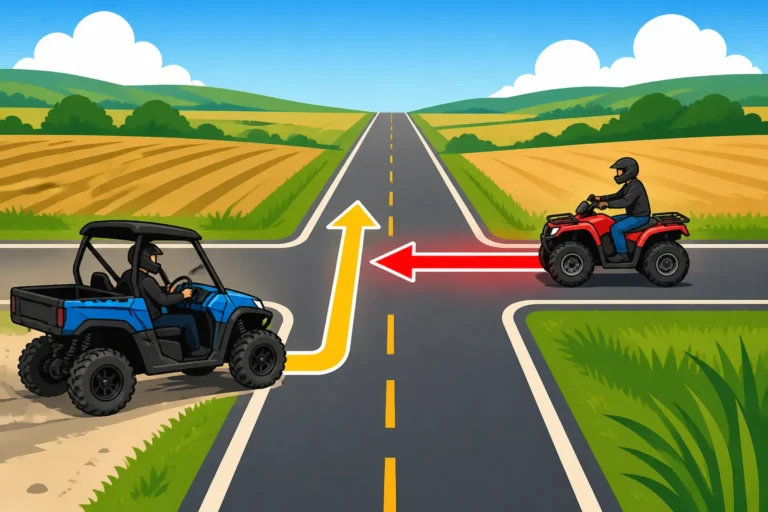
Here’s the golden rule in Nebraska: if your ATV or UTV is operated on a public road, street, or highway, it must be insured. This isn't just a recommendation; it's a legal requirement designed to protect everyone on the road. Many riders mistakenly believe that because their machine isn't a traditional "vehicle," it somehow flies under the radar for insurance. Not so. The moment you pull out of your driveway onto a county road, or cross a highway at a ninety-degree angle as allowed by law, you’re now operating a motor vehicle on a public thoroughfare and are subject to the same basic liability insurance requirements as any other driver.
The intention behind this rule is simple: to ensure that if you're involved in an accident that causes injury or property damage to someone else, there's a financial safety net in place. Without this, an innocent third party could be left with enormous medical bills or vehicle repair costs, through no fault of their own. It’s about accountability and shared responsibility on our public infrastructure. This is why when you check out the rules for [Nebraska Requires Liability Insurance on Roads], it's front and center. It’s easy to get caught up in the thrill of the ride, but forgetting this crucial piece of paperwork can lead to severe legal and financial headaches down the road.
Diving Deep into Nebraska's Current Insurance Minimums
So, you've figured out when you need insurance. Now, what are the actual numbers? Nebraska, like many states, mandates a minimum level of liability coverage. This isn't about protecting your machine; it's about protecting others from damage or injury you might cause. Understanding these figures is paramount to ensuring you're legally compliant and adequately prepared for an unforeseen event.
What "Today's" Minimums Actually Mean for Riders
When we talk about "today's" insurance minimums in Nebraska, we're referring to the current legal requirements that have been in place for a while. These minimums are expressed as a set of three numbers, often seen as a fraction, which represent different aspects of liability coverage. It's important to remember that these are minimums. While meeting them keeps you on the right side of the law, they might not offer enough protection in the event of a serious accident, especially with rising medical costs and vehicle repair expenses. It's like having just enough air in your tires to drive – it gets you there, but you might want a little more for optimal performance and safety.
Many riders, particularly those who use their machines for ranch work or just weekend recreation, assume their existing auto policy or homeowner's insurance might cover them. This is a dangerous assumption! While some policies might offer very limited, specific coverage (like if the ATV is being used on your property and listed as an insured item), it's highly unlikely to extend to road use or meet the state's liability minimums. Always, always check with your insurance provider to confirm specific ATV/UTV coverage. You might be surprised at how many people ride for years thinking they're covered, only to find out they're not after an incident occurs.
Breaking Down the Numbers: Liability Coverage Explained
Nebraska's current minimum liability coverage is typically expressed as 25/50/25. Let's break down what each of these numbers means in plain language, because understanding this can truly empower you to make informed decisions about your coverage.
- $25,000 for bodily injury liability per person: This is the maximum amount your insurance company will pay for medical expenses and lost wages for one person injured in an accident where you are at fault. So, if you accidentally hit another rider or a pedestrian, and they incur $30,000 in medical bills, your insurance would pay $25,000, and you would personally be responsible for the remaining $5,000.
- $50,000 for bodily injury liability per accident: This is the total maximum amount your insurance company will pay for all bodily injuries in a single accident, regardless of how many people are injured. If you're involved in an accident that injures three people, and their combined medical bills are $60,000, your policy would pay $50,000, leaving you on the hook for the other $10,000. It's the aggregate limit for all injuries resulting from one event.
- $25,000 for property damage liability per accident: This is the maximum amount your insurance company will pay for damage to other people's property in an accident where you are at fault. This could be damage to another vehicle, a fence, a mailbox, or even a building. If you accidentally lose control and smash into someone's new SuperATV custom UTV or their pickup truck, and the repair bill is $35,000, your policy would cover $25,000, and you'd owe the rest.
These are the figures that ensure [Twenty-Five, Fifty and Twenty-Five Today] for any public road use. It's a critical safety net, not just for others, but also for your own financial well-being, protecting your assets from potential lawsuits stemming from an accident.
Why These Minimums Matter on Public Roads
The core reason these minimums are so important when your ATV or UTV is on public roads boils down to risk. Public roads mean interaction with other vehicles, pedestrians, and property that isn't yours. Even the most careful rider can find themselves in an unpredictable situation – perhaps a deer darts out, another driver doesn't see you, or a mechanical issue causes you to lose control. When these incidents happen on private land, you're primarily dealing with your own property and potentially your own injuries. But on a public road, the stakes are much higher.
Consider a scenario where you're legally crossing a county road on your UTV for farm use, and a car fails to yield, resulting in a collision. Even if the other driver is primarily at fault, there could be shared liability, or your machine might impact their vehicle, causing damage. Without proper liability insurance, even if you are only partially at fault, the costs can quickly skyrocket. Medical bills for even minor injuries can run into thousands, and extensive property damage to a modern vehicle can easily exceed the $25,000 property damage limit. This is why many experienced riders opt for coverage above the minimums, understanding that peace of mind is worth the extra premium. They know that a basic liability policy is a starting point, not necessarily the finish line for responsible ownership.
Beyond the Basics: Other Factors Affecting Your Policy
While liability coverage is the legal minimum, it's just one piece of the puzzle. For many ATV and UTV owners, their machines represent a significant investment, often costing as much as a used car. Protecting that investment, and yourself, goes beyond simply meeting state requirements. Thinking about what other coverage options are available can prevent future heartache and financial strain.
Comprehensive and Collision Coverage: Is it Worth It?
If your ATV or UTV is more than just a beat-up farm machine, then you should seriously consider comprehensive and collision coverage. These are the coverages that protect your machine, regardless of who is at fault, or even if an accident isn't involved.
- Collision coverage pays for damages to your ATV or UTV if it collides with another vehicle or object, or if it rolls over. Think about accidentally hitting a tree on a trail, rolling it on a steep hill, or even backing into a fence post. If you've invested heavily in your machine, perhaps adding performance parts from SuperATV or specialized tires for sand riding, collision coverage helps you replace or repair those damages.
- Comprehensive coverage protects your machine from events other than collision. This includes things like theft, vandalism, fire, natural disasters (hail, floods, wind), or even hitting an animal. Given the increasing value and desirability of ATVs and UTVs, theft is a real concern, and comprehensive coverage can be a lifesaver. This is especially true if you store your machine in a shed or garage, as [Nebraska Theft Coverage in a Shed] can be vital. Without it, if your prized quad vanishes, you're out of luck.
Whether it's "worth it" truly depends on the value of your machine, your financial situation, and your risk tolerance. For a brand new, high-dollar UTV, it's almost always a smart decision. For an older, lower-value quad, you might weigh the cost of the premium against the machine's actual cash value.
Protecting Your Investment: Add-ons and Endorsements
Beyond the standard comprehensive and collision, many insurance providers offer various add-ons and endorsements that can further tailor your policy to your specific needs. These are like extra layers of protection that can cover unique situations or valuable components of your machine.
For instance, if you've put a lot of money into aftermarket parts and accessories – custom wheels, a winch, a sound system, or an aftermarket SuperATV lift kit – you'll want to ensure these modifications are covered. Standard policies often only cover the machine as it came from the factory, so you might need an endorsement to specifically list and insure these additions. Similarly, if you have specialized gear that you carry with your ATV or UTV, like hunting equipment or expensive tools, some policies offer personal effects coverage. It’s always worth discussing these options with your agent to ensure your entire investment, not just the base machine, is protected. These small additions to your premium can save you a significant amount if your customized machine is damaged or stolen.
The Impact of Usage: Farm, Recreation, or Mixed Use
How you primarily use your ATV or UTV can significantly influence the type of policy you need and its cost. Insurance companies assess risk based on usage, and a machine used daily for demanding farm work presents a different risk profile than one used exclusively for occasional recreational trail riding.
- Farm Use: If your machine is primarily used for agricultural purposes, such as checking cattle, hauling feed, or assisting with fieldwork, your insurer might classify it differently. While it still needs liability if it touches public roads, the premium might reflect its working nature. Be honest about your farm use, as it can be crucial for claims related to work-specific incidents. Many policies have specific agricultural exemptions or riders that can be beneficial. You can learn more about this by checking out [Nebraska Machines Used Only on a Farm].
- Recreational Use: For riders who hit the trails at Bessey OHV Trails at Halsey in Nebraska or other designated riding areas on weekends, recreational coverage is key. This policy typically focuses on protecting the machine during off-road use, including collision and comprehensive coverage, as well as potentially medical payments for injuries you sustain (which liability won't cover).
- Mixed Use: Many owners fall into this category, using their machine for both work and play. In these cases, it's vital to have a policy that acknowledges both aspects. Your insurer needs to understand that your UTV might be pulling a small trailer on a county road one day and tearing up sand dunes the next. A comprehensive discussion with your agent about all intended uses will help them craft a policy that leaves no gaps in coverage, ensuring you're protected whether you're working the land or enjoying a sunny afternoon ride.
Navigating the Future: Upcoming Changes to Insurance Requirements
Just when you think you've got a handle on the current rules, things can change. This is especially true with insurance regulations, which are often reviewed and updated to keep pace with evolving risks, costs, and societal needs. Nebraska is no exception, and there are indeed changes on the horizon that ATV and UTV owners who use public roads need to be aware of. Staying informed about these upcoming shifts is crucial for maintaining compliance and avoiding any surprises down the line.
What Riders Can Expect in 2027 and Beyond
It's important for riders to know that Nebraska's liability insurance minimums are set to increase in the near future. This is not uncommon; states periodically adjust these figures to reflect current economic realities, particularly the rising costs of medical care and vehicle repairs. The change is set to take effect in January 2027. [Nebraska Insurance Minimums From 2027] will likely see the 25/50/25 figures increase. While I can't give you the exact new numbers, typically these increases are designed to provide more substantial protection to accident victims.
The primary implication of this change is that current policies, if they only meet the current minimums, may become insufficient to meet the new legal requirements once 2027 rolls around. This doesn't mean your policy is automatically invalid, but it does mean you'll need to contact your insurance provider to adjust your coverage to the new minimums. This will almost certainly result in a slight increase in your premium, but it's a necessary step to remain legally insured for public road use. This type of adjustment is part of normal regulatory updates, ensuring that insurance coverage remains relevant to the actual costs of accidents.
Preparing Your Policy for Future Adjustments
The best way to prepare for these upcoming changes is to be proactive. Don't wait until late 2026 or early 2027 to address your policy. Here are a few steps you can take:
- Contact Your Agent: Reach out to your insurance agent well in advance. Ask them about the specifics of the upcoming changes to [Nebraska Insurance Minimums From 2027] and how they will affect your existing ATV or UTV policy. They should be able to provide details on the new required amounts and explain what adjustments will be necessary.
- Review Your Current Coverage: Even if you meet today's minimums, consider if those minimums are truly adequate. As discussed, 25/50/25 can quickly be exhausted in a serious accident. If you already have higher limits, you might find you're closer to the new minimums or even already exceeding them, requiring less drastic adjustments.
- Budget for Potential Premium Increases: As your liability limits increase, so too will your premium. It's wise to factor this into your annual budget for your ATV or UTV. A small increase spread out over the year is much easier to absorb than a sudden, unexpected jump.
- Shop Around (Again): Upcoming changes are also a great time to shop your policy to different providers. While your current insurer will likely offer to update your policy, a competitor might be able to offer the new, higher minimums at a more competitive rate. It's always a good practice to get quotes every few years to ensure you're getting the best value.
By taking these steps, you can ensure a smooth transition when the new insurance requirements come into effect, allowing you to continue enjoying your machine on Nebraska's roads without any legal hiccups.
Practical Steps for Securing Your ATV/UTV Insurance
Securing the right insurance policy for your ATV or UTV doesn't have to be a complicated ordeal. With a clear understanding of the requirements and a systematic approach, you can quickly find a policy that fits your needs and keeps you legally compliant. It's about being informed and asking the right questions.
Shopping Around for the Right Coverage
Just like with car insurance, you wouldn't buy the first policy you're offered. The ATV/UTV insurance market is competitive, and different providers often have different rates, discounts, and policy features. This means it pays to shop around.
Start by contacting your current auto or home insurance provider. Sometimes, you can get a multi-policy discount by bundling your ATV insurance with existing policies. However, don't stop there. Seek quotes from other specialized ATV/UTV insurers. Some companies focus specifically on powersports vehicles and might offer more tailored coverage options or better rates for your particular machine or riding style. When you're getting quotes, be sure to:
- Be Specific About Your Machine: Provide accurate details about your ATV or UTV, including make, model, year, and any significant modifications you’ve made, such as adding a winch or specialized tires.
- Clearly State Your Intended Use: Are you primarily using it for farm work on specific county roads, recreational trail riding, or a mix of both? This helps the insurer assess risk accurately.
- Ask About Deductibles: A higher deductible usually means a lower premium, but it also means you'll pay more out-of-pocket if you make a claim. Find a balance that works for your budget and risk tolerance.
- Inquire About Discounts: Ask about any available discounts, such as safety course completion, multi-machine discounts, or storage discounts for off-season storage. You might be surprised at what's available! Exploring [Nebraska Insurance Deductible Choices] can really help manage your costs.
Don't be afraid to compare several quotes side-by-side. Look not just at the price, but also at the coverage limits, deductibles, and any exclusions that might apply.
Understanding Your Policy Documents
Once you've chosen a policy, don't just file the documents away unread. Your insurance policy is a legal contract, and understanding its terms is crucial. Take the time to read through it, focusing on key sections:
- Declarations Page: This is often the first page and summarizes your coverage limits, deductibles, and the premium you're paying. Double-check that all your information is correct and that the coverage matches what you discussed with your agent.
- Coverages: This section details what is covered (liability, collision, comprehensive, etc.) and the maximum payout for each.
- Exclusions: This is arguably the most important section to review. It lists what your policy does not cover. For example, some policies might exclude racing, specific modifications, or use in certain areas. Knowing these exclusions before an incident occurs can prevent a nasty surprise.
- Definitions: Familiarize yourself with key terms. What constitutes an "accident" or "property damage" in the eyes of your insurer?
- Claims Process: Understand how to file a claim, what information you'll need, and the timelines involved.
If anything is unclear, call your agent immediately. It’s their job to help you understand your coverage. Having a firm grasp of your policy ensures there are no ambiguities when you need to make a claim. This knowledge can save you significant stress and money down the line.
What to Do If You're Involved in an Accident on the Road
Even with the best preparation and the most careful riding, accidents can happen. If you find yourself in an ATV or UTV accident on a public road in Nebraska, knowing what to do immediately can protect you legally and ensure a smoother insurance claim process.
- Ensure Safety: First and foremost, check for injuries to yourself and anyone else involved. If anyone is injured, call 911 immediately. Move your machine and any other vehicles out of the flow of traffic if it's safe to do so.
- Contact Law Enforcement: Even if it seems like a minor fender bender, if you're on a public road, it's generally a good idea to call the local sheriff's office or state patrol. An official accident report can be invaluable for your insurance claim, providing an unbiased account of the incident. This is directly related to [Nebraska Accident Reporting for an ATV Crash].
- Exchange Information: Get the other party's name, contact information, insurance details (company and policy number), and vehicle information (make, model, license plate). Provide your own information as well.
- Document the Scene: If possible and safe, take photos or videos of the accident scene, including damage to all vehicles, skid marks, road conditions, and any relevant surroundings.
- Do Not Admit Fault: Stick to the facts. Do not apologize or admit fault, even if you think you might be to blame. Let the authorities and insurance companies determine liability.
- Contact Your Insurance Company: As soon as possible after ensuring safety and exchanging information, notify your insurance provider. They will guide you through the claims process. Be honest and provide all the details you have. This is where your policy understanding comes into play.
By following these steps, you can navigate a stressful situation effectively, ensuring you meet your legal obligations and your insurance company can process your claim efficiently.
Disclaimer
This article is for general informational purposes only and does not constitute professional advice. Laws, prices and regulations vary by location and change over time. Consult a qualified professional for guidance on your specific situation.