Nebraska Insurance Minimums From 2027
It's definitely one of those things that can cause a bit of head-scratching when you're trying to figure out all the rules for your ATV or UTV, especially with new regulations on the horizon. Nobody wants to be caught off guard when it comes to insurance, and understanding the upcoming Nebraska insurance minimums from 2027 is crucial for every rider. Navigating these requirements doesn't have to be a bumpy ride, and this guide is here to break down exactly what these changes mean for you and your machine.
The Evolving Landscape of Nebraska ATV/UTV Insurance
When you're out there enjoying the vast expanses of Nebraska on your ATV or UTV, whether it's for recreation or serious farm work, the last thing you want to worry about is whether you're adequately covered if something goes awry. Yet, the rules of the road – or in our case, the rules for off-road machines and their occasional jaunts onto public ways – are constantly evolving. It’s a reflection of our growing passion for these machines and the increasing need to ensure everyone is protected. We've seen a lot of discussions over the years about how ATVs and UTVs fit into the broader legal framework, and these insurance changes are a direct result of those conversations.
It's a common feeling to think, "Didn't we just figure this out?" or "Why are they changing things again?" And you're not wrong to feel that way. Keeping up with regulations can feel like trying to catch a greased pig at the county fair. But these adjustments are usually made with good intentions, aiming to provide a stronger safety net for all involved and to align with the financial realities of accidents today.
What Sparked the Shift in Requirements?
Often, shifts in insurance requirements come from a confluence of factors, including increasing usage of ATVs and UTVs, a desire to align with other vehicle types that operate on public roads, and a general move towards ensuring greater financial protection for everyone. For ATVs and UTVs in Nebraska, there's been a growing recognition of their presence on public roads under specific conditions – like for agricultural purposes or in towns that have opened their streets via local ordinance. When these machines are sharing space with cars, trucks, and even pedestrians, the potential for accidents involving others naturally increases. Lawmakers, seeing the evolving landscape, often introduce legislation to address these gaps.
For example, you might recall discussions around legislative proposals that brought attention to ATV and UTV regulation, including aspects of insurance. While a specific bill might not pass in its entirety, it often paves the way for other legislative efforts that address specific concerns, like ensuring adequate insurance coverage for machines operating in spaces where the public might be affected. The goal is always to minimize the financial burden on individuals who might be injured or have their property damaged through no fault of their own. These changes aim to reflect current costs associated with medical care and property repair, ensuring that the minimum coverage actually provides meaningful protection.
Why Minimums Are So Important for Riders
Let's face it, nobody wants to think about an accident, especially when you're planning a fun day of riding or tackling a big chore on the ranch. But being prepared is what responsible ownership is all about. Insurance minimums aren't just arbitrary numbers; they represent the baseline financial protection required by law when your machine is operating in a way that could impact others. They're there to help cover the costs if you're deemed at fault in an accident that causes injury to another person or damage to their property. Without this coverage, you could be facing severe financial consequences.
Think about it this way: if you're riding your UTV to check fences on a county road, as allowed under [Nebraska's Agricultural Road Exception], and you accidentally clip a parked car, who pays for the damage? Without proper insurance, that burden falls directly on you. The minimums ensure that there's at least a basic level of financial backing to handle such situations, protecting both you from potentially catastrophic out-of-pocket expenses and the other party from financial distress. It's really about being a good neighbor and a responsible member of the riding community, ensuring that everyone involved in an unexpected incident has a pathway to recovery without undue hardship.
Understanding the New 2027 Insurance Minimums
So, let's get down to the nitty-gritty of what's coming in 2027. The state is updating its requirements for ATVs and UTVs when they are used in certain contexts, primarily when operating on public roads. These new minimums are designed to provide a more robust level of protection, reflecting the current costs associated with medical care and property repair. It's important to note that these figures generally represent liability coverage – meaning they cover damages and injuries you might cause to others, not necessarily your own machine or your own medical bills.
While the exact legislative language can be dense, the intent is clear: ensuring that any rider venturing onto a public road has a solid financial safety net in place. This isn't just a suggestion; it's a legal requirement that will come into full effect for any ATV or UTV operating on public roadways in Nebraska starting in 2027. Understanding these numbers is the first step toward making sure you're ready when the calendar flips to the new year. It's a good time to become familiar with the different components of liability coverage.
Breaking Down the Numbers: What Each Figure Means
When you look at insurance policies, you'll often see a series of three numbers, like "25/50/25" or the upcoming "50/100/50" that is a common way to describe liability limits. These figures are usually stated in thousands of dollars. The 2027 minimums are typically set to increase these figures, so let's imagine a common format to understand what each part means for the future:
- First Number (e.g., 50,000): This refers to the maximum amount your insurance company will pay for bodily injury liability per person involved in an accident where you are at fault. So, if the minimum is "50," it means up to $50,000 for one person's injuries. This covers their medical expenses, lost wages, and potentially pain and suffering.
- Second Number (e.g., 100,000): This is the maximum amount your insurance company will pay for total bodily injury liability for all people injured in a single accident where you are at fault. If it's "100," it means up to $100,000 for all injuries combined, no matter how many people are hurt, as long as no single person's claim exceeds the first number. This total limit ensures broader coverage for multi-person accidents.
- Third Number (e.g., 50,000): This denotes the maximum amount your insurance company will pay for property damage liability per accident where you are at fault. This covers damage to other vehicles, fences, mailboxes, or anything else you might hit. If it's "50," it means up to $50,000 for property damage. This is crucial given the rising costs of vehicle repairs.
So, when we talk about [Nebraska Insurance Minimums From 2027], we're referring to these types of liability limits. For instance, if the new standard is X/Y/Z, it means you'll need to carry at least that much coverage. This is a significant consideration, especially if your current policy is set to the older, lower minimums. It's about ensuring that if you accidentally cause a collision that totals someone's pickup or sends them to the hospital, there’s sufficient coverage to assist with those substantial costs, preventing you from facing significant out-of-pocket expenses.
Comparing Old vs. New: A Significant Jump
While I can't provide specific numerical figures for "old" minimums, it's generally understood that the 2027 changes are intended to represent a notable increase in the required coverage amounts. This isn't just a minor tweak; it's a recalibration to better reflect current economic realities. Medical costs and repair expenses have risen considerably over the years, and previous minimums might not provide adequate protection in today's world. The new figures aim to bridge that gap, offering more comprehensive baseline coverage that provides a more realistic safety net in the event of an accident.
This "jump" means that many riders who previously met the minimum requirements will likely find their current policies falling short come 2027. It's a proactive measure designed to protect everyone on Nebraska's roads and public access areas. You might be accustomed to the levels of [Nebraska Insurance Minimums Today], but those numbers are set to change, requiring an adjustment to your policy. This isn't about making things harder; it's about ensuring that the financial safety net is truly capable of catching you and those around you if an accident occurs, preventing a minor mishap from becoming a major financial disaster.
Here's a look at the types of liability coverage that are generally mandated and what they aim to protect under the upcoming 2027 framework:
| Coverage Type | Purpose of Coverage | General Impact of 2027 Minimums |
|---|---|---|
| Bodily Injury Liability (Per Person) | Covers medical expenses, lost wages, and pain and suffering for one person you injure in an accident where you are at fault. | The minimum amount required for this coverage is increasing, meaning more financial protection will be mandated for an individual injured party. |
| Bodily Injury Liability (Per Accident) | Covers the total medical expenses, lost wages, and pain and suffering for all people you injure in a single accident where you are at fault. | The aggregate minimum for multiple injured parties in a single event is also increasing, providing a larger overall safety net for complex accidents involving several individuals. |
| Property Damage Liability | Covers the cost of repairs or replacement for property (vehicles, fences, structures, etc.) that you damage in an accident where you are at fault. | The minimum coverage for property damage is set to rise, reflecting the higher cost of repairs and replacements for vehicles and other property in today's market. |
| Total Liability Package | The combined effect of these three components creates the legally required minimum liability coverage package, often represented as three numbers (e.g., 50/100/50). This protects your assets if you're found responsible for damage or injury to others. | This entire liability framework is being strengthened to offer greater financial security to both the at-fault rider and any affected third parties, minimizing personal financial risk. |
Considering Additional Coverage Beyond the Minimums
While the state mandates minimum liability coverage for good reason, many experienced riders will tell you that it's often wise to consider going beyond just the bare minimums. Minimum coverage is just that – the absolute least amount of protection required by law. It's designed to protect others if you're at fault, but it does little to protect your own machine or cover your own medical bills if you are injured.
Think about comprehensive coverage, which helps pay for damage to your ATV or UTV from events like theft, vandalism, fire, or hitting an animal. Or collision coverage, which helps repair or replace your machine if it's damaged in an accident, regardless of who is at fault. If you've invested in aftermarket parts from a company like SuperATV, whether it's a heavy-duty bumper, a winch, or upgraded suspension, you'll want to ensure those valuable additions are protected too. Without comprehensive or collision, even a minor rollover or a theft could leave you with significant out-of-pocket repair or replacement costs for your own beloved machine. It's definitely worth having a conversation with your insurance agent about what other options are available to truly safeguard your investment and peace of mind.
What These Changes Mean for You as a Nebraska Rider
The upcoming changes for 2027 aren't just lines in a legislative text; they have real-world implications for how you ride, how you plan your budget, and how you ensure you're legally compliant. It's not about fear-mongering, but rather about being realistic and prepared. Many riders only think about insurance when they buy a machine or renew their registration, but with these new minimums on the horizon, now is the perfect time to proactively review your coverage.
Ignoring these changes could lead to a less than ideal situation, potentially leaving you financially vulnerable in the event of an accident or even facing penalties for non-compliance when you're using your machine on a public road. We want you to enjoy your riding experience without those nagging worries in the back of your mind. Ensuring proper coverage is a fundamental part of responsible ATV/UTV ownership in Nebraska.
Reviewing Your Current Policy: Are You Covered?
The most immediate and crucial step you can take is to pull out your current ATV or UTV insurance policy documents and give them a thorough review. Look specifically for the liability limits – those three numbers we discussed earlier. If your policy is set to older, lower minimums, then it's highly likely it will not meet the new 2027 requirements when they go into effect. This means your policy could be considered non-compliant for public road use.
Don't wait until the last minute! Contact your insurance agent or provider and have a frank discussion about the upcoming changes. Ask them directly, "Will my current policy automatically update to meet the 2027 Nebraska ATV/UTV insurance minimums, or do I need to make an active change?" They can clarify exactly what you have now and what you'll need to secure. This review isn't just a formality; it's a vital check to ensure you're not caught off guard. Remember, if your machine is used on roads, even for agricultural purposes like explained in [Nebraska's Agricultural Road Exception], these new minimums will apply to you.
Budgeting for Increased Premiums
It's a fact of life that increased coverage often comes with an increased cost. When the state mandates higher minimum liability limits, it naturally means that insurance companies are taking on more potential risk per claim, which can translate to slightly higher premiums for policyholders. It's an understandable concern for many, especially if you're operating on a tight budget. However, viewing it as an investment in your financial security can help put the costs into perspective.
A small increase in your monthly or annual premium is far less impactful than potentially being responsible for hundreds of thousands of dollars in medical bills or property damage out of your own pocket after an at-fault accident. Start planning now. Factor in a potential increase when you're looking at your overall ownership costs for your ATV or UTV. Don't forget that things like [Nebraska ATV Insurance Costs] can vary greatly depending on factors like your machine type, riding history, and even where you live. Being proactive with your budgeting now can alleviate future stress and ensure you're prepared.
Considering Additional Coverage Beyond the Minimums
As mentioned before, while liability insurance protects others, it doesn't do much for your own machine or your own medical expenses. Many riders find immense value in adding coverage like:
- Collision Coverage: This helps pay for repairs or replacement of your own ATV/UTV if it's damaged in an accident, regardless of who was at fault. If you accidentally roll your quad on a steep trail or collide with an obstacle, this coverage is invaluable for protecting your investment.
- Comprehensive Coverage: This steps in for damage not caused by a collision, such as theft, vandalism, fire, flood, or hitting an animal. Nebraska weather can be unpredictable, and theft is always a concern. Having comprehensive can be a lifesaver for your investment.
- Uninsured/Underinsured Motorist Coverage: This protects you if you're hit by another rider (or driver) who doesn't have insurance or doesn't have enough insurance to cover your damages. Even with new minimums, not everyone will be compliant or have enough coverage for severe accidents.
- Medical Payments (MedPay): This covers medical expenses for you and your passengers, regardless of fault, up to a certain limit. It's a great addition to ensure you're taken care of if you or a passenger gets hurt while riding.
Especially if you've kitted out your machine with high-performance parts from a brand like SuperATV, such as upgraded suspension, a robust cargo system, or unique lighting, these additional coverages can be crucial. The cost of replacing specialty parts can add up quickly, and having collision or comprehensive coverage ensures your custom build is protected. These aren't just luxuries; they're smart financial decisions for serious riders who want to fully protect their investment.
Navigating Compliance: Steps to Take Before 2027
The clock is ticking, and 2027 will be here before you know it. Proactive steps now can save you a lot of headaches later. Think of this as getting your machine tuned up for the future – you wouldn't hit a big trail without checking your oil, right? The same goes for your insurance. Being prepared is the key to smooth sailing when the new regulations kick in.
It’s about more than just having the right policy; it's about understanding when and where these rules apply and having the necessary documentation at hand. Nobody wants to be pulled over and find out they’re not compliant, especially if you're just trying to get from one field to another or enjoying a permitted ride through a small town.
Connecting with Your Insurance Provider
This really cannot be stressed enough: your insurance agent is your best resource. Don't rely on hearsay or what a buddy told you at the campfire. Reach out to your agent, explain that you're aware of the upcoming [Nebraska Insurance Minimums From 2027] for ATVs and UTVs, and ask them to walk you through your current policy. This personal touch is often invaluable for clarity.
They can explain exactly what coverages you have, what the new minimums will be, and what adjustments, if any, you'll need to make to ensure full compliance. This is also a great opportunity to discuss those additional coverages we just talked about. A good agent will help you understand your options without pressure, ensuring you get the right balance of protection and affordability for your specific riding habits. Don't wait until the last minute, as insurance adjustments can sometimes take time to process.
Understanding Proof of Insurance Requirements on Roads
When these new minimums go into effect, and your ATV or UTV is being operated on a public road in Nebraska, you will be required to carry proof of insurance. This isn't a new concept for cars and trucks, but it's crucial to remember for your off-road machines as well, especially with the increased enforcement focus that often accompanies new regulations. Just like when you drive your truck, you'll need to have a copy of your insurance card or policy declaration readily available.
This applies to situations such as [Nebraska Rules for Riding a County Road], [Nebraska Rules for Riding a City Street] where ordinances allow, or any other legally permitted road use. A deputy or law enforcement officer can ask to see this proof, and not having it can lead to citations or other penalties. Make sure you have a physical copy or an accessible digital copy on your phone. Keeping it in a waterproof bag on your machine or in your wallet is a smart move that prevents unnecessary complications during a ride.
Exploring Discounts and Bundling Options
As you prepare for potential premium adjustments, it's a great time to explore ways to mitigate those costs. Insurance companies often offer various discounts that can help offset increases. Don't be shy about asking your agent about them! Every little bit helps, and you might be surprised by what you qualify for.
Here are a few common discount opportunities:
- Multi-Policy Discount: Do you have your car, home, or other vehicles insured with the same company? Bundling your ATV/UTV policy with them could lead to significant savings across all your policies.
- Safety Course Discount: Some insurers offer discounts if you or other operators on your policy have completed an approved ATV safety course. While [Nebraska Has No Mandatory Safety Course], taking a voluntary one like those offered online can still save you money and make you a safer, more confident rider.
- Low Mileage/Occasional Use Discount: If your ATV or UTV isn't your daily driver and sees limited seasonal use, you might qualify for a reduced rate, as the risk exposure is lower.
- Good Driver/Rider Discount: A clean driving record for your other vehicles might translate to savings on your ATV policy, as it demonstrates responsible behavior.
- Anti-Theft Device Discount: If your machine has a GPS tracker, alarm, or other anti-theft measures, you might get a break on your comprehensive coverage, as it reduces the risk of theft.
Even if you're riding a rugged machine built with parts from SuperATV designed for the toughest terrain, there are still ways to be a smart consumer when it comes to insurance. Every dollar saved on premiums is a dollar you can put towards fuel for your next adventure or that must-have accessory you've been eyeing.
The Impact on Specific Riding Scenarios
It’s easy to get caught up in the abstract numbers and legal jargon, but what do these new insurance minimums really mean for your day-to-day riding? Nebraska is a diverse state, offering everything from vast farmlands to sandy river bottoms and dedicated OHV parks. Understanding how these regulations apply to your specific uses is crucial for compliance and peace of mind. The precise application of these rules often hinges on where and how you're operating your machine.
The key distinction often comes down to where you are riding. The state's interest in mandatory liability insurance typically arises when you're interacting with the public, particularly on public roads and highways, where the potential for interaction and accidents with other vehicles and individuals is much higher.
Road Riding and Public Land Access
This is where the new 2027 minimums will have the most direct and noticeable impact. Any time you operate your ATV or UTV on a public road, county road, or city street (where local ordinances permit it), you will need to meet these updated insurance requirements. This includes a variety of common scenarios for Nebraska riders:
- Agricultural Use: If you're using your machine for [Nebraska Farm Trips Outside City Limits] or to check cattle on a county road, as allowed by law, you need to be insured to the new minimums. While this is often seen as "farm use," the moment you put tires on a public road, you enter a regulated space where you must adhere to state requirements.
- City or Village Ordinances: Some Nebraska cities and [Nebraska County Board Resolutions for Villages] have adopted ordinances that allow ATVs and UTVs on their streets. If you live in such a community and wish to ride on designated streets, your machine must be insured to the 2027 minimums. Check your local city hall for specific rules like [Nebraska City's $100 Yearly ATV Registration Fee].
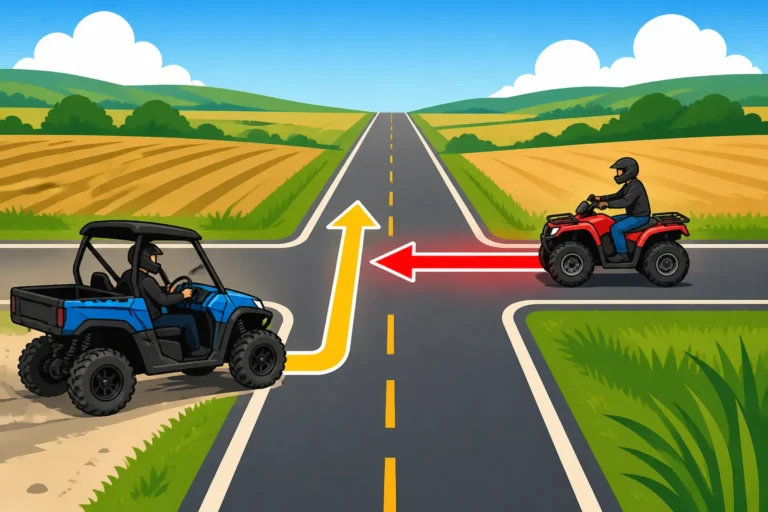
- Crossing Highways: Even if you're just [Nebraska Crossing Rules at Ninety Degrees] on a highway to get from one section of your land to another, that brief moment on public tarmac requires compliance with the state's insurance laws. This seemingly minor action still exposes you to the risks of public roads.
It's a common misconception that if you're using your machine for work, it's somehow exempt from road rules. While there are specific agricultural exceptions for how you can use the road, the requirement for liability insurance when operating on a public thoroughfare is generally universal. Think of it as a safety measure for everyone sharing those spaces, ensuring that potential damages are covered.
Farm and Ranch Use: Are You Still Exempt?
This is a nuanced area and often a source of confusion. When your ATV or UTV is solely operated on private property, such as your own farm, ranch, or a private hunting lease, the state's mandatory liability insurance requirements for road use typically do not apply. You can ride your machine all day long on your own land, and as long as you don't venture onto a public road, the state isn't mandating this specific type of liability insurance.
However, many farmers and ranchers do use their ATVs and UTVs on public roads for agricultural purposes. As we discussed above, in these specific scenarios, the new 2027 minimums will apply. So, the key is the use case. If your [Nebraska Machines Used Only on a Farm] never touch a county road or city street, then the mandatory road-use liability insurance isn't a direct concern for that specific machine's road legality. However, prudent owners often still carry insurance for theft, damage, or liability even on private land, as accidents can happen anywhere, and liability claims from trespassers or even invited guests are always a possibility. It's a risk assessment you, as the owner, need to make for your own protection, even when not legally required.
Out-of-State Visitors and Their Responsibilities
Nebraska is a fantastic state for off-road enthusiasts, and we often have visitors from neighboring states like [Nebraska Visitors From Iowa], [Nebraska Visitors From Kansas], or [Nebraska Visitors From South Dakota] coming to explore our trails or visit family. If you're an out-of-state rider bringing your ATV or UTV into Nebraska and planning to operate it on public roads (where permitted), you generally must comply with Nebraska's insurance laws, including the new 2027 minimums. This means your out-of-state policy needs to meet or exceed Nebraska's updated requirements.
While some states have reciprocity agreements for vehicle registration, insurance is often a different beast, with specific state-mandated minimums. It's always best practice for visitors to check Nebraska's current regulations or contact the county treasurer's office in the area they plan to visit to confirm compliance. You wouldn't want your fun trip to be ruined by an unexpected legal snag or an uninsured accident. Just like you might bring your [Nebraska Trail Map Downloads] with you, bring proof of adequate insurance that meets Nebraska's future requirements if you plan any road use, to ensure a worry-free visit.
Disclaimer
This article is for general informational purposes only and does not constitute professional advice. Laws, prices and regulations vary by location and change over time. Consult a qualified professional for guidance on your specific situation.