Nebraska Rules for Riding a Pasture
There’s a common misconception among ATV and UTV riders in Nebraska that if a piece of land looks open and undeveloped—like a sprawling pasture—it’s fair game for a ride. The reality, however, is far more nuanced and often leads to confusion, frustration, and even legal trouble for riders who aren't careful. This guide is here to untangle the often-complex rules and vital considerations for legally and responsibly riding your ATV or UTV on private pasture land across Nebraska, emphasizing the absolute necessity of proper landowner permission.
The Golden Rule: Landowner Permission is Everything
Let's be unequivocally clear: in Nebraska, if you are riding an ATV or UTV on private pasture land, the single most critical element you must have is explicit, verifiable permission from the landowner. There’s no gray area here, no "implied consent" just because a gate is open or a fence is down. Trespassing laws are serious, and ignorance of who owns the land or what their rules are is simply not an excuse. This isn't just about avoiding a ticket; it's about respecting private property, maintaining good relationships with rural communities, and ensuring the future of responsible off-road riding.
Understanding Trespass Laws in Nebraska
Nebraska's trespassing laws are designed to protect private property rights. If you enter or remain on private land without the express permission of the owner or an authorized agent, you are trespassing. For ATV and UTV riders, this means every single acre of pasture, crop ground, or timber land you traverse must be pre-approved. This includes areas that might look abandoned or unmaintained; they still belong to someone. It’s easy to get lost or accidentally wander onto a neighboring property, especially in large, unfenced pasture areas. Always know your boundaries and, if in doubt, stay out until you can confirm permission.
The consequences of trespassing can range from a verbal warning from a sheriff's deputy to a hefty fine, impoundment of your machine, or even more serious charges depending on the circumstances, such as if you damage property or disturb livestock. Landowners have a right to protect their property, and local law enforcement generally takes these complaints seriously. Imagine the frustration of a rancher finding tire tracks tearing up their carefully managed grass or spooking their cattle; it’s a direct financial and emotional impact.
Why Verbal Permission Isn't Enough
While a quick "Yeah, go ahead and ride" from a friendly rancher might seem sufficient, it's a house built on sand. Memories fade, circumstances change, and if a dispute arises, it becomes a "he said, she said" situation. For your protection and for clarity with the landowner, [Getting Written Permission From a Ranch Landowner] is absolutely crucial. A simple written note, signed by the landowner, detailing who can ride, when, and where, can save immense headaches down the line. It acts as clear proof if you are ever questioned by a neighbor, another family member of the landowner, or law enforcement.
Think of it this way: a written agreement clarifies boundaries. Does permission extend to their entire property, or just a specific section? Are there certain times you can't ride, like during calving season or when hay is being put up? Are there specific rules about gates, speed limits, or avoiding certain areas? All of these details can be ironed out in a written permission slip. It protects both you and the landowner from misunderstandings and ensures everyone is on the same page. Without it, you're leaving yourself vulnerable.
Building Relationships with Landowners
The best way to secure and maintain access to private pasture land is to build a foundation of trust and respect with the landowners. This goes beyond just getting a signature. Offer to help with chores, like [Leaving Pasture Gates the Way You Found Them] (or better yet, closing them if they were open when you arrived), picking up trash, or even checking fences. Show that you value their property as much as you value your riding time. Being a good steward of their land makes them more likely to continue granting access and perhaps even recommend you to their neighbors.
Communicating regularly, respecting their rules, and being mindful of their operations (e.g., avoiding riding during busy harvest times or when livestock are being moved) are key. A small gesture, like bringing a thank-you gift or offering to share some game if you're hunting, can go a long way. Remember, many rural landowners have had negative experiences with disrespectful riders in the past, so demonstrating responsible behavior is your best advertisement for continued access.
What Happens if You Don't Have Permission
Riding on pasture land without permission is trespassing, plain and simple. If you're caught, the consequences can be swift and unpleasant. Law enforcement, often the county sheriff's department, will respond to landowner complaints. At a minimum, you'll likely receive a citation for trespassing, which comes with fines and court costs. Depending on the county and the specific circumstances, your ATV or UTV could be impounded, leaving you with towing and storage fees on top of everything else.
Beyond the legal ramifications, there's the damage to your reputation and the broader ATV/UTV community. One bad actor can spoil access for many others. Landowners who have had negative experiences are less likely to grant permission to anyone in the future, even responsible riders. This is why advocating for and practicing good landowner relations is so important for the long-term health of off-road riding in Nebraska. Don't be the reason a gate gets permanently locked for everyone.
Safety and Etiquette on Private Pasture Land
Riding on private pasture land comes with its own set of challenges and responsibilities that extend beyond simply having permission. You're not just a rider; you're a guest on someone's working property, and your actions can have real consequences for their livelihood, the environment, and your own safety. Adhering to strict safety and etiquette guidelines is paramount for a positive experience for everyone involved.
Protecting the Land and Livestock
One of the landowner's primary concerns will be the well-being of their land and any animals on it. This means being acutely aware of your surroundings. Avoid riding over delicate grass, young crops, or through muddy areas where your tires could cause significant rutting and erosion. Stick to established trails or areas designated by the landowner. If you encounter livestock, slow down, give them a wide berth, and never, ever chase or harass them. Spooking cattle can lead to injuries, miscarriages, or simply stress, all of which have a direct economic impact on the rancher.
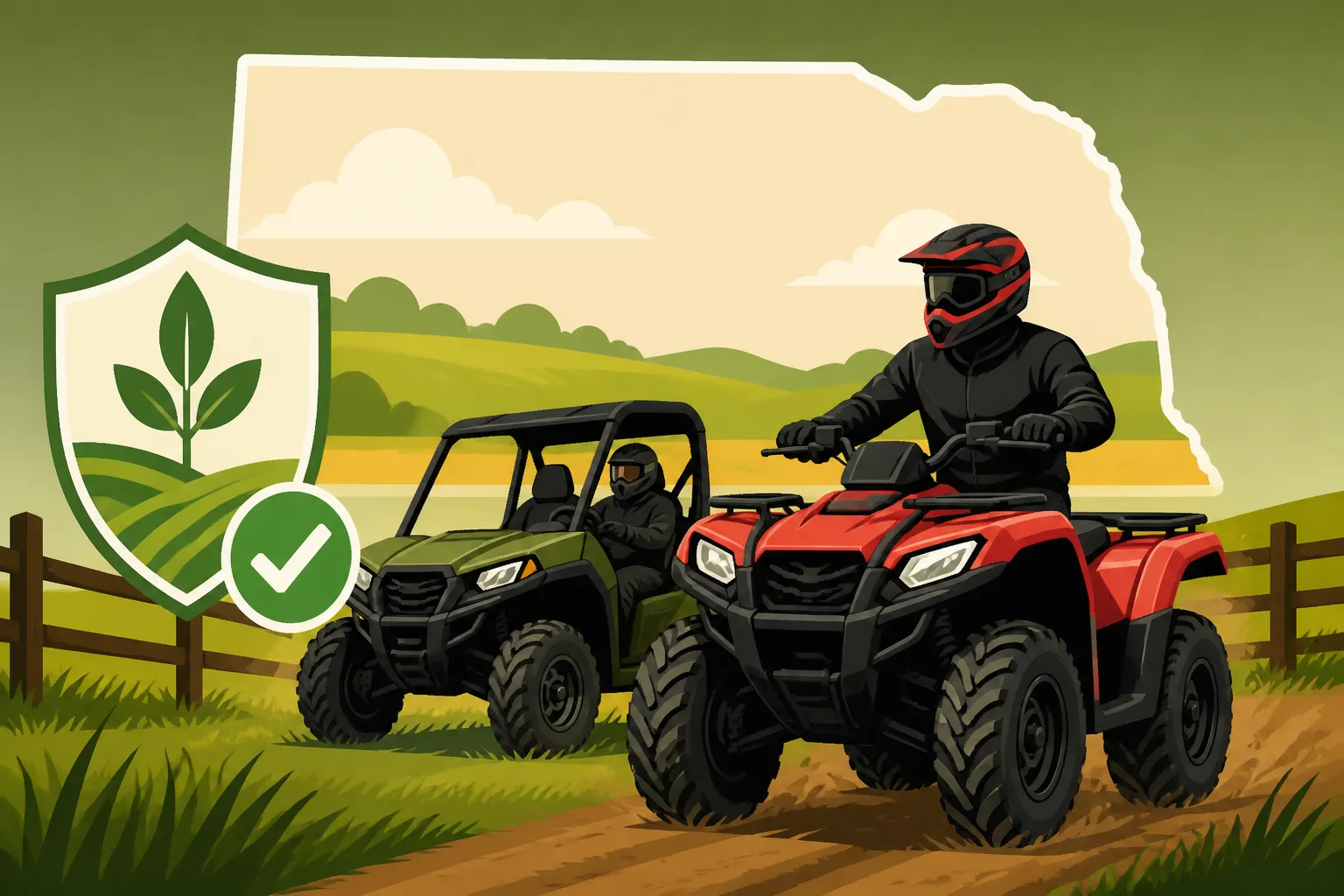
It's also critical to understand biosecurity. Your ATV or UTV can carry seeds, weeds, and even diseases from one pasture to another. A quick wash-down of your machine's tires and undercarriage before entering and after leaving a pasture can prevent the spread of invasive species or pathogens. Be mindful of open water sources like ponds or streams, and avoid contaminating them. Remember, you're not just riding; you're operating in a delicate ecosystem that supports someone's livelihood. [Leaving Pasture Gates the Way You Found Them] is another non-negotiable rule; a forgotten open gate can lead to livestock escaping, mingling with other herds, or wandering onto roads, creating serious problems for the owner.
Personal Safety and Gear Considerations
Pasture riding often means encountering varied terrain, hidden obstacles, and potentially long distances from help. Therefore, personal safety should always be your top priority. Always wear appropriate safety gear, including a helmet, eye protection, gloves, long pants, and sturdy boots. The terrain can be unpredictable, with gopher holes, uneven ground, hidden rocks, and even old farm equipment obscured by grass. A rollover or collision is always a possibility.
Consider adding accessories to your machine to enhance safety and utility. A good set of skid plates from a brand like SuperATV can protect your machine's undercarriage from rocks, stumps, and uneven ground that might be hidden in tall grass. A winch, also available from SuperATV, can be a lifesaver if you find yourself stuck in a muddy section or a soft creek bed, especially when riding alone. Always carry a first-aid kit, water, snacks, a fully charged cell phone (though service might be spotty in remote areas), and a basic tool kit. Inform someone of your route and estimated return time. [What Paperwork a Deputy Can Ask to See] might include your written permission, so keep that readily accessible, perhaps with your [Carrying Your Title Copy on a Ranch Road].
When to Avoid Riding Pastures
There are certain times when even with permission, riding on pastures is ill-advised or prohibited. Wet conditions, for example, can turn firm ground into a muddy mess, leading to deep ruts that damage the pasture and make riding dangerous. Many landowners will explicitly forbid riding immediately after heavy rains or during spring thaw. Similarly, during certain agricultural operations, such as haying, planting, or harvesting, your presence, even if you have permission, can interfere with crucial work.
Hunting seasons can also be a time for caution. If hunting is allowed on or near the pasture, your riding could disturb game or create a safety hazard for hunters. Always check with the landowner about any ongoing activities. Extreme weather, like high winds or drought conditions, can pose fire risks, especially in tall, dry grass. Your machine's exhaust or a stray spark could ignite a wildfire, making fire prevention (like ensuring your spark arrestor is in good working order) paramount. When in doubt, always err on the side of caution and ask the landowner if it's an appropriate time to ride.
Machine Requirements and Maintenance for Pasture Riding
While Nebraska doesn't have specific state-mandated machine requirements solely for "pasture riding" (as it's private land), there are practical and safety considerations you should definitely keep in mind. Preparing your machine for the unique challenges of pasture terrain and performing proper maintenance afterward will extend its life, keep you safer, and ensure you remain in good standing with any generous landowners.
Spark Arrestors and Fire Prevention
This is a non-negotiable item, especially during dry seasons in Nebraska. A spark arrestor is a device that prevents sparks from exiting your ATV or UTV's exhaust system, thereby drastically reducing the risk of starting a wildfire. While public lands like the Bessey Ranger District often require them, riding on private pasture land, particularly in the Sandhills or areas with tall, dry grasses, carries the same, if not greater, risk. A single spark from a faulty or absent spark arrestor can ignite a blaze that devastates acres of pasture, endangers livestock, and could lead to significant legal and financial liability for you.
Always ensure your spark arrestor is properly installed, in good condition, and regularly cleaned. Check for any exhaust leaks or modifications that might bypass this critical safety feature. Carry a small fire extinguisher on your machine, especially during dry periods. This small investment can prevent a minor incident from becoming a major catastrophe. Fire prevention is not just a rule; it's a moral and legal responsibility when operating an off-road machine in agricultural areas.
Recommended Gear and Accessories for Pasture Use
Beyond basic safety gear, equipping your ATV or UTV properly for pasture riding can make a huge difference in both safety and enjoyment. As mentioned, underbody protection like full skid plates and A-arm guards are excellent investments. Tall grass, hidden rocks, and unexpected dips can wreak havoc on delicate components like CV boots, oil lines, and the engine casing. SuperATV offers a range of durable protection options designed to stand up to tough off-road use, saving you costly repairs down the road.
Consider adding sturdy tires with good puncture resistance, as thorns, barbed wire, or sharp rocks can quickly flatten a standard tire. A tire repair kit and a small air compressor are essential. Storage boxes or bags, also available from various accessory providers including SuperATV, can securely hold your tools, water, first-aid kit, and written permission. If you're frequently riding in low light conditions (though usually sunrise to sunset is the rule for pasture), upgraded LED lighting can improve visibility for both you and others on the property. A communication device, such as a two-way radio, can be invaluable if you're riding with a group or need to contact someone on the property without cell service.
General Maintenance After a Pasture Ride
Riding on pastures, especially sandy or dusty ones, can be tough on your machine. Regular cleaning and maintenance after each ride will prevent premature wear and identify potential issues before they become serious problems.
Here’s a simple checklist:
- Cleanliness: Thoroughly wash your ATV/UTV, paying special attention to the underside, suspension components, and radiator fins. Grass, mud, and dust can pack into these areas, leading to overheating or accelerated wear.
- Air Filter: Inspect and clean or replace your air filter, especially if riding in dusty conditions. A clogged air filter restricts airflow, reducing performance and potentially damaging your engine.
- Lubrication: Grease all zerks on your suspension and steering components. Dust and water can quickly wash away grease, leading to premature wear of bushings and bearings.
- Tires: Check tire pressure and inspect for any punctures, cuts, or excessive wear.
- Fluids: Check engine oil, coolant, and brake fluid levels. Pasture riding can be demanding, and keeping an eye on fluids is crucial.
- Brakes: Inspect brake pads and rotors for wear or damage.
- Chains/Belts: If you have a chain-driven ATV, clean and lubricate the chain. For UTVs, inspect your drive belt for any signs of wear or cracking.
This routine maintenance not only keeps your machine in top shape but also ensures it's ready for your next responsible adventure.
Special Considerations for Agricultural Use
Nebraska law distinguishes between recreational ATV/UTV use and machines used for legitimate agricultural purposes. If you're riding on pasture land as part of farming, ranching, or livestock management, some of the rules shift, particularly concerning road use, but the fundamental requirement for landowner permission remains the same. Understanding these distinctions is key to avoiding issues.
Farm and Ranch Work Exemptions
One of the most significant exemptions for ATVs and UTVs in Nebraska relates to agricultural use. While recreational riding on public roads is generally restricted, machines being used for farm or ranch work can often legally operate on public roads (within certain parameters) to access different parts of a farm or ranch, or to perform tasks like checking fences, moving equipment, or [Is Checking Cattle an Agricultural Trip Under the Law?]. This exemption typically applies outside of city limits and has specific requirements, such as a 30 mph speed limit, a five-foot safety flag, and often liability insurance.
However, this doesn't mean you can just hop on a county road to get to any pasture. The machine must be primarily used for agricultural purposes, and the road use must be directly related to that work. Taking a joyride on a county road to get to a pasture for recreational riding would likely not qualify for this exemption. It's important to understand the nuance here: the purpose of the trip matters. If you're genuinely using your [Nebraska Title for a Ranch Machine] or [Nebraska Machines Used Only on a Farm] for its intended agricultural purpose, you have more leeway on public roads connecting your private land.
Carrying Your Paperwork
Whether you're riding for recreation or agricultural purposes, always have your essential paperwork with you when on pasture land, especially if you might traverse any public roads. This includes:
- Written Landowner Permission: As discussed, this is your golden ticket. Keep it handy, perhaps laminated, or a clear digital copy on your phone (though a physical copy is safer if your phone dies).
- Proof of Ownership: This usually means a copy of your ATV's title. If the machine is financed, you'll have a lien on the title, but you should still have access to proof of ownership. [Carrying Your Title Copy on a Ranch Road] is a good practice.
- Proof of Insurance: If you plan on using any public roads, even under the agricultural exemption, you are typically required to have liability insurance. Carry your insurance card or declaration page.
- Driver's License/Farm Permit: If you're operating on public roads, you'll need a valid Class O (operator's) driver's license or a farm permit if you meet those specific qualifications.
A deputy or sheriff's officer on patrol has every right to stop you and ask for this documentation, especially if you are seen on roads or if there's a question of trespass. Being prepared with your paperwork demonstrates responsibility and can prevent a minor stop from escalating into a prolonged and uncomfortable encounter.
Do's and Don'ts for Riding on Nebraska Pastures
| Category | Do's | Don'ts |
|---|---|---|
| Permission | Always obtain written permission from the landowner. | Assume open gates or unfenced land means permission. |
| Clarify boundaries, dates, and specific rules in writing. | Rely solely on verbal agreements. | |
| Land & Livestock | Keep gates exactly as you found them (open or closed). | Leave gates open or closed incorrectly. |
| Avoid sensitive areas like young crops, wet ground, or nesting sites. | Ride through muddy areas, cause ruts, or damage vegetation. | |
| Slow down and give a wide berth to any livestock encountered. | Chase, harass, or scare livestock. | |
| Prevent spread of weeds/diseases by cleaning your machine. | Cross property lines without explicit permission. | |
| Safety & Preparedness | Wear appropriate safety gear (helmet, eye protection, boots). | Ride without a helmet or proper protective equipment. |
| Carry a first-aid kit, water, and basic tools. | Ride alone in remote areas without informing someone of your plans. | |
| Ensure your spark arrestor is clean and functional. | Operate a machine with a faulty or missing spark arrestor in dry conditions. | |
| Inform someone of your route and estimated return time. | Take unnecessary risks or operate your machine recklessly. | |
| Respect & Etiquette | Offer to help with chores or show appreciation to the landowner. | Leave trash or damage the property. |
| Be mindful of landowner operations (e.g., avoid during harvest). | Ride during times or in areas where you might disrupt farming activities. | |
| Carry proof of permission, ownership, and insurance. | Argue with landowners or law enforcement if questioned about your presence. |
Disclaimer
This article is for general informational purposes only and does not constitute professional advice. Laws, prices and regulations vary by location and change over time. Consult a qualified professional for guidance on your specific situation.