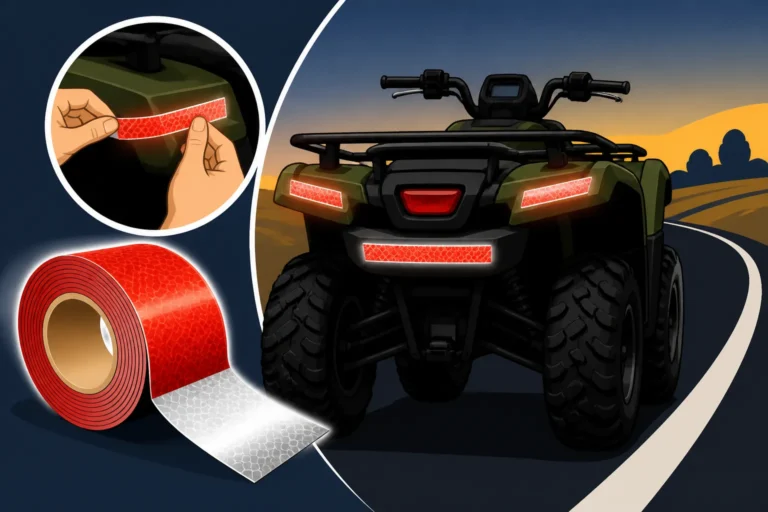
Nebraska City ATV Registration Fees
It's incredibly frustrating, isn't it? You've got your ATV or UTV, you love hitting the trails or using it for work, and maybe you've heard whispers that you can actually ride it on some city streets in Nebraska. But then comes the big question: what about the fees? What exactly does it cost to get registered, and where do you even begin? This guide is here to untangle that knot, walking you through the ins and outs of Nebraska city ATV and UTV registration fees, the process involved, and what to expect when you're ready to take your machine beyond the property line and onto the pavement.
The Local Landscape of ATV/UTV Registration in Nebraska
One of the biggest head-scratchers for ATV and UTV owners in Nebraska is the sheer variety of rules about where you can ride. It’s not like registering your car, where the state pretty much handles everything from top to bottom. With off-road machines, it gets a whole lot more granular, diving deep into the realm of local control. This is where cities and towns really come into play, making their own decisions about opening streets and, inevitably, about how much they’re going to charge you to do it.
Why Cities, Not the State, Regulate Road Use
Let’s be honest, it would be much simpler if there was one clear, statewide rulebook for riding ATVs and UTVs on public roads. But in Nebraska, that's just not the reality. The state legislature has primarily focused on titling ATVs and UTVs through county treasurers – a process entirely separate from registering them for road use. You see, the state has long resisted calls for a blanket statewide registration system for off-highway vehicles, preferring to keep the roads largely closed to them. There have been discussions, proposals like [Nebraska's Attempt at Statewide Registration], but for various reasons, these efforts haven't come to fruition.
Because the state has taken a hands-off approach to road registration for ATVs and UTVs, the responsibility—and the authority—falls directly to local municipalities. Cities, villages, and even county boards in unincorporated areas have the power to enact their own ordinances. They get to decide if they want to allow ATVs and UTVs on their streets, and if so, under what specific conditions. This local control gives communities the flexibility to tailor rules to their unique needs and concerns, but it also creates the very patchwork system that riders often find so confusing.
The Patchwork of Local Ordinances
Imagine trying to navigate a map where every block has a different set of rules. That's pretty close to what it feels like when you're trying to figure out where you can legally ride your ATV or UTV in Nebraska. One town might enthusiastically embrace off-road vehicles on its streets, seeing them as a boon for local businesses or a convenience for residents. They might have a straightforward registration process and reasonable fees. Just a few miles down the road, another community might have a completely different stance, with stricter rules, higher fees, or outright bans on ATVs and UTVs on public roads.
This isn't just a matter of different towns having different speeds or parking rules; it's about fundamental differences in whether your machine is welcome on their streets at all. Some smaller towns, especially those with an agricultural focus or near popular riding areas, are more likely to have embraced ATVs and UTVs as a practical means of transportation for local residents. Larger cities, with more traffic, pedestrian concerns, and complex infrastructure, tend to be more hesitant, or impose much stricter limitations. This inconsistency means that if you plan to ride your machine in more than one municipality, you'll need to check the specific ordinances for each of those places.
What an Ordinance Actually Means for Riders
When a city or village passes an ordinance allowing ATV or UTV use on its streets, it's essentially creating a mini-legal framework for your riding. This isn't just about paying a fee; it's about a whole set of conditions that you, as the rider, must adhere to. The ordinance will typically outline which streets are open (often not state highways or major thoroughfares), the hours of operation (usually daylight hours, with some exceptions for things like snow removal), and specific equipment requirements. You'll likely find mandates for things like headlights, taillights, brake lights, turn signals, mirrors, and even a safety flag, similar to what you might need with a SuperATV street legal kit.
Beyond equipment, these ordinances often specify minimum age requirements for riders, whether passengers are allowed, and sometimes even the speed limits for these machines on city streets. They will almost certainly require proof of liability insurance, just like a car, to ensure that if an accident happens, there's coverage. And, of course, the ordinance will detail the registration process itself: where to go, what paperwork to bring, and the exact fees you'll be expected to pay. Understanding these details is crucial because simply paying a fee doesn't grant you carte blanche to ride anywhere, anytime. You're still operating under a specific set of rules designed to keep everyone safe. [Nebraska City Age Requirements] will often be part of these ordinances, for example, dictating who can legally operate one of these machines on city streets.
Understanding Typical City Registration Fees
So, you've done your homework, and your local city or village allows ATVs or UTVs on its streets. Great! The next step is usually understanding the financial commitment involved. This isn't a one-time thing, and the costs can fluctuate quite a bit depending on where you live. It’s more than just a simple sticker price; it’s an ongoing responsibility that comes with the privilege of street use.
The Annual Fee Structure
Most Nebraska cities that allow ATV and UTV street use operate on an annual registration fee structure. This means you'll pay a fee once a year to keep your machine legal for road use within that specific municipality. Think of it like a yearly membership to ride on their streets. These fees are designed to cover the administrative costs associated with issuing permits, managing the program, and sometimes, even contribute to local road maintenance or public safety initiatives.
The beauty (or sometimes the frustration) of an annual fee is its predictability. Once you know your city's rate, you can budget for it each year. These fees typically run on a calendar year, or sometimes a fiscal year, so it's important to know when your renewal is due. If you purchase your machine partway through the year, some cities might prorate the fee, meaning you pay a reduced amount for the remaining months. Others might require the full annual fee regardless of when you register. This is a question worth asking your city clerk when you inquire about the process. For specific examples, check out resources that outline actual [Nebraska City ATV Registration Fees] to get a clearer picture of what nearby towns might charge.
Variations in Cost: From Nominal to Substantial
The actual dollar amount for city ATV and UTV registration can vary significantly. In some smaller towns, you might find a nominal fee, perhaps just enough to cover the cost of a sticker and some administrative time. These communities might view ATV access as a service to their residents and want to keep the barrier to entry low. On the other end of the spectrum, some cities might charge a more substantial fee, especially if they have more complex infrastructure, higher enforcement costs, or if they view the revenue as a way to offset potential impacts on city roads.
There isn't a statewide standard fee, so don't be surprised if the town a few miles over charges something entirely different. Factors influencing the cost can include the size of the city, the number of registered machines they anticipate, and their philosophy on recreational vehicle use within city limits. It’s not uncommon to see fees range from modest to several times that amount annually. These variations highlight why direct communication with your specific city hall is paramount. Don't assume the fee in one town will be the same as in another.
How Fees Are Used by Local Municipalities
Ever wonder where your registration money actually goes? It's a fair question, and typically, these fees are earmarked for several local government functions. Primarily, they cover the administrative overhead of the program itself. This includes the staff time to process applications, print and distribute stickers or permits, and maintain records. Many cities also allocate a portion of these funds to law enforcement, helping to cover the costs of enforcing the ATV ordinance and ensuring safe operation on city streets. This might involve additional patrols or specific training for officers on ATV laws.
Beyond administration and enforcement, some cities might direct a portion of the revenue towards general fund purposes, which can then be used for a wide range of municipal services, including road maintenance. While your registration fee for an ATV might not directly pay for a brand-new street, it can indirectly contribute to the overall upkeep of the public infrastructure. Understanding that these fees support local operations can sometimes make the cost feel a little more justifiable, as you're directly contributing to the services that allow you to ride.
The Registration Process: Steps and Requirements
Once you've wrapped your head around the idea of city-specific rules and fees, the next logical step is to dive into the actual process of getting your ATV or UTV registered. It's not overly complicated, but like any bureaucratic process, it requires a bit of preparation and attention to detail. Skipping a step or forgetting a document can mean extra trips and unnecessary delays, which nobody wants when they're eager to get out and ride.
Gathering Your Documents
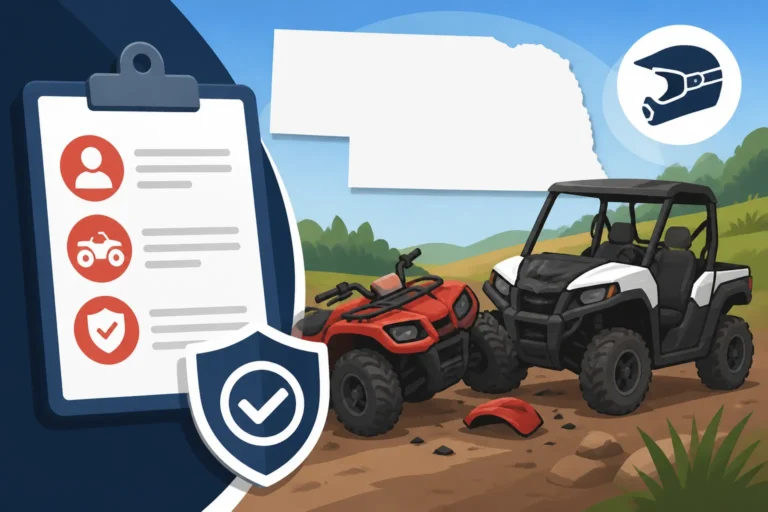
Preparation is key, and that starts with having all your necessary paperwork in order before you even walk through the door of city hall. Just like when you're titling a machine for the first time with the county treasurer, you'll need proof of ownership. This usually means your official Nebraska ATV title. Remember, [Nebraska County Treasurers Handle ATV Titles], so your title will come from them, not the city. You'll also need proof of identity, typically a valid driver's license. Many cities will require that you hold at least a Class O license, which is a standard operator's license, or a farm permit, if the machine is primarily used for agricultural purposes.
Beyond ownership and identity, most cities will demand proof of liability insurance. This isn't optional for road use; it's a critical component of safety and responsibility. You'll need an insurance card or declaration page showing that your policy meets the state's minimum liability requirements, even though the state generally only requires insurance for machines used on public roads. Finally, be prepared to provide details about your specific machine, such as the make, model, year, and vehicle identification number (VIN). Some cities might even have a specific form you'll need to fill out, so it's a good idea to check their website or call ahead. It's much like gathering everything you'd need for [What to Bring to the County Treasurer's Window] for titling, but with additional city-specific requirements.
Where to Apply: City Hall vs. County Treasurer
Here's where it can get a little confusing for new riders: your machine’s title is handled by your local County Treasurer's Office. This is the legal document proving ownership. However, when it comes to city street registration, you'll almost always be dealing directly with your city or village hall, or whatever administrative office handles local permits. The county treasurer is not typically involved in city-specific road use permits. So, don't make the mistake of showing up at the county building expecting to get your city street permit!
When you contact your city or village hall, ask for the clerk's office or the department that handles permits and licenses. They will be the ones to provide the necessary application forms, explain the local ordinance in detail, and collect your registration fee. While you might visit the county treasurer for [Nebraska Titles Through a County Office], remember that city registration is a separate entity entirely, with its own distinct location and process. This distinction is crucial to avoid wasted trips and frustration.
Age and Residency Requirements
Local ordinances aren't just about the machine; they're also about the rider. Most cities will have specific age requirements for anyone operating an ATV or UTV on public streets. These often align with the state's general rules for operating motor vehicles, meaning you'll likely need to be at least 16 years old and hold a valid driver's license. Some ordinances might have provisions for younger riders if they are accompanied by an adult, but for independent street use, a licensed driver is typically the baseline. [Nebraska City Age Requirements] will explicitly state these limits, so confirm them before you send a younger rider out.
Residency is another critical component. These city registration programs are almost exclusively for residents of that particular municipality. You generally cannot register your ATV or UTV for street use in a city where you don't actually reside. The purpose of these ordinances is to serve the local community and its tax-paying citizens. So, if you live outside city limits, even if it's just a few miles down the road, you likely won't be eligible for their specific street registration program. If you own a cabin or property in another town but don't officially reside there, you'll need to check if their rules have any exceptions, but usually, continuous residency is a firm requirement, as detailed in most [Nebraska City Residency Requirements].
Beyond the Initial Fee: Other Costs and Considerations
Getting your ATV or UTV registered with the city is certainly a significant step, but it's important to remember that the annual fee is just one piece of the financial puzzle. Being street-legal often comes with other requirements, both legal and practical, that carry their own costs. Thinking about these additional expenses upfront will help you avoid surprises and ensure you're fully prepared for responsible road use.
Insurance: A Non-Negotiable for Road Use
Let's be absolutely clear: if you plan to operate your ATV or UTV on public roads in Nebraska, even city streets that permit it, liability insurance is almost universally required. This isn't just a city rule; it's often a state mandate that applies to any motor vehicle operated on public ways. The specific minimum coverage amounts will typically mirror those required for cars and trucks (for instance, the upcoming [Nebraska Insurance Minimums From 2027] will increase current requirements). This means you'll need to show proof of financial responsibility in case you're involved in an accident that causes damage or injury to others.
The cost of this insurance will vary based on several factors: the type of machine you own, your driving record, where you live, and the coverage limits you choose. While some people might carry only the minimum liability, many riders opt for additional coverage like comprehensive (for theft or vandalism) or collision (for damage to your own machine). It's a critical expense that often goes overlooked by those focused solely on the registration fee. Make sure to get quotes from insurance providers and factor this ongoing cost into your budget. Simply put, [Nebraska Requires Liability Insurance on Roads], and that's not something you can skip.
Equipment Upgrades for Road Legality
Most ATVs and UTVs, as they come from the factory, are not immediately street legal. They're designed for off-road environments, and city ordinances will almost certainly require specific equipment upgrades to make them safe and compliant for street use. This often includes things like working headlights (sometimes requiring them to be on at all times, even during the day), taillights, brake lights, turn signals, and a horn. You’ll also need at least one rearview mirror, and often, a prominently displayed orange safety flag that meets specific height and dimension requirements.
These upgrades aren't just suggestions; they're legal mandates for road use. The good news is that there are many aftermarket options available to help you meet these requirements. Companies like SuperATV offer a wide range of street legal kits that bundle many of these necessary components into one convenient package. While this is an upfront cost, it's essential for both legality and safety. Without the proper lights, signals, and mirrors, you're not only risking a citation but also compromising your visibility and ability to communicate with other drivers, even if you’re only riding on specific city streets. A five-foot safety flag, for example, is commonly required, and often specified in local ordinances, as outlined in [Why Road-Legal ATVs Need a 5-Foot Safety Flag].
Renewal Processes and Potential Late Fees
Just like your car's registration, your city ATV/UTV registration isn't a one-and-done deal. It's an annual commitment, and you'll need to renew it regularly to maintain your street-legal status. Cities will typically send out renewal notices by mail or email a few weeks or months before your current registration expires. Pay attention to these notices, as they'll provide instructions on how to renew, the current fee, and the deadline.
The renewal process is usually simpler than the initial registration, often just requiring you to pay the fee and confirm your insurance. However, missing the renewal deadline can come with consequences. Many cities impose late fees, which can quickly add up and make your annual registration more expensive than it needs to be. In some cases, if your registration lapses for too long, you might even have to go through the full initial registration process again. It’s always best to mark your calendar and get that renewal done on time. Thinking about how [Renewing a Town ATV Registration at City Hall] works will save you time and money.
Challenges and Tips for Navigating Local Rules
The varied nature of Nebraska's ATV and UTV road laws can be a real headache. It's not always intuitive, and trying to keep track of what's allowed where can feel like a full-time job. But don't despair! There are strategies you can employ to make sense of it all and ensure you're riding legally and safely.
The Frustration of Inconsistent Rules
Let's face it: the biggest challenge is the sheer inconsistency. You might be able to legally cruise down Main Street in Elmwood, but cross the county line into another village, and suddenly your machine is relegated strictly to private property. This can be incredibly frustrating, especially if you live in a rural area where you regularly travel between different small towns, or if you want to visit friends or family in another municipality. There’s no common state sticker, and no overarching state permit that lets you ride everywhere.
This fragmented system means that a fun day of riding can quickly turn stressful if you're constantly worried about accidentally straying onto a prohibited street. It requires a diligent and proactive approach from riders to research and understand the specific rules of every area they intend to visit. This isn't an ideal situation for fostering a widespread riding culture on public roads, but it is the reality for ATV and UTV enthusiasts in Nebraska.
How to Research Your Local Ordinance
Given the local nature of these rules, your best friend in navigating the system is your local city or village hall. Don't rely on hearsay or what your buddy heard from his cousin's neighbor. Go straight to the source. Here's how you can effectively research your local ordinance:
- Visit or Call City Hall: This is the most direct method. Ask to speak with the city clerk or whoever handles local permits and ordinances. They can provide you with a copy of the specific ATV/UTV ordinance, explain the registration process, and clarify any ambiguities.
- Check the City's Official Website: Many municipalities, even small ones, now post their ordinances online. Look for sections related to "ordinances," "code of conduct," "motor vehicles," or "ATVs/UTVs." Using search terms like "city of [name] ATV ordinance" can often lead you directly to the relevant document. [How to Find Your Town's ATV Ordinance Online] is an excellent starting point.
- Talk to Local Riders: While not the official source, experienced local riders can offer valuable insights into common practices, enforcement patterns, and any unwritten rules or local nuances. Just be sure to cross-reference their information with official sources.
- Review County Board Resolutions: If you live in an unincorporated village, your county board might be the entity that has passed a resolution allowing ATVs. Contact your county clerk for this information.
Always make sure you're looking at the most current version of the ordinance, as rules can change over time.
Advocating for Rider-Friendly Ordinances
If your city doesn't currently allow ATVs or UTVs on its streets, or if the current ordinance is overly restrictive, you're not powerless. Local government is often more accessible and responsive to citizen input than state or federal levels. You can become an advocate for responsible ATV and UTV use in your community.
Consider forming a local riding group or joining an existing one. Together, you can approach your city council or village board with a well-researched proposal. Highlight the economic benefits (e.g., increased traffic for local businesses), the practical uses for residents (e.g., snow removal, farm work, ease of access), and the safety measures you're willing to commit to. Presenting a clear, concise, and responsible plan, perhaps even modeling it after successful ordinances in other Nebraska towns, can be very effective. Show them that riders are committed to safety, respect, and being good neighbors. Many local councils are open to listening to their constituents, especially if presented with a thoughtful plan. [Asking the Sheriff Whether a County Road Is Open] for example, can be an initial step in understanding local sentiment and enforcement.
What to Expect After Registration
So, you’ve done all your homework, gathered your documents, paid your fees, and finally, your city has issued you a registration. Congratulations! You’re now officially cleared to ride your ATV or UTV on designated city streets. But what does that actually look like, and what are the ongoing responsibilities? Getting registered is a big step, but understanding what comes next is just as important for safe and legal riding.
Displaying Your City Registration
Once your city registration is complete, you'll typically be issued some form of proof. This might be a physical sticker that needs to be affixed to your machine in a visible location, like a fender or frame. Other cities might issue a small plate or a permit card that you're required to carry with you whenever you're riding on public streets. The purpose of this display is clear: it allows law enforcement to quickly verify that your machine is authorized for street use within their jurisdiction.
It's crucial to follow the city's instructions precisely on where and how to display this registration. If it's a sticker, ensure it's placed where it won't be easily damaged or obscured. If it's a card, make sure it's stored securely on your person or in the machine, readily accessible if a police officer requests to see it. Unlike cars, ATVs and UTVs don't get traditional license plates from the state, so this city-issued proof is your primary indicator of legality for street access. This is why [Why a Titled ATV Still Has No Plate] is an important distinction; the title is for ownership, the city registration is for street legality.
Understanding Road Restrictions and Hours
Having city registration does not mean you can treat your ATV or UTV like any other car or truck. Almost all city ordinances will come with specific road restrictions and hours of operation. These are put in place for safety, noise control, and to manage traffic flow. Common restrictions include:
- Designated Streets: You'll often find that only certain streets are open to ATVs and UTVs, typically secondary roads, alleys, or those within unincorporated villages. Major state highways or busy arterial roads are usually off-limits.
- Speed Limits: Even if the posted speed limit for cars is 45 mph, your ATV or UTV might be restricted to a lower speed, such as 30 mph or less, when operating on city streets.
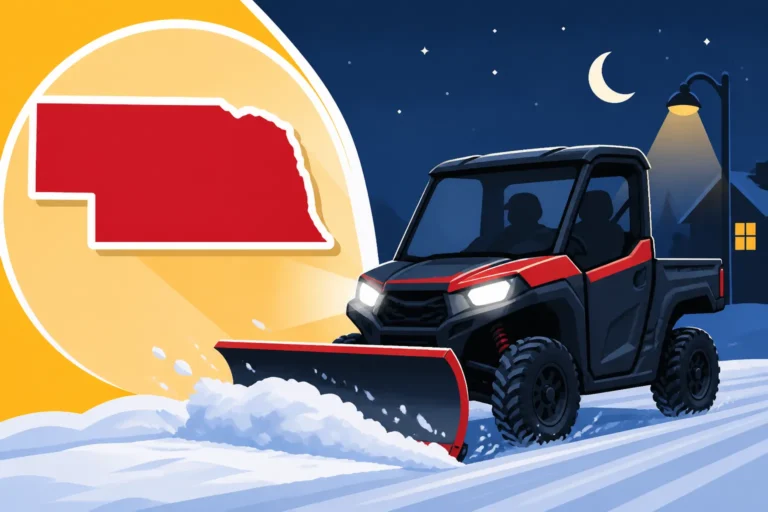
- Hours of Operation: Many ordinances limit riding to daylight hours, for example, from sunrise to sunset. There might be specific exceptions for things like plowing snow during nighttime hours, but generally, nighttime recreational riding on city streets is prohibited.
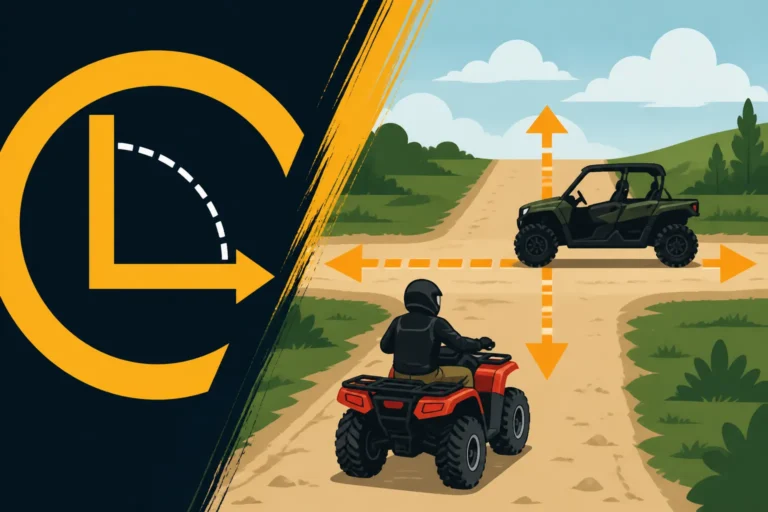
- Crossing Rules: There may be specific rules for crossing major highways, often requiring you to do so at a 90-degree angle and after coming to a complete stop.
It's your responsibility as the rider to know and adhere to these specific rules. Ignorance of the law is rarely an excuse, and violating these restrictions, even with a valid registration, can lead to citations. Familiarize yourself with all the details, especially those outlined in [Nebraska Rules for Riding a City Street] in your particular town.
Potential Penalties for Non-Compliance
Operating your ATV or UTV on city streets without proper registration, or in violation of the ordinance's rules, can lead to various penalties. Law enforcement officers, whether city police or county deputies, are empowered to enforce these local laws. The exact penalties can differ from one municipality to another, but generally, you can expect fines, much like a traffic ticket.
For minor infractions, such as not displaying your sticker correctly or riding slightly outside the designated hours, you might face a monetary fine. More serious violations, like operating an unregistered machine or riding on a clearly prohibited major street, could result in higher fines and potentially even impoundment of your machine. Repeated offenses could lead to more severe consequences. It's also worth noting that if you're involved in an accident while operating illegally, your insurance company might deny coverage, leaving you personally liable for damages. Understanding [Nebraska Penalties for Illegal Road Riding] is a strong motivator to ensure you're always in compliance. Always prioritize understanding and following the rules to avoid these unpleasant and costly consequences.
Summary of Key Registration Considerations
| Aspect | Detail |
|---|---|
| Authority | City/Village Ordinances (not statewide) |
| Fees | Annual; varies widely by municipality; check with local city hall |
| Location for Reg | City Hall or municipal permits office (not County Treasurer for city registration) |
| Required Documents | ATV/UTV Title, Proof of ID, Proof of Liability Insurance, Machine Details (VIN, Make, Model) |
| Eligibility | Typically requires residency within the registering city/village, valid driver's license (Class O or farm permit) |
| Equipment | Often requires street-legal upgrades: headlights, taillights, brake lights, turn signals, mirrors, horn, safety flag (e.g., SuperATV kits) |
| Ongoing Costs | Annual registration fee, liability insurance premiums, potential equipment maintenance |
| Road Restrictions | Specific designated streets, speed limits (often 30 mph or less), daylight hours (with exceptions), specific crossing rules for highways |
| Penalties | Fines for non-compliance, potential machine impoundment, insurance denial in case of accident while operating illegally |
| Renewal | Annual renewal required; late fees apply for missed deadlines |
Disclaimer
This article is for general informational purposes only and does not constitute professional advice. Laws, prices and regulations vary by location and change over time. Consult a qualified professional for guidance on your specific situation.