Nebraska Rules for Riding With a Dog
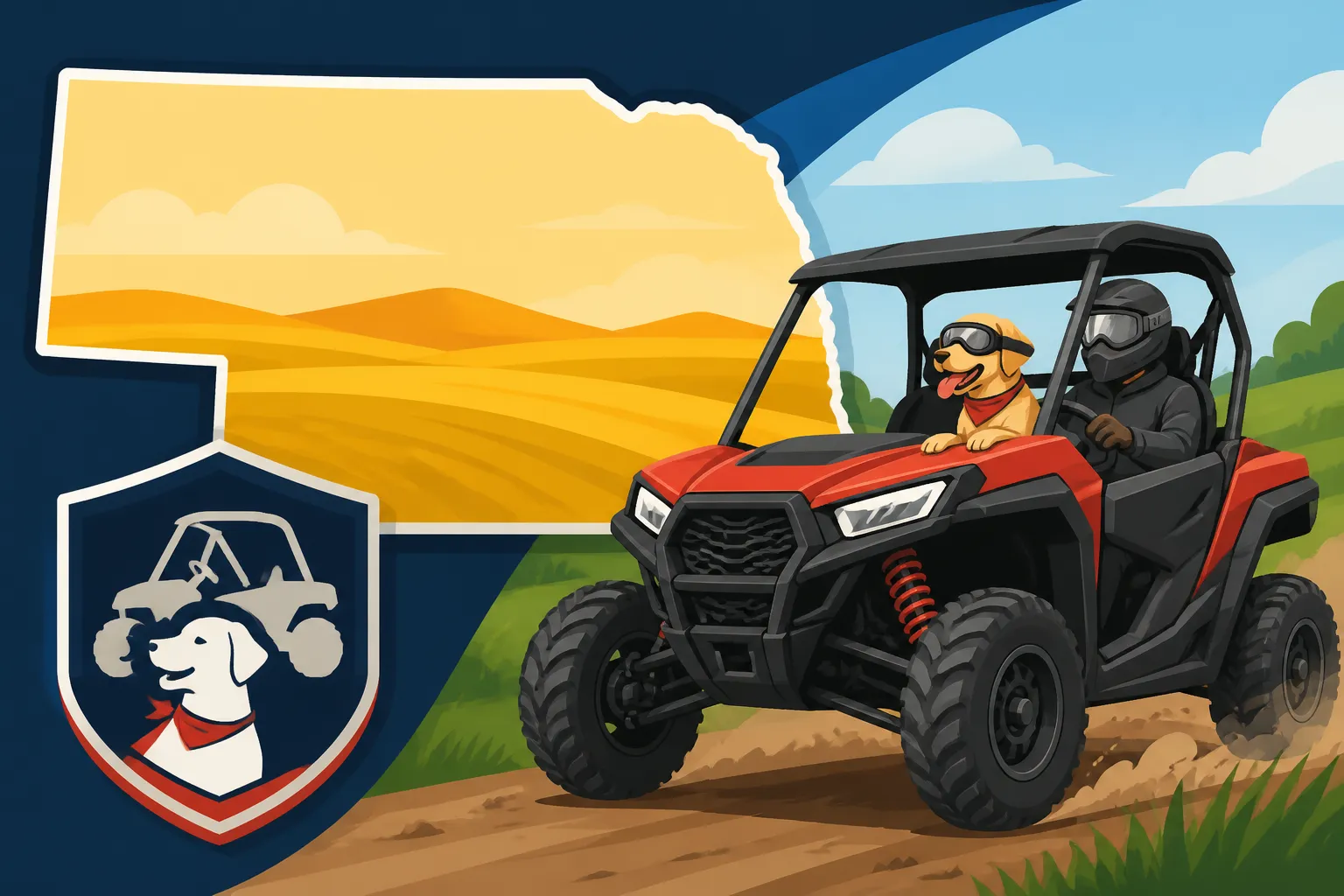
There’s nothing quite like hitting the trails or cruising a gravel road on your ATV or UTV, especially when you can share that experience with your best four-legged friend. But before you load up Fido, it’s crucial to understand the specific rules and considerations for riding with a dog in Nebraska, as mishandling this can lead to safety risks, fines, and even a very unhappy pup. Many riders assume that if their machine is legal, their dog is too, but the reality is far more nuanced, demanding careful planning for both safety and legal compliance.
Understanding Nebraska's General ATV/UTV Road Rules and Your Dog
When it comes to riding an ATV or UTV on public roads or trails in Nebraska, the primary focus of the law is on the machine and its operator, not directly on passengers, whether human or canine. However, the existing rules for operating your machine indirectly dictate how and if you can safely and legally bring a dog along. There aren't specific statutes stating "your dog must wear a helmet" or "dogs need a special permit," but general safety and animal welfare laws still apply. Ignoring these can lead to problems for you and your furry companion.
The Lack of Specific Canine Regulations
One of the biggest frustrations riders face is the lack of explicit guidance when it comes to riding with pets. You won't find a line item in Nebraska Revised Statutes dedicated to "ATV dog passenger rules." This void means that other, broader laws come into play, such as animal cruelty statutes, distracted driving rules, and local ordinances. What might be perfectly acceptable on your own private ranch land could be a big no-no on a county road or within city limits. This ambiguity places the burden squarely on the rider to use common sense and prioritize safety above all else. A deputy pulling you over might not have a specific "dog riding" citation, but they can certainly issue a ticket for unsafe operation, distraction, or even animal neglect if your dog is clearly in distress or unsecured. It's a tricky balance to navigate, and it often means erring on the side of caution.
How Road Legality Impacts Your Dog's Ride
If you’re riding your ATV or UTV on a public road in Nebraska, you're already subject to a specific set of rules. This includes requirements for a safety flag, headlights, taillights, a Class O license or farm permit, and liability insurance. You also have to adhere to speed limits and specific crossing procedures. [Can You Drive an ATV on the Road in Nebraska?] provides a great overview of these foundational requirements. Now, imagine trying to comply with all of that while also managing an unrestrained dog. It quickly becomes clear why securing your dog properly is not just a good idea, but essential for maintaining control of your machine and avoiding a potential accident.
For instance, if your dog is loose in the bed of your UTV and suddenly jumps up or tries to get out at an intersection, it could easily distract you from stopping or yielding properly. A dog on your lap on an ATV, while perhaps comforting, significantly impairs your ability to steer and react, especially at the [Nebraska's 30 mph Road Limit] required for road use. Even if you're just making a quick trip down a gravel county road, these factors can quickly turn a fun outing into a dangerous situation. Think about the added complexities if you also need to demonstrate [Nebraska Insurance Proof for Road Use] or go through [Nebraska Equipment Checks by Deputies] with a stressed or unruly dog. It's not just about what the dog can do, but what it might do in an unpredictable environment.
Safety First: Securing Your Dog for the Ride
The most critical aspect of riding with your dog, regardless of where you are, is their safety and the safety of everyone around them. An unsecured dog is a projectile in an accident and a serious distraction in normal operation. Investing in the right gear and understanding proper restraint methods is non-negotiable for responsible ATV/UTV owners who want to bring their pets along.
Choosing the Right Restraint Method
There isn't a one-size-fits-all solution for securing your dog. The best method depends heavily on the type of machine you're riding (ATV vs. UTV), the size and temperament of your dog, and the terrain you'll be covering.
Here's a breakdown of common options:
| Restraint Type | Best Suited For | Pros | Cons | Important Notes |
|---|---|---|---|---|
| Travel Crate/Kennel | UTV bed, larger ATVs with racks | Most secure, protects dog from debris, contains dog | Bulky, requires space, can be hot if not ventilated | Must be securely strapped down to prevent movement. Look for impact-resistant crates. |
| Pet Carrier (Soft) | Smaller ATVs (front/rear rack) | Lighter, some offer padded comfort, collapsible | Less impact protection, may not contain determined dogs | Only for small, calm dogs. Must be strapped down tightly. Ensure ample ventilation. |
| Safety Harness & Seatbelt | UTV cab, ATV passenger seat | Allows dog to sit/stand, keeps dog in place | Less protection in rollover, dog can still move/distract, choking hazard if not fitted correctly | Harness must be crash-tested. Never attach to a collar. Short leash to limit movement. |
| Dog Seat/Booster | UTV cab, ATV front rack (small dogs) | Elevated view for dog, specific attachment points | Limited to smaller dogs, less protection than a crate | Must be secured to the machine. Check weight limits. Consider a small dog in a securely mounted SuperATV cargo box. |
For UTVs, the bed is often the most practical place for a secured crate. You can strap it down using heavy-duty ratchet straps attached to the bed's tie-down points. For additional protection against dust, debris, and wind, consider adding a rear panel or enclosure to your UTV. Brands like SuperATV offer robust cargo boxes and enclosures that can be integrated into your UTV's design, providing a more secure and comfortable space for a crated dog.
For ATVs, it's trickier. Larger ATVs with front or rear racks can sometimes accommodate a small, well-secured crate or a soft carrier for very small dogs. The key word is securely. An unsecured crate can shift, fall off, or even slide into the wheels, creating a hazardous situation for both you and your dog. Never let your dog ride on your lap on an ATV – it's incredibly dangerous, compromising your balance and ability to react.
Protecting Your Dog from the Elements and Terrain
Beyond just securing them in place, you need to think about what your dog will experience on the ride. This includes:
- Sun and Heat: Nebraska summers can be brutal. Dogs can overheat quickly, especially in the sun or in an enclosed space without proper ventilation. Provide shade, offer frequent water breaks, and consider cooling vests for longer rides. Know the signs of heatstroke. [Nebraska Riding in Summer Heat] reminds us how quickly conditions can change.
- Dust and Debris: Riding on gravel roads or dusty trails can kick up a lot of particulate matter. This can irritate your dog's eyes, nose, and lungs. Goggles designed for dogs can protect their eyes, and a well-ventilated carrier can offer some reprieve from the dust.
- Rough Terrain: Bumps, jolts, and sudden stops can be jarring. Ensure their space is padded and comfortable. If using a harness, make sure it's snug but not restrictive, preventing them from being tossed around.
- Paw Protection: If your dog is walking on rough terrain at stops, consider dog boots to protect their paws from sharp rocks, hot surfaces, or thorns.
Think about the environment your dog will be in. A dog riding in a UTV cab, perhaps in a SuperATV pet seat, might be protected from dust and wind, but could still be a distraction if not properly secured with a harness. A dog in a crate in the bed needs protection from flying rocks and exhaust fumes. Each scenario requires thought and preparation.
Considerations for Different Riding Environments
Where you ride in Nebraska significantly impacts the rules and best practices for bringing your dog along. The regulations on private land differ vastly from those on public trails or designated road routes.
Riding on Private Property (Farm, Ranch, Hunting Leases)
For many Nebraska riders, the most common place to use an ATV or UTV is on private land—farms, ranches, or hunting leases. On these properties, the primary rules are those set by the landowner and general animal welfare laws.
- Landowner Permission: If it's not your land, always get explicit permission from the landowner before bringing your dog. They might have concerns about their livestock, other working dogs, or even specific hunting rules. Respect their wishes. [Nebraska Trespass Law for Riders] emphasizes the importance of permission.
- Leash Laws: While not always strictly enforced on sprawling private land, keeping your dog leashed or under strict voice control is paramount, especially if there are cattle, horses, or other animals present. A chasing dog can stress livestock, potentially leading to injuries or financial loss for the landowner.
- Waste Management: Even on private land, be a responsible pet owner. Pack out your dog's waste, especially near trails, gates, or common areas.
- Hunting Seasons: Be acutely aware of hunting seasons. If you’re riding on land where hunting is permitted, ensure your dog is highly visible with blaze orange gear, and consider avoiding certain areas during peak hunting times for their safety. [Nebraska Hunting Season and Land Access] is something every rural rider should keep in mind.
On a working ranch, for example, your ATV or UTV might be an essential tool for checking cattle. Having a well-behaved, securely crated dog in the bed of your UTV might be perfectly acceptable and even common practice. However, a rambunctious dog freely roaming the cab, potentially interfering with controls or startling livestock, would likely be seen as a liability.
Riding on Public Lands and Designated Trails
Public lands, such as the Bessey Ranger District or Cedar Run ATV Trail, often have specific regulations regarding pets. These rules are put in place to protect wildlife, maintain trail conditions, and ensure a positive experience for all users.
- Leash Laws: Most public trails and recreational areas have strict leash laws. Your dog must be on a leash, typically no longer than six feet, and under control at all times. This prevents them from disturbing wildlife, encountering other trail users (who might not appreciate an off-leash dog), or wandering off and getting lost. [Nebraska WMA Riding Rules] and rules for national forests often include such requirements.
- Waste Disposal: Just like in a city park, you are generally required to clean up after your dog on public trails. Pack it out—don't leave waste bags on the trail.
- Designated Areas: Some public areas might have specific sections where dogs are not allowed, or areas where motorized vehicles are restricted, which would obviously mean your dog cannot go there either. Always check the specific rules for the area you plan to visit, such as the [Bessey OHV Trails at Halsey in Nebraska] or [Flat Rock Riders OHV Park in Nebraska].
- Interaction with Wildlife: Even if your dog is leashed, be mindful of wildlife. A dog barking at or trying to chase animals can stress them and disrupt their natural behavior.
- Water Sources: Natural water sources might be tempting for your dog, but be cautious of stagnant water, agricultural runoff, or algae blooms that could be harmful. Always bring plenty of fresh water for your dog.
It’s easy to assume that because you’re "out in nature," rules are relaxed, but public lands are managed environments with specific guidelines to preserve them for everyone. A quick call to the local ranger district or park office before you head out can save you a lot of trouble and ensure your dog's visit is safe and legal.
Riding on City Streets and Unincorporated Villages
While less common for ATV/UTV use, some Nebraska cities and unincorporated villages have ordinances allowing ATVs and UTVs on their streets. If you're riding in one of these areas, any local leash laws or animal control ordinances would also apply to your dog.
- Local Ordinances: Just as you need to know [Nebraska Rules for Riding a City Street] or how [County Boards Can Open Unincorporated Villages to ATVs], you'll need to check if there are any specific local ordinances regarding pets in vehicles or leash laws within that jurisdiction. A dog unrestrained in the back of a UTV in a small town might catch the attention of local law enforcement more quickly than on a rural trail.
- Distraction: Even if legally on the street, a dog freely roaming the cab of a UTV can be a significant distraction in traffic. The rules here mirror those for passenger vehicles – keep your dog secured to prevent interference with driving.
Preparing Your Dog and Your Machine for the Adventure
Beyond the legalities and safety gear, successful ATV/UTV adventures with your dog require careful preparation of both your furry friend and your machine. A little forethought can make the difference between a joyful memory and a stressful ordeal.
Pre-Ride Training and Acclimation
Don't just throw your dog into the UTV and hit the road. Gradual acclimation is key, especially for dogs new to riding.
- Positive Association: Start by letting your dog explore the ATV or UTV while it’s parked and off. Give treats, praise, and make it a positive experience.
- Engine Noise: Turn the engine on briefly while the dog is near (but not in) the machine, rewarding calm behavior. Gradually increase exposure to the noise.
- Short Rides: Begin with very short rides around the yard or a quiet field. Observe your dog's reactions. Are they stressed, anxious, or enjoying it?
- Restraint Acclimation: Get your dog used to their crate, harness, or carrier at home before the ride. They should view it as a safe space, not a punishment.
- Motion Sickness: Some dogs get motion sickness. Talk to your vet about remedies or preventative measures if your dog shows signs of discomfort during car rides or initial ATV trips. Vomiting in a secured crate is not fun for anyone.
A dog that is accustomed to the sights, sounds, and sensations of an ATV or UTV ride will be much happier and safer. This is particularly important for younger dogs or those with anxious temperaments.
Essential Gear and Supplies for Your Dog
Just like you pack for yourself, you need to pack for your dog. Forgetting crucial items can turn an enjoyable outing into an emergency.
- Water and Bowl: Always carry more water than you think you'll need, especially on [Nebraska Riding in Summer Heat] days. Collapsible bowls are excellent for convenience.
- Food and Treats: If it's a longer ride, pack their regular food. Treats can be great for positive reinforcement during breaks or to calm anxiety.
- Leash and Collar/Harness: Even if they’re riding in a crate, have a leash and collar with up-to-date ID tags readily accessible for when you stop. A [Nebraska Accident Reporting for an ATV Crash] situation would be chaos if your dog gets loose without identification.
- First-Aid Kit: A pet-specific first-aid kit is a must. Include items like antiseptic wipes, paw balm, gauze, medical tape, tweezers (for thorns/ticks), and any necessary medications.
- Waste Bags: Be prepared to clean up after your dog, always.
- Sun Protection/Cooling Gear: Dog-specific sunscreen, cooling vests, or booties for hot paws can be lifesavers.
- ID and Vet Info: Have your dog's current vaccination records and your vet's contact information easily accessible, perhaps stored on your phone.
- Towel/Blanket: Useful for cleaning muddy paws, providing comfort, or a quick dry-off after a splash.
Remember that riding with a dog adds another layer of responsibility to your trip planning. Being prepared for common issues like dehydration, cuts, or unexpected wildlife encounters means you can handle them efficiently and keep the adventure fun for everyone involved.
Disclaimer
This article is for general informational purposes only and does not constitute professional advice. Laws, prices and regulations vary by location and change over time. Consult a qualified professional for guidance on your specific situation.