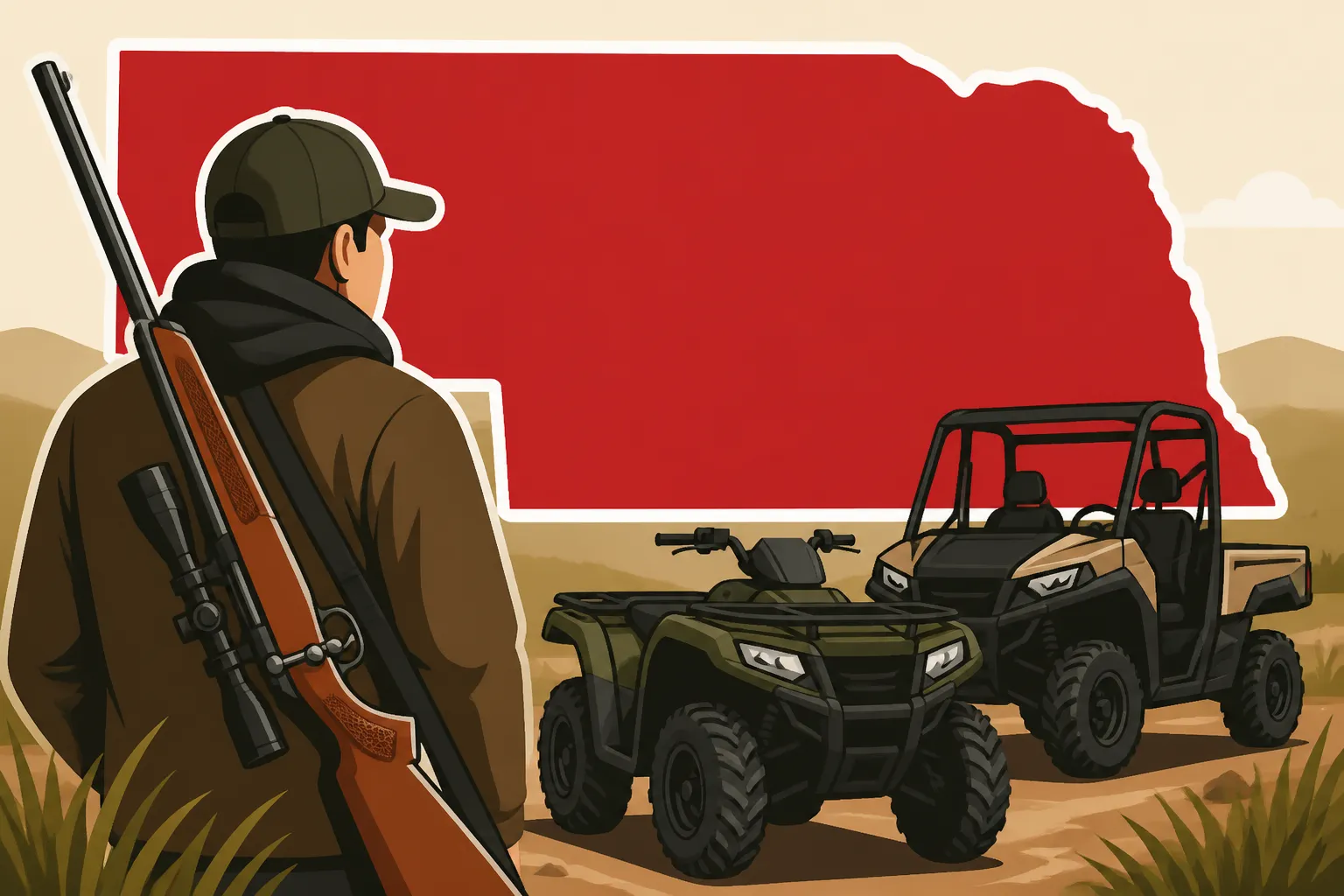
Nebraska Rules for Carrying a Rifle
Riding an ATV or UTV in Nebraska often goes hand-in-hand with outdoor pursuits, whether it's hunting season, managing a large ranch, or simply exploring vast tracts of land. A frequent, and often confusing, question that arises for many riders is exactly how to legally and safely carry a rifle on their machine. It’s not just about convenience; it’s about understanding the specific laws that govern firearm transport on various types of land, from public hunting grounds to private pastures. This guide will walk you through the nuances, helping you ensure that your next outdoor adventure is both productive and compliant with Nebraska's regulations, clearing up the common anxieties riders face when transporting their firearms.
Understanding General Firearm Transport Laws in Nebraska
Before we even get to the specifics of ATVs and UTVs, it's crucial to grasp the overarching principles of firearm transport in Nebraska. These general rules form the bedrock upon which all other specific applications, like those involving your quad or side-by-side, are built. Many riders mistakenly believe that once they're off the paved road, the rules simply vanish, but that's rarely the case, especially when it comes to firearms.
The Unloaded and Cased Rule
The most fundamental rule for transporting a firearm in Nebraska, particularly in a vehicle, is that it should be unloaded and contained within a case. This applies whether you're driving your pickup truck, your SUV, or yes, your ATV or UTV. The definition of "unloaded" means no ammunition in the chamber or magazine. A "case" can be anything from a soft gun sock to a hard, purpose-built gun case. The intent here is to prevent accidental discharge and to make the firearm inaccessible for immediate use while in transit. For many hunters, this means taking the time to unload their rifle before mounting it on their ATV for a trip between hunting spots. It's a small step that can save a lot of legal trouble.
The common frustration here is the perceived inconvenience. You might be moving from one deer stand to another just a few hundred yards away on private land, and having to unload and case your rifle feels like an unnecessary hurdle. However, this rule is designed for consistency and safety, regardless of the distance or specific location. It removes ambiguity for law enforcement and promotes responsible firearm handling. Think of it as a mandatory "safe mode" for your firearm during transport, protecting both you and those around you.
Exceptions and Specific Scenarios
While the unloaded and cased rule is broad, there are specific scenarios and exceptions to consider. For example, if you have a valid Nebraska Concealed Handgun Permit, you may carry a loaded handgun on your person or in your vehicle, subject to specific restrictions. However, this permit generally pertains to handguns and does not extend to rifles or shotguns in the same manner for open carry or transport in an off-road vehicle. Always verify the specifics of your permit.
Another area of confusion can arise with "open carry" laws. While Nebraska is generally an open-carry state for firearms, the manner of carrying is still important, especially on a moving vehicle like an ATV. An uncased, loaded rifle bouncing around on an ATV rack, even if visible, could still be problematic if it's considered readily accessible for immediate use while the vehicle is operating, blurring the lines of safe transport versus active possession. The safest bet, almost always, is to adhere to the unloaded and cased principle when moving your firearm, unless actively engaged in a lawful hunting activity where specific exceptions apply.
Carrying a Rifle on Public Lands: WMAs, National Forests, and More
Public lands in Nebraska offer incredible opportunities for ATV riding and hunting, but they also come with a unique set of regulations regarding firearms. These rules often layer on top of the general state laws, adding another layer of complexity that riders need to understand. Ignoring them can lead to citations, fines, or even the loss of hunting privileges.
Wildlife Management Areas (WMAs)
Nebraska's Wildlife Management Areas are managed by the Game and Parks Commission and are primarily designated for wildlife conservation and public recreation, including hunting. When you're on a WMA, all state hunting regulations apply, but there might also be WMA-specific rules that dictate how and where you can transport firearms on your ATV or UTV. Generally, the state's requirement for unloaded firearms during transport in a vehicle holds true. This means if you're driving your ATV down a designated trail within a WMA to get to a hunting blind, your rifle must be unloaded and ideally cased.
A common pitfall is the assumption that because you're "hunting," you can always have a loaded rifle. This is not the case while you are actively moving on your machine. The rifle can typically only be loaded when you are dismounted from your ATV and actively engaged in hunting from a stationary position. Always check the specific regulations for the WMA you plan to visit. Sometimes, WMAs might have restrictions on vehicle access to certain areas, limiting where you can even take your ATV, let alone carry a firearm on it. [Nebraska WMA Riding Rules] is a great resource to understand these access points better.
National Forests and Other Federal Lands
Nebraska is home to parts of the Nebraska National Forest, such as the Bessey Ranger District at Halsey, which offer riding opportunities. Federal lands often have their own set of rules concerning firearms, which work in conjunction with state laws. Generally, the federal rule for transporting firearms in vehicles on National Forest System roads and trails requires them to be unloaded. This aligns nicely with Nebraska's state laws. However, the interpretation of "cased" can vary slightly, but it's always best practice to case your rifle for protection and clear intent.
Hunting on federal lands also requires a valid Nebraska hunting license and adherence to federal regulations. You won't find specific federal rules that allow you to ride your ATV with a loaded rifle, even during hunting season. The emphasis remains on responsible transport until you are in a stationary hunting position. For anyone planning a trip to the Bessey OHV Trails, understanding both the federal land rules and state hunting season regulations is key. These rules exist to ensure safety for all users of the forest, including other riders, hikers, and campers.
The Nuance of "Actively Hunting"
This is where many riders get confused. When are you "actively hunting" versus "transporting"? Generally, actively hunting implies you are off your machine, in a position where you could reasonably take a shot, and not using the machine as a means to pursue game. Riding your ATV through a field with a loaded rifle, even if you see game, is generally not considered legal "hunting" from the vehicle in Nebraska. Game and Parks regulations usually prohibit shooting from or across a public road, or from a vehicle on public or private land unless specifically permitted (e.g., for disabled hunters with a special permit).
The line can feel blurry, but always err on the side of caution. If you are moving, your rifle should be unloaded. If you spot game and intend to hunt it, dismount your ATV, unload your rifle, and proceed on foot. This protects you from potential violations and upholds the spirit of fair chase hunting. It's also vital to confirm current hunting season dates and specific regulations for the species you are pursuing, as these can impact the legality of even possessing a firearm in certain areas at certain times.
Private Land Considerations: Farms, Ranches, and Leases
Most ATV and UTV riding in Nebraska happens on private land—farms, ranches, and leased properties. While private land offers more flexibility than public land, it's not a free-for-all when it comes to firearm transport. State laws still apply, and the landowner's rules can add additional layers of restriction.
Landowner Permission and Rules
On private land, the property owner's rules are paramount. Even if state law might allow something, the landowner has the absolute right to prohibit it. For example, a rancher might specify that all firearms on their property, even when moving between pastures on a UTV, must be unloaded and encased for safety reasons, perhaps due to the presence of livestock, workers, or family members. Always get clear permission and understand any specific rules from the landowner before bringing a rifle onto their property, especially if you plan to hunt. [Getting Written Permission From a Ranch Landowner] is more than just a polite gesture; it’s a critical step.
Many landowners appreciate the responsible approach. Presenting your rifle properly secured and unloaded demonstrates respect for their property and safety concerns. If you’re riding on a hunting lease, review your lease agreement carefully. It might include specific clauses about firearm transport, discharge, and safety protocols that go beyond state minimums. Ignoring these rules could jeopardize your access to the land.
Carrying for Work vs. Hunting
There's a subtle but important distinction between carrying a rifle for work purposes (e.g., predator control, dispatching an injured animal) and carrying it for recreational hunting. For instance, a rancher might carry a loaded rifle on their UTV for immediate predator control (coyotes, bobcats) that pose a direct threat to livestock. This is often seen as a necessary part of agricultural operations and falls under specific exceptions in some cases, although discretion is always advised, and local authorities often offer guidance on these scenarios.
However, using this "work" justification to carry a loaded rifle on your ATV for general deer hunting on private land would likely be a misinterpretation of the law. Unless you have a specific agricultural purpose that necessitates an immediately accessible firearm, the general rule of unloaded and cased transport should be followed. When it comes to Nebraska Rules for Carrying a Rifle for specific farm tasks, it's always best to verify with local law enforcement or Nebraska Game and Parks if you have doubts.
Safe and Responsible Rifle Transport Practices on Your ATV/UTV
Beyond the legal requirements, responsible firearm owners always prioritize safety. Transporting a rifle on an ATV or UTV presents unique challenges due to the terrain, vibration, and potential for rollovers. Investing in proper storage solutions and practicing safe habits are crucial.
Securing Your Rifle Properly
The bouncing and jarring that comes with off-road riding can be brutal on firearms. Simply laying a rifle in the bed of a UTV or strapping it haphazardly to a quad rack is an invitation for damage, or worse, accidental discharge. Dedicated rifle mounts and gun boots are designed specifically for off-road vehicles. These accessories securely hold your rifle, protect it from dust, moisture, and impact, and keep it pointed in a safe direction.
For example, many riders opt for a heavy-duty gun boot that mounts to the rack or roll cage, keeping the rifle fully enclosed and protected. Companies like SuperATV offer a range of robust gun racks and boot mounts that are designed to withstand the rigors of off-road use, ensuring your firearm stays put and is shielded from the elements. These solutions not only comply with the "cased" requirement but also add a significant layer of safety and protection for your valuable equipment. Always ensure the mounting system is compatible with your ATV or UTV model and securely fastened to prevent shifting during aggressive riding.
Practical Tips for Safe Transport
- Always Double-Check: Before starting your machine, always double-check that your rifle is unloaded and securely cased or mounted. Make it a habit.
- Muzzle Direction: Even when cased, be mindful of where the muzzle is generally pointing. Ideally, it should point away from the rider and passengers.
- Protection from Elements: Dust, mud, rain, and snow are all part of off-road riding. A good gun case will protect your rifle from these elements, preventing corrosion and fouling.
- Avoid Obstructions: Ensure your mounted rifle doesn't obstruct your view, interfere with steering, or snag on branches.
- Visibility: While your rifle should be cased, consider adding a brightly colored flag or marker to the case if it extends beyond the vehicle's footprint, especially if you're navigating dense trails or brush.
- Maintenance: After every ride where your rifle was exposed to the elements, clean and inspect it thoroughly. The vibrations and exposure can loosen screws or introduce foreign material.
Carrying Ammunition Separately
A good practice is to carry ammunition separately from the rifle itself, even when the rifle is unloaded. Store ammunition in a separate container, like a dedicated ammo can or pouch, not just loose in a pocket or bag where it could accidentally come into contact with the firearm. This further reinforces the "unloaded" status of the rifle during transport and prevents any confusion. A small lockable box for ammunition, kept in a secure compartment on your UTV, is an excellent safety measure. This careful separation shows a clear intent for responsible transport, not immediate deployment.
By understanding the general laws, respecting the rules of public and private lands, and adopting robust safety practices, you can confidently carry your rifle on your Nebraska ATV or UTV. Remember, safety and legality should always be your top priorities when combining firearms with the excitement of off-road riding.
Nebraska Firearm & ATV Regulations at a Glance
Navigating the various rules for carrying a rifle on your ATV or UTV in Nebraska can be a lot to remember. Here's a quick reference table to help clarify the main points we've discussed, highlighting the distinctions between different types of land and common situations. This table is a general guide and should always be supplemented by checking specific, current regulations for the area you plan to ride and hunt.
| Scenario / Location | Rifle Status (Recommended/Required) | Case Required? | Landowner Permission (Private Land) | Additional Considerations |
|---|---|---|---|---|
| General Transport (Any Vehicle) | Unloaded | Yes | N/A | Prevents accidental discharge, clear intent for transport |
| Public Roads (Legal ATV Use) | Unloaded | Yes | N/A | ATV must be legally on the road (e.g., farm use, city ordinance). |
| WMAs (Moving on ATV) | Unloaded | Yes | N/A | Check WMA specific rules for vehicle access. |
| WMAs (Actively Hunting) | Loaded (when dismounted) | No | N/A | Prohibited to shoot from or pursue game with ATV. |
| National Forest (Moving on ATV) | Unloaded | Yes | N/A | Federal rules align with state; protects from elements. |
| Private Land (Moving on ATV) | Unloaded | Yes (strongly recommended) | Required | Landowner may set stricter rules than state law. |
| Private Land (Actively Hunting) | Loaded (when dismounted) | No | Required | Ensure compliance with landowner's hunting policies. |
| Private Land (Predator Control) | Loaded (situational) | No (situational) | Required | Specific agricultural need; confirm local guidance. |
It's a lot to process, but staying informed means you can enjoy your time outdoors without unnecessary worry. For instance, if you're planning a hunting trip, you'll need to remember that [Nebraska WMA Access for a Quad] will be restricted to designated trails, and your rifle should be unloaded as you navigate them. If you're using your ATV for agricultural purposes, be aware of [Nebraska's Agricultural Road Exception] when crossing public roads with your firearm—still keep it unloaded. Understanding these specific contexts ensures you're riding safely and legally.
Remember that [Nebraska Has No Mandatory Safety Course] for ATVs, so the responsibility for knowing and following these rules falls entirely on the individual rider. It's about being a conscientious and respectful member of the outdoor community. Whether you're heading out to the Sandhills or just working the back forty, knowing the rules for carrying your rifle on your ATV or UTV will make all the difference.
Final Thoughts on Responsibility and Safety
Navigating the world of firearms and off-road vehicles can seem like a complex maze, but at its heart, it's about common sense, respect for the law, and an unwavering commitment to safety. The ability to carry a rifle on your ATV or UTV in Nebraska is a privilege that comes with significant responsibility. By understanding the distinctions between various land types, adhering to the fundamental principles of safe firearm transport, and using appropriate equipment like robust gun boots from companies like SuperATV, you can ensure that your outdoor adventures remain safe, legal, and enjoyable.
Never hesitate to reach out to the Nebraska Game and Parks Commission or local law enforcement if you have specific questions about unique situations. Their guidance can often provide the clarity needed for niche scenarios that might not be explicitly covered in general regulations. After all, a quick phone call is always better than a costly citation or, worse, an accident. Stay safe, stay informed, and enjoy the incredible opportunities that Nebraska's outdoors offer to ATV and UTV enthusiasts.
Disclaimer
This article is for general informational purposes only and does not constitute professional advice. Laws, prices and regulations vary by location and change over time. Consult a qualified professional for guidance on your specific situation.