Nebraska Rules for Riding a Center Pivot Road
If you've ever spent time driving the gravel roads of rural Nebraska, you've undoubtedly seen them: those narrow, often dusty or muddy paths that wind their way out to the towering, sprinkler-laden arms of a center pivot irrigation system. It's easy to wonder, especially when you're out on your ATV or UTV, if these agricultural tracks are fair game for a ride. This guide is here to clarify the often-confusing rules and practicalities of riding your off-road machine on a center pivot road in Nebraska.
Understanding the Unique Nature of Center Pivot Roads in Nebraska
Before we even begin talking about rules and regulations, it's crucial to understand what a center pivot road truly is in Nebraska. These aren't your typical county roads, nor are they usually designed for general public access. They serve a very specific purpose for agricultural operations.
Ownership and Access: Not Your Average Public Thoroughfare
In almost every case, a center pivot road is located entirely on private land. This land belongs to a farmer, a rancher, or a landowner who uses it for agricultural production. These roads are essentially private driveways or access lanes, built and maintained by the landowner specifically for accessing, servicing, and monitoring their irrigation equipment and crops.
Think of it this way: just because you can see a driveway leading up to someone's house doesn't mean you can just drive up it. The same principle applies to center pivot roads. They are integral to the farmer's operation, allowing them to bring out tractors, service vehicles, and, yes, even ATVs and UTVs for various tasks. This private ownership means that the default assumption should always be that you need explicit permission to be there. Without that permission, you could very easily find yourself trespassing, which is a situation no one wants to be in.
Purpose of These Roads: Keeping the Crops Growing
The primary purpose of a center pivot road is, quite simply, to facilitate farming. These roads allow farmers to:
- Inspect and maintain irrigation systems: Pivots need regular checks, repairs, and adjustments. A vehicle needs to get out there.
- Access crops: Sometimes, field work requires driving along these paths, perhaps for scouting, spraying, or even bringing in supplies.
- Monitor conditions: Farmers use these paths to check soil moisture, crop health, or assess any issues in the field.
Because these roads are so tied to the practical work of agriculture, their condition can vary wildly. They might be well-maintained gravel, or they might be little more than a dirt track, prone to deep ruts, mud, or blowing sand, depending on the weather and the season. This variability is another reason why you need to approach them with caution and respect, both for your machine and the landowner's property. Using high-quality aftermarket parts, like a durable skid plate from SuperATV, can be a real game-changer for protecting your machine when navigating these unpredictable surfaces.
Navigating Nebraska's Agricultural Road Exceptions for ATVs
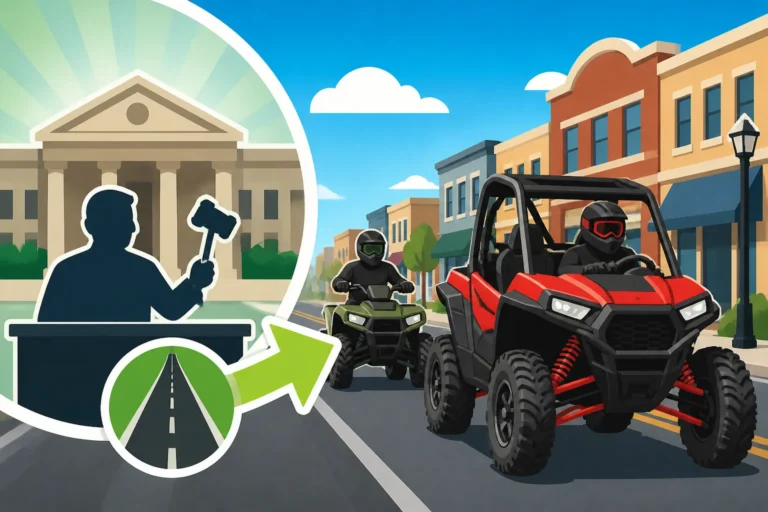
Nebraska has specific laws regarding ATV and UTV use on public roads, and there's a significant "agricultural exception" that often comes into play. However, it's crucial to understand how this exception applies, or doesn't apply, to privately owned center pivot roads.
The "Agricultural Exception" Defined
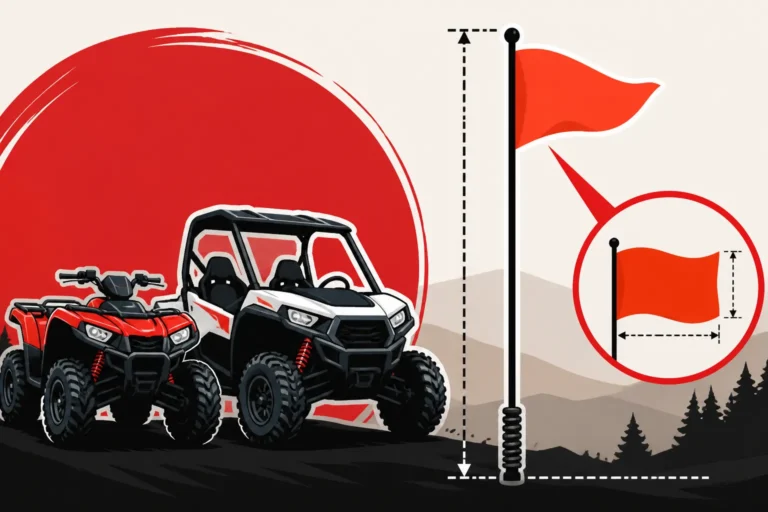
Nebraska statute 60-6,356 outlines when ATVs and UTVs can legally operate on public roads. One of the key provisions, and frankly, the most common reason you see these machines on rural roads, is the "agricultural purpose" exception. This allows ATVs and UTVs to be operated on state highways and county roads for agricultural purposes, generally during daylight hours and with certain equipment requirements like a safety flag and lights. The intent is to allow farmers to move their equipment between fields, access remote parts of their property, or perform tasks directly related to their farming operations. You can learn more about this by reading [Nebraska's Agricultural Road Exception].
The critical takeaway here is that this exception specifically refers to public roads. It grants you the ability to use your ATV or UTV on a county gravel road or a state highway under specific agricultural conditions. It does not, by itself, grant you permission to ride on private land, even if that private land is used for agriculture. The distinction between public and private property is paramount.
Implications for Private Farm Roads
A center pivot road, being on private property, isn't directly governed by the public road statutes concerning ATVs. This means that if you're riding your ATV on a center pivot road for agricultural purposes, the primary authority for whether you can be there is the landowner, not state road law. The state's agricultural exception on public roads doesn't automatically extend to private farm roads. However, the spirit of the agricultural exception — using the machine for farm work — is certainly relevant when a landowner grants permission.
If a farmer tells you to take your UTV down the pivot road to check on a pump, you're absolutely within your rights to do so, because you have the landowner's permission and you're engaging in an agricultural task. The legal framework shifts from public road regulations to private property rights and trespass law. The same goes for [Nebraska Rules for Riding Farm Ground] or even [Nebraska Rules for Riding a Pasture] – permission is always the first step.
When a Center Pivot Road Isn't a Public Road
Let's make this crystal clear: a center pivot road is almost never a public road. While it might connect to a public county road, its classification changes the moment you cross onto private property. There's no expectation of public access, no public right-of-way unless specifically granted by an easement, and no invitation for recreational riding.
Riders sometimes mistakenly assume that because these roads are unpaved and often look like trails, they are open for casual use. This is a dangerous assumption that can lead to confrontations with landowners or legal trouble for trespassing. Always consider these roads as private property, just like someone's backyard or driveway. If you're unsure about access, always default to assuming it's private and seek explicit permission. This also applies to other less-defined paths like [Nebraska Rules for Riding a Ditch] or [Nebraska Rules for Riding a Section Line], where ownership can be ambiguous but trespass laws still apply.
Here's a quick comparison to help clarify the distinction:
| Feature | Public County Road | Center Pivot Road (Private) |
|---|---|---|
| Ownership | Public entity (county/state) | Private landowner |
| Primary Use | General transportation, public access | Agricultural operations, pivot access |
| Permission | Not required (within legal road rules) | Always required from landowner |
| ATV/UTV Rules | Governed by state road statutes (e.g., 60-6,356) | Governed by landowner's rules & trespass law |
| Maintenance | Public funds, county crews | Private landowner's responsibility |
| Signage | Usually no "Private Road" signs needed | May or may not have "Private Property" signs |
Practical Considerations and Best Practices for Riding Center Pivot Roads
So, you've understood the legalities – it's private land, and permission is key. Now, let's talk about the practical aspects of riding an ATV or UTV on these unique agricultural paths.
The Critical Role of Landowner Permission
I cannot stress this enough: always, always, always get explicit permission from the landowner before riding on a center pivot road. This isn't just a suggestion; it's a fundamental requirement to avoid trespassing charges and to maintain good relationships within rural communities. A simple conversation can save you a lot of grief.
When you ask for permission, be clear about your intentions. Are you helping with farm work? Are you just exploring? If you're doing farm work, the landowner might even appreciate your initiative. If you're looking for recreational riding, they might have specific times or areas where they'd prefer you not to ride, or they might simply say no, and that's their right. Remember, these roads are part of their livelihood. Showing respect for their property and their work goes a long way. Having [Nebraska Landowner Permission Rules] clear in your mind is essential. If you don't have it, you're dealing with [Nebraska Trespass Law for Riders].
Safe Operating Procedures on Private Agricultural Land
Even with permission, safety should be your top priority. Center pivot roads present their own set of challenges that differ from dedicated trails or even public gravel roads.
- Varying Terrain: As mentioned, these roads can be rough. Expect ruts, loose soil, sand, mud, and sometimes even debris from farm equipment. Adjust your speed and riding style accordingly. High-clearance ATVs and UTVs, especially those with reinforced components like heavy-duty axles from SuperATV, are certainly beneficial for these conditions.
- Farm Equipment Traffic: These are active work areas. You might encounter tractors, combines, sprayers, or trucks, especially during planting, growing, or harvest seasons. These machines are much larger and slower, and their operators might not expect an ATV. Always be visible, wear bright colors, and yield to all farm equipment.
- Dust and Mud: Depending on conditions, dust can be a major issue, reducing visibility for both you and others. Mud can make the roads slick and challenging. Consider a good windshield on your UTV to keep the dust out of your face, and ensure your tires are appropriate for the conditions. When it gets really messy, a powerful winch, like those offered by SuperATV, can be a lifesaver if you get stuck deep in a muddy rut.
- Livestock: If the pivot road crosses or borders pastureland, you might encounter cattle or other livestock. Ride slowly, quietly, and give animals a wide berth. Close any gates you open, even if you found them open.
- Time of Day: While the agricultural exception on public roads often specifies daylight hours, on private land, you might have permission to ride after dark for specific tasks. If so, ensure your ATV or UTV has excellent lighting, both headlights and taillights. [Nebraska Rules for Riding After Dark] are crucial here.
- Passengers and Towing: If you're carrying passengers or [Nebraska Rules for Towing a Trailer] apply, make sure your machine is designed for it and that everyone understands the risks involved with the rough terrain.
Respecting the Land and Its Use
When you're granted permission to ride on a center pivot road, you're being given a privilege, not a right. It's essential to repay that trust with respect for the property and the ongoing agricultural operations.
- Stay on the Road: Do not venture off the designated pivot road into fields, even if it looks like a fun shortcut. Driving over crops, even young ones, can cause significant damage and financial loss to the farmer.
- Leave No Trace: Pack out everything you pack in. Don't leave trash, fuel cans, or anything else behind.
- Observe Conditions: If the ground is excessively wet and your tires are cutting deep ruts, consider whether riding is truly necessary or if it could cause damage. A good landowner will appreciate you making a responsible judgment.
- Communication is Key: If you notice anything unusual, like a broken fence, a downed pivot tower, or anything that could impact the farm, let the landowner know. You're now an extra set of eyes on their property.
Riding a center pivot road can be a unique experience, offering a glimpse into the heart of Nebraska's agricultural landscape. But remember, it all starts and ends with asking permission and treating the land with the respect it deserves. Always double-check [Nebraska Equipment Checks by Deputies] if you're ever venturing onto public roads even for a short stretch.
Disclaimer
This article is for general informational purposes only and does not constitute professional advice. Laws, prices and regulations vary by location and change over time. Consult a qualified professional for guidance on your specific situation.