Twenty-Five, Fifty and Twenty-Five Today
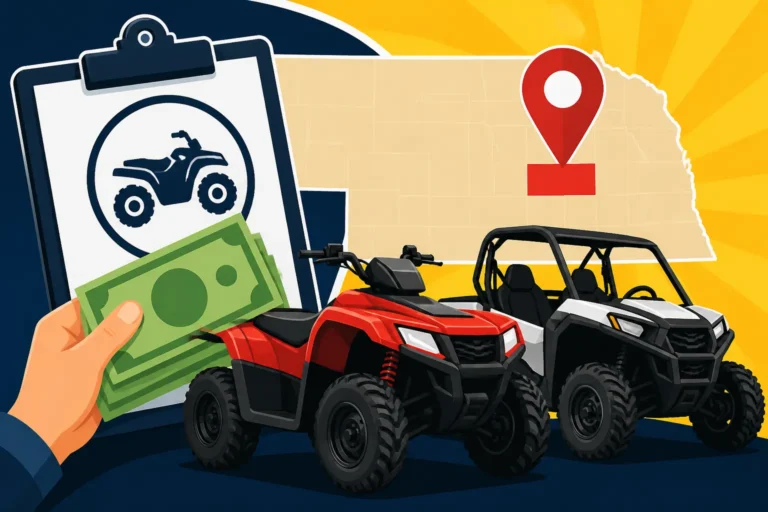
It's a common misconception that because your ATV or UTV is primarily an off-road machine, you don't need to worry about insurance. However, for those instances where your machine touches public roads in Nebraska – even for short trips or under specific agricultural exceptions – the rules shift dramatically. This guide will walk you through the essential liability insurance requirements in our state, specifically the "25/50/25" rule that applies today, and help you understand what it means for your riding habits.
Understanding Nebraska's ATV/UTV Insurance Requirements for Road Use
Navigating the world of ATV and UTV ownership in Nebraska can feel like riding a dusty trail with unexpected turns. One of the biggest areas of confusion often revolves around insurance, especially when it comes to taking your machine on public roads. It's not always a straightforward "yes" or "no" answer, but rather a "yes, if…" situation that's critical to understand for your safety and legal compliance.
The "25/50/25" Rule Explained: What it Means for Riders
When we talk about "25/50/25" in Nebraska, we're referring to the minimum liability insurance coverage required for any motor vehicle operating on public roads, and this absolutely includes your ATV or UTV if you use it in a way that makes it road-legal. These numbers represent thousands of dollars and break down like this:
- $25,000 for bodily injury liability per person: This means your insurance policy would pay up to $25,000 for medical expenses, lost wages, and other damages for each individual injured in an accident where you are at fault. Imagine a scenario where you're crossing a county road and accidentally collide with a pedestrian; this coverage would help cover their immediate needs.
- $50,000 for bodily injury liability per accident: This is the maximum amount your insurance would pay out for all bodily injuries in a single accident, regardless of how many people are injured. So, if multiple people are hurt in the incident mentioned above, the total payout for their injuries would not exceed $50,000. It's designed to protect multiple victims.
- $25,000 for property damage liability per accident: This final number covers damage to someone else's property, such as their vehicle, a fence, a mailbox, or even a building, if you are deemed responsible for the accident. If you misjudge a turn while driving through an open city street and scrape a parked car, this part of your policy would kick in to help cover the repair costs.
These limits are in place not to protect you or your machine directly, but to protect other people on the road and their property from financial hardship should you cause an accident. It's a fundamental aspect of responsible vehicle ownership when operating on public thoroughfares.
When and Where Insurance Becomes Mandatory
The key takeaway here is when your ATV or UTV needs this specific insurance. If you're strictly riding on private land—your own farm, a friend's pasture with permission, or a dedicated off-road park like Bessey OHV Trails at Halsey—then the state of Nebraska does not mandate this liability coverage. Your homeowners insurance or a specialized off-road policy might offer some protection, but it's not a legal requirement for simply enjoying the trails.
However, the moment your machine touches a public road, county road, or city street where it's legally permitted to operate, those insurance rules come into play. Nebraska has very specific regulations allowing ATVs and UTVs on public roads in certain situations. For example, [Nebraska's Agricultural Road Exception] allows farmers and ranchers to use their machines on public roads for agricultural purposes, such as checking pivots or moving between fields. Similarly, some cities and counties have passed ordinances or resolutions that open their local streets or unincorporated villages to ATV/UTV traffic. When taking advantage of these allowances, you are effectively operating a motor vehicle on a public roadway, and therefore, you must adhere to the same insurance standards as any car or truck. You'll want to remember that [Nebraska Requires Liability Insurance on Roads] in these scenarios. Without it, you could face significant penalties if stopped or involved in an accident.
What These Numbers Actually Cover (and What They Don't)
Understanding the "25/50/25" figures is one thing, but knowing precisely what they're intended for, and where their limitations lie, is equally important. Many riders mistakenly believe that having the minimum coverage protects them fully, but the reality can be quite different in the aftermath of a serious incident. This type of liability insurance is very specific in its purpose: it's all about compensating others for damages you cause.
Bodily Injury Liability: Protecting Others on the Road
The bodily injury portion of your liability insurance is designed to cover the expenses of other people who are injured in an accident where your ATV or UTV is at fault. Let's paint a clearer picture. Imagine you're making a quick trip down a [Nebraska Rules for Riding a County Road] to access another part of your property, perfectly within the bounds of a county resolution. You misjudge an approaching vehicle, leading to a collision. The occupants of the other vehicle sustain injuries.
Your bodily injury liability coverage would then step in to cover their medical bills, potential rehabilitation costs, lost wages if they can't work due to their injuries, and even pain and suffering. The $25,000 per person limit means that if one individual suffers severe injuries costing $40,000, your policy would pay up to $25,000, and you would personally be responsible for the remaining $15,000. If two people were injured, with costs exceeding $25,000 each, the $50,000 per accident limit would be the ceiling for all their combined injuries. This is why having adequate coverage is so crucial; going beyond the minimums can save you from substantial out-of-pocket expenses and potential lawsuits if an accident is severe. The aim is to prevent you from facing financial ruin due to another person's injury.
Property Damage Liability: Fixing What You Break
Beyond physical injuries, accidents often result in property damage. This is where the $25,000 property damage liability component of your insurance comes into play. It's there to cover the costs of repairing or replacing property belonging to others that you damage in an accident where you are at fault.
Consider a scenario where you're operating your UTV through an unincorporated village where local ordinances permit street use. You're turning a corner, and due to an unseen obstruction or a momentary lapse in judgment, you accidentally strike a homeowner's fence, causing significant damage. Your property damage liability would cover the cost to repair or replace that fence, up to the $25,000 limit. Or, if the collision involved another vehicle, it would cover the repairs to their car. While $25,000 might seem like a lot, the cost of vehicle repairs today, especially on newer models with complex sensors and bodywork, can quickly add up. A seemingly minor fender bender can easily exceed this limit, leaving you on the hook for the difference. It's a stark reminder that while the minimum fulfills the legal requirement, it might not always provide full protection against the real-world costs of an accident.
The Upcoming Shift: Nebraska Insurance Minimums From 2027
Just like trail conditions can change with the seasons, so too do the rules and regulations governing our favorite off-road machines. Nebraska is not static, and recognizing the evolving landscape of accident costs and economic realities, the state has initiated significant changes to its minimum liability insurance requirements. These changes are crucial for all riders to understand and prepare for, especially those who occasionally or regularly utilize public roads with their ATVs and UTVs.
Why the Numbers Are Changing
The primary reason behind the upcoming increase in Nebraska's minimum liability insurance requirements boils down to simple economics: the cost of everything has gone up. Medical expenses, vehicle repair costs, and even the value of lost wages have steadily climbed over the years. The existing "25/50/25" limits, while meeting legal requirements, often fall short of covering the full extent of damages in modern accidents. This leaves injured parties undercompensated and at-fault drivers potentially exposed to substantial personal financial liability beyond their insurance coverage.
Lawmakers, insurers, and consumer advocates have all acknowledged this growing disparity. The goal of increasing the minimums is to provide greater financial protection for accident victims and to reduce the likelihood of individuals facing ruinous out-of-pocket costs after an incident. It's a proactive step to ensure that the state's insurance framework remains relevant and effective in today's economic environment. This reflects a broader trend seen across many states to adjust minimum coverage levels to better reflect real-world costs. You can learn more about these adjustments under [Nebraska Insurance Minimums From 2027].
Preparing for Higher Minimums: Fifty, One Hundred and Fifty Later
Beginning January 1, 2027, Nebraska will implement new, higher minimum liability insurance requirements. These new figures will be 50/100/50, which translates to:
- $50,000 for bodily injury liability per person
- $100,000 for bodily injury liability per accident
- $50,000 for property damage liability per accident
This is a significant increase, effectively doubling the bodily injury coverage and doubling the property damage coverage from the current standards. For ATV and UTV owners who ride on public roads, this means your existing policies will need to be updated to meet these new minimums by the effective date. It's not something to put off until the last minute.
Now is the perfect time to review your current policy with your insurance agent. Discuss how these changes will impact your premiums and what steps you need to take to ensure compliance. You might find that increasing your coverage now, even before the mandatory change, could be a wise financial decision, offering you greater peace of mind and protection. Your agent can help you understand the full scope of [Fifty, One Hundred and Fifty Later] and what it means specifically for your machine. This pre-emptive approach can help you budget for potential premium increases and ensure you're never caught without adequate coverage when operating your machine on public roads.
Practical Steps for Insuring Your Nebraska ATV/UTV
Getting your ATV or UTV insured correctly, especially when considering those specific instances of road use, doesn't have to be a complicated task. It’s about being informed, asking the right questions, and taking a few proactive steps to ensure you're covered for every adventure, whether it's on the trail or a permitted jaunt down a county road.
Choosing the Right Policy and Provider
When it comes to insuring your ATV or UTV, it’s beneficial to work with an insurance agent or provider who truly understands the nuances of off-road vehicles. Not all standard auto policies are created equal, and some might not adequately cover the unique risks associated with ATVs and UTVs. Look for companies that specialize in recreational vehicles or have specific ATV/UTV policies.
While liability coverage (the "25/50/25" or future "50/100/50" minimums) is the absolute must-have for road use, consider other types of coverage for comprehensive protection. Collision coverage can help repair or replace your machine if it's damaged in an accident, regardless of fault. Comprehensive coverage protects against non-collision events like theft, vandalism, or damage from fire or natural disasters. Given how much many of us invest in our machines, including modifications and accessories, protecting that investment makes a lot of sense. For those outfitting their UTVs with road-legal accessories like turn signals, mirrors, or windshields from reputable aftermarket providers, such as SuperATV, remember that these modifications make you eligible for road use and thus require liability insurance. If you're going to put time and money into making your machine ready for varied use, make sure your insurance reflects that versatility. Also, consider uninsured/underinsured motorist coverage; this can protect you if you're hit by someone who doesn't have enough (or any) insurance. To get a handle on the costs, check out [Nebraska Insurance Costs Per Year].
What to Carry and How to Stay Compliant
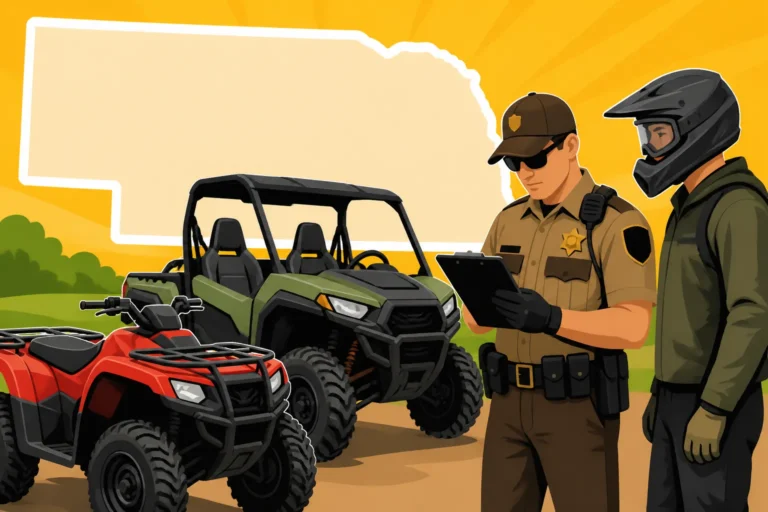
Once you've secured the appropriate insurance, the next critical step is ensuring you can prove it when required. If you're operating your ATV or UTV on a public road in Nebraska, deputies or state patrol officers can ask to see proof of insurance, just as they would for any other vehicle. This means having your insurance card or documentation readily accessible. A physical copy in a waterproof pouch stored in a secure compartment on your machine is a good idea. Many insurance providers also offer digital insurance cards through their mobile apps, which can be convenient, but always have a backup in case of no cell service.
Staying compliant also means understanding all the rules for road use, not just insurance. For instance, [Nebraska Rules for Riding a County Road] specifies speed limits, lighting requirements, and even the need for a safety flag. Ensuring your machine is properly equipped and you're following all traffic laws not only keeps you safe but also helps avoid unnecessary encounters with law enforcement. [Nebraska Insurance Proof for Road Use] is not just about avoiding a ticket; it’s about being a responsible rider. Failing to have proper insurance when riding on a public road can lead to citations, fines, and potentially even impoundment of your machine under [Nebraska Penalties for Illegal Road Riding]. It's a simple step to protect yourself and your passion for riding.
| Liability Coverage Type | Current Minimum (Today) | Future Minimum (Starting 2027) |
|---|---|---|
| Bodily Injury per Person | $25,000 | $50,000 |
| Bodily Injury per Accident | $50,000 | $100,000 |
| Property Damage per Accident | $25,000 | $50,000 |
Disclaimer
This article is for general informational purposes only and does not constitute professional advice. Laws, prices and regulations vary by location and change over time. Consult a qualified professional for guidance on your specific situation.