Fifty, One Hundred and Fifty Later
Navigating the rules for riding your ATV or UTV on public roads in Nebraska can feel like trying to hit a moving target, especially when vital requirements are set to change. One of the biggest areas of confusion and potential financial risk revolves around insurance – what you need now, and what you’ll definitely need in the very near future. This guide is here to untangle the complexities of Nebraska's ATV road laws, with a special focus on the crucial insurance updates looming on the horizon, so you can ride legally and with peace of mind.
Understanding Nebraska's Evolving ATV Insurance Requirements
For many years, the discussion around ATVs and UTVs in Nebraska often circled back to one core truth: they generally aren't street legal. However, for those instances where the law does allow an off-road machine onto a public road – typically for agricultural purposes, or within specific cities and unincorporated villages that have passed their own ordinances – insurance isn't just a good idea; it's a legal necessity. And just when you might think you've got a handle on the rules, things are about to shift.
The Current Landscape of ATV Insurance on Nebraska Roads
Right now, if you're one of the Nebraska riders who can legally operate your ATV or UTV on a public road, you're required to carry specific liability insurance. This isn't optional; it's a fundamental part of the privilege of road use. The existing minimums are often expressed in a series of three numbers, like "25/50/25," which are shorthand for the dollar amounts of coverage. The first number, 25, means $25,000 for bodily injury liability per person involved in an accident. The second number, 50, means $50,000 for total bodily injury liability per accident, regardless of how many people are hurt. And the final 25 represents $25,000 for property damage liability per accident.
Let's put this into a real-world scenario. Imagine you're making a quick trip down a county road on your UTV, legally, perhaps going from one field to another. Suddenly, a distracted driver swerves, and you end up colliding. If that collision results in injuries to the other driver and passengers, and significant damage to their vehicle, those minimums kick in. If one person's medical bills total $30,000, your $25,000 per-person coverage might fall short. The remaining $5,000, plus any other costs beyond the $50,000 total or $25,000 in property damage, would be coming directly out of your pocket. It's a stark reminder that even a minor incident can quickly escalate into a substantial financial burden. Keeping up with what's required is critical, and you can always check on the specifics of [Nebraska Insurance Minimums Today].
What's Changing: The January 2027 Shift
Here’s where it gets really interesting, and why it's so important to be proactive: these minimum insurance requirements are not static. Nebraska lawmakers have recognized that the costs associated with accidents – from medical care to vehicle repairs – have steadily increased over the years. As a result, new legislation is in place that will raise the minimum liability coverage amounts for ATVs and UTVs operating on public roads. Beginning in January 2027, the new minimums will be "50/100/50." This means $50,000 for bodily injury liability per person, $100,000 for total bodily injury liability per accident, and $50,000 for property damage liability per accident.
This change, often referred to as [A Change Effective in January 2027], isn't just a tweak; it's a significant bump designed to offer greater protection for everyone involved in a potential incident. While it means a likely increase in your insurance premiums, it also reflects a more realistic assessment of what it costs to cover damages today. It's easy to dismiss these changes as "future problems," but the smart move is to start planning now. If you regularly use your machine on public roads, contacting your insurance provider to discuss what [Nebraska Insurance Minimums From 2027] will mean for your policy is an absolute must. You don't want to find yourself underinsured and non-compliant when the new year rolls around.
Beyond the Minimums: Why More Coverage Might Be Wise
While meeting the legal minimums is essential for compliance, it's really just the bare minimum. In today's world, where even minor accidents can lead to significant expenses, relying solely on minimum liability coverage can leave you incredibly vulnerable. Consider the value of a new pickup truck, or the cost of a few days in a hospital, and you’ll quickly see that current or future minimums might not cover everything. If the damages exceed your coverage limits, you're personally responsible for the difference, which could mean tapping into your savings, selling assets, or even facing lawsuits.
This is why many experienced riders opt for higher liability limits than the law requires. Beyond increased liability, you might also want to explore additional coverages. Comprehensive coverage, for instance, protects your ATV or UTV from damage not caused by a collision, like theft, vandalism, fire, or even natural disasters. Collision coverage, on the other hand, helps pay for repairs to your own machine if it's damaged in an accident, regardless of who is at fault. Uninsured/underinsured motorist coverage is another smart addition, protecting you if you're involved in an accident with someone who doesn't have enough (or any) insurance to cover your damages. Given the significant investment many of us make in our ATVs and UTVs, these extra layers of protection can provide invaluable peace of mind, especially when you think about all the things that could go wrong out on the trails or even legally on the road.
Here’s a quick glance at how the minimums are shifting:
| Coverage Type | Current Minimums (Before Jan 2027) | New Minimums (Effective Jan 2027) |
|---|---|---|
| Bodily Injury per person | $25,000 | $50,000 |
| Bodily Injury per accident | $50,000 | $100,000 |
| Property Damage per accident | $25,000 | $50,000 |
Navigating Nebraska's ATV Road Rules Beyond Insurance
While insurance is a critical piece of the puzzle, it's just one aspect of legally riding your ATV or UTV on Nebraska roads. The general rule of thumb in our state is that ATVs and UTVs are not designed or legally permitted for street use. This often causes frustration for riders who see neighboring states with more lenient rules, or for those who simply want to cross a road to get to another section of their property. However, there are very specific, limited exceptions to this rule, and understanding them is paramount to avoiding citations or, worse, accidents.
Who Can Even Ride on Public Roads in Nebraska?
Let's be clear: Nebraska does not generally consider ATVs or UTVs "street legal" in the same way cars or motorcycles are. You won't be getting a license plate for your quad to cruise down Highway 2. However, the law does carve out specific exceptions. Primarily, there are [Three Ways ATVs Can Legally Use Nebraska Roads]: for bona fide agricultural purposes, within cities that have passed specific ordinances allowing it, and within unincorporated villages where the county board has passed a resolution to open their streets.
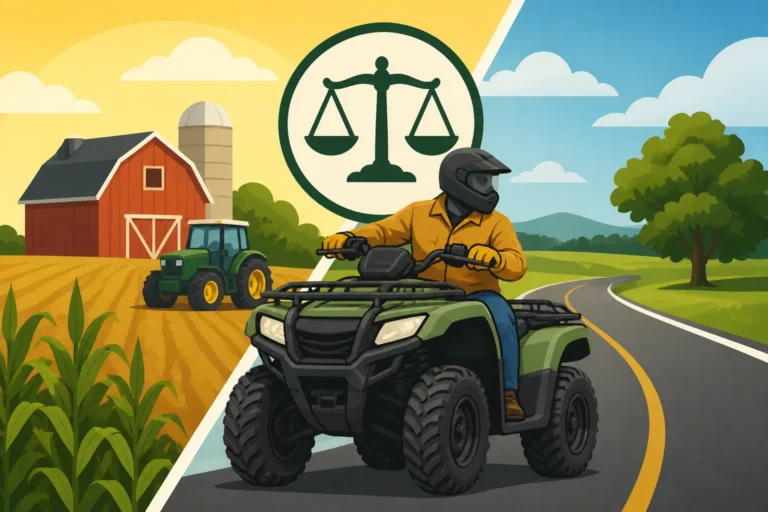
The most common exception, and arguably the reason the law was written as it is, is for agricultural use. [Nebraska's Agricultural Road Exception] allows farmers and ranchers to use their ATVs and UTVs on public roads for tasks directly related to their agricultural operations, such as checking fences, moving between fields, or transporting tools. This isn't a free pass for joyriding, though; the purpose of the trip must be genuinely agricultural. Beyond the farm gate, some cities have recognized the utility of these machines for their residents and have adopted [Nebraska City Ordinances That Open Streets] to ATVs and UTVs, usually with specific restrictions on speed, time of day, and areas of travel. Similarly, for smaller, unincorporated communities, [Nebraska County Board Resolutions for Villages] can open local roads, but again, riders must be aware of and abide by any conditions set forth by the county.
Essential Equipment and Operational Rules for Road Use
If your riding falls under one of those narrow exceptions, simply having insurance isn't enough. Your machine needs to be properly equipped, and you need to operate it according to specific rules. This isn't just about safety; it's about being visible and predictable to other road users. First and foremost, [Nebraska Requires Head and Tail Lights] to be on whenever you're on a public road, even during daylight hours. This is crucial for visibility, especially if you're sharing the road with larger, faster-moving vehicles.
Another non-negotiable item is the safety flag. [Nebraska's 5-Foot Safety Flag Rule] dictates that your ATV or UTV must display a highly visible safety flag that extends at least five feet above the ground. This flag, which has specific [Nebraska Safety Flag Dimensions], is often a triangular shape in day-glow orange or another bright color, and it's essential for making your lower-profile machine more noticeable over hills or around corners. When it comes to equipment, some riders find that stock lights or flags aren't quite up to the task or simply wear out. This is where companies like SuperATV come in handy, offering a wide range of durable, compliant safety flags and bright LED lighting upgrades. Ensuring your machine meets these requirements isn't just about avoiding a ticket; it's about making sure you're seen and safe.
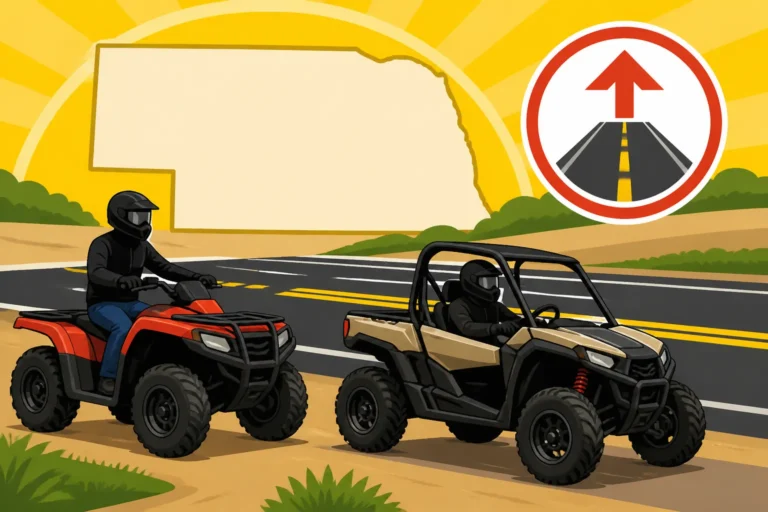
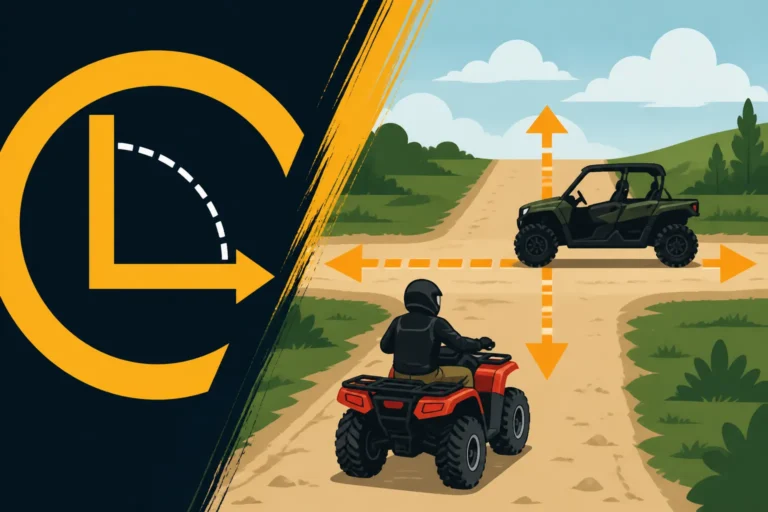
Beyond equipment, how you operate your machine on the road is strictly regulated. Speed is a major factor; you must not exceed [Nebraska's 30 mph Road Limit] on any public road. Crossing rules are also very specific: if you're crossing a highway, you must do so at a [Nebraska Crossing Rules at Ninety Degrees] angle after coming to a complete stop and yielding to all traffic. Furthermore, [Nebraska Daylight Riding Rule] is generally in effect, meaning you can only operate on public roads from sunrise to sunset, with a specific exception for snow removal. It's a lot to remember, but each rule is designed to minimize risk on shared roadways.
Licensing and Passenger Rules for Road-Legal ATVs
Operating an ATV or UTV legally on Nebraska roads also comes with specific requirements for the operator. You can't just jump on and go, especially if you're a younger rider. For starters, [Nebraska Requires a Class O License or Farm Permit]. A Class O license is Nebraska's standard operator's license, the kind you'd get to drive a car. If you're using the ATV strictly for agricultural purposes, a valid farm permit is also acceptable. This ensures that anyone operating a machine on a public thoroughfare has demonstrated a basic level of driving competency and knowledge of road rules.
Passenger rules are another critical aspect. Most ATVs are designed for a single rider, and that's the general expectation for road use. Carrying a passenger on an ATV not designed for one, or carrying more passengers than the UTV is rated for, is not only dangerous but also likely illegal. When you read the specifics about [Nebraska Rules for a Teen Rider], you'll see that age restrictions also come into play, with strict guidelines about who can operate these machines on public roads and what supervision might be required. Always err on the side of caution and adhere strictly to these rules to ensure both your safety and compliance with the law.
Practical Steps for Nebraska ATV Owners
Navigating the intricacies of Nebraska's ATV and UTV road laws, especially with the upcoming insurance changes, can feel like a daunting task. However, breaking it down into actionable steps can make the process much more manageable. Being proactive now will save you headaches, and potentially significant financial strain, down the road.
Checking Your Local Ordinances and County Resolutions
One of the most frequent questions riders have is, "Can I ride my ATV on the streets in my town?" The answer is often "it depends," and the responsibility falls squarely on you to find out. Since city ordinances and county resolutions are the exceptions that open streets to ATVs and UTVs beyond agricultural use, it's absolutely crucial to do your homework. You can't assume that just because a neighboring town allows it, yours does too.
The best place to start is your local city hall or county clerk's office. Many municipalities have their ordinances available online, making it easier to [How to Find Your Town's ATV Ordinance Online]. Look specifically for sections pertaining to "Off-Road Vehicles," "All-Terrain Vehicles," or "Utility Vehicles." Pay close attention to any restrictions on hours of operation, speed limits, specific streets that are allowed or prohibited, and any local registration or permit requirements. For unincorporated villages, you'll need to contact your county board to see if a resolution has been passed. This research isn't just about staying legal; it's about understanding the specific conditions that make road use permissible in your area.
Updating Your Insurance Policy for Compliance
With the January 2027 insurance changes on the horizon, now is the time to get ahead of the curve. Don't wait until the last minute or assume your current policy will automatically adjust. Your first, and most important, step is to contact your insurance agent. They are the experts who can guide you through the upcoming changes and ensure your policy remains compliant.
When you speak with your agent, review your current ATV/UTV insurance policy in detail. Discuss the new minimum liability requirements (50/100/50) and what that will mean for your premiums. This is also an excellent opportunity to re-evaluate your overall coverage. As discussed earlier, minimums are just that – minimums. Consider increasing your liability limits beyond the new minimums, and explore comprehensive, collision, and uninsured motorist coverages. Ask for a clear understanding of your [Nebraska Insurance Proof for Road Use] – what documents you need to carry with you when riding on public roads to demonstrate compliance. Getting these conversations started early allows you to budget for any premium increases and make informed decisions about your financial protection.
Equipping Your ATV for Safe and Legal Road Use
If you plan to use your ATV or UTV on public roads under the allowed exceptions, it must be properly equipped. This isn't just about meeting legal requirements; it's about ensuring your safety and the safety of others you're sharing the road with. Create a checklist and go through it methodically.
First, check your lighting. Ensure your headlights and taillights are fully functional and bright. If they're dim or damaged, replace them. For enhanced visibility, especially in dusty conditions or at dawn/dusk, brighter aftermarket LED lights can be a great upgrade. Second, the safety flag is critical. It must be at least five feet above the ground and prominently displayed. Verify that your flag is securely mounted, intact, and of the required day-glow color. Many riders find that sturdy, high-quality flag mounts and durable flags are a smart investment, and companies like SuperATV offer excellent options for these essential safety items. Finally, ensure your brakes are in perfect working order, your tires are properly inflated for road use, and your machine is in good overall mechanical condition. Regular maintenance goes a long way in preventing breakdowns and ensuring safe operation on any surface.
Common Pitfalls and Misconceptions
Despite the specific laws and numerous discussions, many riders still fall victim to common misconceptions about ATV and UTV road legality in Nebraska. These misunderstandings can lead to costly fines, impoundment, or even serious accidents. Being aware of these pitfalls is just as important as knowing the rules themselves.
The "Street Legal Kit" Myth
One of the most persistent myths is the idea that installing a "street legal kit" on your ATV or UTV automatically makes it permissible to ride on any public road in Nebraska. You see these kits advertised online and at powersports stores, offering turn signals, mirrors, horns, and other accessories. While these items are certainly valuable for safety and are required in some states for street legality, they do not magically override Nebraska's state laws and local ordinances.
The core issue is that Nebraska does not register ATVs for general road use. The title for your ATV will typically contain the notation [Why an ATV Title Says Not To Be Registered], which explicitly indicates it's not for highway operation. Adding turn signals to a machine that is fundamentally barred from most roads doesn't change its legal status. These kits can enhance safety if you're riding in an area where road use is permitted, like an agricultural field access road or a town with a specific ordinance, but they are not a silver bullet for blanket street legality across the state. Always prioritize understanding the law over relying on aftermarket accessories to dictate legality.
Penalties for Non-Compliance
Ignoring Nebraska's ATV road rules isn't just about theoretical risks; it carries tangible and often significant penalties. Law enforcement officers take these regulations seriously, and if you're caught riding illegally on a public road, you can expect consequences. The most immediate outcome is usually a citation, which comes with [Nebraska Ticket Costs for Road Riding] that can quickly add up, especially once court costs are factored in.
Beyond financial penalties, there's the risk of your machine being impounded, leading to additional fees for towing and storage to get it back. If you're involved in an accident while riding illegally or without the required insurance, the ramifications can be far more severe. Without proper liability coverage, you could be personally responsible for extensive medical bills and property damage, potentially facing lawsuits that could wipe out your savings. It's a heavy price to pay for what might seem like a shortcut or a quick joyride. For more information on what to expect, consider reviewing [Nebraska Penalties for Illegal Road Riding].
Always Check Before You Ride
The rules for ATV and UTV road use are often hyper-local. What's allowed on a county road outside Elm Creek might be strictly prohibited just a few miles down the road as you enter Kearney city limits. This variability means that your responsibility to know the rules doesn't end when you leave your driveway. Every time you plan to ride your ATV or UTV on a public thoroughfare, especially if you're traveling to a new area, you need to do your due diligence.
Never assume. Instead, reach out to local authorities. A quick call to the county sheriff's office or the city clerk can provide clarity on local ordinances and any specific restrictions. This is particularly important if you're riding through multiple jurisdictions or planning a trip where you'll be accessing roads you're unfamiliar with. It may seem like a hassle, but taking a few minutes to confirm the rules upfront can save you hours of trouble, legal fees, and potential damage to your machine or reputation. As you prepare your machine for any legal road use, consider solutions from companies like SuperATV, which also offer durable gear bags and storage solutions, perfect for keeping copies of your insurance documents, local ordinances, and contact numbers handy. This way, you're always prepared and ready to ride responsibly.
Disclaimer
This article is for general informational purposes only and does not constitute professional advice. Laws, prices and regulations vary by location and change over time. Consult a qualified professional for guidance on your specific situation.