Nebraska Equipment Checks by Deputies
There’s nothing quite like the sudden flash of blue lights in your rearview mirror when you’re out enjoying a ride, especially if you’re not entirely sure about the nuances of Nebraska’s ATV and UTV laws. That moment of anxiety can really take the fun out of your day, leaving you wondering exactly what a deputy might be looking for. This guide is here to help ease those worries by laying out precisely what equipment law enforcement officers typically check for when they pull over an ATV or UTV in the Cornhusker State, so you can ride with confidence and stay on the right side of the rules.
Understanding Nebraska's Road Rules for ATVs and UTVs
Let's be real, Nebraska isn't exactly a free-for-all when it comes to riding ATVs and UTVs on public roads. It's a common misconception that if you have a title, you can just cruise down the highway. Unfortunately, that's almost never the case. Most riders only encounter law enforcement on roads because they've inadvertently (or intentionally) ventured where they shouldn't, or they're operating under one of the very specific exceptions.
When ATVs and UTVs Can Legally Be on Nebraska Roads
The general rule in Nebraska is that ATVs and UTVs are not permitted on state highways or even most county roads. This is often a source of frustration for riders who just want to get from Point A to Point B without having to trailer their machine for short distances. However, there are very specific instances where you might legally find yourself sharing the asphalt or gravel with other vehicles.
Primarily, these exceptions revolve around agricultural use. Farmers and ranchers frequently use their side-by-sides and quads for crucial tasks like checking fences, herding livestock, or transporting tools between fields. When a deputy sees a farmer moving a UTV from one cornfield to another, or down a short stretch of county road to access a pasture, that's often a legal application under the agricultural exemption. But it’s not a blank check to go joyriding. If you're on a multi-lane highway or simply out for a recreational spin far from any actual farm work, you're likely outside the bounds of this exception. It’s critical to understand the spirit of the law, which is to facilitate necessary farm operations, not to create recreational opportunities on public thoroughfares. You can learn more about these specific allowances by reading [Three Ways ATVs Can Legally Use Nebraska Roads].
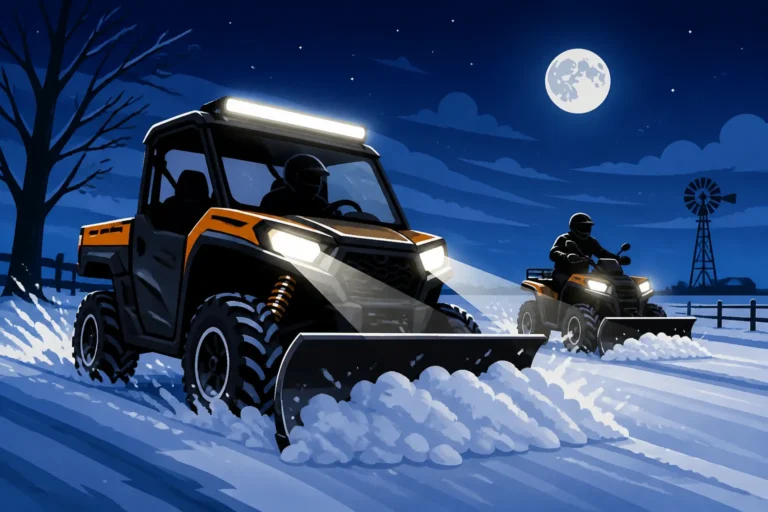
Beyond agricultural use, there are also provisions for snow removal and crossing roads at ninety-degree angles. Some cities and unincorporated villages have also passed local ordinances that permit ATV/UTV use on their streets, but these are highly localized and often come with their own set of rules, including city-specific registration and age restrictions. These local ordinances are truly the exception, not the rule, and you absolutely need to check with the specific municipality before assuming you can ride its streets.
Key Equipment Required for Road-Legal Use
If your ATV or UTV does fall under one of those rare exceptions that allows it onto a public road, then deputies will be checking for a very specific set of equipment to ensure it's as visible and safe as possible for everyone else on the road. It’s not just about having some lights; it's about having the right lights in the right condition, along with other critical safety features.
Think of it this way: a car is designed for road use from the ground up, but an ATV isn't. So, when an ATV ventures onto the road, it needs to compensate for its smaller size and often lower profile. This means proper lighting is paramount. You'll need functioning headlights that emit a white light to the front, and taillights that display a red light to the rear. Brake lights are also essential to signal your deceleration to traffic behind you. Beyond lighting, a rear-view mirror is typically required, allowing you to see what's coming up behind you.
Perhaps one of the most distinctive and crucial pieces of equipment for road-legal ATVs in Nebraska is the safety flag. This isn't just a decorative item; it's a vital safety tool designed to make your machine more visible to other drivers, especially over hills or around corners where your low-profile ATV might otherwise be hidden. Many riders look to companies like SuperATV for high-quality, durable safety flags and other essential accessories that meet these requirements. Ensuring all these pieces of equipment are installed correctly and are fully functional is not just about avoiding a ticket; it's about making sure you get home safely. For a deeper dive, check out [Nebraska Lighting Requirements on a Machine].
What Deputies Are Looking For During an Equipment Check
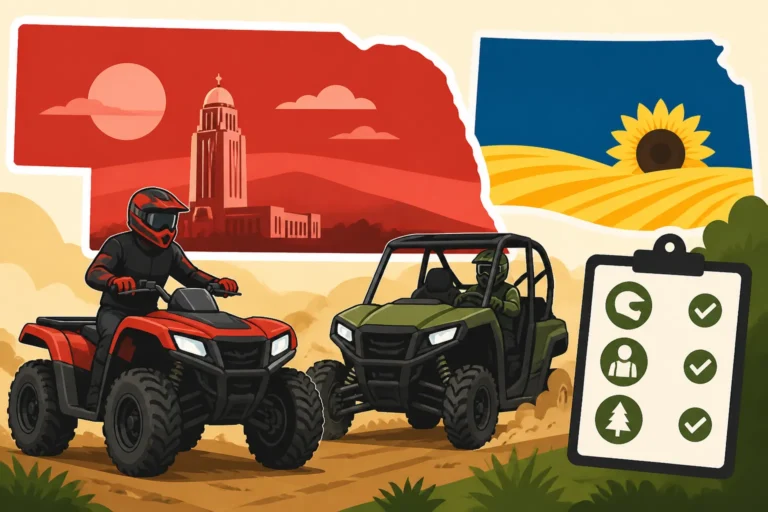
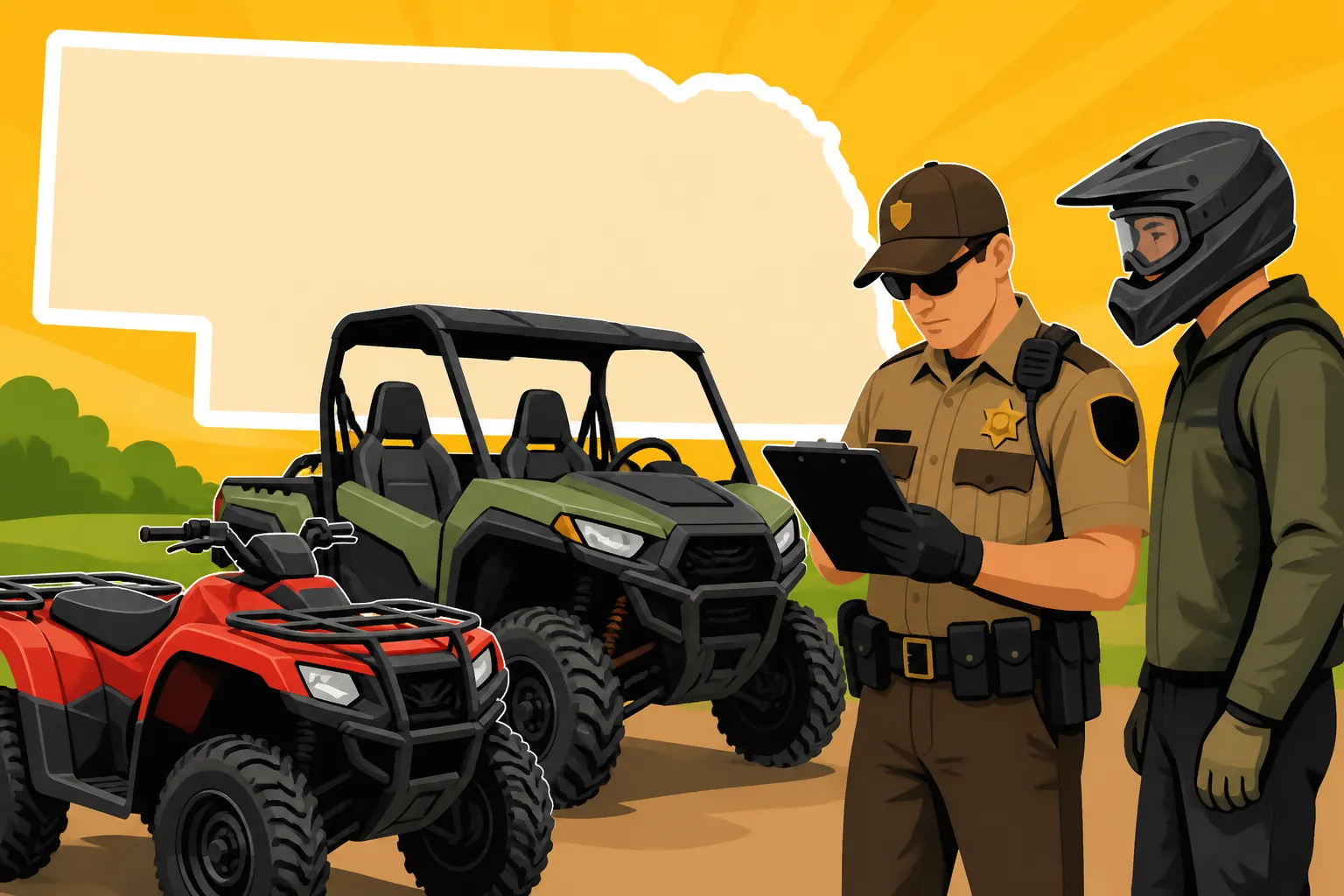
When a deputy pulls you over on your ATV or UTV in Nebraska, their primary concern is safety – both yours and that of other road users. They aren't trying to ruin your day, but they are enforcing laws designed to prevent accidents. Their check will be methodical, focusing on specific items that indicate your machine is, or isn't, compliant for the particular situation you're in.
Lights and Reflectors: Being Seen and Signaling Intent
This is often the first thing a deputy will look at, especially if it's not the brightest part of the day, or if they spotted you from a distance. Proper lighting isn't just for nighttime; Nebraska law often requires headlights to be on during daylight hours when operating on a road, a rule similar to motorcycles. This is because ATVs and UTVs are less visible than cars. Your headlights need to be working, clear, and emit a white light forward. If you're pulled over at dusk, and your headlight is out, it's an immediate red flag for safety.
Similarly, your taillights need to be illuminating red to the rear, and your brake lights must activate when you apply the brakes. Imagine you're on a gravel county road, and a pickup truck is behind you. If your brake lights aren't working, that driver has no visual cue that you're slowing down, which could easily lead to a rear-end collision. Deputies know this, and they'll be checking these crucial signaling devices. It’s not uncommon for officers to have you demonstrate your lights and brakes right there on the shoulder. This emphasis on visibility, even during the day, is why Nebraska has a [Nebraska Daylight Riding Rule]. Making sure your lights are bright, clean, and fully operational is a quick and easy way to demonstrate responsibility.
The All-Important Safety Flag
The safety flag is arguably one of the most distinctive and non-negotiable pieces of equipment for road-legal ATV/UTV use in Nebraska. Its purpose is singular: to make your machine visible above obstructions. Think about it—your ATV or UTV sits pretty low to the ground. If you're driving through tall crops, over a slight hill, or even just behind a larger vehicle, you could be completely hidden from oncoming traffic. The safety flag, extending high above your machine, acts as an early warning signal to other drivers.
Deputies will be checking for several key aspects of your flag. First, its height: it must typically be at least five feet above the ground. Second, its color and size: it usually needs to be a day-glow color, often orange, and have a minimum surface area—typically 30 square inches. This isn't a fashion statement; it's a practical safety device. If you're missing a flag, or it's tattered, too small, or not the right color, you can expect questions. Many riders find durable, compliant flags and flag mounts from brands like SuperATV, ensuring they meet the specific [Nebraska Safety Flag Dimensions] required by law. It’s a small investment for a significant safety benefit and peace of mind.
Mirrors, Brakes, and Tires: Basic Operational Safety
Beyond lights and flags, deputies will also scrutinize the fundamental operational safety features of your ATV or UTV. These are the basics that ensure you can control your machine and react safely to traffic conditions.
A rear-view mirror is usually required, giving you visibility of what's behind you without having to turn your head completely around. This is especially important when you're making turns or changing your position on the road. If your mirror is missing, cracked, or improperly positioned, it can hinder your situational awareness.
Your brakes are, of course, absolutely critical. Both your front and rear brakes need to be in good working order. A deputy might ask you to apply both independently, or simply test them out to ensure they bring the machine to a safe stop. Worn brake pads, spongy levers, or malfunctioning calipers are immediate safety hazards that law enforcement officers are trained to spot. No one wants to be caught in a situation where they can't stop their machine effectively.
Finally, your tires are also on the checklist. While ATVs are built for off-road terrain, when you're on pavement or gravel, the condition of your tires is just as important as on a car. Deputies will look for excessive wear, obvious damage, or bald spots that could compromise traction and control, especially in wet conditions. Riding with unsafe tires isn't just a risk to you; it’s a risk to anyone else on the road.
Documentation and Other Considerations During a Stop
It's not just the physical condition of your ATV or UTV that deputies are interested in. Just like with a car, there's paperwork involved, and you need to be prepared to present it. For many riders, the documentation aspect can be just as confusing as the equipment requirements.
Proof of Ownership and Insurance
When you're stopped, a deputy will almost certainly ask for proof of ownership. This typically means your ATV or UTV title. It's often recommended to carry a copy of your title, rather than the original, to protect against loss or damage while out riding. However, it's crucial that the information on that copy matches the machine you're operating. If you just bought the machine, a bill of sale can serve as temporary proof of ownership until your new title arrives. This is particularly important for those who might be crossing property lines or using their machine on public roads under specific exemptions. You might be asked for [Carrying Your Title Copy on a Ranch Road] for various reasons, and being prepared helps.
If you're operating your ATV or UTV on a public road—even under one of the narrow exceptions—you are generally required to carry proof of liability insurance. Just like with a car, this insurance protects you financially in case you're involved in an accident that causes damage or injury to others. Deputies will check that you have active insurance coverage that meets Nebraska's minimum requirements. Riding uninsured on a public roadway is a significant offense. Make sure you understand [Nebraska Insurance Proof for Road Use] before you head out.
License and Age Restrictions
Another critical piece of the puzzle during a traffic stop involves the operator's qualifications. If you are operating an ATV or UTV on a public road in Nebraska, you typically need to possess a valid Class O driver's license, or in some cases, a farm permit if you meet specific agricultural requirements. This isn't something to guess about; without the proper licensing, you're not legally permitted to operate a motorized vehicle on public roads, even if the ATV itself is compliant. [Nebraska Requires a Class O License or Farm Permit] for these situations.
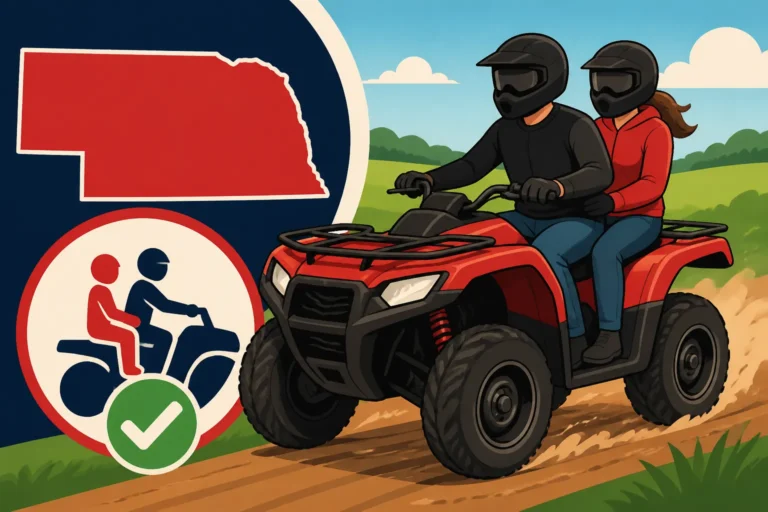
Furthermore, age restrictions apply, especially to youth riders. While there are generally no statewide age limits for riding ATVs on private property with owner permission, public road use is a different story. If you're a minor, or if you have a minor passenger, deputies will be checking to ensure all age-related laws are being followed, both for the operator and any passengers. These rules are in place for safety, recognizing that younger riders may lack the experience or judgment to safely navigate public roads. Understanding [Nebraska ATV Age Requirements] is vital for any family that rides.
The "Not To Be Registered" Notation
One of the most common sources of confusion for ATV and UTV owners in Nebraska is the notation on their title that reads "NOT TO BE REGISTERED." Many riders wonder, "If I have a title, why can't I get a license plate and drive on the road?" This specific phrase on the title is exactly what deputies are trained to look for, and it clarifies the machine's legal status.
This notation signifies that your ATV or UTV, while legally owned and titled for identification purposes, is fundamentally not designed or approved for general highway use. It explicitly states that it cannot be registered for a license plate, which is a prerequisite for most vehicles on public roads. Deputies understand that this notation means the machine is intended for off-road use, and any road operation must fall under very narrow, specific exceptions (like agricultural use or approved local ordinances). This is why a deputy will likely glance at your title and quickly understand its limitations. If your title says [Why an ATV Title Says Not To Be Registered], it's a clear indicator of its intended operating environment. This specific text on your document, known as [The Title Notation That Bars Road Registration in Nebraska], is a crucial piece of information for both you and law enforcement.
| Equipment/Document | Purpose | Why a Deputy Checks It |
|---|---|---|
| Headlights | Forward visibility, "be seen" rule | Ensure you're visible to oncoming traffic, even in daylight. |
| Taillights | Rear visibility | Ensure you're visible from behind, especially when slowing. |
| Brake Lights | Signal deceleration | Crucial for preventing rear-end collisions. |
| Safety Flag | Heightened visibility above obstructions | Makes your low-profile machine visible over hills, crops, or large vehicles. |
| Rear-view Mirror | Rearward situational awareness | Essential for safe turning and lane positioning (if applicable). |
| Brakes | Ability to stop safely | Fundamental safety check to prevent accidents. |
| Tires | Traction and control | Ensure safe grip on road surfaces; prevent blowouts or loss of control. |
| Title/Bill of Sale | Proof of ownership | Confirms you legally own the machine you're operating. |
| Proof of Insurance | Financial responsibility in case of accident | Required for road use to cover potential damages/injuries to others. |
| Driver's License/Permit | Legal qualification to operate on public roads | Verifies you are legally allowed to drive a motorized vehicle on a public thoroughfare. |
Common Pitfalls and How to Avoid Them
Even with the best intentions, it's easy to misunderstand the rules and find yourself in a tricky situation with law enforcement. Many riders assume more leeway than the law actually grants. Being aware of these common mistakes can save you a lot of grief, time, and money.
Misinterpreting "Farm Use" Exceptions
This is perhaps the biggest gray area and the source of countless interactions between deputies and ATV/UTV riders. The agricultural exemption is designed for machines actively being used for farm or ranch work. This means tasks directly related to raising crops, caring for livestock, or maintaining agricultural property. It does not mean you can take a scenic shortcut through your neighbor's field (without their permission, of course) or go for a recreational ride on a Sunday afternoon simply because you live on a farm.
For example, checking cattle on your own property with your UTV is clearly farm use. Driving that same UTV down a county highway to pick up groceries because it's convenient, even if you own a farm, would likely not qualify. Deputies are trained to look for evidence of legitimate agricultural activity. If your machine is spotless and you're miles from any active farm work, claiming "farm use" might not hold up. If you're wondering [Is Checking Cattle an Agricultural Trip Under the Law?], the answer is usually yes, but be mindful of the full context of your journey. Always err on the side of caution and understand that the spirit of the law is to facilitate farming, not leisure.
Ignoring Local Ordinances
While state law generally restricts ATV/UTV road use, cities and unincorporated villages in Nebraska have the power to create their own ordinances to allow limited use on local streets. This creates a patchwork of rules that can be incredibly confusing. What's legal in one small town might be strictly prohibited in the next town over. This variability is a huge headache for riders who might travel through multiple jurisdictions.
A common pitfall is assuming that because one town allows it, all do. You absolutely cannot make that assumption. If you plan to ride your ATV or UTV on the streets of any Nebraska city or village, it is your responsibility to check with that specific municipality's city hall or county clerk's office beforehand. Many will have a specific ordinance on their website. These ordinances often come with their own registration fees, specific hours of operation, and even stricter equipment requirements than state law. Failing to check can lead to an unexpected stop and a citation. Familiarize yourself with [Nebraska City Ordinances That Open Streets] or even [How a Town Ordinance Opens Its Streets to ATVs] for your specific area.
Consequence of Non-Compliance
Let's not sugarcoat it: getting pulled over and found non-compliant with equipment or operating laws can have real, tangible consequences. The immediate result is often a ticket, which means a fine. These fines can vary depending on the specific violation and the jurisdiction, but they are never a welcome expense. Beyond the initial fine, you'll also likely incur court costs, even if you just pay the ticket without challenging it.
In some cases, especially for repeat offenses or egregious violations, a deputy might have the authority to impound your machine. Imagine the hassle and expense of trying to retrieve your ATV or UTV from an impound lot, often incurring daily storage fees on top of tow charges and any fines. This isn't just a minor inconvenience; it can be a significant financial burden and a major disruption to your plans. The stress of dealing with a citation, taking time off work to go to court, and paying fees can quickly overshadow any enjoyment you got from an illegal ride. Understanding [Nebraska Ticket Costs for Road Riding] beforehand can give you a stark perspective on why compliance is always the better route.
Ultimately, being prepared means knowing the rules, ensuring your machine is properly equipped, and having your documents in order. It's about respecting the law, the safety of others, and ensuring your enjoyment of Nebraska's great outdoors isn't cut short by an unexpected encounter with law enforcement.
Disclaimer
This article is for general informational purposes only and does not constitute professional advice. Laws, prices and regulations vary by location and change over time. Consult a qualified professional for guidance on your specific situation.