What Happens When a Town Repeals Its ATV Ordinance
It can be incredibly frustrating to think you've finally got a handle on where you can legally ride your ATV or UTV in your Nebraska hometown, only for the rug to be pulled out from under you. One day, you're cruising a permitted street, and the next, your local ordinance is repealed, leaving you wondering if you're now breaking the law just by starting your engine. This guide aims to clear up the confusion and lay out exactly what happens when a town decides to repeal its ATV ordinance, offering practical advice on how to navigate the sudden shift.
Understanding Why a Town Might Roll Back ATV Access
When a city or village first passes an ordinance allowing ATVs and UTVs on certain streets, it's often a response to community interest, a desire to boost local commerce, or simply to make life easier for residents who use these machines for practical purposes. However, these ordinances aren't set in stone, and various factors can lead a town council to reconsider and ultimately repeal them. It's rarely a decision made lightly, but rather a response to evolving community dynamics or unforeseen challenges.
Public Safety Concerns and Complaints
One of the most common reasons for repealing an ATV ordinance stems from public safety concerns. While many riders are responsible, an increase in reported accidents, near-misses, or instances of reckless driving can quickly erode public support for street access. Residents might voice concerns about excessive speed, riders operating machines without proper safety gear, or even underage operators on public roads. Even a few isolated incidents can unfortunately paint a negative picture for the entire riding community, leading to calls for stricter rules or outright bans from concerned citizens and local law enforcement alike.
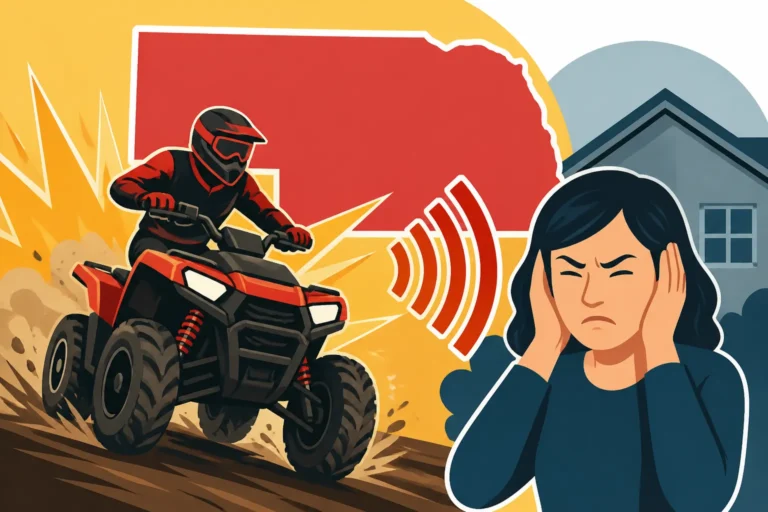
Additionally, noise complaints can be a significant factor. ATVs and UTVs, especially those with aftermarket exhausts or modified engines, can be quite loud, particularly in residential areas. If enough residents complain about continuous noise disturbances, especially late at night or early in the morning, the town council might feel compelled to repeal the ordinance to maintain peace and quiet within the community. It's a tricky balance between recreational freedom and residential tranquility, and sometimes, the latter takes precedence in local governance.
Enforcement Difficulties for Local Law Enforcement
Another major hurdle for towns is the practical difficulty of enforcing these ordinances. Local police departments, especially in smaller communities, might already be stretched thin. Adding the responsibility of monitoring ATV usage on streets, ensuring compliance with specific speed limits, flag requirements, and age restrictions, can be a significant burden. They might find it challenging to distinguish between legal and illegal operation, or to effectively ticket offenders without adequate resources or clear guidelines.
When enforcement becomes inconsistent or overwhelming, the ordinance can feel ineffective, leading to a perception that ATVs are operating unchecked. This can, in turn, exacerbate public safety concerns and noise complaints. If law enforcement officials report to the town council that the ordinance is too difficult to manage or that compliance is low, it strengthens the argument for simply repealing it and reverting to a general ban on street use. It's often a question of practicality and resource allocation for the local authorities.
Shifting Community Priorities
Sometimes, the community itself changes. What was once a rural area with a tolerant view of ATVs might become more suburbanized, attracting new residents who aren't accustomed to off-road machines on their streets. These new demographics might bring different expectations for their neighborhoods, placing a higher value on quiet streets, traditional vehicles, and strictly separated recreational areas. The initial support for the ordinance might simply fade over time, or new council members might be elected who hold different views on ATV access.
Economic factors can also play a role. If the initial goal was to attract tourism or boost local business through ATV access, but those benefits haven't materialized as expected, the town might see less reason to maintain the ordinance, especially if it's causing other issues like complaints or enforcement headaches. [Nebraska City Ordinances That Open Streets] are always subject to review, and what works for a town one year might not work the next, requiring a fresh look at local priorities.
The Immediate Fallout: What Happens to Your Riding Plans?
When a town repeals its ATV ordinance, the change isn't just bureaucratic; it has immediate and tangible effects on anyone who rides their machine within city limits. What was legal yesterday can become illegal overnight, leading to confusion, potential fines, and a drastic alteration of your riding habits. It’s crucial to understand these immediate impacts to avoid unknowingly breaking the law.
Street Legal Status Vanishes Overnight
The most direct and significant consequence is that your ATV or UTV immediately loses its "street legal" status within that town's boundaries. Even if you diligently followed all the previous rules—like having proper lights, a safety flag, and perhaps even obtaining a city-specific permit or paying [Nebraska City ATV Registration Fees]—those allowances are now null and void. The town reverts to the default state law, which generally restricts ATV and UTV use on public roads, with only specific exceptions like agricultural use or crossing at 90-degree angles on county roads.
This means that your morning commute to the local gas station on your UTV, or a quick trip to a friend's house on your quad, is no longer permitted. Riding on any paved or gravel street within the repealed town's jurisdiction can now result in a citation. It's a sudden and often unexpected change, forcing riders to quickly adapt their routines and find alternative ways to transport their machines or entirely different places to ride them. Many riders might have even purchased accessories from brands like SuperATV specifically to meet previous street legal requirements, and these modifications, while still useful off-road, won't grant street access anymore.
Potential for Fines and Impoundment
Ignorance of the law is rarely an excuse, and once an ordinance is repealed, law enforcement will generally begin enforcing the new, stricter rules. This means that if you're caught riding your ATV or UTV on a formerly legal street, you could face fines, penalties, and potentially even impoundment of your machine. [Nebraska Penalties for Illegal Road Riding] can vary, but they are often significant enough to be a serious deterrent. Police officers, who were previously tasked with enforcing the ordinance's specific conditions, will now enforce the general prohibition, which is much simpler for them.
It's vital for riders to stay informed about local ordinances and any changes. Checking with city hall or the local police department is a good first step after hearing rumors of a repeal. The financial burden of fines, towing fees, and impoundment costs can quickly add up, making it far more expensive than simply finding an alternative place to ride or transport your machine. It's a harsh reality, but one that riders must acknowledge and prepare for when a town decides to retract street access.
Confusion and Misinformation Among Riders
A repeal rarely happens with perfect clarity for everyone. There's often a period of confusion where some riders are aware of the change, while others are not, leading to inconsistent behavior and potential run-ins with law enforcement. Social media groups and local forums might be abuzz with conflicting information, making it hard to discern the official stance. This misinformation can lead to innocent mistakes, where riders continue to operate their machines on streets, genuinely believing they are still in compliance.
It's not just riders who can be confused; sometimes, even local business owners or residents might not immediately grasp the full implications of the repeal. They might mistakenly encourage or assume ATV use is still allowed, creating further ambiguity. This period of transition is precisely why it's so important for riders to proactively seek out official information directly from the city government or law enforcement to ensure they are fully compliant with the new rules.
Navigating the New Landscape: Where Can You Legally Ride Now?
The repeal of a local ordinance doesn't mean the end of your riding adventures in Nebraska. It simply means a shift in where and how you can enjoy your machine. While street access within that specific town might be gone, there are still various avenues for legal and enjoyable ATV and UTV use. The key is to understand state laws and explore alternative riding locations.
Private Land with Permission is Still King
By far the most common and often preferred method of riding ATVs and UTVs in Nebraska is on private land with the owner's express permission. This rule remains absolutely unchanged regardless of any town ordinance. If you own acreage, have friends or family with land, or can secure written permission from a landowner, you can ride to your heart's content on that property, assuming you respect their rules and practice safe riding. This is where most off-road enthusiasts spend the majority of their time, building trails, riding pastures, or navigating rough terrain.
Always make sure to get permission in writing, especially if you're riding on someone else's property regularly. This protects both you and the landowner. It's also a good idea to discuss the specific areas you're allowed to ride, any time restrictions, and what kind of modifications or accessories, perhaps from SuperATV, are acceptable on their land. Remember, even on private land, practicing responsible riding and respecting the environment is crucial to maintaining good relationships and continued access.
Designated Off-Highway Vehicle Trails and Parks
Nebraska might not have a vast network of state-managed OHV trails compared to some other states, but there are still fantastic options for dedicated off-road riding. Places like the Bessey OHV Trails at Halsey in the Nebraska National Forest or Cedar Run ATV Trail provide designated areas where ATVs and UTVs are not only allowed but encouraged. These trails are designed for off-road machines and offer a safe, legal, and often scenic environment for riding. You'll also find private parks, like Flat Rock Riders OHV Park, that cater specifically to off-road enthusiasts.
When planning a trip to one of these locations, always check their specific rules, hours of operation, and any permit or fee requirements. Some parks might have age restrictions, helmet requirements, or specific rules about machine modifications. [Nebraska ATV Trails: Where to Ride] is a great resource to explore these options. These dedicated parks and trails are fantastic alternatives to street riding, offering challenging terrain and a community of fellow riders.
Agricultural Exemptions and County Road Rules
Even without a city ordinance, Nebraska state law provides certain exemptions for ATVs and UTVs, particularly for agricultural purposes. [Nebraska's Agricultural Road Exception] allows machines to be operated on public roads and highways for agricultural purposes between the hours of sunrise and sunset. This means if you're using your ATV for tasks like checking cattle, moving equipment from one field to another, or carrying tools for farm work, you might still be able to use certain roads, provided you meet specific conditions like having a valid Class O license or a farm permit, liability insurance, and a safety flag.
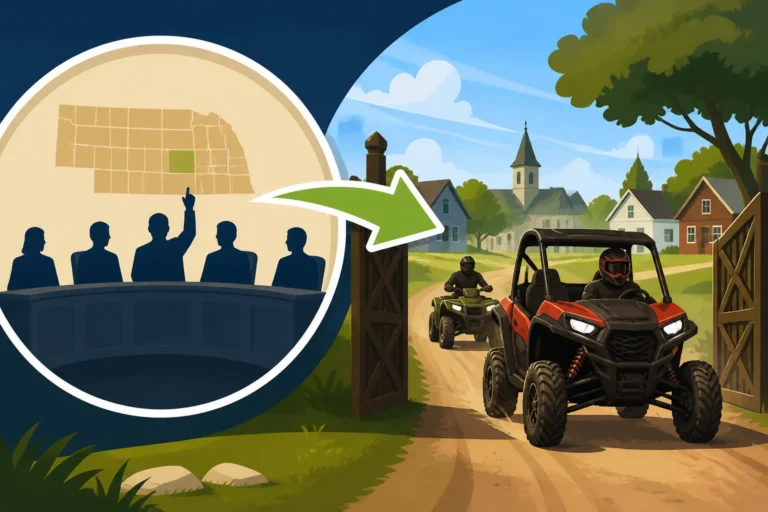
Furthermore, outside of incorporated city limits, county roads often have different rules than state highways or city streets. While generally not "street legal" in the traditional sense, you can often cross county roads at a 90-degree angle, and some counties or [Nebraska County Board Resolutions for Villages] may open specific unincorporated village streets to ATVs. Always confirm these details with the county sheriff's office or local authorities, as rules can vary significantly from one county to the next.
Your Next Steps: Advocating for Access and Staying Compliant
The repeal of an ATV ordinance can feel like a setback, but it doesn't have to be the final word. As riders, you have a voice, and there are proactive steps you can take to understand the new rules, advocate for future access, and ensure you remain compliant with the law. Staying informed and organized is your best defense against arbitrary changes.
Get the Official Word Directly from City Hall
First and foremost, don't rely on rumors or social media. If you hear that an ATV ordinance has been repealed, contact your local city hall or county treasurer's office directly. Ask for a copy of the repealed ordinance and any new regulations that apply. Understanding the exact wording of the law is crucial for knowing your rights and limitations. This is also a good opportunity to inquire about [What to Ask City Hall Before Riding Streets] in the future, should the opportunity arise.
You might also ask about the process for proposing new ordinances or amendments. Understanding the official channels for local governance can be invaluable if you decide to advocate for renewed access in the future. Don't be afraid to ask specific questions about fines, enforcement, or any grace periods that might be in effect during the transition.
Engage with Local Government and Community Leaders
If you're passionate about restoring ATV access, or simply want to ensure your voice is heard, engaging with your local government is essential. Attend city council meetings, express your concerns respectfully, and present well-researched arguments for why ATV access is beneficial to the community. Focus on potential economic benefits, recreational opportunities, or practical uses for local residents. Consider teaming up with other riders or local businesses that might also be affected.
Building relationships with council members and community leaders can make a big difference. They are often responsive to well-organized, articulate groups of constituents. Joining or forming a local ATV club can amplify your voice and provide a structured way to advocate. The [Nebraska Off-Highway Vehicle Association] is an excellent resource for understanding statewide issues and connecting with other riders who share your passion. They can often provide guidance on how to effectively approach local government.
Explore Responsible Riding Education and Advocacy
One of the best ways to counter negative perceptions of ATVs is through responsible riding and education. Encourage all riders, especially youth, to take safety courses. Demonstrating a commitment to safety and good stewardship can help rebuild trust within the community. When advocating for access, emphasize how riders are willing to adhere to safety standards and environmental regulations.
Consider proposing solutions rather than just complaining about the repeal. Could a dedicated group of riders volunteer to maintain a specific trail? Could a local club offer safety courses to the community? Could you propose a specific, limited-access street that focuses on connectivity rather than recreational cruising? Presenting thoughtful, constructive ideas rather than just grievances can often lead to more productive dialogue and better outcomes. Even if street access isn't restored, such efforts can strengthen the riding community and potentially lead to new off-road opportunities. For example, ensuring your machine is properly equipped for off-road adventures with high-quality parts from SuperATV demonstrates a commitment to safe and reliable riding.
| Aspect | Before Ordinance Repeal | After Ordinance Repeal |
|---|---|---|
| Street Legal Status | Permitted on designated city streets | Generally prohibited on city streets |
| City Permit/Registration | May have been required, valid | No longer valid or required for street use |
| Primary Riding Areas | City streets (designated), private land, OHV trails | Private land (with permission), designated OHV trails |
| Enforcement | Focus on compliance with ordinance rules (e.g., speed, flag) | Focus on prohibiting street use, enforcing state laws |
| Agricultural Exception | Still applicable (state law) | Still applicable (state law) |
| County Roads | State law for crossings, some variations by county | State law for crossings, some variations by county |
Disclaimer
This article is for general informational purposes only and does not constitute professional advice. Laws, prices and regulations vary by location and change over time. Consult a qualified professional for guidance on your specific situation.