Why Your Headlight Must Be On in Daylight
It's incredibly frustrating when you're just trying to enjoy a ride or get some work done on your ATV or UTV, and suddenly you're wondering about what seems like a simple thing: your headlights. Why do they need to be on during the day? Many riders, especially those new to Nebraska's unique rules for off-road machines, find themselves scratching their heads over this. This guide will dive deep into why Nebraska's laws mandate daytime headlight use for ATVs and UTVs on public roads, helping you understand the logic and stay compliant.
The Core Rule: Headlights On, Even in Daylight
Navigating the rules for ATVs and UTVs on Nebraska's roads can feel like deciphering a secret code. Unlike many states where off-road machines are strictly confined to private land or dedicated trails, Nebraska offers specific, albeit limited, scenarios where you can legally ride on public roads. However, this privilege comes with a set of strict safety requirements, and one of the most fundamental—and often overlooked—is the continuous use of your headlight, even in broad daylight.
Nebraska's Legal Framework for ATV Road Use
Nebraska's approach to ATV and UTV use on public roads is quite distinct, largely shaped by its agricultural roots and the practical needs of rural communities. The state doesn't have a statewide registration system for ATVs for general recreational use on roads, nor does it issue license plates. Instead, it carved out specific exceptions, primarily for agricultural purposes or when local municipalities decide to open their streets. When an ATV or UTV is allowed on a public roadway, even for a short cross-over or a designated farm trip, it immediately falls under a different set of safety expectations. This isn't just about common sense; it's codified in state law, specifically within sections like [Nebraska ATV Road Rules Under 60-6,356] and [Nebraska Lighting Statute 60-6,357]. These statutes lay out the precise equipment requirements designed to enhance visibility and safety for all road users.
Think about it: an ATV is a much smaller, less conspicuous vehicle than a car or truck. It sits lower, has a smaller profile, and can be easily missed by drivers in larger vehicles, especially when emerging from a field, crossing a gravel road, or navigating the edges of a city street where an ordinance might allow it. The state's regulations are a direct response to these inherent visibility challenges, aiming to minimize the risk of accidents by making ATVs and UTVs as noticeable as possible whenever they share space with other traffic.
The Rationale Behind Daylight Headlight Use
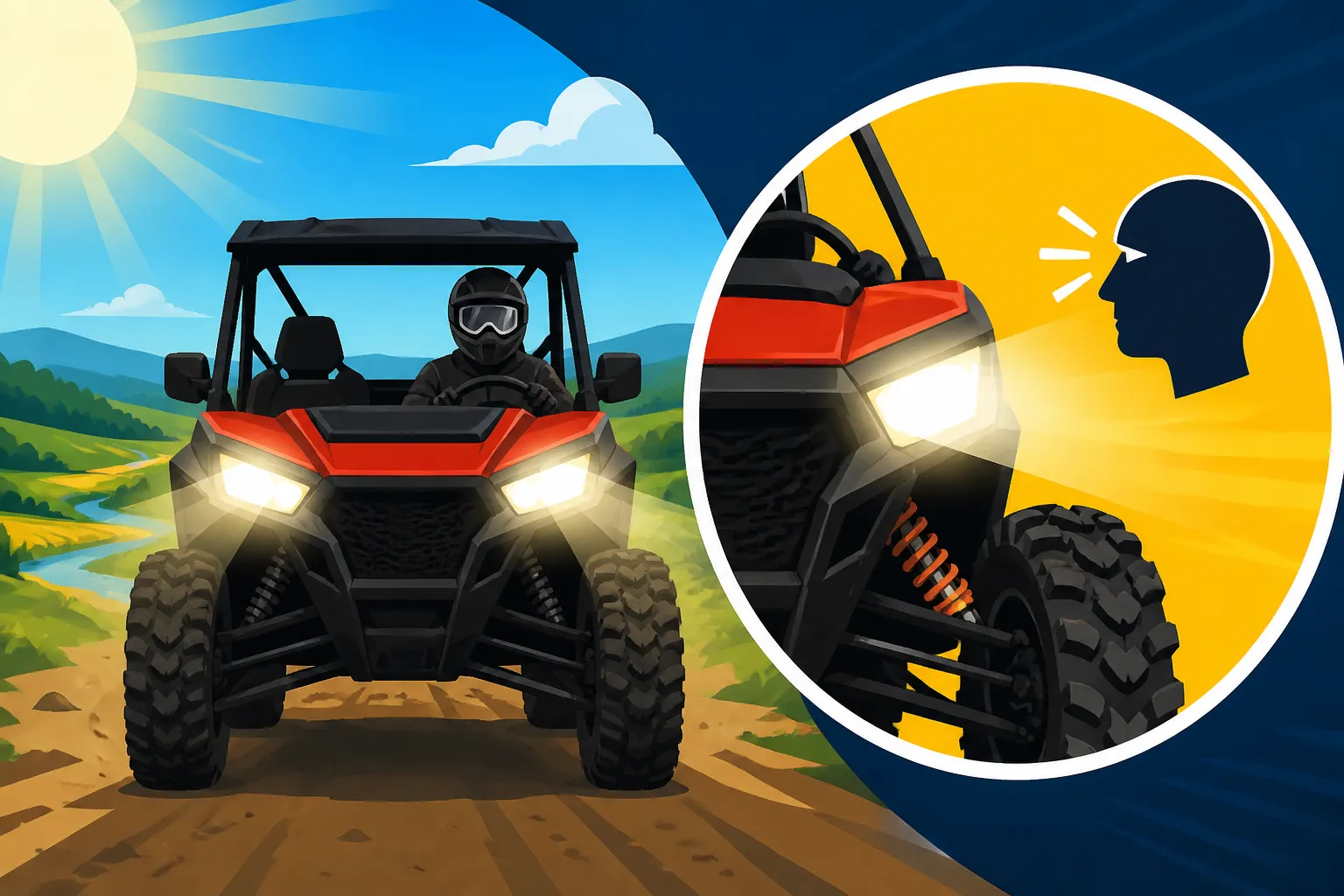
At first glance, it might seem redundant or even unnecessary to have your headlight blazing during the day. After all, the sun is out, and everything is bright, right? Well, not exactly. The human eye is incredibly good at processing contrast and movement. A bright headlight, even in daylight, provides a distinct "point of light" that breaks through the visual clutter of the environment. It acts as an early warning signal, drawing the attention of other drivers much more effectively than the ATV's overall shape alone.
Imagine you're driving your pickup down a county road, cresting a small hill, and suddenly an ATV appears from a field access point. If that ATV has its headlight on, your brain registers that distinct light source much faster, allowing you precious extra milliseconds to react. Without it, the ATV might blend into the background of trees, fences, or distant buildings, making it harder to perceive its presence and direction. This is a well-established principle in traffic safety: "conspicuity" (how easily something is seen) is dramatically improved by activated lighting, even when ambient light is high. It's the same reason many motorcycles have mandatory daytime running lights – they simply make the machine more visible and help prevent the "I didn't even see them" type of collision.
Connecting to Nebraska's Limited Road Access
It's crucial to remember that legal ATV road use in Nebraska is not a free-for-all. It's often limited to specific circumstances, such as [Nebraska Farm Trips Outside City Limits] or brief crossings. Because these instances are exceptions to the general rule of ATVs being off-road, the state imposes higher visibility standards. If you're using your ATV for agricultural purposes, perhaps moving equipment from one field to another, or briefly using a city street that has been opened by a local ordinance, you are operating under a conditional permit, so to speak.
This conditional access means that every effort must be made to ensure safety. The requirement to have your headlight on during daylight hours is one such non-negotiable condition. It's part of the trade-off for gaining temporary access to public thoroughfares. It also reinforces the idea that even during designated farm activities, safety remains paramount. While you might be focusing on reaching your next pasture or the feedlot, other drivers on the road are expecting typical traffic and may not anticipate a smaller, off-road machine. That headlight is your best friend in shouting "Hey, I'm here!" to everyone else.
What This Means for Nebraska Riders
So, you understand why the headlight rule exists, but how does it translate into your daily riding? It's more than just flipping a switch; it's about incorporating this safety practice into your routine and ensuring your machine is always ready.
When the Rule Applies
The "headlight on, even in daylight" rule primarily kicks in when your ATV or UTV is operating on a public road or street. This includes:
- Crossing a Highway: Even if it's just a quick, ninety-degree dash across a paved state highway or a county road, your headlight needs to be on. Remember, [Nebraska Crossing Rules at Ninety Degrees] are very specific, and visibility is key during these brief, high-risk maneuvers.
- Farm Use: If you're driving your machine on a county road to get from your home to a distant pasture, or from one field entrance to another, your headlight must be on. This falls under the agricultural exemption, which permits limited road travel for farm-related tasks.
- Designated City Streets: If your city or an unincorporated village has adopted an ordinance allowing ATVs on certain streets, your headlight is a mandatory piece of equipment for those stretches of road. Always check local ordinances, as they often have additional requirements.
- Snow Removal Exception: Nebraska does have a specific exception for clearing snow after dark, where different lighting rules might apply, but for general daylight operation on any public way, the headlight is required.
It's important to differentiate this from purely off-road use on private land, trails like Bessey OHV Trails at Halsey in Nebraska, or other designated recreational areas where the daylight headlight rule might be a park rule but isn't necessarily a state traffic law. When you leave private property and enter any public road, even briefly, the state law takes precedence.
The Importance of Working Headlights
This isn't just about having a headlight; it's about having a working headlight. Before every ride that might involve even a momentary trip on a public road, take a moment to do a quick visual check. Is your headlight bulb burned out? Is the wiring frayed? Is the lens cracked or obscured by mud? A non-functional headlight is just as bad as not having one on at all, and a deputy won't be impressed by an "I didn't know it was out" excuse.
Regular maintenance is crucial. Dirt, dust, and vibrations from off-road riding can take a toll on electrical components. Consider:
- Bulb Replacement: Keep a spare bulb handy, especially if you're venturing far from home.
- Wiring Checks: Periodically inspect wiring for damage.
- Lens Cleaning: A muddy or scratched lens can drastically reduce light output. Keep it clean for maximum effectiveness.
If your factory headlight isn't cutting it or you're riding an older machine, many riders upgrade their lighting. Companies like SuperATV offer a range of aftermarket LED light bars and replacement headlights that can dramatically improve visibility, ensuring you meet and exceed Nebraska's requirements. This isn't just about avoiding a ticket; it's about genuine safety.
Beyond the Headlight: Other Visibility Requirements
While the headlight is a primary focus, Nebraska's laws for ATV road use encompass a broader view of visibility. To truly make yourself seen and safe, you need to consider the full picture.
- Taillights: Just as important as the headlight is a functional taillight. This is critical for being seen from behind, especially when crossing roads or operating in areas with varying light conditions. [Nebraska Lighting Statute 60-6,357] covers taillight requirements as well.
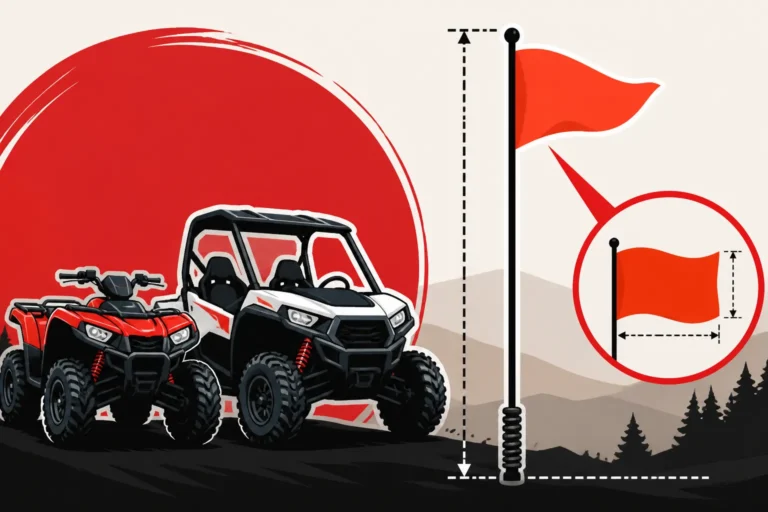
- Safety Flag: For most instances of legal road use, Nebraska law requires a five-foot safety flag attached to your ATV. This flag, typically a bright day-glow color, needs to be at least five feet above the ground and at least 30 square inches in size. This adds a crucial vertical element to your visibility profile, making you easier to spot over crops, hills, or other obstacles. [Nebraska's 5-Foot Safety Flag Rule] details these specific requirements.
- Reflectors: Many ATVs come equipped with reflectors, but ensuring they are clean and intact adds another layer of passive visibility, especially in low light or if your electrical system fails.
- Rider Apparel: While not mandated by law for ATVs in Nebraska, wearing bright, high-contrast clothing—especially fluorescent or reflective gear—significantly enhances your visibility to other drivers. This is a best practice that complements your machine's lighting.
Combining all these elements creates a comprehensive safety system. The headlight is the beacon that actively announces your presence, while the taillight, flag, and reflective gear provide additional passive and active visibility, ensuring you're seen from all angles.
Practical Implications and Enforcement
Understanding the law is one thing; experiencing its enforcement is another. Knowing what to expect from law enforcement and how to proactively ensure compliance can save you a lot of headache and potential expense.
What Deputies Look For
When a county sheriff's deputy or Nebraska State Patrol trooper sees an ATV on a public road, their first instinct is often to check if it's there legally, and if so, whether it's operating safely and equipped correctly. Beyond checking for a valid reason for road travel (e.g., farm use, crossing), they will definitely be looking for your lights.
Here’s what they might specifically observe:
- Is the headlight on? This is usually the quickest visual check. Even if it's a sunny day, if your headlight isn't illuminated, it's a clear violation.
- Is the taillight on? Similar to the headlight, the taillight is crucial for rear visibility.
- Is the safety flag present and properly positioned? They'll check for the height and size requirements of the flag, as specified in [Why Road-Legal ATVs Need a 5-Foot Safety Flag].
- Are you riding appropriately? They'll also observe speed (Nebraska's limit is typically 30 mph on roads for ATVs), driving behavior, and whether you're sticking to the allowed areas.
Deputies are highly trained to spot non-compliant vehicles. They understand the dangers that ATVs can pose on public roads if not properly operated and equipped. Their job is to ensure everyone's safety, and visible lighting is a fundamental part of that.
Penalties for Non-Compliance
Operating an ATV on a public road in Nebraska without the required headlight illuminated during daylight hours—or without any of the other mandatory safety equipment—can lead to a citation. While I can't give specific dollar amounts for fines, these tickets can carry a cost that varies depending on the specific violation and the county. Beyond the immediate financial penalty, repeated offenses or serious incidents could lead to more significant legal repercussions.
It's also worth noting that in the event of an accident, if your ATV was found to be operating without the required safety equipment (like a working headlight), it could complicate insurance claims or even impact liability assessments. Your insurance provider might inquire about compliance with local laws, as mentioned in [Nebraska Insurance Required Only on Roads]. It's always better to be proactive and ensure you're fully compliant to avoid any unfortunate surprises down the road.
Equipping Your ATV for Nebraska Roads
Ensuring your ATV or UTV is properly equipped for the specific and limited instances of road travel in Nebraska is paramount. While factory lighting is designed to meet minimum standards, many riders choose to upgrade for enhanced safety and performance.
- Brighter Headlights: Standard halogen bulbs can be adequate, but LED headlights offer significantly brighter and more efficient lighting. They draw less power and have a much longer lifespan. If you're frequently using your ATV on county roads for farm work, investing in a high-quality LED headlight upgrade from a reputable provider like SuperATV can make a substantial difference in your visibility to others and your ability to see the road ahead.
- LED Taillights: Just like headlights, upgrading to LED taillights improves your rear visibility, especially crucial during dawn, dusk, or when navigating dusty gravel roads.
- Robust Safety Flags: Don't skimp on your safety flag. Ensure it's made from durable, weather-resistant material and mounted securely. Some aftermarket options offer reinforced poles and brighter flag materials.
- Auxiliary Lighting: While not legally required for daylight use, many riders add auxiliary LED light bars or cube lights, particularly for farm operations that extend into twilight or nighttime. These can provide additional forward illumination for navigating fields and tracks safely, but remember to use them responsibly and dim them for oncoming traffic on public roads.
Choosing the right equipment isn't just about meeting the minimum; it's about investing in your safety and peace of mind. A little upfront investment in good lighting and visibility gear can prevent a potentially dangerous situation or an expensive ticket. [Nebraska Lighting Requirements on a Machine] provides further details on what's expected.
Beyond the Law: Best Practices for Visibility
While understanding and complying with Nebraska's laws is essential, adopting best practices for visibility goes a step further. It's about cultivating a mindset of proactive safety.
Riding Defensively
Riding defensively means anticipating potential hazards and assuming other drivers might not see you, even with your headlight on. It's a mindset that acknowledges the inherent vulnerabilities of an ATV on a public road, especially one not accustomed to seeing such vehicles.
- Make Eye Contact: Whenever possible, try to make eye contact with drivers of other vehicles before entering an intersection or making a turn. A wave or nod can confirm they've seen you.
- Anticipate Blind Spots: Be aware that ATVs can easily disappear into a vehicle's blind spot. Avoid riding alongside larger vehicles for extended periods.
- Use Hand Signals: Even if your turn signals are working, using clear hand signals can provide an additional visual cue to other drivers about your intentions.
- Slow Down: When approaching intersections, driveways, or areas with limited visibility (like cresting a hill or entering a curve), reduce your speed significantly. This gives you more time to react and gives other drivers more time to spot you.
- Maintain Distance: Keep a safe following distance from vehicles ahead, and be mindful of vehicles behind you.
Defensive riding complements your machine's lighting and safety equipment by adding a layer of active vigilance and communication. It empowers you to take control of your safety, rather than simply relying on others to see you.
Additional Measures for Enhanced Visibility
Beyond the legally mandated equipment, there are several practical steps you can take to enhance your visibility and stand out on the road.
- High-Visibility Clothing: As mentioned earlier, bright, neon colors, particularly fluorescent yellow-green or orange, are incredibly effective during the day. For nighttime or low-light conditions, reflective materials are key. A good reflective vest or jacket can make you visible from hundreds of feet away when illuminated by headlights.
- Reflective Tape: Applying reflective tape to various parts of your ATV (e.g., fenders, racks, helmet) can significantly increase your passive visibility. It catches light from other vehicles, making your machine more discernible.
- Cleanliness: A clean ATV is a visible ATV. Mud, dirt, and dust can obscure lights, reflectors, and even your bright safety flag. Regularly cleaning your machine ensures all its visibility features are performing optimally.
- Positioning: When riding on the shoulder or edge of a road (where permissible), be aware of your position. Try to avoid areas where you might be obscured by parked cars, tall crops, or roadside vegetation. If the law allows, riding in the most visible part of the lane (while maintaining a safe distance from other traffic) can sometimes be the safest option, though always adhere to specific local ordinances.
- Awareness of Surroundings: Pay attention to the weather and environmental conditions. Fog, heavy rain, or even just a dusty gravel road can drastically reduce visibility for everyone. In such conditions, extra caution and even brighter lighting become even more critical.
By combining Nebraska's legal requirements with these practical best practices, you can maximize your visibility and significantly reduce the risk of accidents when your ATV or UTV shares a public road, ensuring your adventures or chores remain as safe as possible.
Disclaimer
This article is for general informational purposes only and does not constitute professional advice. Laws, prices and regulations vary by location and change over time. Consult a qualified professional for guidance on your specific situation.