Asking the Sheriff Whether a County Road Is Open
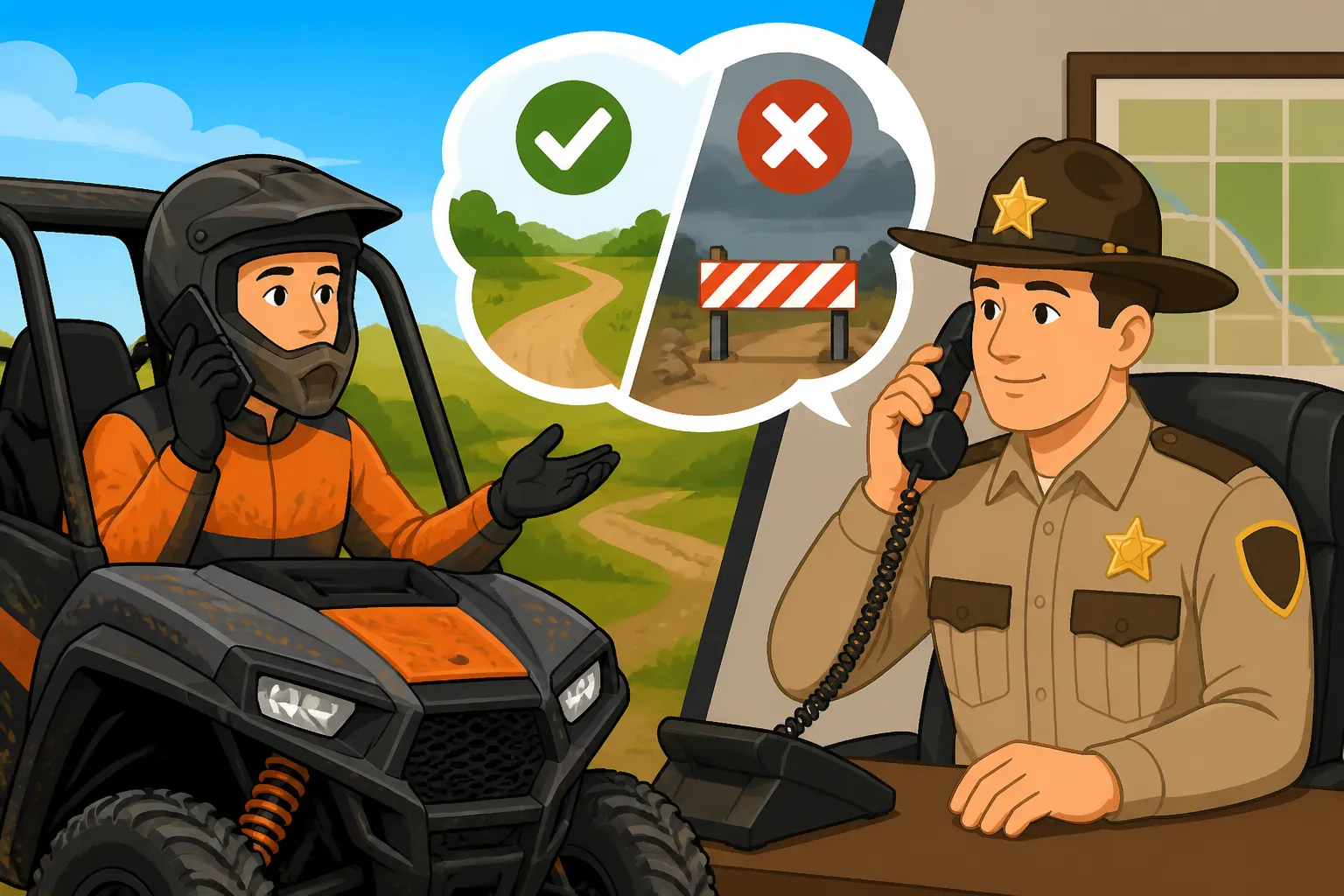
Navigating the rules for riding your ATV or UTV on public roads in Nebraska can feel like trying to decipher an ancient map written in disappearing ink. Many riders find themselves scratching their heads, wondering if that gravel county road leading to their favorite fishing spot or hunting grounds is actually permissible for their machine. It’s a common frustration, a real head-scratcher that leaves many feeling uncertain and vulnerable to an unexpected ticket. This guide is here to cut through that confusion, walking you through the best way to get a clear answer straight from your local sheriff's office about whether a particular county road is open for your off-road vehicle.
Why County Roads Are Such a Gray Area for ATV Riders in Nebraska
Let's be honest, Nebraska's laws regarding ATVs and UTVs on public roads aren't always a crystal-clear, easy-to-understand set of rules. It’s not like a simple stop sign. Instead, it's a patchwork of state statutes, local ordinances, and specific exceptions that can make a rider's head spin. On one hand, the state generally restricts off-road vehicles from operating on state highways. On the other, it carves out specific allowances, especially for agricultural purposes, where machines are vital tools for daily work on farms and ranches.
This is where the gray area truly begins for county roads. While the state sets some baseline rules – for example, a general speed limit of [30 mph at Most] if a road is opened, the requirement to have a [5-foot Safety Flag Rule] displayed, and mandatory [Nebraska Requires Liability Insurance on Roads] – it also grants local authorities a significant amount of power. County boards have the ability to pass resolutions that specifically open certain county roads, or even entire unincorporated villages, to ATV and UTV traffic. This means that a county road that's perfectly legal for your quad in one county might be strictly forbidden just across the county line, even if it looks identical. It's enough to make you feel like you need a legal degree just to go for a ride! The intention of this flexibility is often to serve local needs, especially in rural areas where these machines are indispensable, but it certainly doesn't make things easy for riders trying to follow the rules. This is why just guessing can lead to real trouble, and why talking to the local sheriff is often the most reliable first step.
What Information to Have Ready Before You Call the Sheriff
Before you pick up the phone and dial your local sheriff's office, it's really helpful to gather a few key pieces of information. Think of it like preparing for a doctor's appointment – the more details you can provide, the more accurately they can diagnose your situation. Vague questions often lead to vague answers, and that's the last thing you want when it comes to potential legal issues.
First and foremost, be as specific as possible about the exact road you're inquiring about. Don't just say "that gravel road west of town." Instead, have the specific road name, route number, or the nearest intersection clearly in mind. For example, "County Road 330, between Highway 2 and Plum Creek Road, just outside of Broken Bow." Even better, if you know the section and range, that can also be helpful for their records. The more precise you are, the easier it is for the dispatcher or deputy to locate the exact stretch of road in question and consult their records or knowledge base.
Secondly, be prepared to describe your machine. Are you riding a two-seater UTV or a single-rider ATV? While Nebraska's general rules apply to both, sometimes local nuances or specific ordinances might differentiate. Also, be ready to explain the purpose of your ride. Are you using it for agricultural purposes, like checking cattle on a farm that borders the road? Is it for recreational transport to a hunting blind, or simply for a pleasure ride? This context is crucial because [Three Ways ATVs Can Legally Use Nebraska Roads] often hinges on the intent of the trip. For instance, many state laws and county ordinances are specifically written to accommodate farm use, reflecting [Why the ATV Road Law Was Written Around Farming]. If you're using your machine to access fields or transport tools for work, that often falls under a different set of considerations than just joyriding. Knowing these details helps the sheriff's office give you the most accurate advice possible, considering all potential exceptions or allowances. You might also want to mention if your machine is equipped with all the necessary road-legal accessories, such as a tall flag or proper lighting, perhaps from a reputable supplier like SuperATV, to show you're taking compliance seriously.
What the Sheriff Can and Cannot Tell You About Road Access
When you speak with the sheriff's office, it’s important to understand the scope of their authority and what kind of information they can reliably provide. They are the primary law enforcement agency for county roads, and as such, they are the experts on enforcing both state law and any specific resolutions passed by the county board.
A sheriff or deputy can tell you if a specific county road or an unincorporated village within the county has been officially opened for ATV/UTV use by a county board resolution. This is perhaps the most definitive answer you can get. They'll have records or direct knowledge of these local decisions. For example, they can confirm if the county board has passed a resolution to open the streets of a particular unincorporated village, like they sometimes do for small communities. This is where topics like [How a County Board Opens a Village to ATVs] become directly relevant to their enforcement duties. If a road has been opened, they can also typically inform you about any specific conditions that apply, such as speed limits (remembering [30 mph at Most]), time-of-day restrictions ([Sunrise to Sunset Only] is a common one), or equipment requirements like the safety flag and working lights.
However, there are also limitations to what a sheriff can tell you. They generally cannot give you a definitive answer about city streets or private property access, as those fall under the jurisdiction of municipal police or private landowners, respectively. While they might offer anecdotal advice, it's not their primary area of enforcement regarding local ordinances. Furthermore, a sheriff will enforce state laws, but they aren't there to interpret nuanced legal questions for you. They can tell you what the law says, but they can't provide legal counsel on whether your specific activity perfectly fits an agricultural exception, for instance. That's a distinction you need to be aware of. They also won't know the specifics of ordinances in neighboring counties or cities. If you're planning a trip that crosses jurisdictions, you'll need to make separate inquiries. It's helpful to remember that a deputy is enforcing rules, not creating them. They know the rules as they stand, but if the county board hasn't explicitly opened a road, the default state restrictions generally apply.
Here's a quick overview of what you can typically expect:
| Information Type | Sheriff's Office (County Roads) | City Hall / Police Dept. (City Streets) | County Clerk's Office (County Resolutions) |
|---|---|---|---|
| Specific County Road Open? | Yes, definitive | No, outside jurisdiction | Yes, official records |
| Specific Village Open? | Yes, if county board passed rule | No, outside jurisdiction | Yes, official records |
| State Law Requirements? | Yes, enforcement details | Yes, enforcement details | No, record-keeping only |
| City Street Open? | No, outside jurisdiction | Yes, definitive | No, city ordinances only |
| Private Property Access? | No, landowner's decision | No, landowner's decision | No, landowner's decision |
| Agricultural Exceptions? | Yes, as per state law | No, less relevant for city | No, record-keeping only |
Steps to Take After Talking to the Sheriff
So, you've made the call, asked your questions, and hopefully received some clear guidance from the sheriff's office. What do you do with that information? Your next steps are crucial for ensuring your rides are safe, legal, and stress-free.
If the sheriff confirms that the specific county road you're interested in is open for ATV or UTV use, that's fantastic news! However, your due diligence isn't over. Make sure you understand any conditions that come with that access. Did they mention a specific speed limit, like the statewide [30 mph at Most] for open roads? Did they remind you about the [5-foot Safety Flag Rule] or the need for functional headlights and taillights, especially if you're riding near dawn or dusk? Are you sure you meet the licensing requirements, such as holding a Class O license or a farm permit for agricultural use, as discussed in [What a Class O License Means for Nebraska Riders]? Remember, even if the road is open, you still need to comply with all applicable state and local safety and equipment laws. Consider investing in high-quality safety gear and accessories from a brand like SuperATV to ensure you're fully compliant and protected. Always double-check your machine’s condition, especially brakes, tires, and lights, before heading out on any public road.
On the other hand, if the sheriff informs you that the road is not open for general ATV/UTV use, or if they advise against it, then it's essential to respect that information. Trying to ride on a closed road can lead to significant penalties, including fines and potential impoundment of your machine, as outlined in [Nebraska Penalties for Illegal Road Riding]. It's simply not worth the risk. If you feel there's a misunderstanding or you want to advocate for a change, the proper channel isn't arguing with a deputy on the side of the road. Instead, consider attending a county board meeting and presenting your case for opening specific roads, perhaps leveraging examples from other areas that have successfully implemented [Nebraska County Board Resolutions for Villages]. You could also contact the county clerk's office, as they maintain the official records of all county board resolutions and might have a more detailed explanation of why certain roads are open or closed.
What if you can't reach the sheriff, or they're unsure? Sometimes, especially in busy offices or if the person you speak with isn't directly familiar with obscure local resolutions, you might not get a clear-cut answer. Don't give up! You could try calling back at a different time, or even visit the sheriff's office in person if that's feasible. Alternatively, contacting the county clerk's office directly can be a great next step. They are the keepers of official records for the county board and can often confirm the existence or absence of specific resolutions opening roads to ATVs. If you're dealing with a situation near a city or town, remember that [Nebraska Cities That Adopt ATV Ordinances] have their own separate rules, so city hall would be your go-to contact for those specific streets. Ultimately, responsible riding means seeking out definitive answers and adhering to the rules, even if it takes a little extra effort to get them.
Disclaimer
This article is for general informational purposes only and does not constitute professional advice. Laws, prices and regulations vary by location and change over time. Consult a qualified professional for guidance on your specific situation.