How to Ask a County Board to Allow Riding
It can be incredibly frustrating to live in a beautiful rural area of Nebraska, own an ATV or UTV, and still feel like you're constantly looking over your shoulder just to get from your property to a friend's, or down a gravel road to check your mail. State law in Nebraska is pretty restrictive about where you can legally ride your off-road machine, often leaving local communities feeling like they have no say. But what if there was a way to influence those local rules? This guide is all about empowering you, the rider, to understand how to effectively approach your county board to advocate for more permissible ATV and UTV use on local roads within unincorporated villages or even specific county roadways. We'll break down the steps, the arguments, and the realistic expectations you should have when you decide to take that important conversation to your local elected officials.
Understanding Nebraska's ATV Road Rules and Local Control
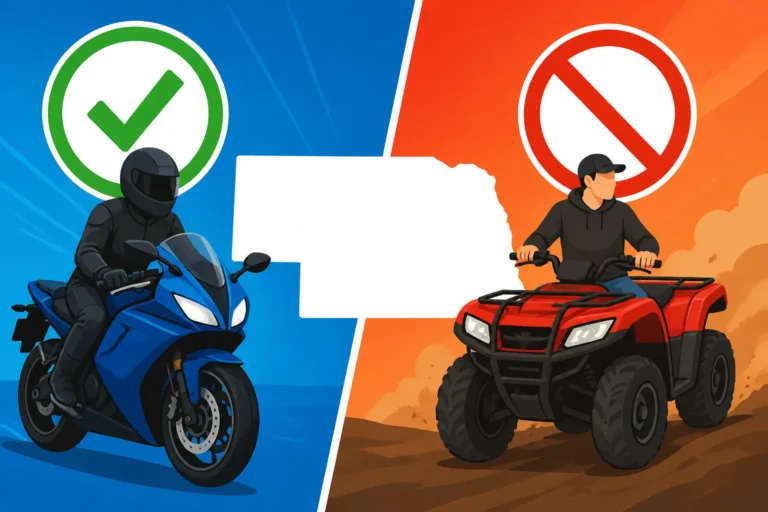
First things first, let's get a handle on the state of affairs. Nebraska's state law, specifically statute 60-6,356, generally prohibits the operation of ATVs and UTVs on public roads. There are a few key exceptions, like for agricultural purposes or crossing at a ninety-degree angle, but for general recreational travel, it's a no-go zone. This blanket prohibition can feel incredibly limiting, especially in areas where these machines are a part of daily life for work and recreation. You can read more about the specifics in [Nebraska ATV Road Rules Under 60-6,356].
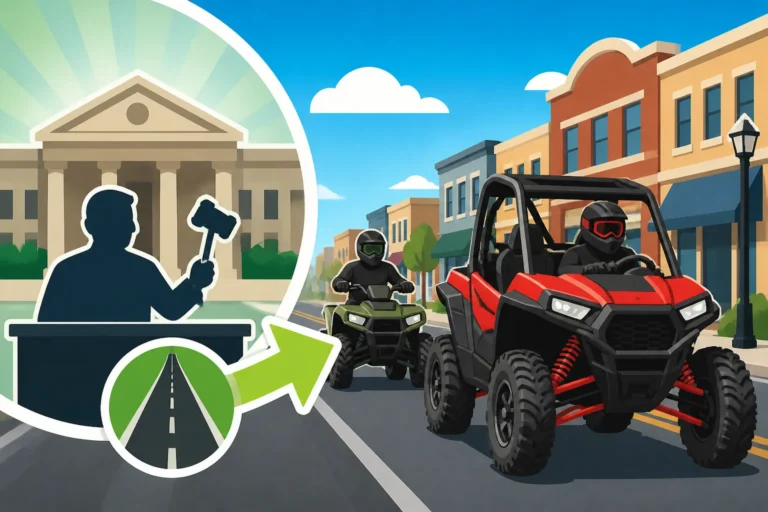
Now, here's where your local county board comes in. While the state sets the overarching framework, it also provides an avenue for local control. County boards actually have the authority to adopt resolutions that allow ATVs and UTVs to operate on certain county roads within unincorporated villages or even specific stretches of county-maintained roads. This is a critical distinction, as it means the power to change things for your community often rests much closer to home than you might think. This isn't about defying state law; it's about utilizing the flexibility the state law already provides. Understanding this foundational legal point is your first step toward building a successful case. Without knowing this, you might incorrectly assume the state has the final word on every gravel road in Nebraska.
Why State Law Is So Restrictive (And How Local Boards Can Adapt It)
The reason state law is so tight on ATV and UTV use on roads generally boils down to safety concerns, designed around the idea that these machines aren't built for the same kind of traffic and speeds as regular vehicles. Many of these laws were written before UTVs, with their car-like features, became so popular. Concerns often revolve around visibility, speed differentials, passenger safety, and the lack of traditional safety equipment like turn signals or mirrors that come standard on cars. However, in many rural Nebraska communities, these machines are essential for tasks like checking fence lines, hauling tools, or simply getting around large properties. The reality on the ground often clashes with the broad strokes of state legislation.
This is precisely why the state gives county boards the power to adapt. They recognize that a one-size-fits-all approach doesn't work for every community. A bustling urban area will have vastly different traffic patterns and needs than a small, unincorporated village in the Sandhills or a farming community near the Platte River. Your county board can look at the specific conditions of your local roads – traffic volume, speed limits, road type (paved vs. gravel) – and make an informed decision that reflects the unique character and needs of your area. This local flexibility is your window of opportunity, and it's why [County Boards Can Open Unincorporated Villages to ATVs] is such an important topic.
Key Differences: Cities vs. Unincorporated Villages
It's important to clarify the distinction between city ordinances and county resolutions. Incorporated cities and towns have their own municipal governments and can pass their own ordinances regarding ATV and UTV use on their city streets. Many cities, like Norfolk or Grand Island, have their own specific rules, permits, and registration processes for street-legal UTVs. You'll often see specific fees and requirements for things like safety flags, headlights, taillights, and even minimum age requirements set by the city.
However, many rural areas in Nebraska exist outside of incorporated city limits. These are often referred to as unincorporated villages or simply rural county areas. For these locations, it's the county board that holds the authority to pass resolutions. This means if you live in a small cluster of homes that isn't officially a town, or you want to ride on a specific county road connecting two rural points, you'll be dealing with the county board, not a city council. This distinction influences who you talk to, what kind of legal language they can use, and even the scope of their decision. For example, a county might open up all roads within a defined unincorporated village, or they might specifically designate a few miles of gravel road for ATV use, but not pave roads with higher traffic volumes.
Building Your Case: What a County Board Needs to Hear
So, you're ready to talk to your county board. This isn't just about showing up and complaining; it's about presenting a well-reasoned, factual, and community-backed proposal. County board members are elected officials, and like any politician, they need to understand how a decision will benefit their constituents, address potential concerns, and be implemented practically. Your goal is to make it easy for them to say "yes."
Think about it from their perspective: they'll be thinking about public safety, potential liability, enforcement challenges, and how this might affect other residents who don't own ATVs or UTVs. You need to proactively address these points and frame your request in a way that shows you've thought them through. This means doing your homework, gathering support, and being prepared to offer solutions, not just problems.
Safety First: Addressing Concerns Head-On
Safety is always the number one concern for any governing body when it comes to vehicle use on public roads. You need to demonstrate that riders can operate these machines safely and responsibly. This involves educating yourself and your fellow advocates on state safety statutes and being willing to propose additional, reasonable local rules. For instance, even if not required by state law for all road use, recommending a minimum age for operators, ensuring machines have proper lighting (headlights, taillights, brake lights), and requiring the use of a five-foot safety flag can go a long way. Many riders use quality aftermarket lights and mirrors from companies like SuperATV to enhance visibility, and pointing to these types of upgrades can demonstrate a commitment to safety.
Present statistics if you can find them – perhaps from other states or counties that have successfully implemented similar policies. Emphasize that most ATV/UTV owners are responsible adults who want to use their machines for legitimate purposes, not reckless joyriding. Highlight the fact that these machines often travel at slower speeds than cars, especially on gravel roads, and that riders are willing to adhere to posted speed limits. It's also a good idea to discuss [Nebraska Liability Insurance on Roads] and emphasize that responsible riders will carry appropriate coverage, just like with any other vehicle. This helps mitigate the county's concerns about liability in the event of an accident.
Demonstrating Community Support
A single voice, no matter how passionate, is often easier for a board to dismiss than a chorus of community members. Building broad community support is absolutely vital. This means talking to your neighbors, friends, and other ATV/UTV owners in the area before you even approach the county board. Get signatures on a petition, write letters of support, or better yet, encourage people to attend the board meeting with you. The more visible and vocal your support, the harder it is for the board to ignore your request.
Consider reaching out to local businesses too. Many small-town businesses, from gas stations to hardware stores, benefit from ATV and UTV owners. If riders can legally access more areas, they might spend more money locally. Business owners' letters of support, highlighting the potential economic benefits, can be a powerful addition to your presentation. Don't forget to connect with local farming and ranching communities. They often use ATVs and UTVs daily for work, and showing how opening certain roads would improve their efficiency can be a strong point, especially given [Nebraska's Agricultural Road Exception].
Proposing Practical Solutions and Clear Boundaries
Simply saying "we want to ride our ATVs on roads" isn't enough. You need to come with a plan. Be specific about which roads or which unincorporated villages you want opened up. Do you want to ride only on gravel roads? Are there specific speed limits you'd be willing to agree to? Are there times of day or seasons when riding should be restricted? Offering these kinds of self-imposed boundaries shows that you're thinking realistically and responsibly.
Consider proposing a pilot program for a specific area, with a review period after six months or a year. This allows the county board to test the waters without making a permanent, county-wide commitment. You could also suggest specific requirements for machines, like mandatory [Nebraska Lighting Requirements on a Machine] or [Nebraska Safety Flag Requirements]. When you come to the board with a detailed, thoughtful proposal, rather than a vague request, you immediately establish credibility and make their decision-making process much easier. They want to see that you've already considered the practical implications of their approval.
The Process: How to Approach Your County Board
Once you've built your case and gathered your support, it's time to actually present your request to the county board. This process can seem intimidating, but by understanding the steps and respecting the formal environment, you can navigate it effectively. It's not about confrontation; it's about respectful persuasion and providing clear information.
Every county has its own procedures, so it's crucial to do a bit of homework first. Don't just show up unannounced. Start by familiarizing yourself with your county's meeting schedule, public comment policies, and how to get an item added to the agenda. This initial research will save you a lot of time and potential frustration.
Researching Your County's Procedures
Before doing anything else, identify your county commissioners or supervisors. Knowing who they are and, if possible, what their general stances are on local issues can be helpful. Next, find out when and where your county board holds its regular meetings. Most counties post their meeting schedules and agendas online, often on the county clerk or county commissioner's website. You'll want to look for information on how citizens can address the board, if there's a sign-up sheet, or if you need to request to be on the agenda in advance.
Many boards have specific rules about public comment periods, including time limits for speakers. Knowing these rules beforehand ensures you can prepare your presentation to fit within the allotted time and avoid any awkward interruptions. Some counties might require you to submit your request or supporting documents in writing a certain number of days before the meeting, so they have time to review it. Failing to follow these procedural steps can delay your request or prevent it from being heard properly.
Crafting Your Presentation and Supporting Materials
Your presentation should be concise, clear, and compelling. Start by stating your request simply: "We are asking the county board to consider a resolution allowing the safe and responsible operation of ATVs and UTVs on [specific county roads/unincorporated village roads] in [your area]." Then, quickly move into your key arguments, focusing on safety, community benefits (e.g., agricultural use, local commerce, quality of life), and proposed solutions.
Bring all your supporting materials:
- Petitions: Signed by residents.
- Letters of Support: From individuals, businesses, or local organizations.
- Maps: Clearly showing the roads or areas you want opened up. This is incredibly important for visual clarity.
- Proposed Rules/Guidelines: A summary of the safety requirements you're willing to adhere to (e.g., speed limits, flag requirements, lighting, insurance).
- Photos/Videos: If you can show machines being used safely for work or recreation in your area, this can be very impactful.
- Comparative Data: If you have information about other Nebraska counties or similar communities that have successfully implemented such policies, share it.
Consider creating a handout for each board member that summarizes your key points and includes copies of your supporting documents. This allows them to review the information at their leisure and ensures they have accurate details to refer back to. For instance, you could include a small section discussing how quality aftermarket parts, maybe from SuperATV, can actually enhance the safety and utility of these machines, making them more road-worthy.
Attending the County Board Meeting
When you attend the meeting, dress appropriately and behave respectfully. Even if you're feeling passionate, an emotional outburst is rarely productive. Arrive early, sign up to speak if required, and be ready when your turn comes. Introduce yourself, state your address (as is customary in many public forums), and then deliver your presentation. Maintain eye contact with the board members, speak clearly, and try to keep within your time limit.
Be prepared to answer questions. They might ask about specific enforcement challenges, how you envision handling public complaints, or what the impact on emergency services might be. Answer honestly and calmly. If you don't know an answer, it's okay to say, "That's a good question, and we'd be happy to work with the county sheriff's office to develop a practical solution." Avoid interrupting board members or other speakers. Remember, you're there to collaborate and inform, not to debate aggressively.
| Do's | Don'ts |
|---|---|
| Research county procedures beforehand | Show up unannounced or unprepared |
| Gather community support & signatures | Assume the board knows your needs |
| Prepare a clear, concise presentation | Get emotional or accusatory |
| Bring supporting documents (maps, letters) | Interrupt board members or others |
| Propose specific solutions & boundaries | Demand action without a plan |
| Dress respectfully and be polite | Engage in personal attacks |
| Be prepared to answer questions | Leave without offering next steps |
Making Your Request a Reality: Follow-Up and Community Engagement
Getting your request on the agenda and presenting it is a huge first step, but the work often doesn't end there. County board decisions can take time, and sometimes they require further discussion, legal review, or public input sessions. Persistence, politeness, and continued community engagement are key to seeing your efforts through to a successful outcome.
Remember that county board members are often juggling many issues, and your request, while important to you, is just one of many items on their plate. A little follow-up can go a long way in keeping your issue top-of-mind without becoming a nuisance.
Following Up Thoughtfully After the Meeting
Within a few days of the meeting, send a polite, brief thank-you email or letter to the county board members. Reiterate your appreciation for their time and consideration. You can also briefly re-state your main points and offer to provide any additional information they might need. This keeps your issue alive and reminds them of your commitment.
Don't bombard them with daily calls or emails. Give them time to discuss and consider the matter. If you haven't heard anything after a couple of weeks, a single, polite follow-up call to the county clerk's office (who can usually tell you the status of agenda items) or an email to a specific board member you've already established a rapport with is acceptable. Ask if there are any further steps you can take or if they need more information. Sometimes, a board might decide to hold a public hearing on the matter, which would be another opportunity for you and your supporters to present your case.
Ongoing Community Engagement and Rider Education
Even if the board approves your request, your work isn't entirely done. It's crucial to continue promoting responsible riding practices within your community. An approved resolution is only as good as the behavior of the riders who utilize it. If there are incidents of reckless riding, excessive noise, or damage to property, the board may reconsider its decision. This is where ongoing education and self-policing among riders become vital.
Organize local rider groups or community meetings to discuss the new rules and emphasize the importance of following them. Distribute information about legal riding areas, safety requirements, and proper trail etiquette. This proactive approach helps ensure the longevity of your newly gained riding privileges. You can even encourage riders to outfit their machines with appropriate safety gear and parts, like those offered by SuperATV, to ensure they meet or exceed any local requirements. If a designated area, for example, requires specific tire pressure for gravel roads, sharing tips on appropriate tire choice and maintenance could be very helpful.
What Happens If Your Request is Denied (and How to Proceed)
It's possible your request might not be approved on the first try, or it might be approved with more restrictions than you hoped for. Don't view this as a complete failure. Instead, ask the board for specific reasons for their decision. Understanding their concerns is crucial for refining your approach for the future. Was it a safety concern they felt wasn't adequately addressed? Was there significant opposition from other community members? Did they feel the proposed plan wasn't practical?
Take their feedback to heart. Go back to the drawing board, refine your proposal, gather more data, and engage more community members. You might need to adjust your expectations or target a smaller, more easily approved area first. Sometimes, it takes multiple attempts and a willingness to compromise to achieve your goals. This often involves building a stronger relationship with your county officials and showing a consistent, responsible effort over time. Never burn bridges, as you might need to approach them again in the future. The conversation around [How to Ask a County Board to Allow Riding] is often a long game, not a quick win.
Disclaimer
This article is for general informational purposes only and does not constitute professional advice. Laws, prices and regulations vary by location and change over time. Consult a qualified professional for guidance on your specific situation.