Nebraska Off-Highway Vehicle Association
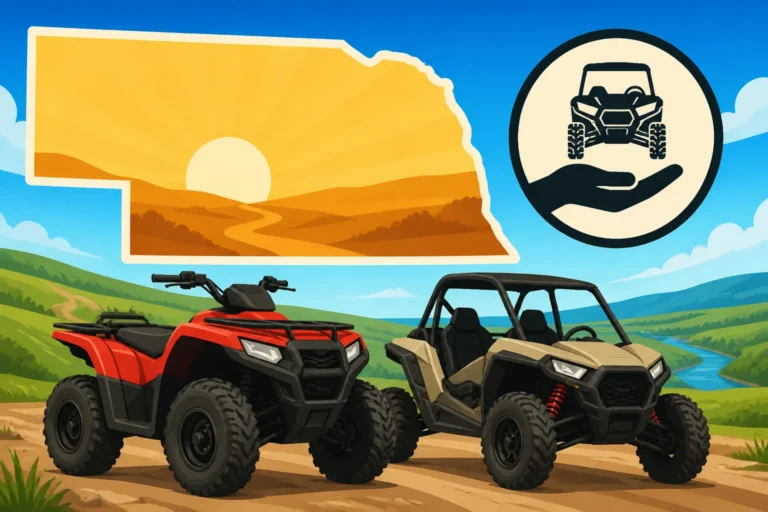
Finding good places to ride in Nebraska can take more work than loading an ATV onto a trailer: access rules differ by land manager, trails can close, and local knowledge is not always easy to find. The Nebraska Off-Highway Vehicle Association can be a useful place to start. This guide explains what an OHV association may offer, how to connect, and how to plan rides responsibly.
What the Nebraska Off-Highway Vehicle Association Does
A connection point for Nebraska riders
An off-highway vehicle association can help bring riders together around shared interests such as trail access, responsible riding, safety, and recreation. For someone new to Nebraska’s ATV and UTV scene, that connection can be as useful as a trail recommendation. Local riders may know which areas allow motorized use, what conditions to expect, and which questions to ask before setting out.
It helps to treat the association as a starting point for information, not as a substitute for the rules set by a trail operator or land manager. Permission, allowed vehicle types, seasonal closures, and equipment requirements can vary by location. Before towing to a destination, confirm details with the organization or agency responsible for that specific area. A general overview of [Nebraska ATV Trails: Where to Ride] can help you build a list of possible destinations to investigate.
Advocacy and the future of riding access
Riding opportunities depend on more than a trail being physically present. Public access can involve land management decisions, maintenance responsibilities, safety concerns, and the views of nearby communities. Rider groups can provide a way for enthusiasts to discuss those issues collectively and encourage habits that support continued access, such as staying on designated routes and respecting closures.
That does not mean every association has the same role, current projects, or relationship with government agencies. If advocacy is one reason you are interested, ask what the group is working on now, how members participate, and whether it shares updates about public meetings or access decisions. Nebraska’s public land rules are not interchangeable: for example, riders should separately check [Nebraska National Forest Riding] and [Nebraska WMA Riding Rules] before assuming a route is open to motorized vehicles.
How to Connect With the Association
Find current contact and participation information
Start by looking for the association’s official communication channels and confirm that the information is current before you plan around a meeting, ride, or volunteer day. If you find a social media page or a listing shared by another rider, check whether it points to an official source. Event details can change, and an old post may not reflect current access conditions or participation requirements.
When you make contact, be specific about what you ride and what you hope to learn. A new side-by-side owner might ask about group rides and vehicle-width limits; a family with youth riders might ask whether events have age or supervision rules. An experienced ATV rider may be more interested in trail maintenance or advocacy. The more clearly you explain your situation, the easier it is for volunteers to direct you to relevant information.
Ask practical questions before joining an event
Before attending a ride or gathering, ask where participants meet, whether registration is required, what vehicle types are welcome, and whether the event has its own safety rules. Also ask what happens if a trail is closed or conditions deteriorate. These questions may feel overly careful, but they can spare you a long tow only to discover that your machine is too wide, the route is unsuitable, or the ride is not open to drop-in participants.
It is also worth asking whether the event is a casual group ride, a volunteer work day, a fundraiser, or an organized activity with specific requirements. Those formats are not the same. A volunteer project may call for gloves and hand tools rather than riding gear, while a group ride may expect participants to arrive with fuel, water, and a machine in reliable condition. For a broader look at how riders can find local groups, see [Nebraska ATV Clubs Worth Joining].
What Membership Can Offer and What to Check
Community, shared knowledge, and volunteer opportunities
One of the most immediate benefits of joining a rider organization is the chance to learn from people who have already navigated the local landscape. That can include advice about loading and staging, how to prepare for changing weather, what to carry when cell service is limited, and how to be considerate around other trail users. A conversation with an experienced local rider can also reveal which details you still need to verify with the land manager.
Some organizations also coordinate volunteer efforts or help members stay informed about access issues. If you want to contribute, ask what kind of help is useful and whether a project is open to new volunteers. Avoid assuming that a membership automatically grants access to private land or authorizes riding on a route. For group outings, [Nebraska Group Ride Planning] offers additional preparation ideas, from coordinating vehicles to agreeing on a communication plan.
Dues, events, and expectations
Membership costs, event arrangements, benefits, and participation rules can change. Review the association’s own current information before paying dues or making travel plans. Ask whether membership is individual or household-based, whether events involve separate costs, and what happens if a scheduled activity is postponed. Those questions are especially sensible if you are traveling from another part of Nebraska or bringing several riders.
| What to check | Why it matters | A useful question to ask |
|---|---|---|
| Membership details | Benefits and participation terms may vary | What does membership include, and where are the current terms listed? |
| Event access | Some activities may require advance sign-up | Is this event open to new participants, and do I need to register? |
| Vehicle suitability | Trails and events may have restrictions | Are ATVs and side-by-sides both allowed on this route? |
| Land access | An association does not automatically grant permission | Who manages the riding area, and where can I confirm its rules? |
| Safety requirements | Organizers or land managers may set separate standards | What gear, paperwork, or equipment should I bring? |
| Closures and conditions | Weather or management decisions can affect access | Where will updates be posted before the ride? |
If dues or event fees are involved, consider them alongside the practical value you expect: local contacts, opportunities to volunteer, useful updates, and the chance to meet riders with similar goals. There is no need to assume a membership is right for everyone. A first step can simply be asking questions, attending an open public meeting if available, or following official updates until you understand the group’s activities.
Plan a Nebraska Ride With Local Knowledge
Confirm that the destination allows your machine
Nebraska has different kinds of riding destinations, and they do not all have the same rules. A national forest trail, a privately operated OHV area, and a wildlife management area can each have distinct access conditions. Confirm the current rules with the organization responsible for the site. Check whether the destination allows your specific vehicle, whether routes have width or equipment restrictions, and whether the area is open on your planned date.
For instance, a rider considering the Halsey area should verify the relevant trail and staging information rather than relying on a friend’s old description. A trip to Cedar Run or Flat Rock also calls for checking the operator’s requirements and current conditions. The guide to [Nebraska Trail Conditions Before You Tow] is a useful reminder that the drive to a trailhead is only one part of planning; you also need to know what is open when you arrive.
Use maps as planning tools, not permission
Digital mapping tools can help riders orient themselves and compare possible routes, but a line on a map is not proof that motorized riding is allowed. Check route access with the land manager and follow posted signs. If you use onX Offroad or another mapping app, treat it as one planning resource alongside official area information. Confirm that the route is intended for your machine and that any connecting road or trail is open to the public.
Before leaving, save the information you need in a form you can access without reliable cell service. That could include the trailhead location, the land manager’s contact details, a route map, and a written plan for your group. Carrying a paper map can also be helpful when a phone battery dies or a device struggles to locate you among trees, hills, or open sand. For more on preparing for limited connectivity, read [Planning for No Cell Service on a Forest Ride] and [Why You Still Carry a Paper Trail Map].
Be a Good Guest on the Trail
Ride in a way that protects access
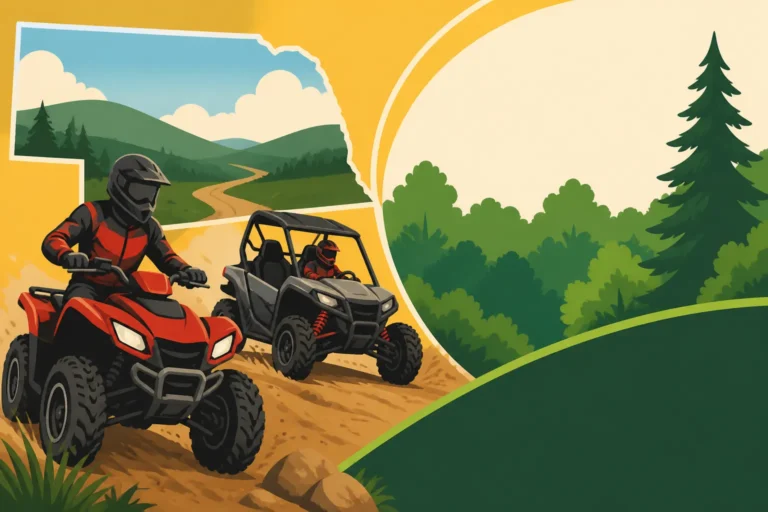
A rider’s behavior affects more than the day’s enjoyment. Staying on designated routes, slowing around other users, keeping noise under control, and leaving gates as you found them all help reduce friction with landowners and fellow visitors. If a route is muddy or soft, avoid creating deep ruts that could damage the trail or make it harder for others to use. When a sign closes an area, respect it even if tracks suggest someone rode there recently.
A local association can be a good place to learn what considerate riding looks like in practice, but use judgment and follow the rules posted by the land manager. Do not assume that a group ride makes an otherwise restricted route acceptable. For practical ideas on sharing a trail, see [Nebraska Trail Etiquette Locals Expect]. If you encounter a closure or a damaged section, let the responsible organization know rather than trying to bypass it.
Prepare your group and machine
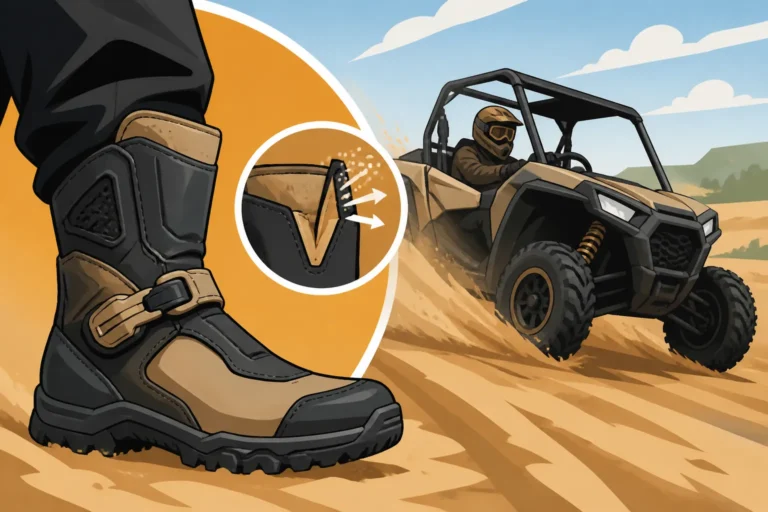
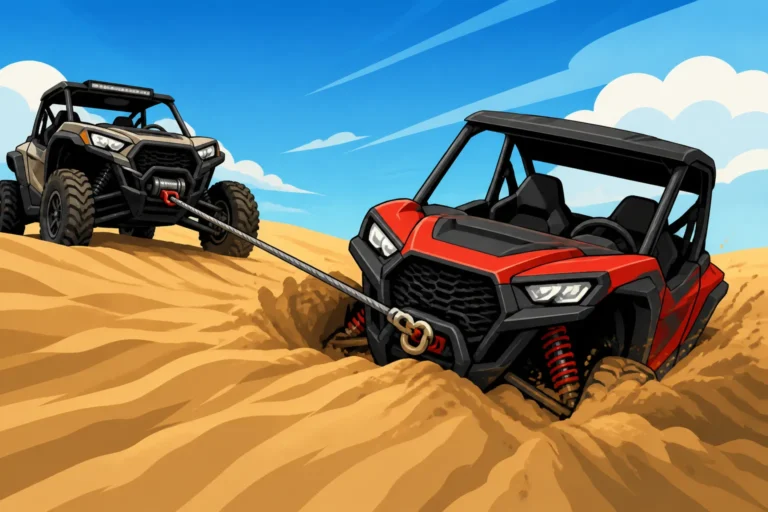
Before a ride, check your machine’s basic condition, including tires, brakes, lights, fuel, and any protective equipment required for the route. Let someone outside the group know where you are going and when you expect to return. Bring water, basic first-aid supplies, and weather-appropriate gear; Nebraska conditions can feel very different on an exposed trail than they did in the parking area. Agree on how the group will handle a breakdown, a separated rider, or a change in weather.
Group size and experience also matter. A new rider may appreciate a shorter route and frequent regrouping, while a mixed group may need to select trails that suit the least experienced participant and the largest machine. Check the destination’s rules for passengers, youth riders, and vehicle types before inviting everyone. The association can be a useful way to ask local riders what to expect, but each participant should still understand the site’s requirements and ride within their ability.
Getting the Most From the Association
Start with one clear goal
You do not need to be an expert or own a large side-by-side to take part in Nebraska’s riding community. Start with one goal: finding a suitable first trail, learning about volunteer opportunities, understanding local access issues, or meeting other riders. Then use the association’s official information and direct conversations to work through the details. That approach is more useful than joining several online conversations and treating every comment as a confirmed rule.
For a first outing, choose a destination that fits your machine and experience, verify access, and keep the day’s plan manageable. Ask whether a local group ride welcomes newcomers and whether the route is beginner-friendly. If no event is available, you can still use the association to identify questions worth asking the trail operator. Bring a backup plan in case conditions or closures make your first choice unavailable.
Keep learning as rules and conditions vary
A good riding routine includes checking site-specific rules each time you visit, even if you have been there before. Seasonal conditions, maintenance work, and land-management decisions can affect access. An association may help members share information, but the operator’s current instructions and posted signs should guide your decisions on the ground. If two sources disagree, contact the responsible land manager for clarification before riding.
Use your first contact with the Nebraska Off-Highway Vehicle Association as the beginning of a relationship, not a one-time search for a trail list. Ask how the group communicates updates, what kinds of participation are useful, and where new riders can learn about local expectations. Then contribute in whatever way fits your time and experience: share accurate updates, volunteer when possible, and help newer riders understand the importance of checking access rules. That combination makes local knowledge more dependable for everyone.
Disclaimer
This article is for general informational purposes only and does not constitute professional advice. Laws, prices and regulations vary by location and change over time. Consult a qualified professional for guidance on your specific situation.