Riding the Dismal Open Area at Bessey
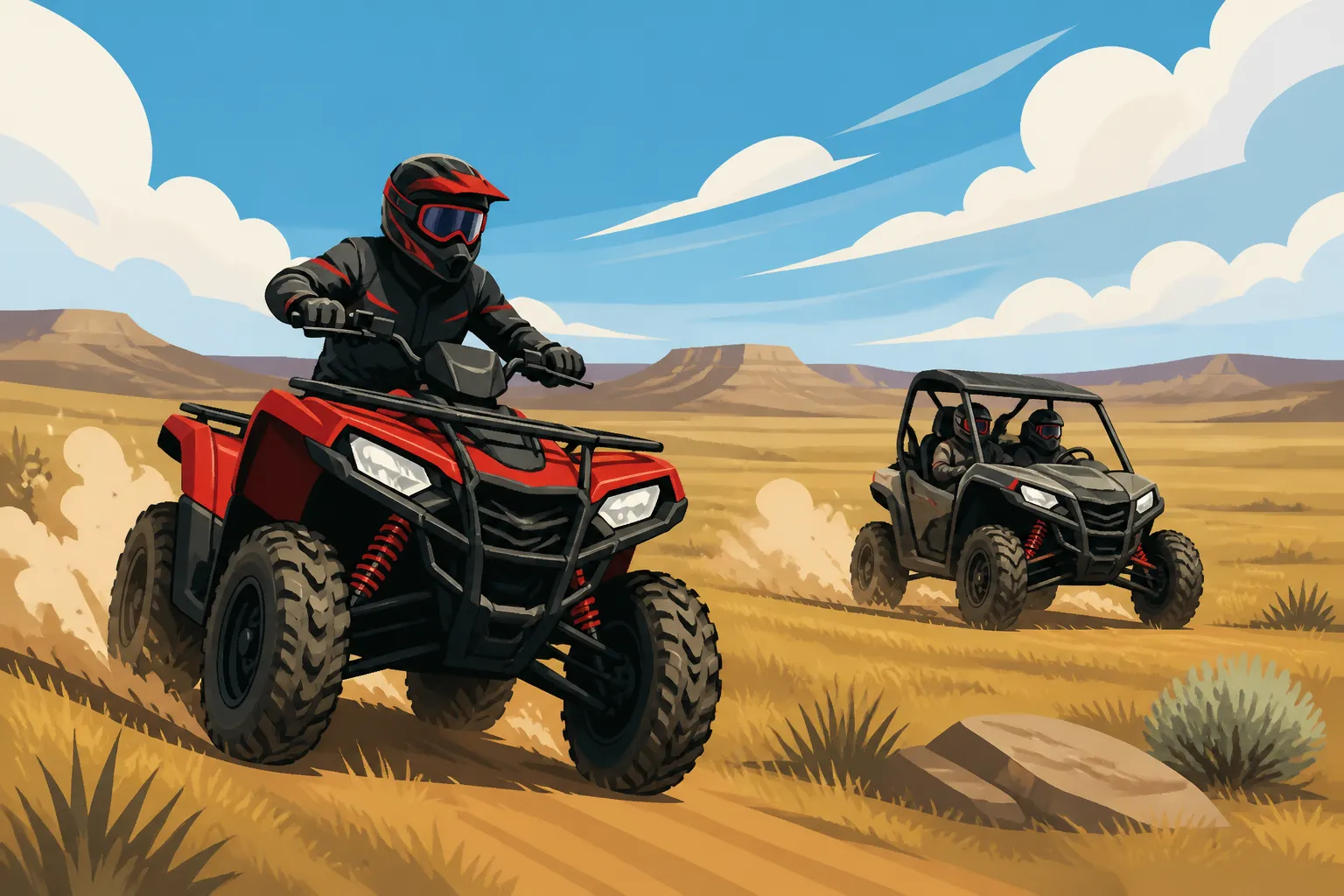
The Dismal Open Area at Bessey offers a different kind of Nebraska ride: open terrain where wind, loose ground, and changing conditions can matter as much as your machine. Planning can feel tricky if you are unsure where the riding area begins, what to bring, or whether a trail is open. This guide covers how to prepare, ride considerately, and avoid common surprises.
What to know before riding the Dismal Open Area
Where the riding area fits into Bessey
The Dismal Open Area is part of the Bessey Recreation Complex near Halsey, in Nebraska’s Bessey Ranger District. Bessey is known for both designated OHV routes and open riding areas, but those are not interchangeable: an open area and a marked trail may have different boundaries, riding patterns, and on-the-ground conditions. Before unloading, confirm that you are at the intended riding area and that access is open.
If this is your first visit, review [Bessey's Dismal Area in Nebraska] alongside information about [Bessey's 36 Miles of Forest Trail at Halsey]. Knowing which areas are trails and which are open riding space helps you plan a route that suits your group instead of assuming every visible track is an authorized one. Forest roads and access routes may also be used by other visitors, workers, or land managers.
The Dismal Open Area can be a good fit for riders who want room to explore rather than follow a single loop from start to finish. That freedom comes with a little more responsibility: pick out boundaries before riding, keep track of where you are, and do not treat a worn tire track as proof that an area is open to vehicles.
Check access, rules, and conditions before you tow
A long trailer trip is a frustrating time to discover that a route is closed, a staging area is unavailable, or the machines in your group are not suited to the riding area. Check the latest local access information before leaving home, and look again before unloading. Weather, maintenance, fire conditions, or other management needs can affect access.
Pay particular attention to notices about route closures and riding boundaries. Conditions in open terrain can shift after wind or precipitation, and a route that looked straightforward on a previous visit may be rougher or less distinct now. Use [Nebraska Trail Conditions Before You Tow] as a planning prompt, then confirm details for Bessey through the appropriate local office or posted information.
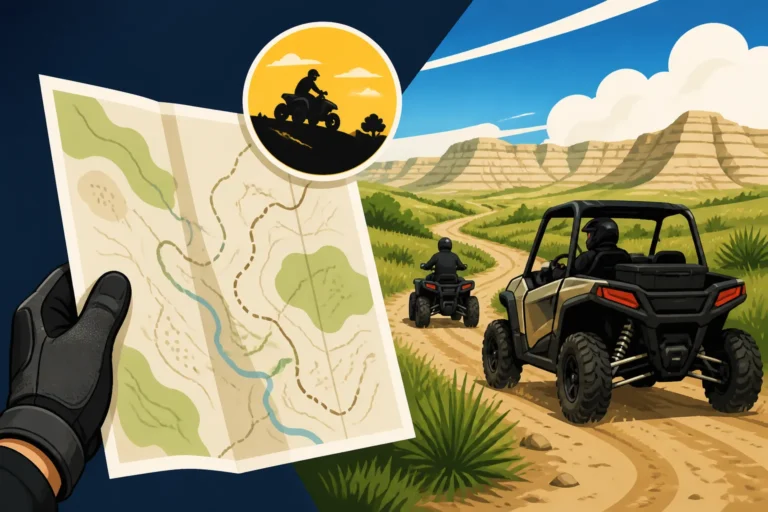
A map app such as onX Offroad can help you orient yourself, compare your location with mapped roads, and plan a general route. Download the information you need before you leave reliable cell coverage, and treat the app as a navigation aid—not permission to ride somewhere. Posted signs and current land-management rules take priority over a screen.
Preparing your machine and group
Choose equipment for the ground and the ride
The right setup depends on your machine, the conditions, and how far you plan to travel from your staging point. Before departing, check tires, brakes, steering, throttle response, lights, and fluid levels. Look over the machine for loose hardware or damage, and make sure any cargo is secured so it will not shift as you cross uneven ground.
Bring basic recovery and repair supplies that match your experience and the machines in your group. A tire repair kit, compact tool kit, tow strap, and first-aid supplies can make a minor problem easier to handle. A winch may be useful in some situations, but it does not replace careful line choice or a safe recovery plan. If a machine becomes stuck, pause and assess the ground before adding throttle; spinning the tires can dig the machine in farther and create a bigger recovery problem.
Pack for the whole visit, not just the ride itself. Water, sun protection, weather-appropriate layers, food, and a charged phone are practical basics. Open areas can offer less shelter from wind and sun than a wooded route, so riders may tire faster than expected. If your group includes children or newer riders, plan shorter loops and regroup often rather than relying on everyone to keep pace across open ground.
Plan navigation and communication in advance
Cell coverage can be unreliable in forest and rural riding areas. Tell someone outside your group where you are going and when you expect to return. Within the group, agree on a simple response if riders become separated: stop in a safe place, avoid wandering farther in search of others, and use your agreed meeting point or communication plan.
Download offline map information before driving to the trailhead. onX Offroad may be useful for checking your position against mapped roads when service drops, but batteries can run down and map data can be incomplete. Carry a paper map or a written set of directions as a backup. [Planning for No Cell Service on a Forest Ride] and [Why You Still Carry a Paper Trail Map] are useful reminders that navigation should not depend on one device.
Before the first ride, make sure everyone knows the route or general direction of travel, the planned turnaround time, and what to do if a machine has a problem. For a large group, choose a lead rider and a sweep rider, and stop at agreed points so no one has to guess whether the group has continued ahead.
| Before you leave | What to check | Why it matters |
|---|---|---|
| Access and boundaries | Current notices, posted signs, open routes, and staging access | Avoids arriving at a closure or crossing into a restricted area |
| Machine condition | Tires, brakes, steering, controls, lights, fluids, and cargo | Reduces the chance of a preventable breakdown |
| Navigation | Offline map, backup directions, and meeting points | Helps the group stay oriented if service is weak |
| Group readiness | Water, protective gear, recovery supplies, and experience level | Makes it easier to match the ride to the people taking it |
| Parking and unloading | Space for vehicles and trailers without blocking others | Keeps access clear and reduces congestion at the staging area |
Riding safely and responsibly in open terrain
Read the ground instead of following every track
Open riding space can make it tempting to accelerate or follow the most visible tracks. Slow down enough to read the surface and anticipate what is ahead. Loose ground, ruts, abrupt changes in slope, and soft patches can affect steering and braking. If you cannot see beyond a rise or dip, approach cautiously rather than assuming the ground stays consistent.
Leave room between machines. Dust can obscure the view for the rider behind you, and close spacing reduces the time available to react to a sudden stop. When visibility drops, ease off the throttle and increase distance instead of trying to stay close by riding faster. Make turns and changes in direction predictable, especially when other riders are nearby.
If you are new to the area, keep your first ride conservative. Explore a small portion of the open area, check how your machine responds, and make sure the group is comfortable before extending the ride. For a clearer sense of how open terrain differs from a more defined riding space, compare the general character of the area with [What to Expect at the Hill Climb Open Area]. Do not assume that one section’s conditions tell you what to expect everywhere else.
Share the area and stage thoughtfully
A riding area may include people who are unloading, walking, camping, or using nearby roads. Keep speeds appropriate around the staging area, give parked vehicles and pedestrians space, and avoid creating dust or noise where visitors are trying to settle in. Do not block gates, signs, road access, or turnaround areas with a truck or trailer.
Unload and load in a way that leaves room for other groups to maneuver. If the parking area is busy, keep gear organized beside your vehicle rather than spreading it across open space. [How to Unload and Stage Without Blocking Anyone] offers a useful checklist for making the start and end of a ride easier for everyone.
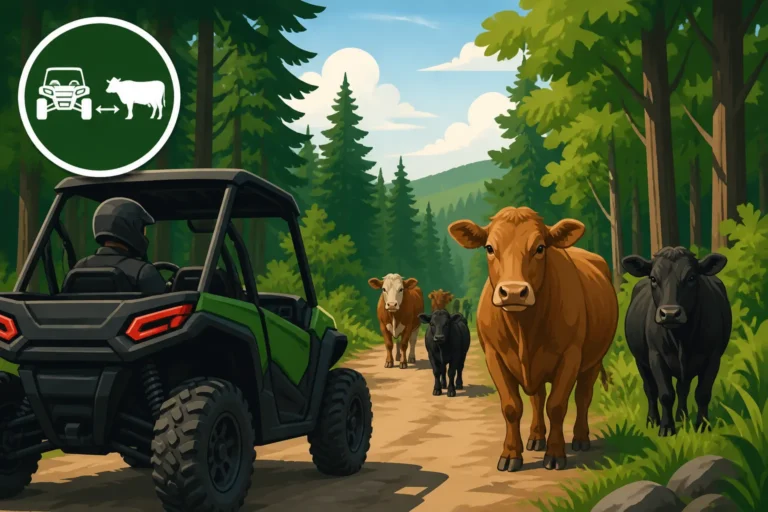
On trails or access roads, stay alert for other users and local land-management activity. If you come across cattle or other livestock, slow down, give them plenty of space, and avoid chasing or crowding them. Close gates only as directed and leave them as you found them. [Sharing a Forest Road With Cattle] and [Nebraska Trail Etiquette Locals Expect] cover the kind of small choices that help keep shared riding areas usable.
Making a smoother trip to Bessey
Build a realistic day around your group
Set a turnaround time before the ride begins. It is easy to lose track of time when the group is exploring, especially if riders stop to regroup, adjust equipment, or help with a minor repair. A planned return time gives you room for loading, checking machines, and getting back to your vehicle without rushing.
For a mixed-experience group, plan around the least experienced rider rather than the fastest machine. Keep the first outing shorter than you think you need, and discuss signals or hand gestures before starting. If someone feels uncomfortable, stopping to regroup is better than pressuring them to keep up. A relaxed pace also makes it easier to notice changing conditions and stay oriented.
Think through the towing and staging logistics too. Confirm that your trailer can be parked without obstructing access, secure loose equipment before departure, and bring any tie-downs or basic supplies you will need for loading. Before your trip, check [Where to Pay the Fee at Bessey Recreation Complex] so you understand the applicable parking or use arrangements and where to handle them.
Keep a backup plan for changing conditions
Sometimes the best decision is to shorten the ride or change plans. If the ground is difficult for a rider in your group, visibility is poor, a machine is not running well, or access information has changed, do not press on simply because you made the drive. A shorter ride that ends safely is better than turning a manageable problem into a recovery or injury situation.
Keep a simple record of your route and return time, and let someone know when you are back. After the ride, check machines for packed debris, loose parts, and damage before towing home. Clean equipment as appropriate, and note repairs or maintenance that should be handled before your next outing.
Most of all, ride within the boundaries and conditions that apply that day. A map, a familiar tire track, or another rider’s route cannot substitute for posted directions and current access rules. Preparing carefully gives you more freedom to enjoy the open space without turning a day out into a scramble.
Disclaimer
This article is for general informational purposes only and does not constitute professional advice. Laws, prices and regulations vary by location and change over time. Consult a qualified professional for guidance on your specific situation.