Nebraska County Treasurers Handle ATV Titles
One of the most common head-scratchers for new and experienced ATV and UTV owners in Nebraska is figuring out where exactly to go to get their machine titled. It's a completely fair confusion because, unlike cars and trucks where you automatically think "DMV," the process for off-road vehicles works a little differently. This guide is here to clear up that mystery, walking you through why your local County Treasurer's office is the place you'll become very familiar with for all your ATV and UTV titling needs, and exactly what to expect when you get there.
Why Nebraska County Treasurers Are Your Go-To for ATV Titles
When you purchase an ATV or UTV in Nebraska, whether it's brand new from a dealer or a well-loved machine from a private seller, your first thought for official paperwork might instinctively turn to the Department of Motor Vehicles. After all, that's where you handle your car's registration, driver's license, and so many other vehicle-related tasks. However, with off-road machines, the rules diverge, and that can catch a lot of folks off guard. It's a key distinction that trips up many riders, but once you understand it, the process becomes much clearer.
Not the DMV: A Common Misconception
It's easy to assume that all vehicle-related tasks, especially something as fundamental as titling, would fall under one state agency. However, for ATVs and UTVs in Nebraska, the Department of Motor Vehicles (DMV) isn't involved in the titling process at all. This is often a source of frustration and wasted trips for new owners who drive to their local DMV office, only to be politely redirected. Imagine loading up your brand new quad, driving across town, waiting in line, and then being told you're in the wrong place! It's an understandable headache that many people face. The state has intentionally divided these responsibilities, and while it might seem counterintuitive at first glance, there's a historical reason for it.
The DMV's primary focus in Nebraska has traditionally been on vehicles that operate on public roadways and require registration for street use. Since ATVs and UTVs are generally "not to be registered" for road use in the traditional sense – meaning they don't get a license plate and annual stickers like a car – their administrative oversight was routed elsewhere. This distinction is crucial to remember; it’s not just a quirk of the system, but a fundamental difference in how these machines are classified under state law. Knowing this upfront saves you time and a potential headache, pointing you directly to the correct local authority for your titling needs.
A Legacy of Local Authority
The responsibility for titling ATVs and UTVs in Nebraska has been entrusted to the County Treasurers' offices for quite some time now, specifically [Nebraska Titles Required Since 2004]. This arrangement stems from a blend of historical practices and the state's approach to how it categorizes these machines. Unlike cars which are centrally managed by the state's DMV, ATVs and UTVs have often been seen through a lens of agricultural or recreational use, often staying within county lines or on private property. This localized focus made county-level administration a logical fit.
County Treasurers in Nebraska are already accustomed to handling a myriad of local financial and administrative tasks, including property taxes, motor vehicle registrations for other types of vehicles, and various permits. Adding ATV and UTV titling to their portfolio leverages existing county infrastructure and personnel, rather than creating a whole new bureaucratic system at the state level for these specific machines. This local control means that the exact experience you have can vary slightly from one county to another, though the core requirements and forms remain consistent across the state. They act as the front line for ensuring proper ownership records are maintained, and it's a system that has been in place for nearly two decades, meaning they're quite experienced in guiding owners through the necessary steps.
The Paperwork You'll Need to Title Your ATV in Nebraska
Getting your ATV or UTV titled isn't a task to be taken lightly, especially because it solidifies your ownership and allows you to legally operate or sell the machine. Showing up at your local County Treasurer's office unprepared can lead to delays and multiple trips, which nobody wants. The key to a smooth process is gathering all the necessary documents beforehand, understanding what each piece of paper signifies, and knowing how to navigate specific situations that might arise. This isn't just about filling out forms; it's about proving legitimate ownership and fulfilling your legal obligations.
Gathering Your Essential Documents
Before you even think about heading to the County Treasurer’s office, make a checklist of the core documents you'll need. Think of this like preparing for a big trip – you wouldn't leave home without your passport and tickets, right? The same goes for titling your ATV. For a new machine, you'll need the Manufacturer's Statement of Origin (MSO), which is essentially the birth certificate for your off-road vehicle. If you're buying a used machine, the existing title, properly signed and notarized by the previous owner, is paramount. This document transfers legal ownership from the seller to you. Without it, you’ll hit a major roadblock.
Beyond the MSO or existing title, you’ll also need a bill of sale, especially for private party transactions. While some states might be a bit more relaxed, Nebraska strongly prefers a clear record of the purchase. This document should detail the buyer and seller's information, the machine's make, model, year, Vehicle Identification Number (VIN), and the agreed-upon sale price. Even if you're buying from a friend or family member, taking the time to write up a formal bill of sale can prevent headaches down the road. Some people even use services like LawDepot to generate a professional bill of sale, ensuring all the necessary legal language is included and nothing is missed. This meticulous approach protects both buyer and seller and provides verifiable proof for the County Treasurer.
Form 6ATV: Your New Best Friend
Among the documents you'll encounter, [Nebraska Form 6ATV Explained] is arguably the most important one you'll be dealing with directly. This isn't just another form; it's specifically designed for the titling and sales tax declaration of ATVs and UTVs in Nebraska. You won't find it tucked away with car registration forms because it serves a unique purpose for these particular machines. Think of it as the central hub for all the information about your machine and your purchase.
On Form 6ATV, you'll be providing critical details about the ATV or UTV, including its make, model, year, and the all-important Vehicle Identification Number (VIN). You'll also declare the purchase price, which is essential for calculating the sales tax you owe. Both the buyer and the seller are typically required to sign this form, validating the transaction. For a private sale, it’s a critical piece of evidence. If you’re coming from a dealer, they often prepare this form for you, but it’s always wise to review it carefully before signing. Any discrepancies or missing information on this form could cause delays at the County Treasurer's window, forcing you to go back and forth between the seller or dealer to get it corrected, which is a frustration nobody needs.
Proving Ownership for Unique Situations
Life isn't always a straightforward new purchase, and sometimes you find yourself with an ATV or UTV under less conventional circumstances. What if you inherited a machine after a family member passed away, and the title isn't easily transferable? Or perhaps you purchased an older machine through a private sale years ago, and the original title has been lost or was never properly transferred? These situations, while not ideal, are surprisingly common and can make the titling process feel incredibly daunting.
For inherited machines, you'll often need to provide additional legal documents, such as a death certificate and potentially probate court documents or an affidavit of heirship, depending on the value of the estate and the state's laws. The County Treasurer's office can guide you on the specific requirements in such cases, which can sometimes be complex. If you're dealing with a lost title or a machine that was never properly titled in your name after a long-ago purchase, things get even trickier. You might need to pursue a bonded title, a court order, or provide extensive documentation to prove continuous possession and legitimate ownership. In these instances, a detailed bill of sale, even one you generate retrospectively with the previous owner using a service like LawDepot if they're still available, could be invaluable. Always contact your County Treasurer's office directly when facing these unique scenarios; they can outline the exact steps and additional forms you'll need to navigate these often frustrating situations.
Understanding Nebraska's 30-Day Titling Deadline
One of the most critical aspects of titling your new-to-you ATV or UTV in Nebraska is adhering to the state's strict timeline. It's not just a suggestion; it's a legal requirement that can carry consequences if overlooked. Many new owners, eager to hit the trails or tackle farm work, might inadvertently let this deadline slip their minds, only to face an unexpected fee or a bureaucratic hurdle later on. Understanding this timeframe and its implications is crucial for a smooth and cost-effective titling experience.
The Clock Starts Ticking
In Nebraska, you have a specific window of time to title your ATV or UTV after acquiring it: 30 days. This 30-day period begins on the date of purchase or, in some cases, the date the machine was brought into the state if you're a new resident. It's a fairly standard period for many vehicle transactions, but it's important not to underestimate how quickly it can pass, especially with busy schedules and other life demands. The state designed this deadline to ensure prompt record-keeping and to prevent a backlog of untitled machines circulating without proper ownership documentation.
Imagine you just bought that dream side-by-side on a Saturday. You spend Sunday getting it unloaded and maybe even take it for a quick spin on your property. The next few weeks fly by with work, family commitments, and planning your first big riding trip. Before you know it, a month has passed, and you suddenly realize you haven't made it to the County Treasurer's office. This scenario plays out more often than you might think. [Nebraska's 30-Day Titling Deadline] is there to encourage expediency, but for many, it can feel like another hoop to jump through, particularly when they're simply excited about their new machine.
What Happens If You Miss the Deadline
So, what if that 30-day window closes before you manage to get your ATV or UTV titled? Unfortunately, Nebraska imposes a late fee. This isn't meant to be punitive but rather to encourage compliance with the titling schedule. The exact amount can vary, but it's an avoidable cost that adds an unnecessary expense to your purchase. Think of it as a small penalty for not getting your paperwork in order on time. While it might not break the bank, it's certainly money that could have been better spent on accessories for your machine, fuel for a ride, or even just saved.
Beyond the financial penalty, missing the deadline can also create minor administrative hassles. It might mean an extra conversation with the County Treasurer's clerk, explaining the delay, or simply acknowledging the late fee. While they are usually understanding that life happens, the rules are the rules. The most straightforward path is always to prioritize that visit to the Treasurer's office within the initial 30 days. It saves you money, avoids any potential complications, and ensures your ownership is officially recorded without any hiccups. [What Happens If You Miss the 30-Day Title Deadline] is a question many people ask, and the answer, while not catastrophic, definitely points to the benefits of being timely.
Costs Involved When Titling Your ATV at the County Treasurer's Office
When you're budgeting for a new ATV or UTV, it's easy to focus on the sticker price of the machine itself. However, there are additional costs associated with making that machine legally yours in Nebraska, and these often come as a surprise if you haven't accounted for them. Understanding the various fees and taxes you'll encounter at the County Treasurer's office is essential for a realistic financial plan and to avoid any last-minute shocks when you're standing at the counter.
Breaking Down the Title Fee
The actual title fee for an ATV or UTV in Nebraska is typically a relatively small, fixed amount. Compared to the purchase price of the machine, it's often the least expensive line item you'll encounter during the titling process. This fee covers the administrative cost for the county to process your paperwork, update ownership records, and issue your official title document. It's a standard charge that applies to every titling transaction, whether you're titling a brand-new machine or transferring ownership of a used one.
While the fee itself is modest, it's a non-negotiable part of the process. It helps fund the local infrastructure that maintains these important ownership records. Think of it as a small service charge for the peace of mind that comes with having a legitimate, state-recognized title in your name. You can often find the current fee listed on your specific county's treasurer website, or you can simply call them ahead of time. It’s always a good idea to confirm the exact amount before your visit so you can bring the correct payment method, whether that's cash, check, or a debit/credit card if the office accepts them. [Nebraska ATV Title Cost] is a common search term for a reason, as new buyers want to ensure they're prepared.
Navigating Sales Tax Collection
Here’s where a lot of people get confused: sales tax on ATVs and UTVs in Nebraska. Unlike many other retail purchases where the merchant collects sales tax at the point of sale, for off-road machines, the sales tax is collected by your County Treasurer when you title the machine. This is a significant distinction, especially if you're buying from a private seller, as they won't collect tax from you directly. Instead, it becomes your responsibility to pay it when you present your bill of sale and other documents to the county.
The sales tax rate will be Nebraska's statewide rate, plus any applicable local sales tax for the jurisdiction where you reside. This means the total percentage can vary slightly depending on your exact address. When you fill out [Why ATV Buyers Fill Out Form 6ATV], you'll declare the purchase price, and the Treasurer's office will calculate the sales tax due based on that figure. It’s important to declare the actual sale price, even if it feels high, because under-reporting can lead to legal issues. This system ensures that the state and local governments receive their due revenue, regardless of whether the machine was purchased from a dealer or a private party.
| Cost Item | Description | Collected By | Typical Timing |
|---|---|---|---|
| Title Fee | Fixed fee for administrative processing and issuing the title. | County Treasurer | At time of titling |
| Sales Tax | State (and local) percentage of the purchase price. | County Treasurer | At time of titling |
| Late Fee | Penalty for titling beyond the 30-day deadline. | County Treasurer | If applicable, at time of titling |
| Notary Fee | If the title transfer requires notarization and not done beforehand. | Notary Public | Before or at time of titling |
| Duplicate Title | Fee for requesting a copy of your title if lost or damaged. | County Treasurer | As needed after original titling |
Considering Local Sales Tax
It's not just the statewide sales tax rate you need to keep in mind; Nebraska also allows individual cities and counties to impose their own local sales tax. This means the final sales tax percentage you pay on your ATV or UTV will be a combination of the state rate and whatever local rate applies to your residential address. This can sometimes add a noticeable amount to the overall cost, particularly on a higher-priced machine. So, if you live in a city that has a local sales tax, you'll pay that in addition to the state's baseline rate.
The County Treasurer’s office is set up to accurately calculate this combined tax for you based on the address you provide. They have access to the most current local tax rates for all jurisdictions within their county. While you can certainly look up your local rates online before you go, the clerks at the Treasurer’s office are the final authority on the amount due. This is why accurately stating your residential address on all forms is crucial. It's another example of how the County Treasurer's office serves as the central hub for all financial aspects of ATV and UTV ownership, ensuring all applicable taxes are collected efficiently and correctly for both state and local entities.
Special Scenarios: Titling Different Types of Machines and Circumstances
While the core titling process at the County Treasurer's office remains consistent, the world of off-road machines and ownership situations is anything but uniform. You might be buying a compact youth quad, a powerful utility side-by-side, or even bringing in a machine from a neighboring state. Each of these unique scenarios can introduce specific requirements or nuances to the titling process that warrant a closer look. Anticipating these variations will help you gather the right documentation and avoid unexpected delays, making your trip to the Treasurer's office as efficient as possible.
Side-by-Sides, Youth Quads, and Dirt Bikes
One of the most common questions revolves around whether all off-road vehicles are treated the same for titling purposes. The good news is that for the most part, in Nebraska, the titling process through the County Treasurer's office is consistent across various types of ATVs and UTVs. Whether you're titling a traditional four-wheeled ATV, a larger side-by-side (sometimes called a UTV or SxS), a youth quad designed for younger riders, or even a dirt bike, the fundamental requirements for proving ownership, filling out Form 6ATV, and paying sales tax remain largely the same.
For example, [Titling a Side-by-Side in Nebraska] follows the same general steps as titling a regular ATV. You'll still need the MSO or previous title, a bill of sale, and you'll complete the same Form 6ATV. The key is that the state classifies these all under the umbrella of "all-terrain vehicles" for titling purposes, even if their operational characteristics are quite different. This streamlined approach simplifies things for owners, as you don't need to learn a completely different set of rules for each specific machine type. The emphasis remains on verifiable ownership and proper declaration of the vehicle's details and purchase price.
Machines Bought Out-of-State or Assembled
Bringing an ATV or UTV into Nebraska from another state introduces a slightly different set of considerations, though the destination for titling remains the County Treasurer's office. If you've purchased a machine in Iowa, Kansas, or Colorado and are moving it to your Nebraska home, you'll still need to get a Nebraska title. The main difference lies in the proof of ownership you present. Instead of a Nebraska title, you'll typically provide the title from the state where the machine was previously registered or titled. This out-of-state title serves as your primary proof of ownership, along with a bill of sale. [Nebraska Out-of-State Machines Need a Title] ensures that all machines operating in the state are properly recorded in the Nebraska system.
Similarly, if you've undertaken the impressive task of building an "assembled machine" – perhaps piecing together an ATV from various components, or significantly modifying an existing one to the point it's considered new construction – the titling process has its own specific path. For [Nebraska Assembled Machine Titles], you'll generally need to provide documentation for the major components, receipts for parts, and possibly an inspection to verify the VIN or assign a new one. This ensures that even custom-built machines can be legally titled, preventing untraceable ownership and promoting accountability. It's best to call your County Treasurer's office early in this process, as they can provide precise guidance on the unique documentation required for an assembled machine.
Dealing with Liens and Multiple Owners
Ownership isn't always a simple one-person, one-machine scenario. Many people finance their ATV or UTV, which means a lender will typically place a lien on the title. When you're titling a financed machine, the County Treasurer's office will record this lien directly on the Nebraska title document. This legal notation protects the lender's interest in the machine until the loan is fully repaid. When the loan is paid off, the lender will send you a lien release, which you'll then take back to the Treasurer's office to have the lien removed from your title, giving you full, unencumbered ownership. [Nebraska Title and Lien Records] are meticulously kept, ensuring clear chains of ownership.
Another common situation is having multiple owners listed on a title. Perhaps you and your spouse bought a side-by-side together, or you're co-owners with a family member for a ranch machine. Nebraska titles can indeed accommodate multiple names. The crucial detail here is how the names are joined: "and" or "or." If the names are joined by "and," then all listed owners typically need to sign the title for any future sale or transfer. If the names are joined by "or," then either owner can typically sign to transfer the title. This distinction is vital for future transactions, so discuss it carefully when the title is initially issued. Ensuring all parties are present or have properly signed necessary documents like a bill of sale using a reliable template from a service like LawDepot can prevent future complications when you're adding [Nebraska Title With Two Owners].
What to Expect at the County Treasurer's Window
Visiting a government office can sometimes feel a bit intimidating, especially if you're not entirely sure what to expect. However, understanding the process for titling your ATV or UTV at the County Treasurer's office can significantly ease any apprehension. These offices are there to serve the public, and while they operate under strict rules, the staff are generally well-versed in guiding you through the necessary steps. A little preparation and knowledge of the typical flow can make your visit a smooth and efficient one.
Planning Your Trip: Timing and Preparation
The first step to a successful visit is strategic planning. Consider the best time to go. Mid-morning or mid-afternoon on a weekday, avoiding lunch rushes or end-of-day crowds, can often lead to shorter wait times. Most County Treasurer offices post their hours online, so check those before you head out. Before you even leave the house, double-check that you have all your required documents organized and ready. This includes your Manufacturer's Statement of Origin or previous title, a bill of sale, your valid photo ID, and your chosen method of payment for the title fee and sales tax.
It’s also wise to have copies of everything, just in case. While not usually required, having a backup copy of your bill of sale, for example, can be helpful for your own records or if there’s a question about the original. Many people find it helpful to bring a pen, too, as you might need to fill out a small detail or sign something on the spot. By ensuring you have [What to Bring to the County Treasurer's Window] clearly in mind, you minimize the chance of needing a second trip, which is always the goal when dealing with official paperwork.
Common Questions Clerks Hear and How to Answer Them
The clerks at the County Treasurer's office are experts in their field and interact with hundreds of people each week, many of whom are titling ATVs and UTVs for the first time. They’ve heard it all, and they’re prepared to guide you. Expect them to verify your identity, meticulously check the VIN on your documents against the actual machine (they won't need the machine itself, just the numbers on the paperwork), and confirm the purchase price for sales tax calculation. They might ask clarifying questions about the purchase date, especially if you're close to or past the 30-day deadline.
Don't be surprised if they inquire about the condition of the title you're presenting (if it's a used machine) – they’ll look for any erasures, alterations, or missing signatures. For private sales, they’ll want to ensure the bill of sale looks legitimate and clearly defines the transaction. Your best approach is to be honest, transparent, and have all your facts straight. If you're unsure about something, it’s always better to ask for clarification than to guess or provide incorrect information. They are there to process your title correctly, and clear communication on your part makes their job, and your experience, much smoother. [Nebraska Title Questions Treasurers Hear] are often very basic, aiming to ensure compliance and accuracy.
After the Title Is Issued: What Comes Next
Once you’ve successfully navigated the paperwork, paid your fees and taxes, and the clerk has processed everything, you’ll typically receive a receipt and often the new title right then and there. Some counties might mail the title to you within a few days, so be sure to clarify the procedure for your specific office. Your new Nebraska ATV or UTV title will be a crucial document, serving as legal proof of ownership.
After you have your title in hand, store it in a safe place. This is not a document you should keep on the machine itself or even in your glovebox; it should be secured with other important legal papers, like your house deed or birth certificate. While you now officially own your ATV or UTV, remember that in Nebraska, this title does not equate to road registration. Your ATV title will likely have a clear notation, often in bold print, stating "NOT TO BE REGISTERED." This is a key distinction. Your titled machine is now legally yours, but it does not grant you blanket permission to ride on public roads. You're ready to enjoy your machine on private land or designated trails, knowing your ownership is fully legitimate. [Selling a Titled Machine in Nebraska] in the future will be a breeze, as long as you have this document.
Beyond Titling: Why No Registration Sticker?
One of the most persistent points of confusion for ATV and UTV owners in Nebraska, even after successfully titling their machine, revolves around the absence of a typical vehicle registration. Many people are accustomed to getting a license plate and annual stickers for their cars, trucks, and even boats. When they don't receive the same for their ATV or UTV, it naturally leads to questions about whether they've missed a step or if the process is incomplete. This aspect is unique to Nebraska and deserves a thorough explanation to clarify why your titled ATV won't come with a shiny new state sticker for the fender.
The 'Not To Be Registered' Notation Explained
If you look closely at your newly issued Nebraska ATV or UTV title, you'll likely see a very specific phrase printed prominently: "NOT TO BE REGISTERED." This isn't a mistake, nor does it mean your machine isn't fully legal. It's a deliberate notation mandated by Nebraska law, reflecting the state's current stance on ATV and UTV usage on public roads. Unlike most states that require some form of registration for off-highway vehicles, Nebraska does not have a statewide ATV registration system. This notation essentially confirms that your machine is titled for ownership purposes, but it is explicitly not registered for use on public streets or highways in the same way a car or motorcycle is.
This distinction is fundamental. The title serves as your proof of ownership, vital for buying, selling, or recovering a stolen machine. However, the lack of a registration means there is no state-issued license plate or annual decal that would typically authorize road use. This often means that while your machine is legally yours, its use on public roads is severely restricted, generally limited to very specific agricultural purposes or within certain municipalities that have passed local ordinances to allow it. [Why an ATV Title Says Not To Be Registered] is a question many people ask, and understanding this legal nuance is key to responsible riding in Nebraska.
Nebraska's Stalled Attempts at Statewide Registration
The idea of implementing a statewide registration system for ATVs and UTVs in Nebraska isn't new. In fact, lawmakers have proposed various bills over the years aimed at creating such a system. The arguments in favor often center around generating revenue for trail development and maintenance, enhancing law enforcement's ability to track stolen machines, and creating a clearer framework for road use. Many other states have successfully implemented similar programs, providing dedicated funding for off-road recreation.
However, despite these efforts, any attempts at statewide registration have, to date, stalled in the legislative process. Factors like concerns over additional fees for owners, disagreements on how generated funds would be allocated, and questions about enforcement have contributed to these bills not passing. [Lawmakers Proposed Registering Every ATV Statewide] has been a recurring theme, but the practicalities and political will haven't yet aligned to bring it to fruition. This means that, for now, the "NOT TO BE REGISTERED" notation remains firmly on your title, and the responsibility for funding trails and managing off-road vehicle impacts continues to fall on a patchwork of local efforts and volunteer organizations. This ongoing legislative dynamic means the landscape could change in the future, but for the present, the status quo holds true.
Common Mistakes and How to Avoid Them When Titling
Navigating the world of ATV and UTV titling in Nebraska doesn't have to be a minefield, but like any official process, there are common pitfalls that can snag even the most careful owner. Avoiding these mistakes isn't just about saving time or money; it's about ensuring your ownership is completely legitimate and free from future complications. From the moment you consider purchasing a machine to the final step of walking out of the County Treasurer's office, being proactive and informed can make all the difference.
Checking the VIN Before You Buy
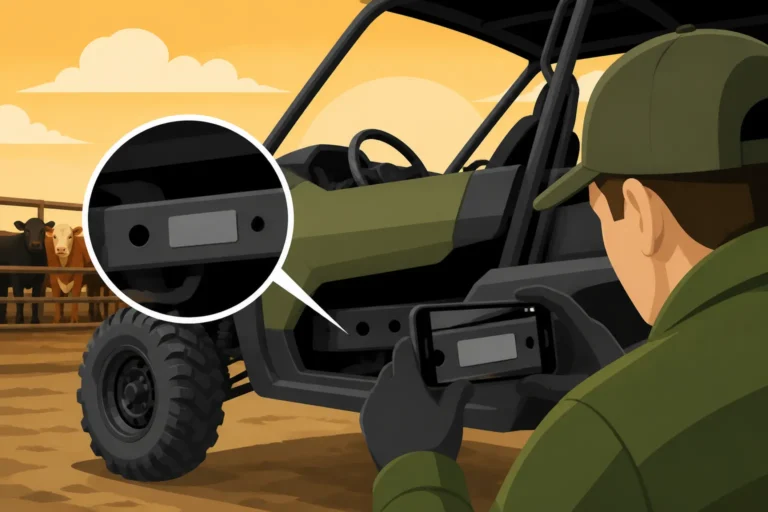
One of the most critical steps in avoiding future titling headaches actually happens before you even hand over any money for an ATV or UTV. This is verifying the Vehicle Identification Number (VIN). Just like a fingerprint, every machine has a unique VIN, typically stamped into the frame. For a used machine, compare the VIN on the seller’s title directly with the VIN stamped on the machine itself. Do not skip this step! Discrepancies here can indicate a stolen vehicle, a tampered title, or simply a clerical error that will become your problem at the Treasurer’s office.
Imagine falling in love with a quad, only to discover the VIN on the title doesn't match the frame. The County Treasurer's office won't title a machine with mismatched numbers, and you could be out of luck (and money). A quick VIN check online can sometimes even reveal if the machine has been reported stolen. Taking this crucial preventative step saves you from potentially buying a machine you can't legally title or that comes with a host of legal troubles. It's your first line of defense in ensuring a smooth titling process down the road. [How to Check Whether a Used Quad Is Stolen] is a valuable resource for anyone considering a private purchase.
Ensuring All Signatures Are Present
Another frequent cause of delays at the County Treasurer's office is incomplete or missing signatures on the title or bill of sale. For a used machine, the seller(s) must properly sign and date the "seller" portion of the existing title. If there are multiple owners listed on the title, and their names are joined by "and," then all owners must typically sign. A missing signature means the transfer of ownership is legally incomplete, and the Treasurer's office cannot process your new title until it's rectified. This often means tracking down the previous owner, which can be an immense hassle if they've moved or are difficult to reach.
Similarly, make sure your bill of sale (especially for a private sale) is signed by both you and the seller. While Nebraska’s titling process primarily relies on the physical title or MSO, a well-executed bill of sale, especially one created using a template from a service like LawDepot, provides crucial backup documentation, particularly for establishing the purchase price for sales tax. Before you leave the seller, meticulously review all documents to ensure every required signature is present and legible. It's much easier to get it right at the point of sale than to chase down a past owner weeks later.
Keeping Copies of Everything
This might sound like a simple piece of advice, but it's one that can save you a world of hurt. After you've gone through the process of buying your ATV or UTV, gathered all your documents, and even visited the County Treasurer's office, make copies of everything. This includes the Manufacturer's Statement of Origin, the signed-over previous title, your bill of sale, Form 6ATV, and especially your new Nebraska title once it's issued.
Why is this so important? Accidents happen. Documents get lost, coffee gets spilled, or fires occur. Having a digital or physical copy stored safely away from the originals means you have a backup of your crucial ownership information. If your original title ever goes missing, having a copy can significantly expedite the process of getting a duplicate. Furthermore, for your own records, having a comprehensive file of the purchase and titling paperwork is invaluable for insurance purposes, future sales, or simply as proof of when and how you acquired your machine. Taking a few extra minutes to make copies is a small effort for significant peace of mind.
Disclaimer
This article is for general informational purposes only and does not constitute professional advice. Laws, prices and regulations vary by location and change over time. Consult a qualified professional for guidance on your specific situation.