Nebraska Insurance Changes Coming in 2027
The world of ATV and UTV ownership in Nebraska can feel like navigating a sandy river bottom blindfolded, especially when it comes to understanding all the rules and regulations. One area that frequently causes confusion and a fair bit of anxiety among riders is insurance, particularly with significant changes on the horizon. Many folks are wondering exactly what’s going to happen and how it will impact their ability to ride legally on Nebraska roads. This guide aims to clear up the mystery surrounding the upcoming insurance changes in 2027, ensuring you're prepared and ready to hit the trails or county roads without a worry.
The Shifting Landscape of Nebraska ATV Insurance
It's easy to think that once you've purchased your ATV or UTV, titled it, and maybe even secured a city registration, you're all set. But for those who venture onto public roads, even for a short hop between fields or a trip down a village street, insurance is a critical piece of the puzzle. Nebraska has specific requirements for operating these machines on public thoroughfares, and these requirements are set to get a significant update very soon. Understanding these shifts isn't just about compliance; it's about protecting yourself, your machine, and other motorists on the road.
Why Insurance Minimums Are Changing
Legislative changes are rarely made in a vacuum. Often, they stem from a combination of factors, including public safety concerns, an increase in incidents involving specific vehicle types, or a broader effort to standardize regulations across different modes of transportation. For ATVs and UTVs in Nebraska, the push for increased insurance minimums likely reflects a growing awareness of the potential for more severe accidents and the associated costs. As more riders discover the utility and recreational fun of these machines, their presence on permissible public roads has naturally increased. With that increase comes a greater need to ensure adequate financial protection in the event of an unfortunate incident. It's about ensuring that if something goes wrong, the innocent parties involved have a reasonable path to recovery without facing undue financial hardship. This proactive approach by lawmakers aims to safeguard everyone sharing the road.
What the Current Insurance Requirements Are Before 2027
Before we dive into what’s coming, let's establish the baseline. Currently, if you plan to operate your ATV or UTV on any public road in Nebraska where it's legally permitted, you are required to carry liability insurance. The existing minimums are often referred to as "25/50/25." This means your policy must provide at least $25,000 for bodily injury per person, $50,000 for total bodily injury per accident, and $25,000 for property damage per accident. These figures have been the standard for quite some time and apply to any motorized vehicle operating on public roads, including motorcycles and cars. While these limits provide a basic level of protection, many seasoned riders and insurance professionals will tell you that they often fall short in the event of a serious accident, especially with rising medical costs and vehicle repair expenses. This is why some riders choose to voluntarily carry higher limits, even when not legally required. Understanding [Nebraska Insurance Minimums Today] is crucial before the upcoming changes take effect.
Understanding the Future Mandates: Key Dates and Triggers
The most important thing to mark on your calendar is January 1, 2027. This is the effective date for the new insurance minimums for ATVs and UTVs used on Nebraska public roads. The changes aren't coming out of nowhere; they are the result of legislation, which was likely debated and passed in previous sessions, giving riders and insurance providers ample time to prepare. The trigger for these changes is straightforward: if you intend to operate your off-highway vehicle on any street, county road, or city thoroughfare that is legally open to such machines, you must meet the updated insurance requirements as of that date. There are no grandfather clauses or exceptions for existing policies; every policy covering road-legal ATV/UTV use will need to be updated or reviewed to ensure compliance by the deadline. This means now is the time to start thinking about these changes and what they'll mean for your riding habits and your budget. [Nebraska Legislation Signed in 2026] likely laid the groundwork for these future requirements, even if the specific bill number might have been different at the time of passage.
Diving Deep into the New 2027 Insurance Minimums
The upcoming changes aren't just a minor tweak; they represent a significant increase in the amount of liability coverage required. For many riders, this will mean a direct impact on their insurance premiums, but it's important to view these changes through the lens of enhanced protection for everyone on the road. It's about aligning ATV and UTV insurance requirements more closely with those of other vehicles and acknowledging the potential risks associated with their operation in public spaces.
The Specific Numbers: What Riders Will Need to Carry
Starting January 1, 2027, the new minimum liability requirements for ATVs and UTVs operated on Nebraska public roads will increase to "50/100/50." Let's break down what these numbers mean for you:
- $50,000 for bodily injury liability per person: This is the maximum amount your insurance company will pay for injuries to a single person in an accident for which you are at fault.
- $100,000 for total bodily injury liability per accident: This is the maximum amount your insurance company will pay for all injuries to all people in a single accident for which you are at fault, regardless of how many individuals are hurt.
- $50,000 for property damage liability per accident: This is the maximum amount your insurance company will pay for damage to other people's property (like their car, a fence, or a mailbox) in an accident for which you are at fault.
These updated figures, reflected in [Nebraska Insurance Minimums From 2027], aim to provide a more robust safety net in today's economic climate. Imagine a scenario where a rider accidentally backs their UTV into a parked pickup truck at the local gas station, causing significant body damage and potentially injuring a passenger in the truck. With the increased limits, there’s a much better chance that the at-fault rider's insurance will cover the full extent of the damages and medical bills, reducing the out-of-pocket exposure for everyone involved.
Who These Changes Affect Most
While these changes apply universally to all ATVs and UTVs used on public roads, certain groups of riders might feel the impact more acutely.
- Budget-conscious riders: Those who previously opted for only the bare minimum coverage might see the most significant increase in their premiums. If your current policy is already at or above the new 50/100/50 limits, you might not notice much of a change.
- New riders: Individuals purchasing their first ATV or UTV after the new rules take effect will simply enroll in a policy that meets the new standards from day one, so it might just feel like the "normal" cost of ownership.
- Farm and ranch operators: Many agricultural users rely on ATVs and UTVs for daily operations and often need to cross public roads to get from one field to another. While [Nebraska's Agricultural Road Exception] might allow certain uses, if these machines are traveling on public roads, even for farm-related activities, they'll need to meet the new insurance minimums. This is an important distinction, as some might assume agricultural use exempts them from these requirements entirely.
- Recreational riders in open areas: If you primarily ride on private land or dedicated trails like those at Halsey or Cedar Run, and never touch a public road, these specific changes to road-use insurance minimums won't directly impact you. However, it's always wise to ensure you have coverage for theft or damage to your machine, regardless of where you ride.
It's clear that the changes are designed to provide a more comprehensive level of protection across the board for any ATV or UTV owner who utilizes public roads, no matter how brief that usage might be.
Beyond Liability: Considering Other Coverage Options
While liability insurance is the only legally mandated coverage for road use, it only protects others from damage or injury caused by your ATV or UTV. It does not cover your own machine, yourself, or your passengers. For most owners, especially considering the significant investment many make in their machines and accessories, stopping at the minimum liability coverage is often a mistake.
Think about the specialized parts and upgrades you might have from companies like SuperATV – a custom lift kit, heavy-duty axles, or even a robust winch. These items represent a substantial investment. If your machine rolls over on a trail or is stolen from your garage, liability insurance won't help you replace them.
Here are other types of coverage to strongly consider:
- Collision coverage: This pays for damages to your ATV or UTV if it collides with another vehicle or object, regardless of who is at fault. If you've just invested in a brand-new side-by-side, this coverage is almost essential.
- Comprehensive coverage: This is your safety net for non-collision events. It covers things like theft, vandalism, fire, natural disasters, or hitting an animal. Given the value of many ATVs and UTVs, and the risk of theft, comprehensive coverage offers invaluable peace of mind.
- Uninsured/Underinsured Motorist (UM/UIM) coverage: While you'll be required to carry certain minimums, not everyone on the road does, or their minimums might not be enough to cover extensive damages. UM/UIM protects you if you're involved in an accident with someone who doesn't have insurance or doesn't have enough.
- Medical payments (MedPay) or Personal Injury Protection (PIP): These can cover medical expenses for you and your passengers, regardless of fault. This is especially relevant if you or someone riding with you doesn't have robust health insurance.
Even if you only ride off-road, having comprehensive coverage for your machine is a smart move. Imagine your fully customized UTV, fitted with the latest SuperATV gear for conquering Nebraska’s sandhills, getting stolen from your property. Without comprehensive coverage, you'd be out of luck. It's always a good idea to discuss these options with your insurance agent to build a policy that truly protects your investment and your peace of mind.
Practical Steps for Nebraska ATV/UTV Owners to Prepare
With January 1, 2027, rapidly approaching, now is not the time to procrastinate. Taking proactive steps can save you stress, ensure you remain compliant, and prevent any unwelcome surprises when you renew your policy or are pulled over on a county road. Preparing ahead of time means you can budget appropriately and make informed decisions about your coverage.
Reviewing Your Current Policy and Talking to Your Agent
The first and most crucial step is to pull out your existing ATV or UTV insurance policy. Don't just glance at the summary; dig into the details, specifically looking at your liability limits. Do they meet the new 50/100/50 requirements? If not, or if you're unsure, the next step is simple: call your insurance agent. They are your best resource for understanding how these changes specifically impact your policy and your machine.
When you speak with them, make sure to:
- Confirm your current liability limits for ATV/UTV road use.
- Ask how your policy will be adjusted to meet the new 2027 minimums.
- Inquire about any expected changes to your premium.
- Discuss the benefits of increasing your limits beyond the minimums, especially if you have a valuable machine or frequently ride with passengers.
- Explore additional coverage options like comprehensive or collision, particularly if your machine is new or heavily customized.
Don't wait until November or December 2026. Get ahead of the curve. Your agent can also advise you on any other local or state-specific nuances, such as [Nebraska City Insurance Requirements] if you happen to live in a municipality with its own ordinances.
Budgeting for Increased Insurance Costs
Let’s be realistic: an increase in minimum coverage requirements almost always translates to an increase in premiums. While the exact amount will vary based on your machine's value, your driving record, where you live, and your chosen insurer, it's wise to anticipate a bump in your annual insurance costs. [Nebraska ATV Insurance Cost Per Year] will likely see an adjustment.
Here are some strategies for budgeting:
- Get quotes early: After speaking with your current agent, consider getting quotes from a few other insurance providers. Competition can sometimes lead to better rates, even with increased minimums.
- Factor it into your overall ownership cost: When thinking about your annual ATV/UTV expenses, add the revised insurance premium to your list alongside fuel, maintenance, and any other fees like [Nebraska Park Permit Costs Added Up] or [Nebraska Forest Parking Costs Added Up].
- Look for discounts: Many insurance companies offer discounts for things like completing a safety course (even if voluntary in Nebraska), bundling policies (e.g., auto, home, and ATV), having a clean driving record, or having anti-theft devices on your machine. Ask your agent about every possible discount.
- Adjust your deductible: If you opt for collision or comprehensive coverage, choosing a higher deductible can lower your premium. However, be sure you can comfortably afford to pay that deductible out-of-pocket if you need to file a claim.
Planning now means you won't be scrambling for funds come renewal time in 2027.
Understanding When Insurance is Required (Road Use Only)
It’s absolutely critical to remember that these mandatory liability insurance changes, and the current requirements, apply specifically when you are operating your ATV or UTV on public roads that are legally open to such machines. This means county roads, city streets (where ordinances allow), and designated crossings.
If your ATV or UTV never leaves private property – whether it’s your own land, a friend's farm, or a private riding park like Flat Rock Riders OHV Park – you are generally not required by state law to carry this specific liability insurance. However, that doesn't mean you shouldn't have any insurance. Many landowners require proof of insurance for riding on their property, and you'll still want coverage for theft, damage, or even medical costs if you have an accident.
Key points to remember about road use:
- Farm Use: Even if you're using your ATV for agricultural purposes, such as checking cattle or moving equipment, if you cross or travel on a public road, you must comply with the insurance laws. [Nebraska Rules for Riding a County Road] and [Nebraska Rules for Riding a City Street] generally imply this requirement.
- City Ordinances: Some Nebraska cities have local ordinances that permit ATVs and UTVs on their streets. If you live in or visit such a city, be aware that their specific rules might also mention insurance, though state minimums will always apply if they require it.
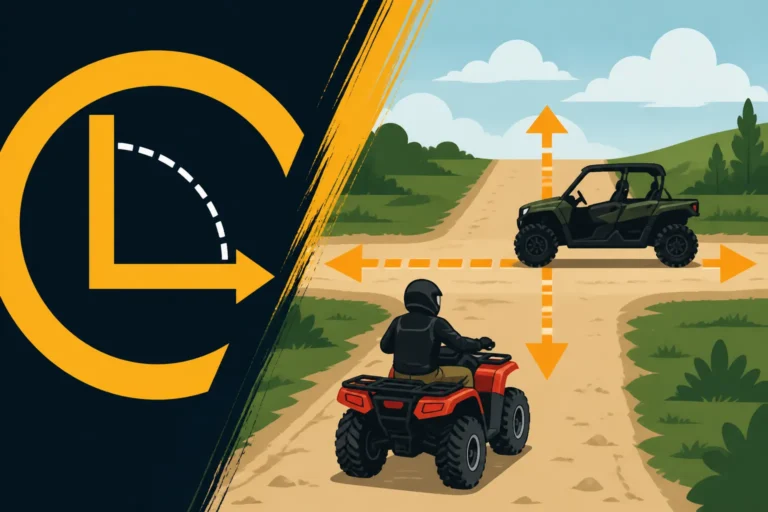
- Crossing Highways: Even brief crossings, like those mentioned in [Nebraska Crossing Rules at Ninety Degrees], still constitute road use and require proper insurance.
The takeaway is clear: if you envision even a momentary trip on a public road, ensure your insurance is up to snuff by January 1, 2027.
Common Questions and Misconceptions About ATV Insurance in Nebraska
The rules surrounding ATVs and UTVs in Nebraska can be complex, and insurance is no exception. Many riders have questions, and some common misconceptions can lead to trouble. Let's tackle a few of these head-on to provide clarity and help you navigate the system effectively.
"My ATV Isn't Registered, Do I Still Need Insurance?"
This is a fantastic question that gets to the heart of a common misunderstanding. In Nebraska, while ATVs are required to be titled through the county treasurer's office, they are generally not required to be registered in the way cars or trucks are with an annual plate and sticker. [Nebraska Titles ATVs but Does Not Register Them] explains this distinction.
However, the lack of statewide registration does not exempt you from insurance requirements if you use your ATV or UTV on public roads. The legal mandate for liability insurance is tied to the operation of a motorized vehicle on public roadways, not specifically to its registration status. So, yes, even if your ATV only has a title and no registration plate (which is the norm for most of Nebraska), you still need the proper liability insurance if you venture onto any road. The absence of a registration system simply means there's no state-level "sticker" to prove you have insurance, but law enforcement can still request proof of financial responsibility (your insurance card) if you're operating on a public road. Don't confuse the lack of registration with a lack of obligation. For more on this, check out [Do You Need to Register an ATV in Nebraska?].
What Happens If You Don't Comply
Operating your ATV or UTV on a public road in Nebraska without the legally mandated insurance coverage after January 1, 2027, can lead to serious consequences. It's not just a minor slap on the wrist.
- Fines and Penalties: Expect significant fines. These can easily run into hundreds of dollars, potentially increasing for repeat offenses.
- Court Costs: Beyond the fine, you'll likely incur court costs and administrative fees.
- License Suspension: In Nebraska, operating any motor vehicle without proper insurance can lead to the suspension of your driver's license. While an ATV isn't a car, the same principle of financial responsibility often applies.
- Impoundment of Your Machine: Law enforcement has the authority to impound your ATV or UTV if it's being operated illegally, including without proper insurance. Getting it back will involve impound fees, storage fees, and proof that you've secured the necessary insurance, all adding up to a hefty sum.
- Personal Liability: Perhaps most critically, if you are involved in an accident and are found to be at fault without insurance, you are personally on the hook for all damages and injuries. This could mean tens or even hundreds of thousands of dollars out of your own pocket, potentially leading to lawsuits, wage garnishment, and financial ruin.
These consequences, outlined in general terms in discussions around [Nebraska Penalties for Illegal Road Riding], are designed to strongly deter uninsured driving. It's simply not worth the risk to save a few dollars on premiums.
The Role of Accessories in Your Coverage
When you invest in an ATV or UTV, it’s rarely just the base model. Most riders quickly add accessories and upgrades to enhance performance, utility, or comfort. Whether it's a set of robust tires, a specialized winch, LED light bars, or performance parts from a reputable brand like SuperATV, these additions increase the overall value of your machine.
It’s vital to understand how these accessories are treated by your insurance policy:
- Standard vs. Aftermarket: Basic liability insurance won't cover your accessories. For comprehensive or collision coverage, many standard policies include a limited amount of coverage for aftermarket parts and accessories, often up to a certain dollar amount (e.g., $1,000 or $2,000).
- Additional Coverage: If you have significantly invested in upgrades, especially from companies like SuperATV, that total more than the standard accessory coverage, you will likely need to purchase additional coverage specifically for "custom parts and equipment" or "accessory coverage."
- Documentation: Keep detailed records and receipts for all your aftermarket parts. Take photos of your machine with the accessories installed. This documentation will be invaluable if you ever need to file a claim and prove the value of your added equipment.
- Valuation in a Claim: Without proper accessory coverage, an insurer might only pay out the "actual cash value" of your stock machine, leaving you to replace your expensive upgrades out of your own pocket after a theft or total loss.
When you're talking to your insurance agent about the 2027 changes, make sure to specifically discuss your accessories and their value. This ensures that your entire investment, from the chassis to the specialized SuperATV suspension components, is adequately protected.
| Insurance Component | Current Minimums (Before 2027) | New Minimums (Effective Jan 1, 2027) | What it Covers |
|---|---|---|---|
| Bodily Injury per Person | $25,000 | $50,000 | Injuries to one person in an at-fault accident |
| Bodily Injury per Accident | $50,000 | $100,000 | Total injuries in an at-fault accident |
| Property Damage per Accident | $25,000 | $50,000 | Damage to others' property in an at-fault accident |
| Applicability | For all public road use | For all public road use | Mandated by law when operating on public roads |
Disclaimer
This article is for general informational purposes only and does not constitute professional advice. Laws, prices and regulations vary by location and change over time. Consult a qualified professional for guidance on your specific situation.