Nebraska Title Without a Bill of Sale
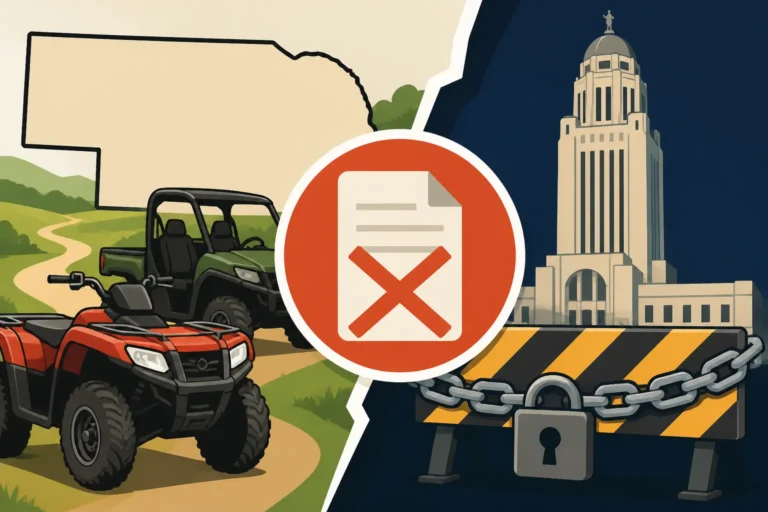
It’s a tale as old as time for many of us who love the thrill of an ATV or UTV: you find what seems like the perfect used machine, it runs great, the price is right, and you shake hands on the deal. But then, as you start thinking about making it officially yours, a cold dread sets in: there's no bill of sale. Whether it was an oversight, a lost piece of paper, or a transaction based purely on trust, trying to title your new-to-you quad or side-by-side in Nebraska without that crucial document can feel like hitting a brick wall. This guide is here to walk you through the challenging, but often possible, steps to secure a Nebraska title even when that initial bill of sale is nowhere to be found.
The Roadblock: Why a Bill of Sale Matters (and What Happens Without One)
When you purchase an ATV or UTV, especially through a private sale, the bill of sale is more than just a receipt. It's the legal document that officially transfers ownership from the seller to you, detailing the machine, the purchase price, and the date of sale. For the Nebraska County Treasurers who handle all ATV and UTV titling, this document is fundamental for several reasons, and its absence can create significant hurdles.
Proof of Ownership and Purchase Details
First and foremost, a bill of sale serves as your primary proof of ownership. Without it, you lack a clear, written record demonstrating that you legally acquired the machine. This document confirms the seller's intent to transfer the machine to you and helps prevent situations where someone might try to title a stolen ATV or a machine they don't legitimately own. The bill of sale typically includes the VIN or serial number, the make, model, and year of the ATV, the sale price, the date of transaction, and the names and signatures of both the buyer and the seller. These details are vital for the county treasurer to accurately process your title application and ensure everything is above board.
Furthermore, the purchase price listed on the bill of sale is crucial for calculating the sales tax you owe to the state. In Nebraska, sales tax is collected by the county treasurer at the time of titling, not by the private seller. If you don't have a bill of sale, the treasurer’s office has no official record of the agreed-upon price, which complicates the tax calculation significantly. They need a verifiable figure to assess the correct amount of tax due, which can be a real headache if you show up empty-handed. This is also why [Nebraska Sales Tax Collected at Titling] is such an important topic.
The Role of the County Treasurer's Office
In Nebraska, titling of ATVs and UTVs falls under the purview of your local County Treasurer's office, not the Department of Motor Vehicles (DMV). This distinction is important because while the rules are statewide, the specific processes and requirements can sometimes have minor local variations or interpretations based on your county. Each treasurer’s office is tasked with ensuring that all title applications are complete, accurate, and comply with state law. Without a standard bill of sale, they must take extra steps to verify ownership, which can involve more paperwork, additional fees, and a lot more time and effort on your part.
They are essentially the gatekeepers, making sure that every machine titled in their county has a clear chain of ownership and that all applicable taxes and fees are paid. Presenting a complete application, including a valid bill of sale, streamlines this process. When that document is missing, it raises red flags and necessitates a more thorough investigation, which is why understanding [Why the County Treasurer, Not the DMV, Titles ATVs] is key to navigating this situation.
Navigating the Titling Process Without a Traditional Bill of Sale in Nebraska
So, you’re staring at your new ATV, the engine is humming, but the paperwork is silent. Don't despair entirely. While challenging, obtaining a Nebraska title without a traditional bill of sale is often possible, but it requires patience, diligence, and working closely with your local county treasurer. The process typically revolves around proving ownership through alternative means, often involving affidavits and supporting documentation.
The Affidavit of Ownership: Your Primary Alternative
When a bill of sale is unavailable, your first and most critical step is typically to file an Affidavit of Ownership. This is a sworn legal statement that you are indeed the rightful owner of the ATV or UTV. You will state under oath that you bought the machine, providing as many details as you can recall about the transaction, including the seller's name and contact information (if known), the date of purchase, the price paid, and the circumstances surrounding the missing bill of sale. This affidavit essentially takes the place of the missing sales document by formally declaring your ownership.
You'll need to obtain the correct affidavit form from your county treasurer's office. It's crucial that you fill it out completely and accurately, providing every single detail you can remember. Any discrepancies or missing information could complicate your application. This document typically needs to be notarized, adding another layer of legal verification. Online legal document services, such as LawDepot, can sometimes offer templates for general bills of sale or affidavits that might serve as a good starting point for understanding the required information, though you should always use the specific form provided by your county treasurer. Think of this affidavit as your sworn testimony, replacing the paper trail that should have existed.
Gathering Supporting Documentation and Evidence
An affidavit alone might not always be enough, especially for higher-value machines or if there are any doubts about the machine's history. The county treasurer will want to see additional evidence to corroborate your claim of ownership. This could include a variety of documents, each adding another piece to your puzzle:
- Previous Title (if available): If you can get a copy of the previous owner's title, even if it wasn't properly signed over to you, it can help establish the chain of ownership.
- Photos of the ATV: Pictures clearly showing the machine's VIN or serial number are essential.
- Proof of Payment: Bank statements, cancelled checks, or digital payment records (like Venmo or PayPal screenshots) showing the transaction with the seller can be powerful evidence.
- Communication Records: Text messages, emails, or even social media messages between you and the seller discussing the sale.
- Witness Statements: If someone else was present during the sale, their sworn statement (affidavit) can back up your claim.
- Repair or Maintenance Records: Any receipts for parts or service performed on the ATV after you acquired it, especially if they are in your name, demonstrate possession and investment.
The more documentation you can provide, the stronger your case will be. It’s all about creating a robust narrative that leaves no doubt about your legitimate ownership. Remember, the county treasurer is looking for compelling evidence that you are the rightful owner and that the machine isn't stolen or involved in any other legal dispute.
The County Treasurer's Discretion and Bonding Requirements
It’s important to understand that while there’s a general process, each county treasurer in Nebraska has a certain amount of discretion in how they handle these cases. They are looking to protect the integrity of the titling system. In situations where a bill of sale is missing and other documentation is limited, or if the machine is particularly valuable, the treasurer might require a surety bond. A surety bond essentially protects the state and any previous owner from financial loss if it turns out the machine was stolen or there's a dispute over ownership after the title has been issued. This bond usually lasts for a certain period, like three years.
The cost of a bond varies but is typically a percentage of the ATV's value. This is an added expense you'll need to factor in. The need for a bond, its amount, and the specific requirements will be determined by your local treasurer's office. This is why a direct conversation with them is paramount. Don’t just show up with an affidavit; call them first, explain your situation, and ask exactly what they will need from you. They can give you the most accurate and up-to-date guidance for your specific county. Often, the clearer you can make the situation, the smoother this conversation will go.
Common Scenarios and Solutions for Missing Paperwork
Life happens, and sometimes a missing bill of sale isn't a reflection of shady dealings but simply an unfortunate oversight. Understanding various scenarios can help you approach your county treasurer with the right mindset and documentation.
Lost Bill of Sale (Seller is Still Available)
This is perhaps the "best-case" scenario if you don't have the original bill of sale. If you can still contact the person who sold you the ATV or UTV, reach out to them immediately. Explain the situation and ask if they would be willing to provide a duplicate bill of sale or sign a new one. Many sellers, if they are legitimate, will be happy to help you out to ensure the transfer is complete. You could even use a service like LawDepot to generate a simple, standardized bill of sale that both parties can sign, ensuring all necessary information is included.
If they're willing, this can instantly solve your problem. A freshly signed bill of sale, even if created after the fact, will be much easier for the county treasurer to accept than navigating the affidavit route. Make sure the new document includes the correct VIN, date of sale, purchase price, and both parties' signatures. This simplifies the process immensely, making it as if the initial oversight never happened. This is a far better option than dealing with [Nebraska Machines With No Paperwork].
Lost Bill of Sale (Seller is Unavailable)
This is where things get more complicated, and it’s likely the scenario that led you to this article. If the seller has moved, changed their phone number, or is simply unresponsive, you’ll have to rely heavily on the affidavit of ownership and all the supporting documentation discussed earlier. This is also where the county treasurer's discretion and the potential need for a surety bond become most relevant.
In this situation, you are essentially building a case for your ownership without direct confirmation from the seller. Therefore, every piece of indirect evidence – bank statements, old repair records, communication logs, photos of the machine from the time of purchase – becomes critically important. Be prepared for a potentially longer processing time and possibly multiple visits to the treasurer's office as they meticulously review your application. Knowing the correct steps for [How to Title an ATV in Nebraska] becomes even more crucial here.
Inherited or Gifted Machines Without Paperwork
Sometimes, an ATV or UTV might come into your possession through inheritance or as a gift, and a formal bill of sale was never created because no money exchanged hands. In these cases, the process differs slightly. For inherited machines, you would typically need documents like a death certificate, a copy of the will (if applicable), or probate court documents that transfer ownership to you. The county treasurer will be looking for legal proof that you are the rightful heir to the machine.
For gifted machines, the donor might need to provide a "Gift Affidavit" or a similar statement confirming that the ATV was given to you, often indicating a zero-dollar transaction. This helps the treasurer understand why no sales tax is being collected and why a traditional bill of sale is absent. Again, working with your county treasurer’s office will clarify their specific requirements for [Nebraska Titles for an Inherited Machine] or a gifted one.
Preventative Measures and Best Practices for Future Purchases
While you’re dealing with a missing bill of sale right now, this experience is a powerful lesson for future ATV or UTV purchases. Taking a few proactive steps can save you a world of headache and ensure a smooth titling process.
Always Get a Detailed Bill of Sale
This might seem obvious now, but it bears repeating: always, always, always get a detailed bill of sale for any private vehicle purchase. Do not leave the transaction without one. Even if you trust the seller implicitly, this document is for your legal protection. Ensure it includes:
- Full names and addresses of both buyer and seller.
- Date of sale.
- Exact purchase price.
- Complete description of the ATV/UTV: Make, model, year, and most importantly, the full Vehicle Identification Number (VIN) or serial number.
- Statement of transfer of ownership.
- Signatures of both buyer and seller.
Having a prepared template, perhaps from a reputable online service like LawDepot, can be helpful to ensure all critical fields are covered. Don't rely on a handwritten scribble on a napkin; a formal document prevents many future issues, including questions about [Nebraska Title After a Private Sale].
Verify the VIN and Check for Liens
Before you even agree to purchase, take the time to verify the VIN on the machine. Compare it to any title the seller presents. If the VIN on the machine doesn't match the title, walk away. It's also a good idea to perform a VIN check to ensure the machine isn't stolen or doesn't have any outstanding liens against it. Your county treasurer's office might be able to assist with a lien check if you have the VIN. Buying a machine with a clean history and matching paperwork is fundamental to avoiding future titling woes.
Taking a few extra minutes to confirm these details upfront can save you from a major financial and legal headache down the road. It ensures that the person selling the machine truly has the legal right to do so and that you won't inherit any nasty surprises from a previous owner.
Keep Meticulous Records
Once you complete a purchase, even with a pristine bill of sale, keep all your documentation in a safe and organized place. This includes the original title, the bill of sale, insurance documents, and any maintenance records. Consider making digital copies of everything and storing them in the cloud or on an external hard drive. This way, if physical papers get lost or damaged, you have backups.
This practice is not just for titling; it's good financial and legal hygiene for any significant asset. Should you decide to sell the machine in the future, having all your paperwork in order will make the sale much smoother for you and the next buyer, preventing them from having to navigate a situation similar to the one you might be in now. Proper record-keeping is part of responsible ownership, making processes like [Selling a Titled Machine in Nebraska] much simpler.
| Missing Document Scenario | Initial Steps | Key Evidence to Gather | Potential Challenges |
|---|---|---|---|
| Lost Bill of Sale (Seller Contactable) | Contact seller for new/duplicate bill of sale. | Signed new bill of sale (preferable to an affidavit) | Seller reluctance, timing |
| Lost Bill of Sale (Seller Unavailable) | File Affidavit of Ownership with County Treasurer. | VIN photos, payment proof, communication, witness statements, previous title (if any) | Treasurer's discretion, surety bond, processing time |
| Inherited Machine (No Bill of Sale) | Gather legal documents proving inheritance. | Death certificate, will, probate documents, gift affidavit (if applicable) | Specific county requirements, complexity of estate |
| Gifted Machine (No Bill of Sale) | Donor provides a Gift Affidavit. | Gift affidavit from donor, VIN photos, proof of previous ownership | Verification of a 'gift' vs. an unrecorded sale |
Navigating the Nebraska ATV and UTV titling process without a bill of sale can certainly be a test of patience and persistence. While it's a hurdle, by understanding the requirements for an affidavit of ownership, diligently gathering supporting evidence, and maintaining open communication with your county treasurer's office, you significantly increase your chances of successfully obtaining that much-desired title. Remember, a little extra effort now can prevent major headaches later, and a clear title ensures your enjoyment of your machine is truly worry-free.
Disclaimer
This article is for general informational purposes only and does not constitute professional advice. Laws, prices and regulations vary by location and change over time. Consult a qualified professional for guidance on your specific situation.