Out-of-State Visitors Pay $14 for a Day Permit
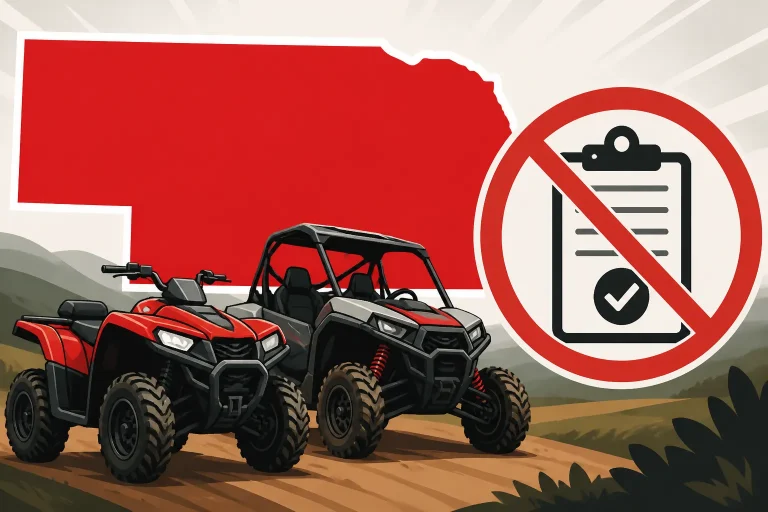
If you’re bringing an ATV or UTV into Nebraska, a day permit can sound like the ticket to ride. The important distinction: the $14 daily permit is for park entry by a vehicle, not permission to ride an ATV on trails. Here’s what the permit covers, where it does not apply, and what out-of-state visitors should check before setting out.
What the $14 Day Permit Covers
The $14 day permit refers to a Nebraska state park entry permit for a vehicle. It covers entry to the applicable park or recreation area for the day; it is not an ATV registration, trail pass, or statewide off-highway vehicle permit. Because fees can change, confirm the current price and permit rules with Nebraska Game and Parks before you travel.
For an ATV or UTV trip, the vehicle permit generally matters for the truck or other vehicle you drive into a park area. It does not make the ATV road-legal, open a closed trail, or give you permission to ride wherever you see open ground. The permit’s purpose is access for the vehicle, while riding rules depend on the specific land and trail.
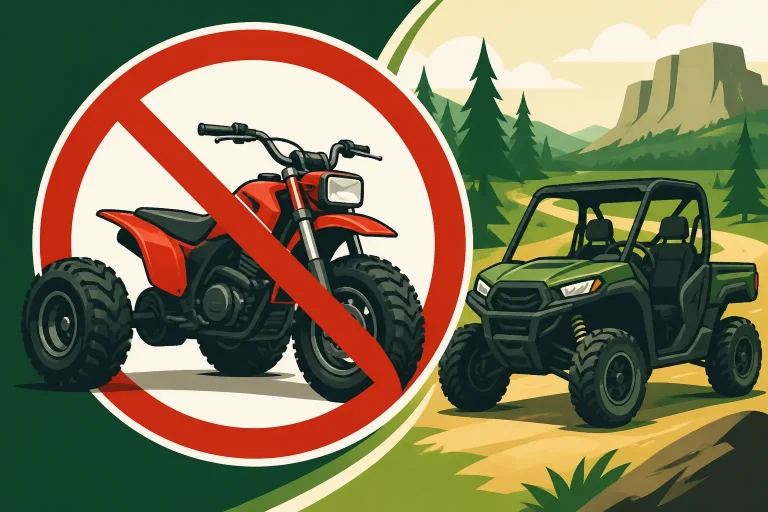
This difference is easy to miss when you’re planning a trip. A visitor may pay for park entry, unload a quad, and then discover that ATVs are not allowed on the park roads or trails. Nebraska state parks and recreation areas generally do not allow ATV riding, with a narrow exception for riding on frozen water where it is permitted. Check the area’s current rules and posted signs rather than assuming a park permit includes OHV access.
| What you’re paying for | What it generally covers | What it does not do |
|---|---|---|
| Daily park entry permit | Entry by the covered vehicle to an eligible state park or recreation area | Authorize ATV or UTV riding |
| ATV or UTV title | Records ownership under Nebraska’s title rules | Provide a trail permit or road access |
| Private riding-area fee | Access under that park’s own admission and operating rules | Grant access to nearby public land |
| Trailhead or parking fee | Parking or use of a specific facility, when required | Automatically cover other trail systems |
If your trip includes a state park because you want to camp, picnic, or use other facilities, the vehicle permit may still be relevant even if you plan to ride elsewhere. Think of it as a fee for the vehicle’s park entry—not as a riding credential. For a fuller explanation of what the permit does and does not cover, see Nebraska State Park Entry Permits and Why a Park Permit Does Nothing for Your ATV.
Do Out-of-State Riders Need a Nebraska ATV Sticker?
Nebraska does not have a statewide ATV permit or sticker that visiting riders must buy just to operate an off-highway machine. That does not mean an out-of-state registration or permit automatically opens Nebraska land to riding. Local land rules, trail-system conditions, fees, and equipment requirements still apply.
The state’s lack of a general OHV sticker is separate from any daily park entry permit. One is about whether your vehicle can enter a particular park area; the other question is whether and where you can legally ride your machine. A permit for the tow vehicle cannot answer the riding question. More details are in Nebraska Has No OHV Permit or Sticker and Do Out-of-State Riders Need a Permit to Ride?.
Nor should you assume that your home state’s ATV registration is recognized as permission to ride everywhere in Nebraska. There is no broad reciprocity arrangement that overrides land managers’ rules. A machine may be properly titled or registered where you live and still be prohibited from a Nebraska state park, wildlife management area, or other closed location.
Before traveling, identify the actual riding destination and check its requirements directly. A national forest trail system, a private OHV park, and a wildlife management area may each have different rules. Some places may require a fee or have vehicle-specific restrictions; others may not permit ATV use at all. The relevant question is not simply, “Do I have a permit?” but, “Does this permit apply to this land, this vehicle, and this activity?”
Where You Can Ride—and Which Fees May Apply
Nebraska’s riding opportunities are spread across different types of land, and each has its own access rules. The day park permit should not be treated as a general pass for all of them.
State parks and recreation areas
A state park entry permit may be needed for the truck entering a park, but it does not make ATV riding permissible there. Nebraska state parks are generally closed to ATVs, and recreation areas also have restrictions. If a trip includes a park visit as well as a separate riding destination, plan those as two different activities and verify the vehicle-entry requirement for the park.
The frozen-water exception is not a general invitation to ride on a lake. It depends on the location, conditions, and rules in effect. Look for current signs and official area guidance. A place that was open for ice riding under particular conditions may be closed at another time.
National forest trails and other public riding areas
Some national forest routes and designated OHV trail systems do allow riding, but access is tied to the area’s specific rules. Parking charges, seasonal closures, trail conditions, machine-size limits, and other requirements may differ from one trailhead or riding area to another. Do not assume that paying a state park entry fee covers parking or riding at a forest trailhead.
For instance, visitors considering the Halsey area can check Nebraska National Forest Riding and Nebraska Trail Fees Worth Checking before loading up. Confirm the current trail status and access details with the land manager, especially if weather, maintenance, or seasonal restrictions could affect your route.
Wildlife management areas are another distinct category. Riding may be restricted to designated roadways or prohibited except under a stated exception, such as certain frozen-water access. A public map or an open gate does not necessarily mean the route is open to motorized riding. See Which Public Land a Visitor Can Ride in Nebraska for a starting point, then confirm the rules for the particular area.
Private parks and riding areas
A private riding park sets its own entry requirements. Its fee, permitted machine types, opening schedule, waiver process, age rules, and equipment requirements may be different from those at public sites. A state park permit does not replace the private park’s admission charge, and a private park pass does not authorize riding on surrounding public or private land.
Before you head out, check whether the park accepts your machine type and whether it requires advance booking, a signed waiver, or specific safety equipment. If you are traveling with children or a group, verify those details for every rider rather than assuming one person’s admission covers the whole party.
How to Plan a Trip Without Paying for the Wrong Permit
A little planning can prevent a wasted drive, a parking surprise, or an unpleasant conversation at a trailhead. Use this sequence before leaving home:
- Choose the riding area first. Find the named trail, park, or property where you plan to unload and ride. “Near a state park” is not specific enough to establish that ATV use is allowed.
- Check whether the land allows your machine. Confirm that ATV or UTV use is permitted, and ask about any vehicle-width, route, season, or operating restrictions.
- Separate riding access from vehicle entry. If you will enter a state park or recreation area in your truck, find out whether the truck needs a daily park permit. Do not treat that permit as an ATV trail pass.
- Ask about every fee that applies. A riding fee, trailhead parking charge, private-park admission, and park entry permit may be separate. Check current amounts with the relevant official source or operator.
- Confirm the rules for an out-of-state machine. Bring proof of ownership and any documents normally required for your machine, but do not assume that a home-state credential provides permission to ride on Nebraska land.
- Check conditions close to departure. Trails may close or become unsuitable because of weather, maintenance, fire restrictions, or seasonal rules. Recheck official updates and signs before unloading.
- Keep confirmation details handy. Save the area’s contact information, directions, and permit or fee instructions. Cell service may be limited at some trailheads, so having details available offline can help.
If your route includes more than one riding area, repeat the checks for each one. Rules at a state park do not carry over to a national forest trail, and an operator’s rules at a private park do not apply to public land nearby. For a broader explanation of the visitor question, see Do Out-of-State Riders Need a Permit to Ride?.
The main takeaway is simple: the $14 day permit is for park entry by a vehicle, not a general ATV riding pass. It may be relevant if your truck enters a state park or recreation area, but it does not authorize riding there or at other locations. Verify the current fee, the vehicle it covers, and the rules at your chosen riding destination before you travel.
Disclaimer
This article is for general informational purposes only and does not constitute professional advice. Laws, prices and regulations vary by location and change over time. Consult a qualified professional for guidance on your specific situation.