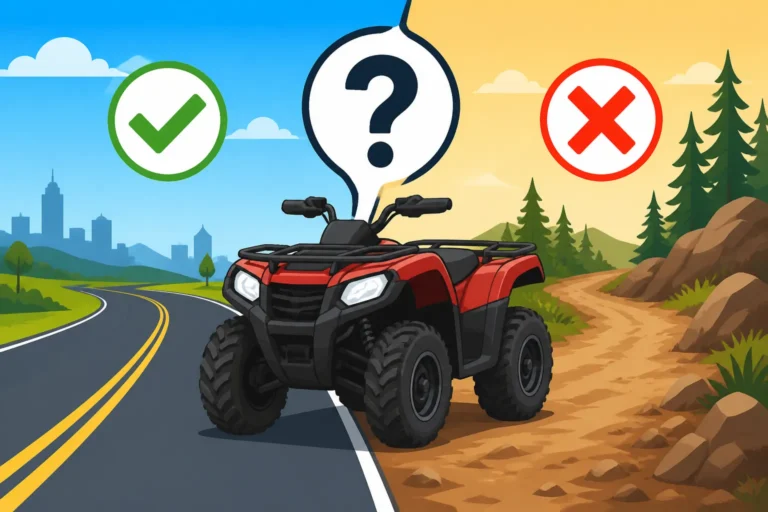
Sunrise to Sunset Only
There’s nothing quite like the freedom of cruising down a gravel road on your ATV or UTV, feeling the wind and enjoying the wide-open Nebraska sky. But let’s be honest, figuring out exactly when you can legally do that can feel like deciphering ancient scrolls. Many riders get frustrated trying to understand the nuanced rules around road use, especially when it comes to the clock. This guide will shine a light on one of the most fundamental, and sometimes misunderstood, rules for ATV and UTV use on Nebraska public roads: the requirement to ride only from sunrise to sunset, with a very specific exception.
Understanding Nebraska's Daylight Riding Rule
One of the most straightforward, yet often overlooked, regulations for operating an ATV or UTV on authorized Nebraska roads is the "sunrise to sunset" rule. This isn't just a suggestion; it's a legal requirement designed to enhance safety for everyone on the road. It means your opportunities for legal road travel are tied directly to natural light.
The "Sunrise to Sunset" Mandate for ATVs and UTVs
For the vast majority of ATV and UTV use on Nebraska roads, the law is very clear: you must operate your machine between sunrise and sunset. This means if the sun hasn't fully cleared the horizon in the morning, or if it's dipped below in the evening, you shouldn't be on a public road with your machine. This rule is in place for several critical safety reasons, primarily visibility. While your ATV might have headlights, they often don't provide the same level of illumination or allow you to be seen from the same distance as a passenger vehicle. Drivers of cars and trucks might not expect an ATV or UTV to be on the road, especially after dark, which dramatically increases the risk of an accident. It's a common point of confusion for new riders, who often assume that if their machine has lights, they're good to go anytime. Unfortunately, that's not the case here in Nebraska for regular road use. You'll find this fundamental guideline woven into the very fabric of Nebraska's ATV road laws under 60-6,356. For more on the general rules, check out [Nebraska ATV Road Rules Under 60-6,356].
Imagine you've just finished a long day of farm work, maybe checking fences or moving cattle, and the sun is starting to dip. You're a mile or two from home on a county gravel road. The temptation to just ride on home, even in the dim twilight, can be strong. However, that's exactly the kind of situation where this rule applies. Even if you know the road like the back of your hand, other drivers might not see you, and you could face a citation. It’s always best to plan your trips, especially those involving public roads, to ensure you’re well within those daylight hours.
The Snow Removal Night Exception
Now, every rule seems to have an exception, and Nebraska's sunrise-to-sunset mandate for ATVs and UTVs is no different. There is one specific scenario where you are legally permitted to operate your machine on public roads after dark: for the purpose of snow removal. This exception makes a lot of sense, especially for folks in rural areas who rely on their ATVs or UTVs to clear driveways, private lanes, and even sometimes short stretches of public road when authorized by local authorities.
This isn't a blanket pass for joyriding at night once the snow falls. It's strictly for the act of snow removal. If you're out plowing your driveway or helping a neighbor clear theirs, and you need to traverse a road to get from one property to another, the law allows for this. However, it's crucial that your machine is properly equipped with all necessary lighting to make you as visible as possible. This means functional headlights, taillights, and ideally, auxiliary lighting that highlights your presence and the work you're doing. Without this exception, many rural Nebraskans would be in a tough spot during winter storms, unable to use one of their most effective tools for snow management. For more details on this specific allowance, you can read [Nebraska Snow Removal Night Exception]. Just remember, this isn't an invitation to cruise under the stars; it's a practical allowance for a specific, necessary task.
Why Daylight Hours Are So Crucial for ATV/UTV Road Use
The emphasis on daylight riding isn't arbitrary; it's rooted deeply in safety considerations for both ATV/UTV operators and other motorists. The differences in design and operation between off-highway vehicles and standard automobiles create unique challenges, especially after dark.
Visibility and Safety Concerns
Think about it: an ATV or UTV is generally much smaller and lower to the ground than a pickup truck or SUV. This reduced profile makes them inherently harder to see, especially at dusk, dawn, or night. Headlights on these machines, while effective for illuminating trails, often aren't designed to project the same broad, high-intensity beam that a car's headlights do, nor are they typically positioned at a height that registers easily in another driver's field of vision, especially if that driver is distracted or fatigued.
Furthermore, taillights can be obscured by mud, dust, or even attachments like small trailers or plows. When you add the variable speed and maneuverability of an ATV – which can differ significantly from typical road vehicles – the recipe for a dangerous situation after dark becomes clear. Many accidents involving ATVs on roads happen because other drivers simply "didn't see" the machine. Even the best aftermarket lighting from brands like SuperATV can't completely overcome the inherent challenges of size and unexpected presence after dark. This is why the rule [Sunrise to Sunset Only] is so critical for rider safety.
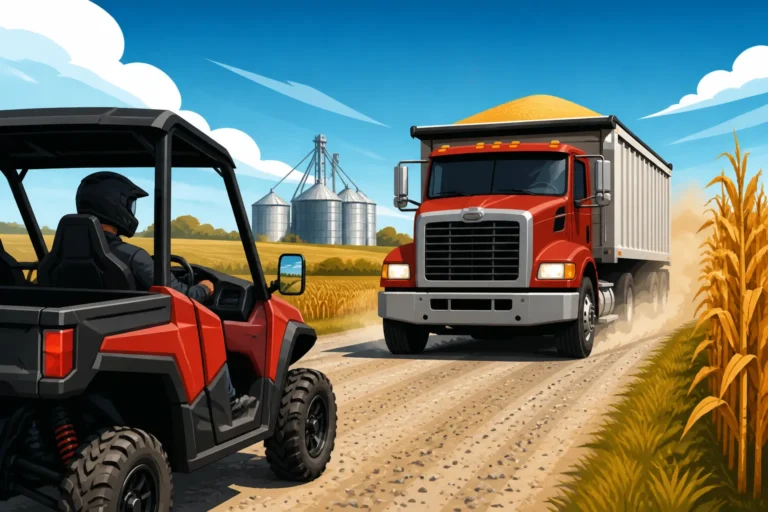
Imagine a farmer making a quick trip down a county road at twilight to check on cattle in a far pasture. The tractor-trailer coming the other way, with its bright lights, might totally overshadow the smaller, lower-to-the-ground ATV. Even with caution, the risk is significantly higher. The law attempts to mitigate this by restricting road travel to when natural light provides the best possible visibility, giving everyone a better chance to see and react to each other.
Legal Ramifications of Night Riding
Beyond the obvious safety concerns, ignoring the sunrise-to-sunset rule can lead to some unwelcome legal troubles. Getting caught operating your ATV or UTV on a public road outside of these designated hours (and not performing snow removal) will likely result in a citation. This isn't just a slap on the wrist; it can come with fines, court costs, and potentially points on your driving record, depending on how the violation is processed by local law enforcement.
Think of the hassle: you'd have to deal with a court date, pay fines that could easily cut into your fun money, and potentially face increased insurance premiums if it's deemed a moving violation. It's a quick way to turn a relaxing evening ride into a headache. Law enforcement takes these rules seriously because they are fundamental to public safety. They are not just trying to make your life difficult; they are enforcing regulations designed to prevent serious accidents. Understanding the letter of the law can save you a lot of grief. For a deeper dive into potential consequences, consider reading [Nebraska Penalties for Illegal Road Riding]. It’s always cheaper and safer to follow the rules than to face the consequences later.
Essential Equipment for Legal Road Riding (Day or Night Exception)
While the daylight rule dictates when you can ride, certain equipment is mandatory for any road use, particularly if you are taking advantage of the snow removal exception or if you're riding in a locality with specific ordinances. Having your machine properly outfitted is not just about compliance; it's about making yourself visible and safe.
Lighting Requirements Beyond Daylight
Even though regular road riding is restricted to daylight hours, the snow removal exception allows for night operation. When operating during this exception, your lighting becomes paramount. Nebraska law requires that any ATV or UTV operating on a public road, even during daylight, must have at least one headlamp that illuminates at least 50 feet ahead and a taillamp visible from at least 500 feet to the rear. This applies whether it's bright noon or the middle of a snowy night.
For night operation during snow removal, you should really go above and beyond these minimums. Consider adding auxiliary LED light bars, like those offered by SuperATV, which can dramatically improve your forward visibility and make your machine more noticeable to other vehicles. Rear-facing lights, or even flashing amber lights, can also be a huge asset when you're moving slowly or stopped to clear snow. Remember, the goal is to be seen. Having bright, functional lights not only helps you see where you're going in the dark but, more importantly, ensures that other drivers on the road can see you from a safe distance. Neglecting proper lighting, especially when operating at night under the snow removal exception, could turn a legal activity into a dangerous and illegal one. You can find more information about these requirements in [Nebraska Lighting Statute 60-6,357].
The Importance of a Safety Flag
Another piece of equipment that is absolutely critical for any ATV or UTV operating on a public road in Nebraska is the safety flag. This is not optional, and it's something deputies will look for. The law specifies that your machine must display a safety flag that is at least 5 feet above the ground on a pole, and the flag itself needs to be day-glow orange and at least 30 square inches in size.
Why such specific requirements for a flag? Because it significantly increases your visibility to other drivers, especially on rolling terrain, over hills, or when sharing the road with taller vehicles like trucks and tractors. Even in bright daylight, an ATV or UTV can disappear behind a slight rise or a roadside ditch. The flag extends above the machine, providing an extra visual cue that something is there. Without this flag, you're not only putting yourself at greater risk but also opening yourself up to a ticket. It’s a simple, inexpensive safety measure that makes a big difference in how well you are seen. Make sure your flag is securely mounted and meets the size and color requirements to avoid any issues. For details on flag requirements, see [Nebraska's 5-Foot Safety Flag Rule].
Planning Your Road Trips Within Legal Limits
Navigating the complexities of ATV and UTV road laws requires careful planning. You can't just hop on and go; you need to understand the big picture, especially regarding where and when you're allowed to ride.
How Local Ordinances Might Impact Riding Times
While the state law mandates sunrise to sunset for general road use, it's incredibly important to remember that local ordinances can, and often do, add another layer of rules. Many Nebraska cities and even some counties have their own specific laws regarding ATV and UTV use on their streets and roads. Some might open certain streets to ATVs, but these local rules often come with additional restrictions, including specific hours of operation that could be even tighter than the state's sunrise-to-sunset rule.
Before you ever consider riding your ATV or UTV on a public street or road within city limits or an unincorporated village, you absolutely must check with that local municipality. What's legal in one town might be completely prohibited, or have different time restrictions, in the next. You can often find this information on the city's official website, or by calling the city clerk's office or the local sheriff's department. Don't assume. Ignorance of a local ordinance is not a valid excuse if you get pulled over. Always do your homework. For more on local rules, read [Nebraska Cities That Adopt ATV Ordinances].
For example, a city might allow ATVs on certain streets but only between 9 AM and 5 PM, which is a much narrower window than sunrise to sunset. Or they might have specific regulations about noise or how the machine must be registered with the city itself. These local rules are critical and supersede the general state guidance for their specific jurisdiction.
Best Practices for Safe and Compliant Riding
To truly enjoy your ATV or UTV on Nebraska's permissible roads without constantly looking over your shoulder for law enforcement, adopt some best practices. First and foremost, always carry proof of ownership and insurance, especially if you're on a road where liability coverage is required. Second, ensure your machine is in excellent working order: brakes are good, tires are properly inflated, and all required lighting and your safety flag are functional and correctly displayed. A brand new light bar from SuperATV won't do you any good if it's not wired correctly!
Beyond the equipment, your riding behavior is key. Always ride defensively, assuming other drivers don't see you. Obey all traffic laws, including speed limits, stop signs, and yield signs. Signal your turns when possible. And, of course, strictly adhere to the sunrise-to-sunset rule, or the specific hours allowed by a local ordinance. If you're using the snow removal exception, make sure it's genuinely for that purpose and that your machine is fully illuminated. These machines are designed for off-road fun, and when you bring them onto public roads, you take on the added responsibility of sharing that space safely and legally with everyone else. Planning one trip to the county treasurer to title your machine, and making sure all your paperwork is in order, is a great start. For general advice on preparing for your ride, consider [Planning One Trip to the Treasurer's Counter].
Remember, the goal is to enjoy your machine responsibly and legally, avoiding accidents and citations.
| Rule Category | Nebraska ATV/UTV Road Rules | Exception/Notes |
|---|---|---|
| Operating Hours | Sunrise to Sunset Only | Snow Removal: Permitted after dark for genuine snow removal operations. |
| Lighting | Headlight (visible 50 ft ahead) and Taillight (visible 500 ft rear) required. | Essential for any road use, critical for snow removal exception. |
| Safety Flag | Required. 5 ft high, day-glow orange, 30 sq inches. | Increases visibility, especially on varied terrain. |
| Speed Limit | Max 30 mph. | Adhere to posted limits, even if lower than 30 mph. |
| Crossing Roads | Must be at 90-degree angle, with complete stop, yielding to all traffic. | Divided highways only at intersections. |
| Licensing | Class O operator's license or farm permit required. | Minimum age for a Class O license applies. |
| Insurance | Liability insurance required for road use (minimums apply). | Not required for off-road use only, but always recommended. |
| Local Ordinances | Cities/Counties may have additional rules (e.g., specific streets, stricter hours, local registration fees). | Always check local rules before riding. |
| Road Types Banned | State highways and controlled-access highways (e.g., interstates). | Farm use exceptions for crossing specific highways may apply under strict conditions. |
| Passenger Rules | Generally, no more passengers than manufacturer designed for, and only if equipped with proper seating and handholds. | Youth riders have additional age and supervision rules. |
Disclaimer
This article is for general informational purposes only and does not constitute professional advice. Laws, prices and regulations vary by location and change over time. Consult a qualified professional for guidance on your specific situation.