Tax Paid at Titling Since 2014
It can be incredibly frustrating to buy an ATV or UTV in Nebraska and then feel completely lost when it comes to paying sales tax. You’ve likely heard different things from friends, maybe a dealer, and suddenly you’re wondering where and when you're supposed to hand over that money. This guide is here to clear up that confusion, specifically addressing how sales tax is handled at the time of titling, a process that saw some significant changes back in 2014, making things much simpler but still leaving some folks scratching their heads.
The Nebraska ATV Sales Tax Shift: What Changed in 2014?
Before 2014, the process for paying sales tax on an ATV or UTV in Nebraska could feel like a bit of a moving target. It wasn't always as clear-cut as it is today, and that led to a lot of questions and sometimes even headaches for new owners trying to do everything by the book.
Before 2014: A Different Collection Point
In the years leading up to 2014, the rules around ATV sales tax in Nebraska sometimes depended on where you bought your machine and even who you bought it from. If you purchased from a dealer, they might have collected the state sales tax at the time of sale, much like they would for a car or truck. However, this wasn't always consistent, and if you bought from a private seller, the responsibility often fell on you, the buyer, to figure out where and how to pay it later. This could mean a separate trip to the Department of Revenue, or perhaps it was handled in a less centralized way by county offices. The lack of a uniform system across all sales and scenarios created unnecessary complexity and left many buyers unsure of their obligations. It wasn't uncommon for people to purchase a machine, ride it for a while, and then realize they still hadn't squared away the sales tax, leading to potential penalties down the line.
The New Era: County Treasurers Take the Helm
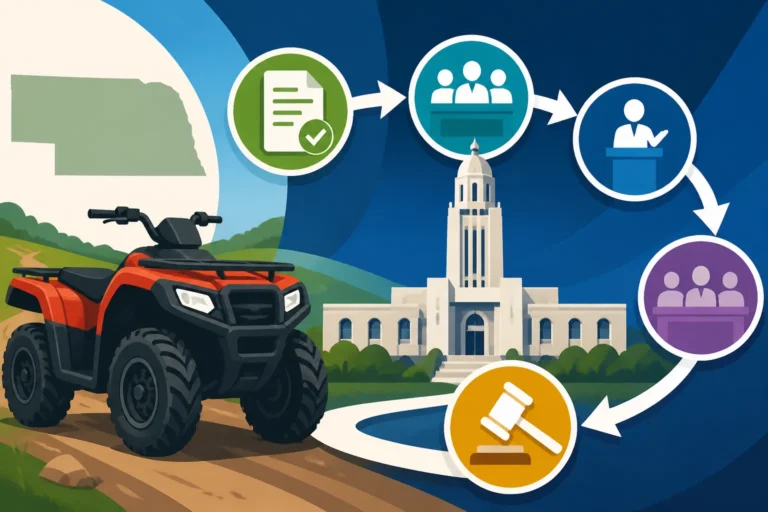
Effective October 1, 2014, Nebraska made a crucial change that streamlined the entire process. The state Legislature amended the law, making it mandatory for all sales tax on ATVs and UTVs to be collected directly by the [Nebraska County Treasurers Handle ATV Titles] at the time of titling. This was a significant shift because it created a single, consistent point of collection for everyone, regardless of whether they bought their machine from a dealer or a private individual. The idea was to simplify compliance, ensure fair collection, and make it easier for new owners to complete all their necessary paperwork in one go. Now, when you head to your county treasurer's office to get your title, the sales tax calculation and payment are an integral part of that same transaction. This eliminates the guesswork and the need for separate visits to different government agencies, saving you time and reducing potential errors.
What This Means for Your Purchase
For you, the buyer, this change means a much more straightforward experience. When you purchase an ATV or UTV in Nebraska, whether it's [Nebraska Machines Bought New After 2004] or through [Nebraska Titles After a Private Sale], you will not pay the state sales tax directly to the seller or the dealer (unless they are also handling the titling paperwork on your behalf, which is common for new machine sales). Instead, you will pay the sales tax directly to your county treasurer when you apply for your title. This ensures that the tax is assessed accurately based on the purchase price you declare on [Nebraska Form 6ATV Explained] and that it’s collected efficiently. This consolidated approach makes it clear that the act of titling and paying sales tax are inextricably linked, preventing many of the compliance issues that arose under the previous system.
Understanding How Sales Tax Works for Nebraska ATV Titling
Even with the streamlined process, it's essential to understand the nuances of how sales tax is calculated and applied to your ATV or UTV purchase in Nebraska. It’s not just a flat percentage of the price tag; several factors can influence the final amount you pay.
The State Sales Tax Rate and Local Add-Ons
When you purchase an ATV or UTV in Nebraska, you'll be subject to the state's general sales tax rate. However, that's usually not the end of the story. Many cities and counties in Nebraska have their own local sales taxes, which are added on top of the state rate. These local taxes vary depending on where you reside and where the machine will be primarily "garaged" or used. This is why the county treasurer collects the tax where you live – they are responsible for collecting both the state and any applicable local sales taxes that apply to your specific location.
Imagine you live in a city that has a 1.5% local sales tax, and the state rate is 5.5%. Your total sales tax burden would be 7% of the taxable purchase price. This can sometimes catch buyers off guard, as they might only budget for the state rate. It's always a good idea to check with your local county treasurer's office or their website to confirm the exact combined sales tax rate for your specific address before you head in to title your machine. Being prepared means no surprises at the counter.
Calculating Taxable Value: Trade-Ins and Rebates
One of the most common questions people have is about how trade-ins and manufacturer rebates affect the sales tax they pay. Thankfully, Nebraska law allows for some deductions that can reduce your taxable amount.
When you trade in an older ATV or UTV as part of your new purchase, the value of that trade-in can be deducted from the purchase price of the new machine before sales tax is calculated. This is a significant benefit, as it means you're only paying sales tax on the net difference. For example, if you buy a new quad for $10,000 and trade in your old one for $4,000, you'll only pay sales tax on $6,000. It's crucial that the [Nebraska Trade-In Credit at Titling] is clearly itemized on your bill of sale or purchase agreement to ensure it's correctly applied when you fill out Form 6ATV.
Similarly, if you receive a manufacturer's rebate on your new ATV or UTV, that amount can also reduce the taxable value. [Nebraska Rebates Deducted Before Tax] means that if you get a $500 rebate on a $10,000 machine, your taxable amount might be calculated on $9,500, assuming no trade-in. Again, ensure this rebate is properly documented by the dealer or seller so you can claim it when paying your sales tax. These deductions are important to understand because they can save you a noticeable amount of money on your tax bill.
The Crucial Role of Form 6ATV
When it comes time to title your ATV or UTV, [Nebraska Form 6ATV Explained] becomes your best friend. This form, officially known as the "ATV/UTV Sales Tax and Title Application," is the document where you declare the purchase price, any trade-in value, and ultimately calculate the sales tax due. Both the buyer and the seller (for private sales) or the dealer (for new machine sales) typically need to complete and sign portions of this form.
It's vital to fill out Form 6ATV accurately and completely. This form is what the county treasurer will use to assess the sales tax owed. If you’re buying from a private party, ensure that the purchase price stated on the form reflects the actual amount you paid, and that any trade-in values are correctly listed. If you use a resource like LawDepot to create a robust bill of sale for a private transaction, make sure the figures on that document align with Form 6ATV to prevent discrepancies. Discrepancies can lead to delays or questions from the treasurer's office. Think of Form 6ATV as your official declaration to the state regarding your purchase, and it's the primary tool for [Nebraska Sales Tax Collected at Titling].
Your Trip to the County Treasurer: Paying the Tax and Titling
Heading to the county treasurer's office might seem a bit daunting, but with the right preparation, it can be a smooth and quick process. This is the moment where all the paperwork comes together, and you officially become the titled owner of your new machine.
What to Bring to the Counter
Preparation is key to a hassle-free visit. You don't want to get to the front of the line only to realize you've forgotten a critical document. Here's a general checklist of [What to Bring to the County Treasurer's Window] when you're ready to title your ATV or UTV and pay the sales tax:
- Manufacturer's Statement of Origin (MSO) or Previous Title: If it's a new machine, you'll have an MSO from the dealer. If it's a used machine, you'll need the original, properly signed-over title from the previous owner.
- Bill of Sale: For private sales, a detailed bill of sale signed by both buyer and seller is essential. If you prepared this using a service like LawDepot, ensure all required fields are complete and accurate.
- Nebraska Form 6ATV: As discussed, this is your sales tax and title application. Have it filled out as completely as possible before you arrive, but don't sign it until you're instructed to by the clerk, as some forms require witnessing.
- Proof of Identification: A valid driver's license or state ID.
- Proof of Address: This might be your driver's license, a utility bill, or other official mail if your license doesn't reflect your current residential address. This is important for determining local sales tax rates.
- Payment for Fees and Taxes: This includes the sales tax, the title fee, and any other minor administrative charges. Ensure you have sufficient funds in an accepted payment method (often cash, check, or debit/credit card, though card fees may apply).
Double-checking this list before you leave home will save you a world of frustration and potentially a second trip.
The Payment Process: Expect to Pay Upfront
When you present your documents to the clerk at the county treasurer's office, they will review everything, calculate the final sales tax based on your declared purchase price and applicable deductions, and then combine that with the standard title fee. All these fees are typically due at the same time, right then and there. This aligns with the "Tax Paid at Titling Since 2014" rule, ensuring a single point of transaction.
The clerk will process your payment, issue you a receipt, and provide you with a temporary registration or a copy of your title application. Your official title document will usually be mailed to you within a few weeks. It's a system designed for efficiency, so as long as your paperwork is in order and you have your payment ready, the process should be fairly quick. Remember, if you’re financing your machine, the lienholder will often receive the title directly, so confirm those arrangements beforehand.
Avoiding Common Pitfalls: Missing Paperwork or Funds
The biggest hurdle many people face is incomplete or incorrect paperwork. If your previous title isn't properly signed, or if there's a missing signature on your bill of sale, or even if Form 6ATV has a blank field, the treasurer's office cannot process your title or collect the tax. This will mean you'll have to go back to the seller or dealer to get the corrections made, which can lead to frustrating delays, especially if you're trying to meet the [Nebraska Titles Within 30 Days of Purchase] deadline.
Another common issue is simply not having enough money to cover the total costs. Remember, you'll owe the sales tax (state + local), plus the title fee. These amounts can add up, especially on a new or higher-priced machine. If you don't have the full amount, your title and tax payment cannot be processed. This is why it's so important to call ahead or check your county treasurer's website to confirm the exact local sales tax rate and understand all the associated fees. Being prepared financially is just as important as having all your documents in order to avoid being told, "Sorry, we can't help you today." If you miss the deadline, you might incur penalties, so prompt action is always best.
Special Scenarios and Exceptions
While the general rule of paying sales tax at titling is straightforward, some unique situations can arise that require a bit more understanding. These exceptions or specific scenarios are important to consider so you're not caught off guard.
Out-of-State Purchases and Use Tax
It's common for Nebraskans to buy ATVs or UTVs from a dealer or private seller in a neighboring state like Iowa, Kansas, or Colorado. While you might not pay sales tax to that out-of-state seller, you're not off the hook entirely. When you bring that machine into Nebraska, you become subject to Nebraska's "use tax." This [Nebraska Tax on an Out-of-State Purchase] is essentially the equivalent of sales tax, ensuring that vehicles brought into the state from elsewhere are taxed fairly, just like those purchased within Nebraska.
The process for paying use tax is the same as sales tax: you'll pay it to your county treasurer at the time you title the machine in Nebraska. The same state and local rates apply, and you'll still need to complete Form 6ATV, declaring the purchase price. The main difference is the terminology. The intention is to prevent people from avoiding Nebraska sales tax by simply buying their machines across state lines. So, if you're planning on purchasing your dream quad from a dealer in Council Bluffs, just know that Nebraska will be collecting its due when you bring it home and head to the county office.
Gifts, Inheritances, and Auctions
Not every ATV or UTV changes hands through a traditional sale. Sometimes, a machine is received as a gift, inherited after a family member passes away, or purchased at an auction. The sales tax rules for these scenarios can vary.
- Gifts: If you receive an ATV or UTV as a genuine gift, where no money or other valuable consideration changes hands, you may be exempt from sales tax. However, you'll still need to title the machine in your name. You'll typically need an affidavit or a detailed bill of gift (which you can draft using a service like LawDepot) stating that it was a gift and confirming no payment was made. The treasurer's office will review this to ensure it's a true gift and not a disguised sale. It's still crucial to declare the fair market value on Form 6ATV, even if no tax is collected, for valuation purposes. This falls under [Nebraska Tax on a Gifted Machine].
- Inherited Machines: When you inherit an ATV or UTV, the transfer of ownership often follows different rules, and sales tax is typically not assessed. You'll need documentation like a death certificate, the will, or a small estate affidavit to prove your right to the machine. You'll then apply for a new title in your name, but usually without sales tax being a factor. This addresses [Nebraska Tax on an Inherited Machine].
- Auction Buys: Machines purchased at an auction are generally subject to sales tax, just like any other private sale. The winning bid amount is considered the purchase price. You'll need an invoice or bill of sale from the auction house, and you'll declare this amount on Form 6ATV when you title the machine. This is how [Nebraska Tax on an Auction Buy] is handled.
In all these cases, communication with your specific county treasurer's office before your visit is highly recommended. They can confirm the exact documentation needed and clarify any tax implications.
Understanding Dealer "Doc Fees" vs. Sales Tax
When you buy a new ATV or UTV from a dealership, you'll likely encounter several additional charges beyond the sticker price. One common charge is a "documentary fee," often called a "doc fee." It's critical to understand that this fee is completely separate from the sales tax you pay to the county treasurer.
A dealer's [Nebraska Dealer Documentary Fees] are administrative charges for processing paperwork, handling title applications, preparing loan documents, and other overhead associated with the sale. These fees are paid directly to the dealer and are negotiable to some extent, though many dealerships have a standard, non-negotiable doc fee. While they add to your overall cost, they are not sales tax. The sales tax is calculated by the county treasurer on the purchase price of the ATV itself, before adding dealer fees. So, don't confuse the two, and make sure you understand each line item on your dealer's purchase agreement. Knowing the difference helps you budget correctly and ensures you're not paying sales tax twice on the same portion of the transaction.
Here’s a quick overview of how the sales tax collection process has evolved:
| Feature | Pre-October 2014 | Post-October 2014 (Current) |
|---|---|---|
| Sales Tax Collection | Variable (dealer or buyer's responsibility) | County Treasurer at time of titling |
| Collection Point | Often separated from titling | Integrated with titling |
| Buyer's Responsibility | Figure out where/when to pay | Pay to Treasurer when applying for title |
| Required Form | Less standardized, varied | [Nebraska Form 6ATV Explained] is central |
| Trade-In/Rebate Credit | Applied inconsistently | Clearly defined on Form 6ATV |
| Out-of-State Purchase | Use tax still applied, but collection varied | Use tax collected by Treasurer at titling |
This article is for general informational purposes only and does not constitute professional advice. Laws, prices and regulations vary by location and change over time. Consult a qualified professional for guidance on your specific situation.