Liability Coverage Required on a Road
One of the biggest head-scratchers for ATV and UTV owners in Nebraska is figuring out when you actually need insurance for your machine, especially if you ever plan to put a tire on a public road. It’s a common source of anxiety, making many riders hesitant to explore certain routes or even move their machines between properties. This guide is designed to cut through that confusion, explaining exactly when liability coverage is required by Nebraska law for your ATV or UTV, what those requirements mean, and how to make sure you’re always riding responsibly and legally.
The Basics of Nebraska ATV/UTV Road Use and Insurance
Let's be real, the world of ATVs and UTVs often feels like a wild west of regulations. You hear different things from different people, and trying to decipher the actual laws can be enough to make your head spin. But when it comes to riding on Nebraska's public roads, there's a very clear line drawn in the sand: liability insurance. It's not optional for road use, and understanding this fundamental fact is your first step toward stress-free riding.
When Is Insurance Actually Required for Your Machine?
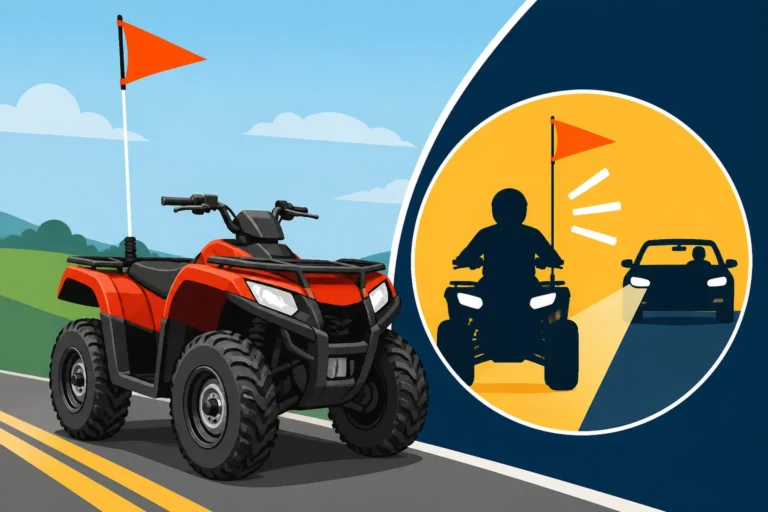
Here’s the simple truth: if your ATV or UTV touches a public road, even for a quick crossing or a permitted cruise down a city street, you are required by Nebraska law to have liability insurance. This isn't just about protecting yourself; it's about protecting others. Imagine a scenario where you're just trying to get from one field to another, and you have to cross a county road. A moment's lapse, an unexpected turn, and suddenly you've clipped a passing car. Without liability insurance, you could be facing a financial disaster. It's a heavy burden to carry, and one that proper insurance is designed to lift.
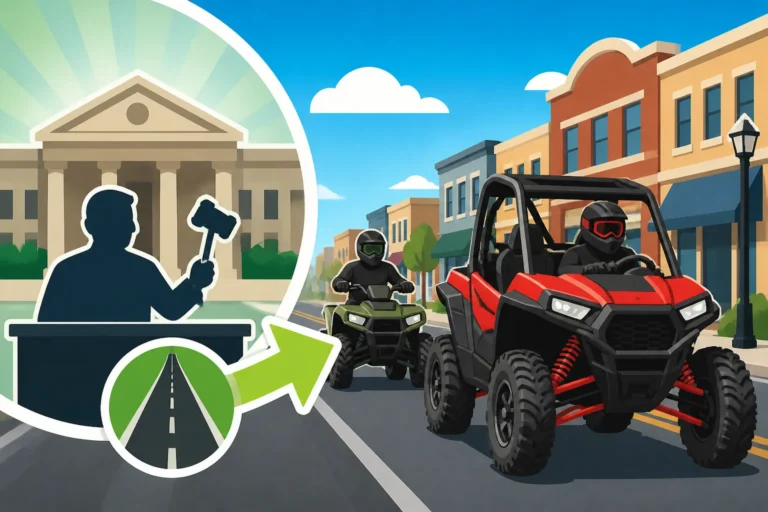
Many riders mistakenly think that because ATVs aren't typically "registered" in the same way a car is, they're exempt from insurance requirements. This simply isn't the case for road use. The state recognizes the inherent risks of operating any motor vehicle on a public thoroughfare, and that includes your quad or side-by-side. Whether you're making a lawful [Ninety Degrees and a Late Trip] crossing of a highway or cruising through an [Nebraska City Ordinances That Open Streets] designated street, that liability coverage needs to be in force. Think of it as your safety net, not just for you, but for everyone else on the road.
Understanding Nebraska's Minimum Liability Requirements
So, what does "liability insurance" actually mean in Nebraska for an ATV or UTV on a public road? It refers to specific minimum amounts of coverage for bodily injury and property damage. These aren't just arbitrary numbers; they're designed to provide a baseline of protection in case of an accident where you are deemed at fault. Without getting into specific dollar figures that change over time, these minimums are usually expressed as a series of three numbers. The first number represents the maximum amount your policy will pay for bodily injury to one person in an accident. The second number is the maximum for all bodily injuries in a single accident. And the third is the maximum for property damage.
For example, if you were to have an accident on a county road, and you were at fault, your liability coverage would kick in to help cover the medical expenses of anyone injured in the other vehicle, as well as the costs to repair their damaged property. Knowing these numbers, and understanding what they cover, is crucial. It’s important to note that these minimums are just that – minimums. Many riders choose to carry higher limits for greater peace of mind, especially given the rising costs of medical care and vehicle repairs. You might be surprised how quickly those minimums can be exhausted in a serious incident, leaving you personally responsible for the remainder. You can learn more about these figures by looking into [Nebraska Insurance Minimums Today] and [Nebraska Insurance Minimums From 2027], which highlights some upcoming changes.
Why Your Farm-Use Machine Still Needs Road Insurance for Specific Trips
This is where a lot of confusion comes into play, especially for our rural friends who rely on ATVs and UTVs for daily farm tasks. It's true that Nebraska has certain agricultural exemptions for ATV/UTV use, allowing machines to be operated on roads for specific farm-related activities. For instance, [When Farm Use Makes an ATV Road Trip Legal] outlines scenarios like moving equipment between fields or checking cattle. This is a huge help for farmers and ranchers. However, a common misconception is that these exemptions also negate the need for insurance. This is incorrect.
Even if your trip falls squarely within an agricultural exemption, and you're legally operating your machine on a public road, you still need to carry liability insurance. The law clearly states that while the purpose of your trip might be exempt from certain other rules (like needing a special permit or a driver's license beyond a Class O or farm permit), the requirement for liability insurance remains. The reason is simple: an accident is an accident, regardless of why you're on the road. A collision involving a farmer moving feed with a UTV is just as costly as one involving someone joyriding on a permitted city street. Don't let the agricultural exemption lull you into a false sense of security regarding insurance. Always ensure you have your [Nebraska Insurance Proof for Road Use] handy.
Navigating the Nuances of ATV/UTV Insurance Policies
Just like car insurance, ATV and UTV policies come with various options beyond the basic liability coverage required for road use. Understanding these different layers of protection can make a huge difference in safeguarding your investment and your financial well-being, whether you're sticking to trails or occasionally hitting the pavement.
What Standard ATV/UTV Policies Typically Cover
When you buy a dedicated ATV or UTV insurance policy, you're usually getting more than just the bare minimum liability. Most standard policies will include a few key components:
- Liability Coverage: As we've discussed, this is the big one. It covers damages and injuries you cause to others if you're at fault in an accident. This is what the state requires for road use.
- Collision Coverage: This pays for damages to your ATV or UTV if it collides with another vehicle or object. So, if you accidentally hit a tree on the trail, or back into a fence, this coverage would help with the repair costs for your machine. It’s not required by law, but it's a smart addition for protecting your investment.
- Comprehensive Coverage: This helps pay for damages to your ATV or UTV that aren't caused by a collision. Think of things like theft, vandalism, fire, or even damage from natural events like hail. If your quad goes missing from your shed, this is the coverage that would step in. Many off-road enthusiasts find this particularly valuable, given how frequently machines are stored in less secure locations than a typical garage.
It's wise to review the specifics of any policy you're considering. Sometimes, the definitions of what constitutes "off-road" versus "on-road" use can have implications for how a claim is handled. Don't be afraid to ask your agent to walk you through every detail.
Additional Coverages to Consider for Peace of Mind
Beyond the standard offerings, there are often other coverages you might want to consider, especially if your machine is new, high-value, or if you use it in specific ways.
- Uninsured/Underinsured Motorist Coverage: This is a crucial one. If an uninsured or underinsured driver hits you while you're legally operating your ATV/UTV on a road, this coverage would help pay for your medical bills and damages to your machine. It protects you from those who don't follow the rules.
- Medical Payments Coverage: This can help cover medical expenses for you and your passengers, regardless of who is at fault in an accident. It's a nice safety net to have, especially if you're riding with friends or family.
- Accessory Coverage: If you've invested in aftermarket parts like a winch, plows, upgraded tires, or even a fancy SuperATV windshield for your UTV, you'll want to make sure they're covered. Standard policies might only cover the machine as it came from the factory, so check if you need to add specific accessory coverage for your customizations. This can be a real lifesaver if, say, your new LED light bar gets smashed in a minor accident.
- Towing and Roadside Assistance: While less common for ATVs that rarely see actual roads, some policies offer this for UTVs, which might be driven longer distances on public routes. This could cover things like getting your machine towed if it breaks down away from home.
These additional coverages add to your premium, but they can offer significant financial protection and peace of mind, turning a potentially catastrophic event into a manageable one. It's about weighing the cost against your personal risk tolerance and the value of your machine.
How Your Insurance Needs Might Change Over Time
Your ATV/UTV insurance isn't a "set it and forget it" kind of deal. Your needs can and often will change over time, requiring you to revisit your policy. For example, if you initially bought your quad just for private land riding, but then a local [Nebraska City Ordinances That Open Streets] opens up, allowing you to ride legally on city streets, your insurance needs immediately shift. You'll need to add that liability coverage for road use if you didn't have it already.
Similarly, if you upgrade your machine, add significant modifications (like a lift kit or a new SuperATV cargo bed for your UTV), or even change where you typically ride, your policy might need adjustments. Selling an older machine and buying a newer, more expensive one will definitely necessitate a policy review. What was adequate coverage for a well-used ten-year-old quad might not be sufficient for a brand-new side-by-side. Life circumstances change too; perhaps you move, or start using your machine for commercial purposes on your farm, which could alter how your insurer views your risk profile. Making a habit of reviewing your policy annually, or whenever a major life or machine change occurs, is a smart move.
Practical Steps for Securing Your Required Coverage
Getting the right insurance for your ATV or UTV doesn't have to be a complicated ordeal. With a little preparation, you can easily navigate the process and ensure you're covered for any legal road use in Nebraska.
Gathering the Right Information for an Insurance Quote
Before you even pick up the phone or go online to get a quote, do a little homework. Having the following information readily available will make the process much smoother and ensure you get accurate pricing:
- Machine Details: The make, model, year, and Vehicle Identification Number (VIN) of your ATV or UTV. This is fundamental for the insurer to identify your machine.
- Usage Information: How do you primarily use your machine? Is it for recreation, farm work, hunting, or a mix? Do you anticipate any road use, even just for short crossings? Be honest and specific, as this influences the type of policy and coverage you'll need.
- Rider Information: Your name, address, date of birth, and driver's license number. If there will be multiple drivers, especially younger ones, you'll need their information too.
- Storage Location: Where is your ATV/UTV typically stored? In a locked garage, a shed, or out in the open? This can affect comprehensive coverage rates.
- Any Existing Policies: If you already have car insurance, homeowners insurance, or other policies with a particular company, mention it. Many insurers offer multi-policy discounts.
Having these details at your fingertips will save you time and potential frustration during the quote process. Don't forget to mention any significant upgrades or accessories, especially if they add substantial value, like an aftermarket SuperATV suspension system.
Choosing an Insurance Provider and Understanding Your Options
There are many insurance companies out there, and most major carriers offer ATV and UTV policies. It's almost always a good idea to shop around and get quotes from a few different providers. Don't just go with the first quote you get, even if it's from your current auto insurer. You might find a better deal or more tailored coverage elsewhere.
When you're comparing quotes, look beyond just the price. Pay close attention to:
- Coverage Limits: Are they meeting Nebraska's minimum liability requirements for road use? Are they high enough to make you feel comfortable given your machine's value and your risk tolerance?
- Deductibles: This is the amount you pay out of pocket before your insurance kicks in for collision or comprehensive claims. A higher deductible usually means a lower premium, but be sure you can comfortably afford your chosen deductible if you have to make a claim.
- Exclusions: What isn't covered? Are there any specific activities or types of damage that are excluded from the policy? This is where reading the fine print really matters.
- Reputation: Check reviews for the insurance company regarding their claims process and customer service. You want an insurer that's easy to work with when you actually need them.
You might find that some companies specialize more in off-road vehicles, potentially offering better rates or more specific coverages. Don't hesitate to ask questions. A good insurance agent should be able to clearly explain all your options and help you tailor a policy that fits your specific needs and budget.
What to Do If You're Stopped on a Road Without Proof of Insurance
It's a scenario no one wants to face: you're legally riding your ATV or UTV on a permitted road, but for some reason, you don't have proof of insurance with you, or worse, you're unintentionally riding uninsured. If a law enforcement officer pulls you over, they will likely ask for your proof of insurance, along with your driver's license (or farm permit) and [What Paperwork a Deputy Can Ask to See] for the machine, like your title or a copy.
If you have insurance but don't have the physical card or electronic proof:
- Be Polite and Calm: This is key. Explain the situation clearly.
- Offer Alternatives: If you have an electronic ID card on your phone, offer to show that. Some officers may be able to verify coverage through their systems.
- Expect a Citation: Even if you have insurance, not having proof can still result in a citation. However, if you can later provide proof of valid insurance to the court by a certain date, the charge may be dismissed or reduced.
If you don't have valid liability insurance for road use:
This is a more serious situation. Operating any motor vehicle, including an ATV or UTV, on a public road in Nebraska without the required liability insurance is illegal. You could face:
- Fines: Significant monetary penalties.
- Impoundment: Your machine could be impounded, leading to towing and storage fees.
- License Suspension: Your driver's license could be suspended.
- SR-22 Requirement: You might be required to carry an SR-22 certificate, which is proof of financial responsibility, for a period. This often leads to higher insurance premiums in the future.
The consequences far outweigh the cost of a basic liability policy. It's simply not worth the risk. Always make sure you're covered before you take your machine onto any public thoroughfare. Remember, [Nebraska Requires Liability Insurance on Roads] for a very good reason.
| Scenario for Your ATV/UTV | Is Nebraska Liability Insurance Required for the Machine Itself? | Notes |
|---|---|---|
| Riding on your own private property | No | While not legally required, personal injury and property damage risks still exist. Comprehensive/collision coverage is wise to protect your investment. |
| Riding on private land with owner's permission | No | Same as above. Always get clear permission from the landowner. |
| Crossing a county road at a 90-degree angle | Yes | Even momentary use of a public road, such as a crossing, triggers the state's liability insurance requirement. This is covered under [Nebraska ATV Road Rules Under 60-6,356]. |
| Driving on a county road opened by county board | Yes | If your county board has opened certain roads to ATV/UTV traffic, liability insurance is mandatory for any use on those roads. Refer to [Nebraska Rules for Riding a County Road]. |
| Driving on a city street opened by city ordinance | Yes | If your city has an ordinance allowing ATV/UTV use on designated streets, state liability insurance is required in addition to any local permits or fees. See [Nebraska City Ordinances That Open Streets]. |
| Operating for farm/ranch purposes on public roads | Yes | Even with agricultural exemptions for road use (e.g., [When Farm Use Makes an ATV Road Trip Legal]), state law still requires liability insurance when the machine is on a public road. |
| Transporting your ATV/UTV on a trailer | No (for the ATV itself) | Your towing vehicle's liability insurance typically covers the trailer and its contents (your ATV/UTV) while in transit. The ATV itself only needs its own liability if you're driving it on a public road. |
| Riding on a designated public OHV trail/park | No | Dedicated off-highway vehicle trails and parks (like Bessey OHV Trails) do not typically require state-mandated liability insurance. However, the park itself may require waivers, and your own comprehensive/collision is recommended for damage to your machine. [Insuring a Machine That Has No Plate] is common here. |
Common Misconceptions and Future Considerations
The world of ATV/UTV regulations is constantly evolving, and sometimes, outdated information or misunderstandings can lead riders astray. Staying informed about current laws and potential changes is just as important as having the right gear.
Debunking Myths About ATV/UTV Insurance and Road Use
Let's clear up some of the common myths that often circulate among riders:
- Myth 1: "My car insurance covers my ATV/UTV." While some auto policies might offer very limited liability coverage if your ATV is involved in an accident while being towed by your insured car, they almost never cover your ATV/UTV when it's being operated on its own, especially not on a public road. You need a dedicated policy. Assuming your auto policy extends to your ATV is a dangerous and often costly mistake.
- Myth 2: "If my ATV isn't registered, it doesn't need insurance." This is a huge one. As discussed earlier, Nebraska ATVs and UTVs are titled, but generally not "registered" for road use in the same way cars are (with license plates). However, the absence of a registration requirement does not, repeat, does not mean you're exempt from liability insurance when using public roads. The legal basis for requiring insurance comes from motor vehicle statutes, not registration status. [Can You Drive an ATV on the Road in Nebraska?] really clarifies this.
- Myth 3: "I'm only crossing the road for a second, so it doesn't count." Nope. Any time your tires are on public asphalt or gravel, you are subject to the rules of the road, including the insurance requirement. That "second" is all it takes for an accident to happen and for you to be found liable.
- Myth 4: "I only ride on farm roads/dirt roads, so I don't need insurance." If those "farm roads" or "dirt roads" are public roads maintained by the county or state, then yes, you absolutely need liability insurance. The type of road surface doesn't change its legal status as a public thoroughfare. This falls under the [Three Ways ATVs Can Legally Use Nebraska Roads] umbrella, all of which require insurance.
These myths often lead to unnecessary legal trouble and financial strain. Always go by the actual law, not by what you "heard."
How Potential Legislative Changes Could Impact You
The regulatory landscape for ATVs and UTVs, especially concerning road use, is not static. Legislatures occasionally consider new bills that could change how and where you can ride, and what requirements come with that. While Nebraska currently does not have a statewide registration for ATVs, proposals have come up in the past, and it's always possible they could resurface.
If, for example, a new law were passed requiring all ATVs and UTVs to be registered (like cars are) before any public land use, or for specific recreational trail access, it could introduce new fees, inspection requirements, and potentially even new insurance mandates. Even changes to existing road-use statutes, like [Nebraska Insurance Minimums From 2027], which indicate an upcoming increase in required liability coverage, can directly impact your wallet and your policy.
Staying informed about proposed legislation is crucial for every rider. Organizations like the Nebraska Off-Highway Vehicle Association often track these developments and are a good resource for understanding potential changes. Being aware of the discussions around these topics means you can anticipate future requirements and adjust your riding habits or insurance policies accordingly, rather than being caught off guard. It's all part of being a responsible and prepared off-road enthusiast in Nebraska.
Disclaimer
This article is for general informational purposes only and does not constitute professional advice. Laws, prices and regulations vary by location and change over time. Consult a qualified professional for guidance on your specific situation.