Riding in Dust on a Gravel County Road
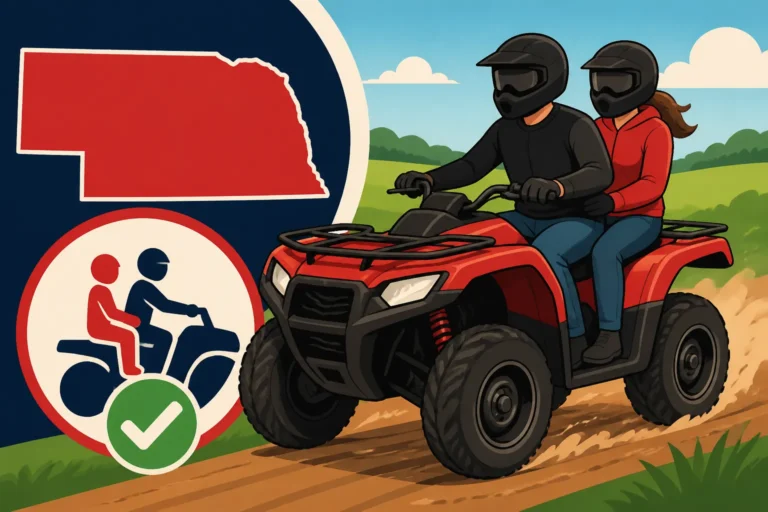
There’s a special kind of freedom that comes with exploring Nebraska’s vast network of gravel county roads on your ATV or UTV. The open space, the endless horizons, the feeling of getting off the beaten path – it’s a quintessential Great Plains experience. But let's be real: that freedom often comes with a huge, billowing cloud of dust that can make riding treacherous and turn your machine into a gritty mess. This guide is all about helping you understand how to safely and legally navigate those dusty gravel roads, protecting yourself, your passengers, and your beloved off-road machine.
Understanding Where You Can Legally Ride on Nebraska's Gravel Roads
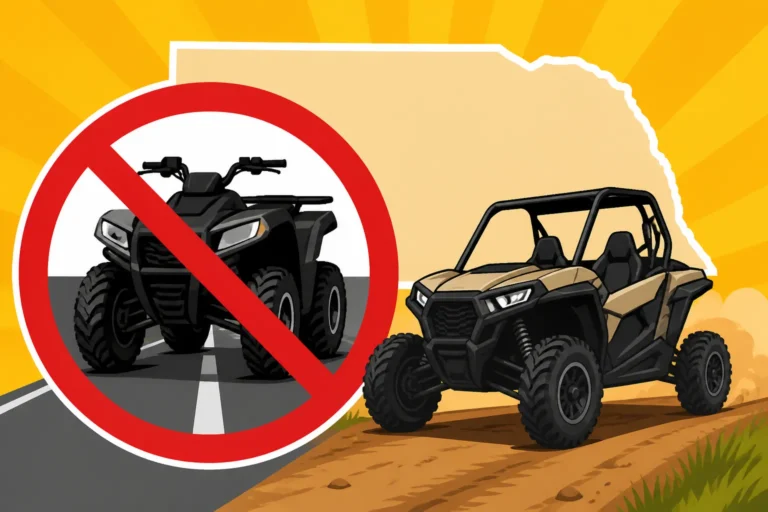
Before you even think about kicking up dust, it's crucial to know the rules of the road. Nebraska isn't like some states with widespread ATV/UTV road access. Our laws are specific, and getting it wrong can lead to a ticket, or worse, an accident.
Nebraska's Agricultural Road Exception
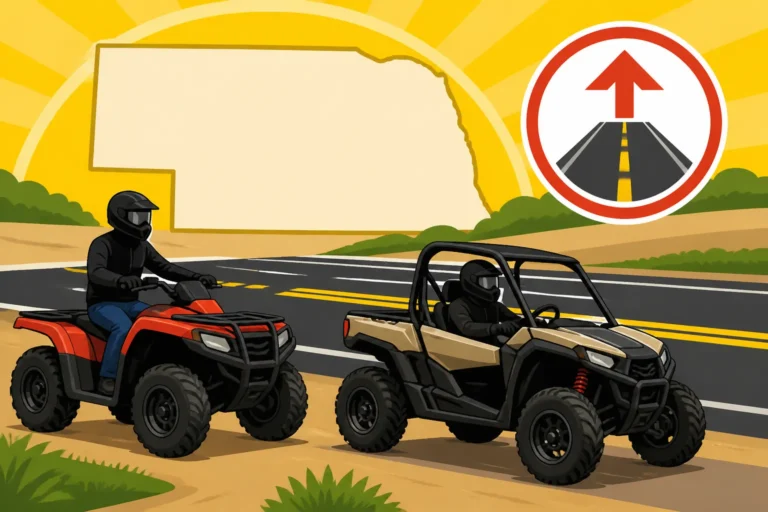
The primary way ATVs and UTVs are legally allowed on most county roads in Nebraska is under the agricultural road exception. Nebraska Revised Statute 60-6,356 carves out a specific allowance for these machines when they're used for legitimate agricultural purposes. This isn't just a loophole; it's a recognition of how vital these machines are to farm and ranch operations across the state. Think about it: a farmer might need to check fences, move between two non-contiguous fields, or access a remote pivot irrigation system. Hauling feed out to cattle in a pasture that borders a county road is another classic example.
However, "agricultural purpose" is not a blank check to joyride. It means your trip needs to have a direct, demonstrable link to farming, ranching, or livestock care. This isn't the time for a scenic cruise with no agricultural objective. Deputies understand what legitimate farm use looks like, and they can tell when a machine is being used purely for recreation on a road not otherwise open. You can find more detail on this specific legal allowance by looking into [Nebraska's Agricultural Road Exception]. This exception is a lifeline for many, but it's important to respect its boundaries.
Local Ordinances and County Board Resolutions
While the agricultural exception covers a lot of ground in rural areas, it's not the only way to get your machine on a public road. Individual city councils and county boards in Nebraska have the power to open up streets or specific county roads to ATV and UTV traffic. This is where things get truly hyper-local, and what's allowed in one town or county might be strictly prohibited in another just a few miles down the road. For instance, a small, unincorporated village might have its county board pass a resolution allowing ATV traffic on its streets to help residents get to the local convenience store or post office. Larger towns might have ordinances specifying certain streets or even charging a city registration fee.
It's absolutely essential to check with the specific city hall or county clerk's office for the area you plan to ride. Never assume that because a friend can ride in their town, you can ride in yours. These local rules often come with their own set of requirements, such as specific operating hours, safety equipment mandates (like flags or lights), or age restrictions. Knowing [Nebraska Rules for Riding a County Road] and understanding how [Nebraska County Board Resolutions for Villages] come into play will help you avoid unwelcome surprises. Always do your homework before you head out, and if in doubt, err on the side of caution.
Essential Strategies for Tackling Dust on Gravel Roads
Dust isn't just annoying; it's a serious hazard. When you're following another machine or a vehicle on a gravel road, the dust cloud can completely obscure your vision and make you invisible to others. It can also wreak havoc on your machine.
Maximizing Visibility for Everyone
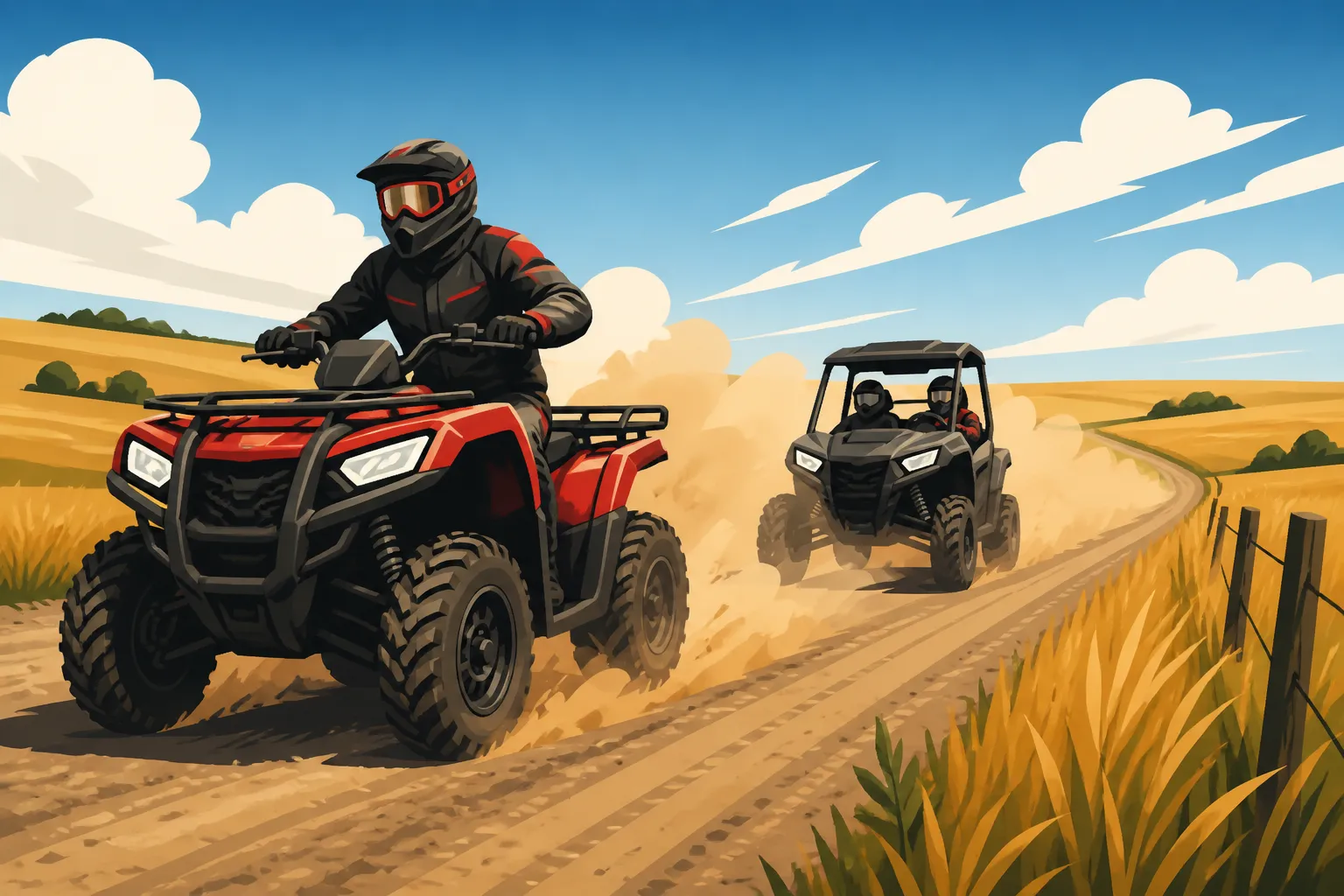
The biggest concern with dust is visibility – or the severe lack thereof. When you're riding in a group, dust clouds can be so thick that the rider behind you disappears entirely. This is incredibly dangerous, both for your group and for any oncoming traffic or vehicles trying to pass. One key strategy is to leave significant space between machines, much more than you might think. Don't "draft" the machine in front of you; hang back until their dust settles a bit. If you're riding in a larger group, consider staggering your positions or even splitting into smaller groups to minimize the collective dust footprint.
Another crucial step is to make sure you're as visible as possible, even in daylight. Many riders install safety flags on their machines, like those required for certain recreational areas. For road use, a tall, brightly colored flag (often day-glow orange) can significantly increase your profile above a dust cloud, giving other drivers a better chance to spot you. You might reference [Nebraska Safety Flag Dimensions] and [Nebraska Day-Glow Flag Colors] for guidance on what's effective. Also, always have your headlights and taillights on, even during the brightest part of the day. This simple act makes a huge difference in dusty conditions, allowing you to cut through some of the haze. [Why Your Headlight Must Be On in Daylight] isn't just a good idea; it's often a legal requirement for road-going vehicles, and for good reason. Investing in a good LED light bar can also dramatically improve your ability to see and be seen.
Protecting Yourself and Your Machine from Dust Ingestion
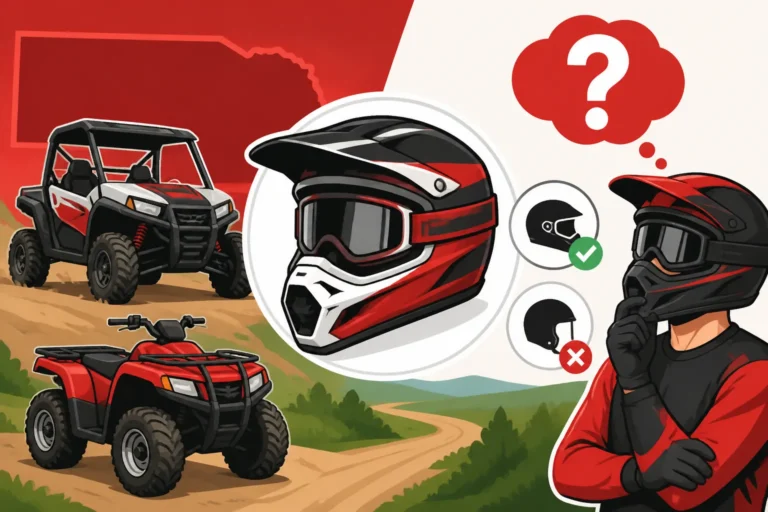
Personal protection from dust is paramount. A good, full-face helmet with a sealed visor is a must. Goggles alone often aren't enough to prevent fine dust from irritating your eyes. A dust mask or bandana worn over your mouth and nose will keep your lungs from inhaling too much grit, which can lead to respiratory irritation or worse over time. Many riders swear by neck gaiters made of moisture-wicking material that can be pulled up over the face.
Beyond yourself, protecting your machine is critical. Dust is a highly abrasive enemy to internal combustion engines. The air filter is your engine's first line of defense, and in dusty Nebraska conditions, it can become clogged shockingly fast. Consider investing in a high-quality aftermarket air filter system, perhaps from a reputable brand like SuperATV, which often offers improved filtration and easier maintenance. Pre-filters, which are essentially covers that go over your main air filter, can catch larger particles and extend the life of your primary filter. For UTVs, a full cab enclosure with a windshield and rear panel can drastically reduce the amount of dust that gets into the cab, making for a much more comfortable ride. Even a simple SuperATV windshield can make a massive difference in keeping the direct blast of dust out of your face, while a rear dust panel helps reduce the swirling vacuum effect that pulls dust into the cab from behind.
Beyond Dust: General Safety Tips for Gravel County Roads
While dust is a major factor, riding on gravel county roads involves a broader set of safety considerations. These roads are shared spaces, and they present unique challenges that differ from dedicated trails.
Sharing the Road Responsibly
County roads, even quiet ones, are not your private playground. You will encounter other vehicles, from the family sedan heading to town to massive grain trucks and farm implements. These larger vehicles often travel faster and require much more room to stop or maneuver. Always yield to them. Be predictable in your movements, use turn signals if your machine is equipped, and maintain a constant, appropriate speed. [Sharing a Gravel Road With Grain Trucks at Harvest] is a reality in rural Nebraska, and those trucks kick up even more dust and demand your utmost respect and caution.
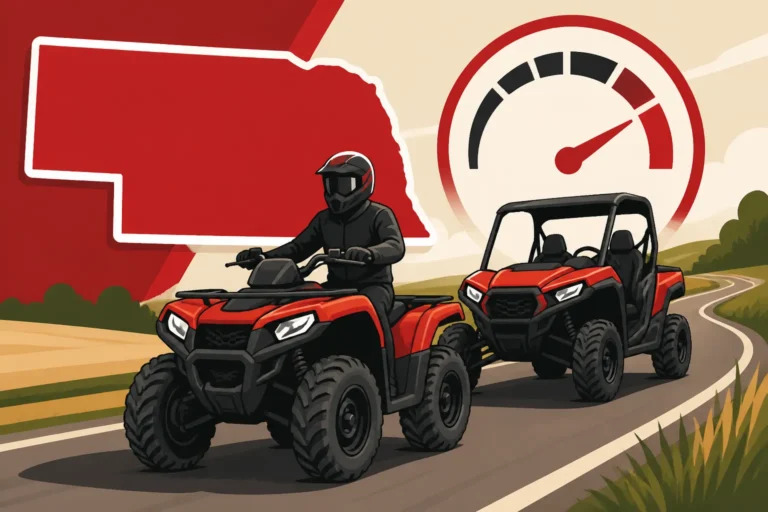
Speed limits on county roads might be higher than what's safe for an ATV or UTV, especially on loose gravel. While the posted limit might be 55 mph, most ATVs and UTVs are not designed for sustained speeds anywhere near that on loose surfaces. Nebraska's specific road rules often limit ATV/UTV speed to [30 mph at Most] when operating legally on public roads. Even at 30 mph, loose gravel can cause your tires to lose traction unexpectedly, particularly in turns or when braking. Always reduce your speed significantly when approaching blind hills, curves, or intersections. Remember that gravel can hide potholes or washouts, and unexpected bumps can send your machine skittering.
Preparing for the Unexpected
A breakdown on a lonely gravel road can turn a fun ride into a frustrating ordeal. Always conduct a thorough pre-ride check of your machine. This includes checking tire pressure, fluid levels, brakes, lights, and ensuring all nuts and bolts are snug. Carry a basic tool kit – wrenches, pliers, zip ties, duct tape, and a tire repair kit with a small air pump can get you out of a bind. A small first-aid kit is also a wise addition for any personal scrapes or bumps.
Beyond mechanical preparedness, consider your route. Inform someone of where you're going and when you expect to return. Cell service can be spotty in many rural Nebraska areas, so don't rely solely on your phone for navigation or emergencies. A physical map or a GPS device can be a lifesaver. Pack plenty of water, especially on hot, dry days, as dust can be dehydrating. Understanding factors like [How Much Fuel a Full Day of Riding Burns] will help you plan your stops and carry extra fuel if needed, preventing you from being stranded miles from the nearest gas station. Gravel roads can be unforgiving, so being self-sufficient and prepared for minor issues is key.
Post-Ride Maintenance for Dusty Nebraska Conditions
The dust and grit from gravel roads are incredibly hard on your machine. Neglecting post-ride maintenance in these conditions is a sure way to prematurely wear out components and face costly repairs.
Air Filter Care is Critical
Your air filter is the engine's lung, and on dusty Nebraska gravel roads, it works overtime. Fine dust particles, if they bypass the filter, act like sandpaper inside your engine, leading to accelerated wear on cylinder walls, piston rings, and valve guides. After even a single dusty ride, you'll likely find your air filter coated in a thick layer of grit. It's not enough to just blow it off with compressed air; those tiny particles embed themselves deep within the filter media.
For foam or reusable gauze-type filters, proper cleaning and re-oiling are essential. Follow the manufacturer's instructions religiously. Many riders who frequently traverse dusty conditions keep multiple clean, pre-oiled filters on hand so they can quickly swap them out after a ride and clean the dirty one at their leisure. Disposable paper filters need to be replaced frequently. If you've got a UTV with a larger airbox, consider upgrading to a high-flow filter and possibly adding a pre-cleaner system designed for heavy dust. Aftermarket performance filters, like those you might find from SuperATV, can offer superior filtration and durability, but they still require diligent maintenance. Seriously, if you ride dusty gravel roads, [How Often to Change Oil in Heavy Dust] will also be a major concern, as dust can contaminate your engine oil and reduce its lubricating properties over time.
Protecting Drivetrain and Bearings
Dust is also extremely detrimental to your machine's drivetrain and all moving parts with exposed bearings. For chain-driven ATVs, dust mixes with chain lube to create an abrasive paste that grinds away at your chain and sprockets. After every dusty ride, thoroughly clean your chain with a chain cleaner and then re-lubricate it. For belt-driven UTVs, dust can get into the CVT housing, causing premature wear on the belt and clutches. While many UTVs have sealed CVT systems, some dust can still infiltrate, so regular inspection and cleaning of the housing are a good idea.
Wheel bearings, suspension pivot points, and universal joints are also vulnerable. Dust and moisture can work their way past seals, contaminating the grease and causing bearings to seize or develop excessive play. Regularly inspect these areas for signs of wear or contamination. Greasing points should be lubricated frequently, pushing out old, contaminated grease with fresh. Aftermarket sealed bearings can offer better protection in dusty environments. For components like drive belts, dust and heat are a terrible combination. Keeping your CVT clean and cool is essential to prevent premature belt failure. [Replacing a Drive Belt After a Sand Weekend] is not uncommon, and dusty gravel conditions are just as hard on them as sand. Pay attention to any new noises or vibrations, as these can be early warning signs of wear.
Here’s a quick overview of some common dust management strategies for your machine and yourself:
| Area of Protection | Strategy/Product | Benefit | Frequency of Care in Dusty Conditions |
|---|---|---|---|
| Personal | Full-face helmet, sealed goggles | Protects eyes, face from direct dust | Every ride |
| Dust mask, neck gaiter | Filters airborne particles, protects respiratory system | Every ride (clean/replace often) | |
| Machine – Cab | Windshield (full or half) | Reduces direct dust blast into rider's face | N/A (install once) |
| Rear dust panel/cab enclosure | Prevents dust recirculation, enhances comfort | N/A (install once) | |
| Machine – Engine | High-flow air filter (e.g., SuperATV) | Improved filtration, better airflow | Clean/inspect every 1-2 rides |
| Pre-filter/airbox pre-cleaner | Catches larger particles, extends main filter life | Clean/inspect every ride | |
| Machine – Drivetrain | Chain cleaner & lubricant (for chain-driven) | Prevents abrasive wear on chain/sprockets | After every dusty ride |
| CVT housing inspection/cleaning (for belt-driven) | Reduces belt/clutch wear, prevents overheating | Periodically, or after very dusty rides | |
| Sealed wheel bearings/dust boots | Keeps grit out of crucial moving parts | N/A (install once, inspect regularly) |
Riding Nebraska's gravel county roads offers incredible experiences, but it demands respect for the environment, the law, and your machine. By understanding the rules, implementing effective dust management strategies, and staying on top of your maintenance, you can enjoy countless miles of open-road adventure safely and responsibly.
Disclaimer
This article is for general informational purposes only and does not constitute professional advice. Laws, prices and regulations vary by location and change over time. Consult a qualified professional for guidance on your specific situation.