15 Acres South of a Small Town
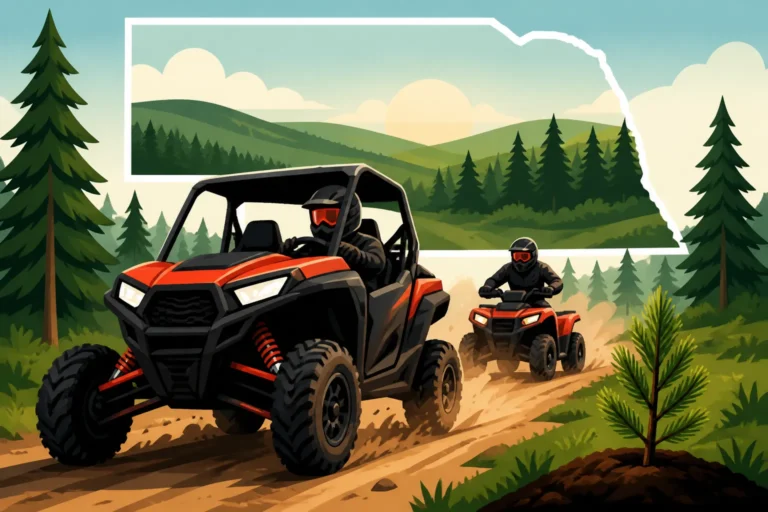
A 15-acre riding area can be a pleasant place to practice, but it is easy to arrive expecting a full-day trail network and find something much smaller. Flat Rock Riders OHV Park is a compact Nebraska riding destination south of a small town. This guide explains what its size means, how to plan a visit, and what to check before you haul your ATV or UTV there.
What to expect from a 15-acre riding area
A small park can still offer a useful ride
Fifteen acres is a modest footprint for off-highway riding. It is better to picture a compact practice area than a long backcountry trail system: you may circle through the same terrain more than once, and a few laps can cover a surprisingly large share of the available ground.
That size can be an advantage for newer riders, families, and anyone who wants a shorter outing without a long day on unfamiliar trails. A small area may make it easier to keep track of your group and practice basic control, turning, and braking. It can also feel repetitive sooner than a larger trail system, especially for experienced riders looking for distance or varied terrain.
Set expectations before you leave home. A small riding area is not automatically a poor choice; it simply serves a different purpose from places with many miles of connected trails. For context about this particular site, see [Flat Rock's 15 Acres in Nebraska] and [15 Acres With Two Tracks].
Separate riding areas matter more when space is limited
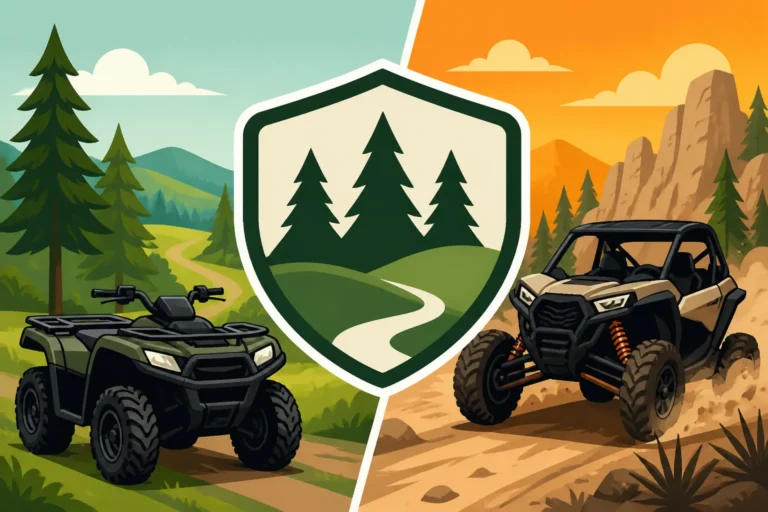
When a compact park has different tracks or riding zones, how those areas are arranged can shape the whole visit. A motocross-style track and a route intended for quads, for example, may call for different riding skills and speeds. A smaller machine or a newer rider may be more comfortable on a less demanding section, while a confident rider may want to use a designated track if it is open and appropriate for the machine.
Do not assume that every visible path is open to every vehicle. Ask which areas are intended for ATVs, dirt bikes, or side-by-sides, and whether there are restrictions based on machine size or rider ability. The distinction is especially important if you are bringing several types of machines and want everyone to ride safely.
If you are bringing a side-by-side, check fit and access before you tow. A UTV may be too wide for a narrow route or unsuitable for a track designed around smaller machines. Nebraska’s broader trail options are not all alike, so [Nebraska Trails That Allow Side-by-Sides] can help you compare the kind of access to look for elsewhere.
A short ride still deserves preparation
A small footprint does not eliminate the usual risks. Riders can still encounter uneven ground, loose surfaces, changing visibility, other machines, and unexpected stops. Leave room between vehicles, slow down when approaching a blind spot, and agree on a simple regrouping plan before anyone sets off.
A compact park can also make it tempting to ride faster because the route seems familiar after a few loops. Resist that urge. Repeated laps do not guarantee that the track is clear, and dust or a change in surface conditions can make a familiar corner feel different. If riders in your group have different experience levels, agree on a pace that works for the least experienced person.
Plan the visit before loading the trailer
Confirm that access is available
Before making the drive, verify directly with the park or its current operator that the area is open to visitors. Ask about access arrangements, riding hours, fees, reservation requirements, and closures. Do not rely on an old social post, a map pin, or a past visitor’s account as proof that you can ride there today.
This check is especially worthwhile for a compact destination. A closure, private event, maintenance work, or changed access rule can turn a short trip into a frustrating haul. Confirm whether visitors need to contact someone in advance, where to enter, and where trailers should be parked. If there is no clear current contact information, do not assume the property is open for unscheduled riding.
Keep a second option in mind in case access is unavailable. Nebraska has several different kinds of OHV riding destinations, and each has its own access conditions. A broader look at [Nebraska ATV Trails: Where to Ride] can help you identify alternatives rather than scrambling after you arrive.
Check the rules, fees, and facilities
A private riding area may set its own policies, and those can differ from public-land rules. Ask whether the park requires a waiver, has age or helmet requirements, limits passengers, restricts alcohol, or sets rules for pets and spectators. Confirm whether payment is accepted on site and what forms it takes. Facilities such as restrooms, water, fuel, and wash stations should be treated as unconfirmed until the operator says otherwise.
| What to confirm | Why it matters |
|---|---|
| Whether the property is open | Avoids a wasted drive and trailer haul |
| Which machines are allowed | A route may not suit a wide UTV or every ATV |
| Riding zones and direction of travel | Helps prevent conflicts between riders |
| Fees, reservations, and payment | Lets you arrive prepared |
| Waivers, age rules, and safety requirements | Avoids surprises at check-in |
| Parking, restrooms, and water | Helps you plan breaks and supplies |
| Weather-related closures | Small tracks can become unsuitable after rain |
Ask whether the park has separate routes for different machine types and whether any portion is intended for more experienced riders. If your group includes children, ask what supervision is expected and whether a parent or guardian must complete paperwork. The park’s own requirements may be more specific than general expectations about off-road riding.
It is also sensible to ask how weather affects access. Rain can change traction and create muddy or rutted sections, while dry conditions may increase dust. A park may close or limit use to protect the riding surface. For practical tips on timing a trip after wet weather, see [Nebraska Trail Closures After Rain].
Use maps as a planning aid, not permission
A mapping app can help you locate a destination, plan the drive, and understand nearby roads. It cannot tell you on its own that a property is open to riding or that a particular track is authorized for public use. Confirm access with the park before relying on any route displayed in a map.
Tools such as onX Offroad can be useful for organizing a trip and reviewing mapped routes, but treat map information as one planning layer rather than a substitute for current site rules. Before leaving, save the location and route information you need in case cell service is unreliable. Carry the operator’s directions or contact details separately so you are not depending on a signal at the entrance.
For a compact riding area, the map is less about navigating miles of trail and more about avoiding a wrong turn, finding the correct entrance, and understanding where you can park. If you are planning a longer trip elsewhere in Nebraska, [Nebraska ATV Trail Map Downloads] can help you think through route and destination planning.
Make a compact ride safer and more enjoyable
Choose machines and riders that fit the terrain
Before loading, think about whether the area suits the least experienced rider in your group. A small child’s quad, a full-size utility ATV, and a wide side-by-side can have very different handling and space needs. Ask the park which vehicles are permitted and whether any area is unsuitable for particular machine sizes.
For young riders, choose a machine they can control comfortably and keep them within the rules set by the site. Do not assume a short loop is automatically appropriate for a beginner. A novice can benefit from clear instructions, a calm pace, and an adult nearby who can stop the ride if conditions or confidence change.
A practical way to plan is to give each rider a simple role: one person leads, the group keeps a safe gap, and another adult stays toward the back if the group is large. Agree on a place to stop if someone needs help. Even at a small park, a little organization reduces confusion when machines are noisy and riders are spread out.
Bring the essentials even for a short outing
A short ride still calls for basic preparation. Bring properly fitting helmets and any protective gear recommended for your machine and the park. Pack drinking water, a charged phone, and a small first-aid kit. If you ride in dusty conditions, eye protection and a way to clean your gear can make the return trip more comfortable.
Check the machine before unloading. Look over the tires, brakes, throttle, lights, and visible leaks, and make sure fuel and basic tools are suitable for the outing. Secure loose items and keep straps, coolers, and gear out of the riding area. A small mechanical issue is less stressful when you notice it in the parking area rather than after you start riding.
If your group is traveling from farther away, plan the tow and arrival just as carefully as the ride. Leave enough space to unload without blocking other visitors, and follow any parking directions from the operator. The checklist in [How to Unload and Stage Without Blocking Anyone] offers useful habits for busy trailheads and compact staging areas.
Ride with courtesy and leave the property as you found it
At a small park, considerate behavior has an outsized effect. Keep noise and speed under control near parking or gathering areas, yield when the park’s rules require it, and avoid cutting across vegetation or creating a new route. Stay on designated riding areas rather than treating open-looking ground as an invitation.
Pack out trash, including small items such as drink caps and broken tie-downs. Respect fences, gates, signs, and any boundaries that separate the riding area from neighboring land. If the park has specific instructions about dust, track direction, or staging, follow them even when the area looks quiet.
A short, enjoyable visit depends on preserving access for the next group. If you are uncertain whether a route or area is permitted, stop and ask rather than guessing. The same habit applies at other Nebraska destinations, where land managers and private operators may have different rules. [Nebraska Trail Etiquette Locals Expect] covers the small courtesies that help keep riding areas welcoming.
Decide whether this destination fits your day
Choose it for a short outing, not a mileage goal
A 15-acre park may work well when you want a nearby place to practice, spend a shorter period riding, or introduce someone to off-road recreation in a contained setting. It may be less satisfying if your main goal is covering many miles, exploring varied terrain, or spending a full day on connected trails.
Before choosing, match the destination to your group’s expectations. A family looking for a manageable practice session may value a compact site. A group of experienced riders towing several hours for a long trail day may prefer to compare larger destinations first. The right choice depends on what you want from the outing, not simply how many acres appear in a description.
Use this quick comparison to think through the fit:
| Your priority | What to consider |
|---|---|
| Practice and a shorter ride | A compact area may be enough |
| Long-distance trail riding | Look for a destination with confirmed trail mileage |
| Mixed experience levels | Check for suitable routes and clear site rules |
| A UTV outing | Confirm vehicle access and route width |
| A full day with amenities | Ask about facilities and nearby services first |
For other options, compare [Flat Rock Riders OHV Park in Nebraska] with destinations such as [Cedar Run ATV Trail in Nebraska] and [Bessey OHV Trails at Halsey in Nebraska]. Their size, terrain, access, and facilities may differ, so verify details directly before choosing one for a particular group.
Have a backup plan and set realistic expectations
A good backup plan can be as simple as identifying another destination or deciding what you will do if the site is closed. Check current access and weather before you leave, and avoid assuming that a map listing or an earlier visit guarantees that the same conditions apply.
If this is your first visit, treat the first lap as a chance to learn the layout rather than a race. Notice where the staging area ends, how the routes are marked, and where other riders may emerge. Then decide whether the park suits your group and how long you want to stay.
The best day is not necessarily the one with the most miles. It is the one where everyone understands the rules, rides within their ability, and gets home without an avoidable problem. For a small riding area, clear expectations and a quick confirmation call can make the difference between a pleasant local outing and a long drive that disappoints.
Disclaimer
This article is for general informational purposes only and does not constitute professional advice. Laws, prices and regulations vary by location and change over time. Consult a qualified professional for guidance on your specific situation.