Why Riders Burn Faster on Open Sand
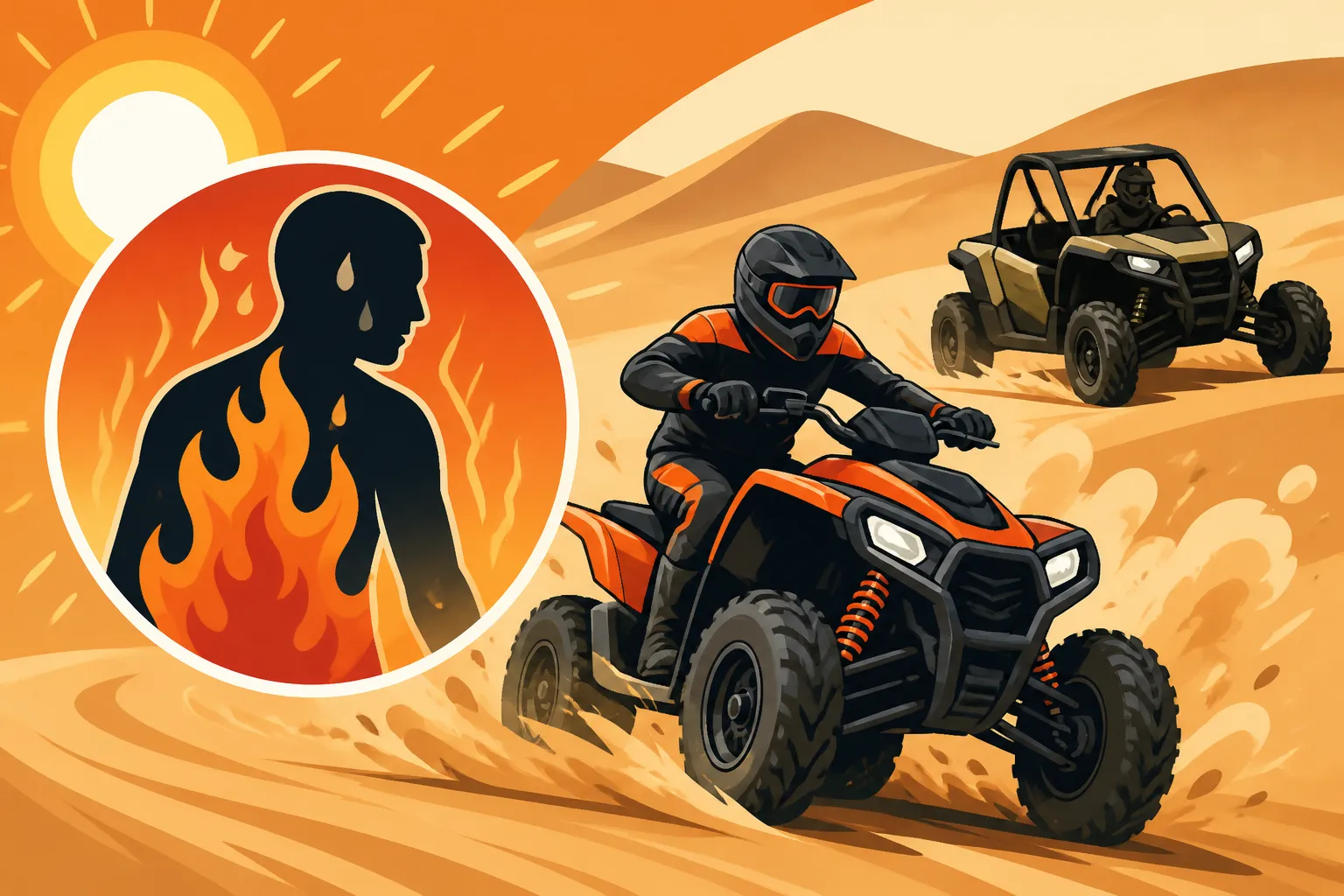
Open sand can leave riders sunburned and drained even when the air feels breezy and the ride seems manageable. With little shade, sunlight reaches more of your skin, while reflected light, heat, dust, and constant effort add to the strain. This guide explains why burns happen faster on exposed Nebraska trails and how to protect yourself without making the ride miserable.
Why Open Sand Can Burn You Faster
There is little shade to break up sun exposure
On a wooded trail, tree cover offers patches of shade and short breaks from direct sunlight. Open sand is different: a trail can feel exposed for long stretches, with no convenient place to stop out of the sun. At places such as the Bessey OHV trails near Halsey, riders may move between open areas and forested sections, so protection matters even when part of the route feels shaded.
The longer you ride in open terrain, the longer your face, neck, arms, and other exposed areas stay in the sun. A helmet helps cover your scalp, but it may leave your ears, jaw, and neck exposed. Gloves can protect your hands, yet a gap between a glove and sleeve can become a surprisingly noticeable stripe by the end of the day.
Sun exposure also adds up during small moments that do not feel like “riding time”: unloading, airing down, checking a map, waiting for a group, or stopping to help someone. A rider may think, “I was moving most of the day, so I wasn’t sitting in the sun,” but those frequent stops still count.
Sand can reflect sunlight back toward you
Sunlight reaches you from above, but light can also bounce off the ground. Sand reflects some sunlight toward your face and the underside of your arms, which can increase exposure in places riders do not think to protect. It is not a reason to assume every sandy trail causes a burn, but it helps explain why exposed skin may feel the effects even when you are wearing a hat or helmet.
The reflected light can catch you under the chin, around the lower face, and along the inside of your arms. A rider who applies sunscreen to the forehead and nose but skips the ears, neck, and underside of the jaw may discover those omissions later that evening. The same goes for the backs of the hands when gloves come off for a quick repair or snack.
Wind can hide the warning signs
A breeze can make a hot day feel comfortable, especially while you are moving. That comfort can be misleading. Wind and motion may cool your skin even as sunlight continues reaching it, so you may not notice how much exposure you have had until you stop riding or get back to camp.
Dust and dry air can add to the confusion. Sweat may dry quickly, making it harder to judge how much fluid you are losing. And because an open trail can feel cooler than a sheltered parking area, riders sometimes put off drinking water or reapplying sunscreen until they feel uncomfortable. By then, they may already be dealing with more sun and heat than they intended.
Sunburn Is Only Part of the Problem
Heat and exertion build up over the ride
Loose sand can require more effort from both the rider and the machine than firm ground. Steering corrections, maintaining control, and keeping your body balanced all take energy. Protective clothing, a helmet, and gloves are essential riding gear, but they can also make it harder for your body to lose heat, particularly when the air is warm and there is little shade.
That combination can catch people off guard. Someone may feel fine during the first loop, then become unusually tired, thirsty, headachy, or less coordinated later. Those symptoms can have more than one cause, including exertion, heat, dehydration, or a sunburn. Do not treat them as a routine part of a long ride.
Plan breaks before you feel worn down. Stop in a safe place, get out of direct sun when possible, drink regularly, and check in with the group. If someone becomes confused, faints, or seems seriously unwell, stop riding and seek urgent medical help. A riding plan should leave room to cut a day short rather than push through warning signs.
Gear gaps can turn into hot spots
Riding gear protects you from more than sun, but coverage varies. A helmet does not necessarily cover the ears or neck. A short glove cuff can leave a strip of wrist exposed. A loose shirt may shift when you lean forward, and a neck gaiter can slide down during a long, bumpy stretch.
Before heading out, check the places where pieces of gear meet. Look at the space between helmet and collar, glove and sleeve, and shirt and pants. If you use sunscreen on skin that will stay exposed, apply it before you gear up and reapply according to the product directions, especially after sweating heavily or wiping your face.
Avoid relying on a single protective layer. Clothing, a helmet, sunscreen on uncovered skin, shade breaks, and sensible ride timing work together. For practical packing ideas, see What to Pack for a Hot Dry Riding Day and Sunscreen and Shade on Open Treeless Trails.
Dust can make you forget basic care
On a dusty ride, riders often focus on visibility, air filters, and keeping grit out of their eyes and mouths. That is sensible, but the same conditions can distract from sunscreen, water, and cooling breaks. If your face is dusty, you may hesitate to touch it or reapply sunscreen with dirty hands. If you are riding in a group, you may also keep going to avoid slowing everyone down.
Build care into the routine instead of waiting to remember. Keep sunscreen and water easy to reach, and make a quick check part of planned stops. If you use an offline route app such as onX Offroad, you can plan likely stopping points before leaving service and make breaks part of the day’s route rather than an afterthought.
How to Protect Yourself on an Open-Sand Ride
Cover exposed skin before you leave
Choose riding clothes that cover your arms and legs while still allowing comfortable movement. A lightweight, breathable layer can reduce direct exposure without requiring you to ride in a heavy sweatshirt. Pair it with gloves that stay in place and a helmet setup that gives your ears and neck appropriate coverage.
Use broad-spectrum sunscreen on skin that clothing and gear do not cover. Apply it before the ride, following the label, and remember often-missed areas such as ears, nose, lips, neck, and the backs of your hands. Reapply as directed by the product, particularly after sweating, wiping your face, or removing gear. Sunscreen is a useful backup for exposed skin, not a substitute for clothing and shade.
If the day is forecast to be hot and bright, consider riding earlier or later when conditions are more manageable. That does not eliminate sun exposure, but it can reduce the time you spend riding through the hottest part of the day. Check the trail and weather conditions before you haul out, and be willing to change plans if the heat, wind, or visibility makes the ride uncomfortable.
Make hydration and shade part of the plan
Carry water where you can reach it without unloading the machine. Take regular drinks rather than waiting until you are very thirsty, and make sure everyone in the group has enough for the ride they are actually doing. The right amount depends on conditions, duration, exertion, and the individual; a short, cool outing is not the same as several hours on exposed sand in heat.
Use your map to think beyond mileage. A route may look short on a screen but still feel demanding if it is exposed, rough, or difficult to exit. Tools such as onX Offroad can help riders review routes and prepare for areas where they may want to stop, turn around, or regroup. Download or save what you need before heading into places with limited cell service, and bring a backup navigation option for important trips.
Take breaks in whatever shade is available, and avoid blocking trails or staging areas while you stop. For a longer outing, agree in advance that anyone can ask for a break or an early return without being pressured to continue. More guidance on planning fluids is available in How Much Water to Carry on a Summer Ride and Nebraska Riding in Summer Heat.
Match the ride plan to the sand and the group
A difficult surface can make riders work harder than they expect. Deep, loose sand may demand more control and concentration, so consider the experience and fitness of everyone in the group when choosing a route. If someone is struggling to steer, getting overheated, or falling behind, adjust the pace instead of treating it as a challenge to push through. Tire setup can affect how a machine behaves in loose sand; What Tires Work Best in Deep Loose Sand offers more background for that part of preparation.
Before leaving, tell someone where you plan to ride and when you expect to return. Check access rules and conditions for the riding area, and do not assume a familiar trail is open or unchanged. A saved route in onX Offroad may help with orientation, but it does not replace posted signs, local instructions, or a backup plan.
| Before the ride | During the ride | After the ride |
|---|---|---|
| Cover skin with suitable clothing and apply sunscreen to exposed areas | Drink regularly and take planned breaks | Check for hot spots, redness, or painful exposed areas |
| Pack water, sunscreen, and basic first-aid supplies | Pause in shade when available and watch for unusual fatigue | Rehydrate and rest rather than adding another demanding activity |
| Review the route, access conditions, and expected weather | Tell the group if you feel unwell; do not ride through serious symptoms | Seek medical advice for severe or concerning symptoms |
| Agree on a turnaround point and a way to regroup | Adjust pace or end the ride if conditions become difficult | Note what gear or supplies you wished you had brought |
A Simple Routine for the Trailhead and the Ride Home
Do a quick exposure check before gearing up
At the trailhead, check the weather, route, and how much of the planned ride is exposed. Then do a clothing check from head to toe: ears, neck, wrists, hands, and any gaps that may appear when you lean forward. Apply sunscreen to uncovered skin before putting on gloves or a helmet, and pack it where you can reach it at a stop.
If you are riding with children or newer riders, help them do the same check. Young riders may not notice that a collar has shifted or that their ears are uncovered, and they may be reluctant to ask the group to stop. Make it normal for everyone to mention discomfort early.
For routes around Nebraska’s public riding areas, review the rules and access information for the specific place you plan to visit. Nebraska Trail Conditions Before You Tow can help with pre-trip planning, while Nebraska National Forest Riding covers a related riding-area topic.
Check in at every planned stop
At each break, ask a few simple questions: Is everyone drinking? Has anyone become unusually tired, dizzy, nauseated, or confused? Is anyone’s clothing rubbing or leaving skin exposed? A quick check can catch a small problem before it becomes the reason the group has to stop unexpectedly.
Use stops to reapply sunscreen according to its label, drink, and adjust gear. If the group is spread out, pick a safe meeting point and make sure nobody rides on alone while feeling unwell. Route notes saved in onX Offroad can support group planning, but agree on your signals and regrouping plan before the engines start.
Pay attention after you get back
A burn may become more obvious after the ride, once you have cooled down and removed your gear. Check your face, ears, neck, wrists, and any areas where clothing shifted. Rest, drink fluids, and avoid additional sun exposure while your skin is irritated. For severe symptoms, extensive blistering, or signs that someone is seriously affected by heat, get professional medical help.
Next time, use what you learned to adjust the plan. A different shirt, better coverage around the neck, a more accessible water supply, or an earlier start may make the next sandy ride much more comfortable. The goal is not to eliminate every inconvenience; it is to stop avoidable sun exposure and heat strain from taking over a day you planned to enjoy.
Disclaimer
This article is for general informational purposes only and does not constitute professional advice. Laws, prices and regulations vary by location and change over time. Consult a qualified professional for guidance on your specific situation.