Bug Spray for Riding Near a River Bottom
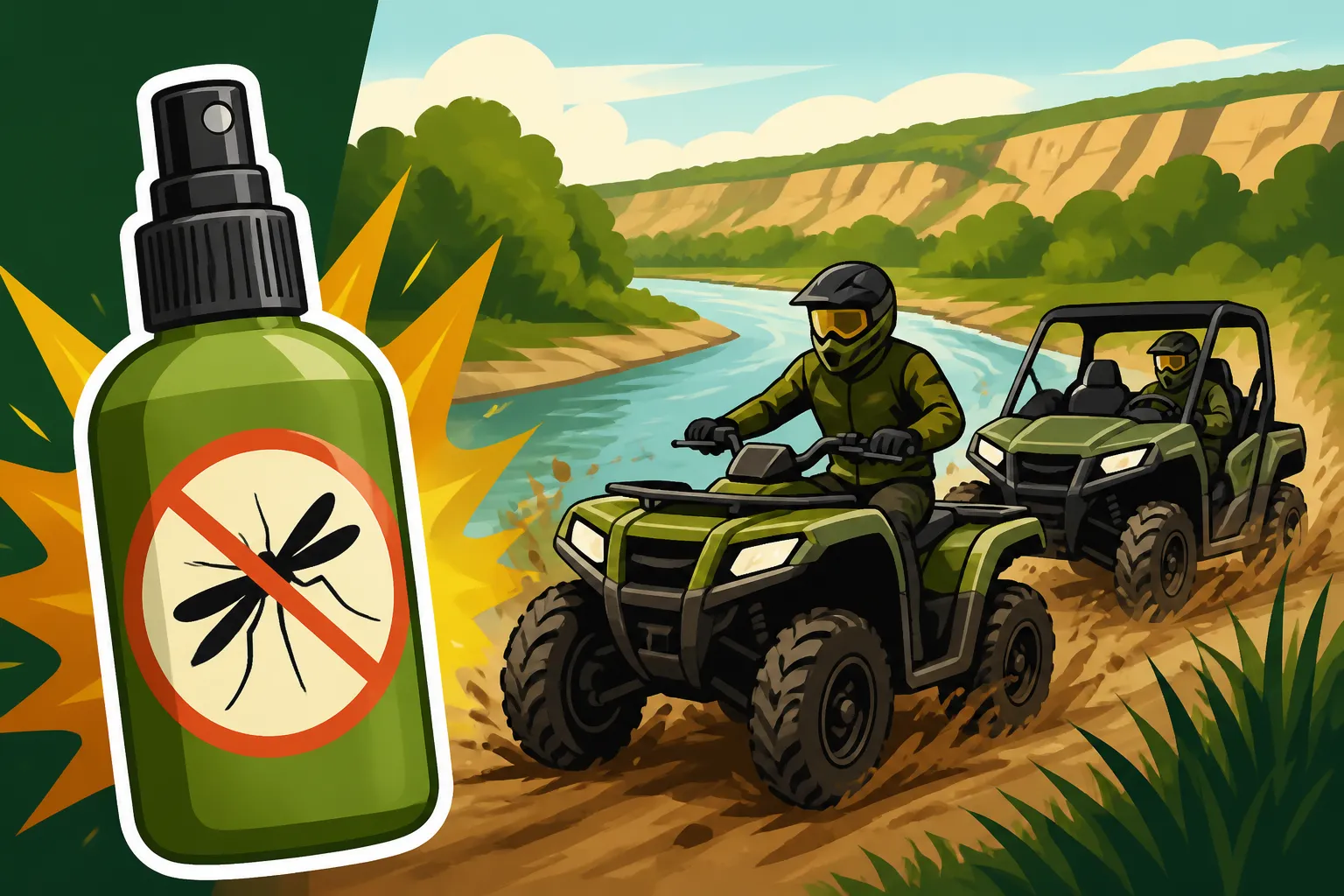
River-bottom rides can turn a pleasant Nebraska trail day into an itchy one, especially when mosquitoes gather near standing water and ticks wait in tall grass. The right repellent helps, but so do clothing, timing, and careful route planning. This guide explains how to protect yourself without spraying carelessly around waterways, other riders, or your machine.
Choose bug protection for the ride, not just the forecast
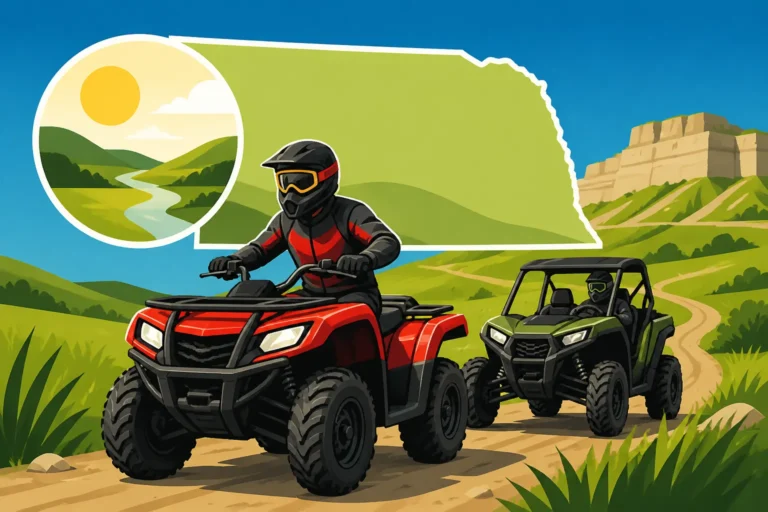
River bottoms often combine shade, damp ground, brush, and calm pockets of air—the sort of conditions where biting insects can be especially noticeable. Along the Platte, Missouri, Republican, and Niobrara river corridors, conditions can change quickly from open, breezy ground to sheltered vegetation. A little preparation makes it easier to enjoy the ride without constantly stopping to swat, scratch, or check your sleeves.
Pick a repellent you can use correctly
For exposed skin, choose an insect repellent with an active ingredient such as DEET or picaridin, and follow the product label. The label tells you which ages it is intended for, where it can be applied, how often to reapply, and whether it can be used with sunscreen. More product is not automatically more protection; applying it as directed is the important part.
If you prefer not to put repellent on your skin, protective clothing can reduce the amount of exposed skin in the first place. Some garments are treated with permethrin, which is intended for clothing and gear rather than skin. Follow the specific product instructions. Do not spray clothing while wearing it, and allow treated items to dry as directed before putting them on.
Think about who is riding with you, too. Children, people with sensitive skin, and anyone with asthma or a history of reactions may need a different plan. An adult should handle the application for young riders and keep products away from faces and hands. If a rider develops a concerning reaction, stop using the product, follow its label guidance, and seek medical help if symptoms are serious.
Match clothing to brush, heat, and insects
Long sleeves and long pants can help keep ticks and mosquitoes off your skin, but heavy clothing can become uncomfortable on a hot ride. Choose breathable layers that cover the areas most likely to brush against vegetation: ankles, lower legs, wrists, and the gap between shirt and pants. Tall socks tucked over pant cuffs can make it harder for ticks to reach skin unnoticed.
Light-colored clothing can make crawling ticks easier to spot during a break. A helmet, gloves, boots, and riding glasses still matter for riding safety; insect protection is an addition, not a replacement. If you wear a neck gaiter or face covering, make sure it does not interfere with breathing, visibility, hearing, or helmet fit.
Build a short tick check into fuel, water, and trail breaks. Look over pant cuffs, socks, waistbands, and the backs of knees, then check again after changing out of riding clothes. A shower and a thorough body check after the ride can help you find ticks that were missed earlier. For more seasonal clothing ideas, see Nebraska Tick Season and Riding Gear.
Use this quick comparison before packing
| Protection option | Best use | Practical caution |
|---|---|---|
| Skin-applied repellent | Exposed skin, such as hands, neck, or ankles | Follow the label, especially for children and reapplication |
| Permethrin-treated clothing | Clothing and gear used to cover skin | Do not apply it to skin; follow treatment and drying directions |
| Long sleeves, pants, socks, and boots | Reducing exposed skin and contact with brush | Balance coverage with heat, movement, and comfort |
| Head-to-toe tick check | Finding ticks after riding through vegetation | Check again after changing clothes and showering |
Apply repellent without making a mess of the ride
A common frustration is realizing you need bug spray only after you have put on gloves, fastened your helmet, and settled into the machine. Applying repellent before gearing up is usually simpler and helps keep product off equipment. It also gives you a chance to follow the label carefully instead of rushing at a dusty trailhead.
Apply it before you start the engine
Use repellent in a well-ventilated place away from other riders, food, and water. Apply it before boarding, and avoid spraying around the machine’s controls, grips, seat, goggles, visor, or other surfaces. Products can leave residue or affect materials, and slippery hand controls are the last thing you want when the trail gets rough.
Keep sprays and other products secured in a bag or storage compartment while riding. Do not leave an aerosol can in direct sun or somewhere it could be crushed, punctured, or exposed to heat. If you bring a small bottle for reapplication, pack it so it cannot leak onto gloves, snacks, or riding gear.
For the face, follow the product label instead of spraying directly toward your eyes or mouth. A careful application to the hands followed by spreading it over appropriate areas may be an option when the label allows, but avoid the eyes, lips, cuts, and irritated skin. Wash your hands before eating, drinking, or handling contact lenses.
Be especially careful near water and food
River-bottom riding often means picnic stops, fishing access, or a break beside a creek or lake. Apply repellent well away from the water’s edge and avoid spraying into the air where it can drift. Never rinse leftover product, treated gear, or application materials into a waterway. Keep repellent away from coolers, snacks, water bottles, and pet bowls.
After using repellent, wash your hands before handling food. If you are riding with children, make sure they do not play with the container or touch wet product. Store it securely and dispose of empty containers according to the product label and local waste guidance.
If the plan includes camping or a longer stop, separate your food and insect-protection supplies. That small habit helps avoid the familiar problem of getting a chemical taste on a sandwich or discovering that a leaking bottle has coated the only dry pair of gloves.
Reapply based on the label and the conditions
Sweat, rain, dust, clothing changes, and the specific product all affect how long protection lasts. Rather than guessing, check the label for reapplication directions. If you stop for a long break, change into a fresh layer, or get caught in a shower, consider whether the instructions call for another application.
A river-bottom route can also move between very different conditions. A breezy open stretch may feel comfortable, while a shaded low area can be buggy and still. Keep the repellent accessible but protected, and plan a safe place to stop before applying it. Avoid reaching for a bottle while moving or balancing the machine on uneven ground.
For practical packing ideas beyond repellent, What to Pack for a Hot Dry Riding Day and How Much Water to Carry on a Summer Ride can help you plan for heat, sun, and longer breaks. Bug protection is useful, but it cannot replace drinking water, shade, or knowing when the conditions are too uncomfortable for a safe ride.
Plan river-bottom routes with access and conditions in mind
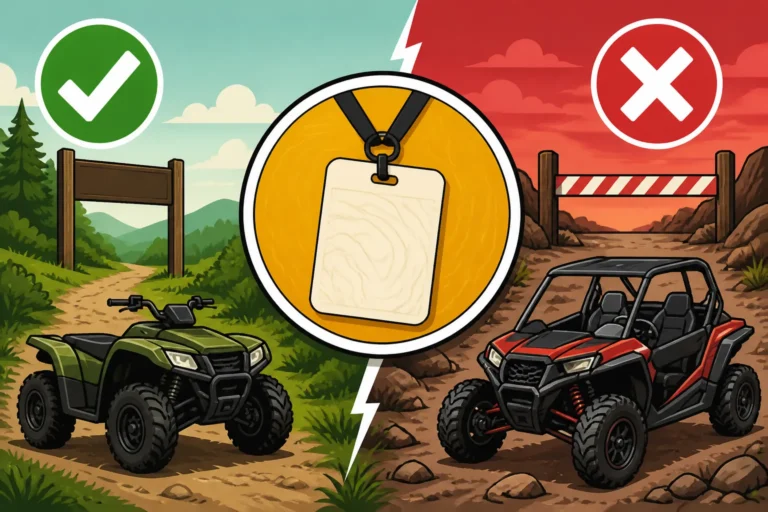
A map can show a river corridor, but that does not mean every nearby track is open for ATV or UTV use. River bottoms may include private farms, wildlife areas, public recreation sites, and roads with different rules. Before leaving home, confirm that your intended riding area allows your machine and that the route is open.
Confirm that the riding area is legal to use
Do not assume that a visible track through grass or along a river is a public trail. Check the rules for the specific property and get permission where required. In Nebraska, land access and vehicle rules can vary between public and private areas, so verify the route before you unload. Review Nebraska Landowner Permission Rules and Nebraska Public Land Rules Compared to Private when planning a ride that approaches fields, pastures, or managed land.
Mapping tools can help you understand where a route appears to go, but a map line is not permission to cross a boundary. Riders sometimes use onX Offroad to help examine route context and property boundaries before a trip. Treat any mapping layer as a planning aid, then confirm access and closures with the land manager or landowner. The same check matters if rain, flooding, or seasonal conditions may have changed a route since you last rode it.
For a public-area ride, review the site’s current rules before loading the trailer. For example, access rules for wildlife management areas are not the same as trail rules at an OHV riding area. Nebraska WMA Access for a Quad is a useful starting point when you are considering a management area, and Nebraska Trail Conditions Before You Tow can help you make a pre-trip conditions check part of your routine.
Expect changing conditions in low, shaded ground
River-bottom trails can be slick, soft, or rutted after rain. Low ground may hold water longer than the open road you drove in on, and dense vegetation can conceal washouts, debris, or a narrow trail edge. Slow down when visibility is limited, leave room between machines, and avoid making a new track around mud or standing water. Going around an obstacle can damage vegetation or lead into an area you do not have permission to enter.
Insect activity is only one part of the conditions check. Look for signs, barriers, posted closures, and evidence of recent flooding. If water crosses the trail, do not assume it is shallow or safe to ride through. Turn back if you cannot judge the depth or bottom conditions. A route that is unpleasant or impassable is not worth risking a machine, a passenger, or a rescue situation.
Trail etiquette matters in narrow river corridors, where walkers, cyclists, campers, and other riders may share nearby spaces. Keep speeds controlled, yield appropriately, and give people room. Nebraska Trail Etiquette Locals Expect covers the small choices that help keep a ride considerate and reduce conflicts at a busy trailhead.
Make a simple go-or-adjust plan
Before leaving, choose a primary route and a reasonable backup. Check whether the trail is open, estimate how long the ride will take, and let someone know where you expect to be. If your map app supports offline use, download the area before you lose cell service. Riders who use onX Offroad for trip planning should still carry a backup method of navigation, such as a saved map or a paper map, particularly in areas where reception is unreliable.
Build flexibility into the plan. If the bottom is flooded, the bugs are overwhelming, or the group is getting too hot, turn around or choose a confirmed alternative rather than pushing on. A good route is one everyone can ride safely and legally—not simply the one that looks shortest on a screen.
Handle bites, ticks, and post-ride cleanup calmly
Even with repellent and covered clothing, an occasional bite or tick can happen. That does not mean the preparation failed. What matters is checking carefully, responding sensibly, and avoiding unsafe shortcuts such as spraying extra product on irritated skin or applying a clothing treatment directly to the body.
Check for ticks after the ride
After riding through brush or tall grass, inspect clothing and exposed skin before getting into the vehicle. Once home, change clothes, check your body carefully, and inspect children and pets who were along for the day. Pay particular attention to warm, tucked-away areas such as behind the knees, around the waist, under the arms, and along the hairline.
If you find a tick attached, remove it promptly with fine-tipped tweezers if available. Grasp it close to the skin and pull steadily upward, avoiding twisting or crushing it. Clean the bite area and your hands afterward. If you develop a rash, fever, or other concerning symptoms, contact a healthcare professional and describe where and when you may have been exposed.
Do not rely on seeing a tick on your clothes as proof that none reached your skin. A check is worthwhile even if the ride was short, especially after passing through weeds, brush, or vegetation along a river edge.
Soothe bites without irritating the skin
For a minor itchy bite, washing the area and using a cool compress may help. Try not to scratch, since broken skin can become irritated or infected. If you are considering an over-the-counter cream or other treatment, read its directions and check with a pharmacist or clinician if you are uncertain whether it is appropriate for a child, a sensitive area, or an existing skin condition.
If a rider has trouble breathing, swelling of the face or throat, dizziness, or another severe reaction, seek emergency care. For less urgent but persistent symptoms, get medical advice rather than repeatedly applying repellent or an unverified home remedy.
A bite can also be a reminder to adjust the next ride: tuck cuffs more securely, choose a different time of day, add a breathable layer, or plan a route with fewer brushy sections. It is often easier to change one or two habits than to make the entire outing uncomfortable.
Clean and store gear thoughtfully
When you get home, check boots, socks, helmets, gloves, and bags for ticks and debris. Launder riding clothes according to their care labels, especially if they have been treated with an insect-control product. Store repellent securely and away from children, pets, food, and heat. Clean any accidental residue from equipment using the product’s label guidance and the equipment manufacturer’s care instructions.
For a future river-bottom ride, keep a small checklist: permitted route, weather and trail conditions, water, repellent, covered clothing, tick checks, and a backup navigation plan. Using onX Offroad as one part of route preparation can help you look at the trip before you arrive, but confirmation from the relevant land manager or property owner remains essential.
Disclaimer
This article is for general informational purposes only and does not constitute professional advice. Laws, prices and regulations vary by location and change over time. Consult a qualified professional for guidance on your specific situation.