Hauling Out Trash From a Forest Trailhead
A ride can end with a muddy machine, a crowded trailer, and snack wrappers or broken gear scattered around the staging area. Cleaning up at a Nebraska forest trailhead is simple in principle but easy to forget when everyone is tired and ready to head home. This guide explains how to pack out waste, handle awkward or hazardous items, and leave the site ready for the next riders.
Plan for trailhead cleanup before you ride
A clean departure starts with a little preparation at home. If your trash plan depends on finding a bin at the end of the day, you may be stuck when the facility is full, closed, or not provided at that particular trailhead. Treat pack-out as part of your ride plan, not as an optional last step.
Bring a simple pack-out kit
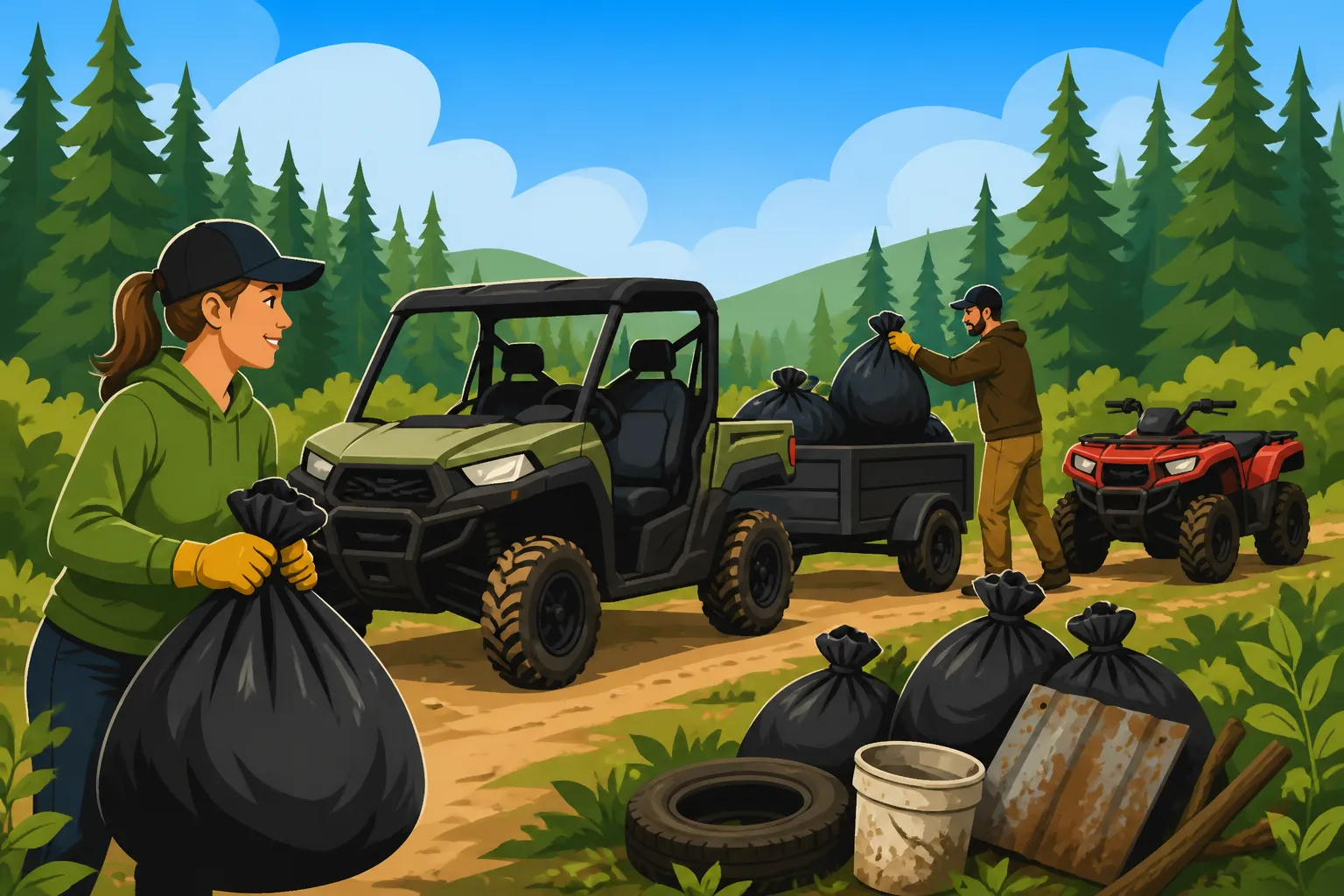
Set aside a sturdy, sealable bag or lidded container for waste before loading the ATV or UTV. A washable tote, a small covered bin secured in the truck, or a tough bag inside a trailer can keep wrappers and food scraps from blowing around on the drive home. For wet or messy items, use a second leak-resistant bag rather than putting everything together loose.
A practical kit might include:
- Heavy-duty bags for general waste
- Smaller sealable bags for food scraps and used wipes
- Work gloves for handling ordinary litter
- Paper towels or shop rags for spills
- A separate, secure container for small items that could leak
- A reusable container for cans or bottles you plan to recycle later
Keep the kit where you can reach it at the trailhead. If it is buried beneath ramps, riding gear, and coolers, the cleanup plan is much less likely to happen. Put one bag near the tailgate or trailer door and agree with your group that all shared waste goes there.
The details matter. A lightweight grocery bag can tear on a sharp can or a broken plastic part. An open bucket can spill when the truck turns onto a gravel road. A sealed container is especially useful for food waste, which can smell in a warm vehicle and attract insects. If you ride near Halsey, look over the access and staging information for Bessey OHV Trails at Halsey in Nebraska before the trip, and plan to carry your own waste container regardless of what amenities you expect to find.
Make the cleanup plan part of staging
Before unloading, take a moment to identify where waste will go and where it must not go. Keep bags away from hot exhausts, fuel containers, and spots where tires or ramps could crush them. Secure loose wrappers and empty packaging before a gust of wind carries them into the trees or down the road.
This is also a good time to assign one person to do a final walk-around. When a group is packing up several machines, people naturally focus on their own helmets, tie-downs, and equipment. A simple division of tasks helps: one person checks the riding area, another checks around the truck and trailer, and someone else confirms the trash container is closed and loaded.
If you are using a digital map such as onX Offroad to review the route and access point, add the end-of-ride cleanup stop to your mental plan too. Navigation can help your group stay oriented, but it does not replace reading signs at the site or checking posted instructions. For a broader look at sensible shared-site habits, see Nebraska Trail Etiquette Locals Expect and How to Unload and Stage Without Blocking Anyone.
Sort waste and handle messy items safely
Not everything left after a ride belongs in the same bag. A wrapper is easy to manage; a leaking fuel bottle, damaged battery, or oil-soaked rag needs more care. Sorting waste before you leave reduces the chance of a spill in your vehicle and helps prevent a small maintenance mess from becoming a trailhead problem.
Keep everyday litter contained
Collect food wrappers, drink containers, paper towels, broken straps, zip ties, and small plastic parts. Check beneath the truck, trailer, and machines, where scraps often get kicked or blown. Look around picnic tables, parking spaces, and unloading areas if your group used them. Do not assume that a small piece of plastic is harmless because it is easy to miss; lightweight litter can travel well beyond the place where it was dropped.
Food scraps deserve particular attention. An apple core or sandwich crust may seem natural, but it can attract wildlife and leave the site looking neglected. Put leftovers in a sealed bag rather than tossing them into brush or leaving them beside a parking area. Used wipes and hygiene products should also be packed out. They do not belong on the ground or in a fire ring.
If a trash receptacle is present, follow the instructions posted there. Do not cram waste into an overflowing bin or leave bags beside it. An animal can tear open an unattended bag, and wind can scatter loose material. When the receptacle is full or unavailable, keep your waste secured and take it with you to dispose of it properly elsewhere.
Separate spills, sharp objects, and hazardous waste
A small fuel or oil spill calls for more than a casual wipe with a paper towel. Stop the source if you can do so safely, keep the spill away from drains and water, and absorb the liquid with an appropriate material. Place contaminated absorbent material in a sealed, clearly separated container, then handle it according to local disposal guidance. Do not toss oily rags or fuel-soaked material into an ordinary open trash bin.
If a battery is damaged, a container is leaking, or you find an unknown chemical, avoid direct contact. Keep people and pets away, and contact the appropriate land manager or local waste service for instructions. Do not bury, burn, or abandon the material. For broken glass or metal, use gloves and a container that will not be punctured; never reach blindly into grass or brush.
A basic decision guide can help:
| Item | At the trailhead | Before disposal |
|---|---|---|
| Wrappers, bottles, and ordinary packaging | Place in a secured waste bag | Sort for recycling where accepted |
| Food scraps and used wipes | Seal separately from clean gear | Dispose of them in an appropriate facility |
| Broken straps or small machine parts | Contain so they cannot fall from the vehicle | Keep sharp pieces protected |
| Oil- or fuel-contaminated material | Isolate in a leak-resistant container | Follow local hazardous-waste guidance |
| Unknown chemicals or damaged batteries | Avoid handling and keep others clear | Ask the land manager or local waste service what to do |
An extra container may seem like needless cargo before the ride, but it is far easier than trying to contain a leak in a truck bed on the way home. If you are uncertain whether an item can go in regular trash, keep it separate until you can check disposal instructions.
Leave the staging area clean and usable
Trailheads are shared spaces. A careless departure can leave trash where another group unloads, block access for a vehicle, or create a hazard for people walking around the parking area. A final check takes only a few minutes and can prevent the familiar frustration of arriving at a site that has been left in poor condition.
Do a slow, deliberate walk-around
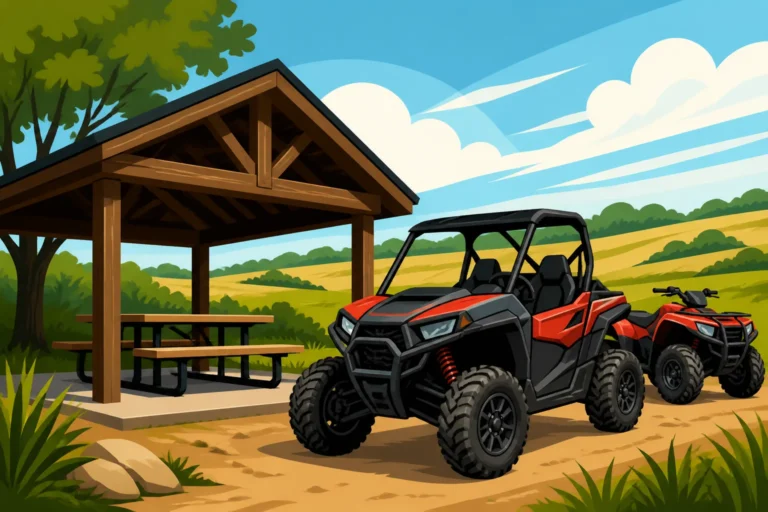
Before pulling out, walk around the truck, trailer, and unloading area. Check under ramps, around tires, near picnic tables, and along the edge of the parking space. Look for small items that might have fallen from a pocket or bounced off a machine, including food wrappers, gloves, tie-down pieces, and bottle caps.
Ask each rider to check their own machine and gear. A loose trash bag on a rear rack can blow off during the drive, while a can tucked into a storage compartment may leak or rattle loose. Make sure ramps and tie-downs are secure, but do not let the rush to get on the road turn into a missed cleanup.
For groups, the check works best when it is routine. One rider can inspect the parking space while another counts helmets and gear. A parent can ask children to check the area around their own machine, turning cleanup into part of the ride rather than a scolding afterthought. If you are riding at a place such as the Bessey Recreation Complex, follow the signs and instructions posted at the access point; conditions and site arrangements can differ from one location to another.
Avoid leaving waste or gear for the next group
Do not leave a full bag beside a bin, behind a sign, or near the edge of the woods with the idea that someone else will take care of it. The same goes for broken equipment, empty fuel containers, and parts that no longer fit your machine. If you brought it in, plan to take it out.
Pay attention to where you park while sorting and loading. Keep the travel lane, access road, and space needed for other trailers clear. If your group needs extra room to load, organize machines and gear efficiently rather than spreading items across a neighboring space. Nebraska Trailheads With Trailer Parking can help with advance planning, but posted site directions should guide your choices once you arrive.
When cell service is unreliable, download or save your route information before leaving home and carry a backup plan. onX Offroad may help you review an area and keep track of your intended route, while a saved map or paper copy can be useful if a phone loses signal or battery. The more confidently your group knows where it is staging, the easier it is to avoid wandering into closed or unsuitable areas while looking for another place to unload. See Planning for No Cell Service on a Forest Ride and Why You Still Carry a Paper Trail Map for more on preparing for limited connectivity.
Build pack-out into every Nebraska riding trip
Trash management is not only for large weekend groups or long rides. A solo rider can leave a wrapper, and a family can accumulate a surprising amount of packaging over a few hours. Making pack-out a habit protects shared access areas and avoids the awkward end-of-day scramble to find a bin that may not be available.
Check site instructions and trail conditions
Before towing out, confirm where your group can legally ride and where it can park. Nebraska riding opportunities vary by land manager and location, so do not assume that rules at one site apply at another. Review Nebraska National Forest Riding and check current site signs and official information for the area you plan to visit. A map app such as onX Offroad can be one planning aid, but it should not be treated as permission to use a route or as a substitute for land-manager rules.
Conditions can also affect how and where you pack. Rain, wind, and heavy use may leave a staging area muddy, crowded, or difficult to navigate with a trailer. Check Nebraska Trail Conditions Before You Tow before a trip, then adjust your load and cleanup kit accordingly. In wet weather, keep waste bags out of standing water and secure them so they cannot slide off a muddy tailgate.
If the site has posted directions about waste, fires, parking, or access, follow those directions. If you cannot tell where an item should go, keep it secured and ask the relevant land manager or local disposal service later. Leaving it behind because the instructions are unclear only transfers the problem to the next visitor.
Use a repeatable end-of-ride routine
A routine takes less time than trying to remember every detail while people are tired. Use the same order each time:
- Turn off and secure machines before handling loose items.
- Gather trash, food scraps, and used wipes into separate containers.
- Check the ground beneath vehicles, trailers, and unloading gear.
- Secure all bags and containers in the truck or trailer.
- Walk the site once more before leaving.
- Dispose of waste at an appropriate location, following local instructions.
The routine can be adapted for a quick afternoon ride or a multi-day trip. On a longer outing, keep clean recycling separate from oily or wet waste, and make sure no one uses the same container for food and contaminated materials. If the group has children, give them a specific task such as checking around the picnic area or collecting their own snack packaging.
Planning with onX Offroad can help organize the riding portion of a trip, while a clear pack-out routine handles the part that often gets overlooked after the machines are loaded. Think of both as preparation: know where you intend to go, know what you will bring, and know what you will carry home. That small amount of organization helps keep Nebraska trailheads welcoming for the next riders.
Disclaimer
This article is for general informational purposes only and does not constitute professional advice. Laws, prices and regulations vary by location and change over time. Consult a qualified professional for guidance on your specific situation.