Nebraska Supervision at a Private Park
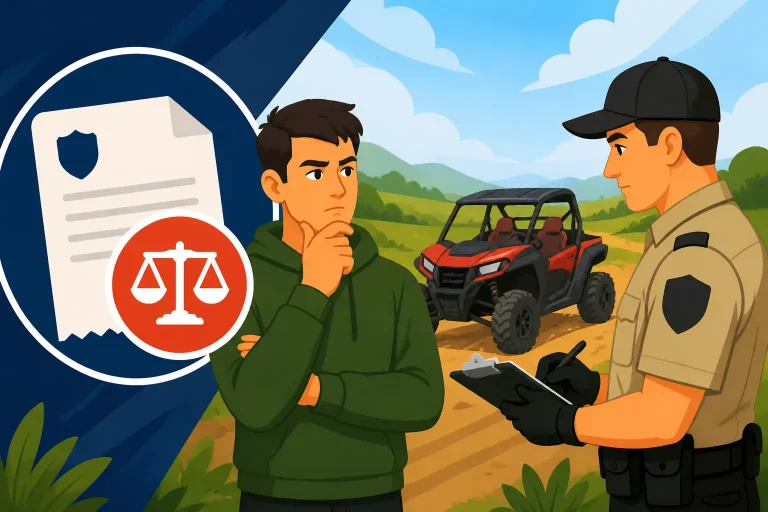
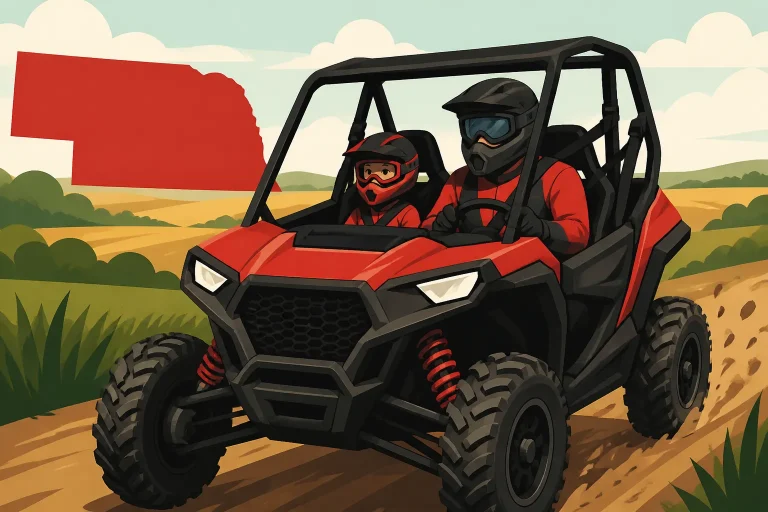
A child may be allowed to ride at a Nebraska private ATV park only if an adult comes along—or the park may require an adult to supervise every young rider on the trail. The hard part is that supervision rules can differ from one facility to another. Here’s how to check the park’s policy, plan for the visit, and avoid confusing its rules with state permits or road-use laws.
Who sets supervision rules at a private park?
A private riding park can set conditions for using its property, including who may ride, what ages need supervision, and what the supervising adult must do. That means there may not be one supervision rule that applies to every private ATV or UTV park in Nebraska. A child being allowed to operate a machine under one facility’s policy does not guarantee another park will allow it.
The park may use terms such as adult supervision, parent or guardian supervision, or accompanied by an adult. Those phrases can have different practical meanings. For example, a rule might require an adult to be present at the property, stay in the riding group, or be close enough to intervene. Don’t assume that dropping off a child with an older sibling or an adult friend will meet the policy.
Age rules and supervision rules also aren’t the same thing. A facility could set a minimum age to operate, require a parent or guardian to sign a waiver, and require an adult to accompany certain riders. Meeting one condition doesn’t automatically meet the others. For a closer look at how facilities handle age limits, see Nebraska Private Park Age Minimums. The question of whether the state sets a general riding-age rule is covered in Does Nebraska Set a Minimum Age for Riders?.
Before traveling, check the park’s current rules directly. Look for written policies on the facility’s official website or contact the park and ask about the specific rider’s age and machine. Rules can change, and a general statement such as “family friendly” doesn’t tell you whether a child can ride independently.
| Question | Why it matters | What to confirm |
|---|---|---|
| Is there a minimum age to operate? | A park may restrict who can drive, even with an adult present. | The age limit for the specific machine type and trail area |
| Who qualifies as a supervising adult? | The facility may require a parent or guardian, not just any adult. | Whether a relative or other responsible adult is accepted |
| Where must the adult be? | “Present” may not mean the same as riding alongside the child. | Whether the adult must ride, follow in a separate machine, or remain nearby |
| Does the adult need a waiver? | An adult may have to sign for themselves and a minor. | Which forms are required and who must sign them |
| Are passenger rules separate? | A child may be allowed to ride but not carry a passenger. | Whether the machine is designed for passengers and the park permits them |
| Does supervision change by area? | A practice area and a more difficult trail may have different expectations. | Any age, route, or escort restrictions for specific areas |
What to ask before you go
A short call or message can prevent an unpleasant surprise at the gate. Give the park the rider’s age, describe who will accompany them, and name the type of machine they plan to use. If the child will drive a youth ATV, mention that. If they will ride as a passenger in a UTV, ask about that arrangement separately.
Useful questions include:
- What is the minimum age to operate this type of machine? Ask about the exact machine, not just “ATVs.” A youth quad, adult quad, and side-by-side may have different rules.
- Does the rider need a parent or legal guardian, or can another adult supervise? If another adult is coming, explain the relationship and ask whether a signed permission form is needed.
- What does supervision mean at your park? Ask whether the adult must ride with the child, stay in the same group, or be within a certain area.
- Can the supervising adult ride a different machine? This matters if the child is on a youth-sized machine and the adult plans to use a larger one.
- Can a child ride as a passenger? Don’t assume permission to ride as a passenger means permission to drive, or the reverse. The park may have separate requirements for passengers and machine capacity. See Does a Private Park Allow Passengers on a Quad?.
- Are there separate rules for the practice area and trail system? A park may treat a designated beginner area differently from more challenging routes.
- Which waivers and documents must be completed? Ask whether forms are available in advance and whether every rider, including a minor, must be listed.
- Are there other youth requirements? Ask about helmets, protective equipment, safety briefings, or age limits for particular facilities. Park policies can be stricter than what a rider expects from ordinary off-road use.
It helps to get the answer in writing, especially if the policy is important to your plans. Save the message or take a screenshot of the current rules. If the website and a staff member give different answers, ask which policy applies and whether the staff member can confirm it before your trip.
For minors, paperwork deserves particular attention. A parent or guardian may need to complete a waiver, but signing a waiver does not necessarily satisfy a separate supervision requirement. A park may expect the adult to remain at the facility or accompany the child throughout the ride. The details are different enough that it’s worth asking directly. See Who Signs the Waiver for a Rider Under 18 for the related paperwork question.
Supervision, permits, and road rules are different
A private park’s supervision policy is a property-use rule. It should not be confused with a state permit, a title, insurance, or permission to ride on public roads. Each addresses a different issue.
Nebraska does not have a general statewide OHV permit or sticker that automatically gives a machine access to private riding parks. A private facility may still charge admission, require a waiver, or impose its own rules. Those requirements come from the facility, not from a state OHV permit. See Nebraska Has No OHV Permit or Sticker for the distinction between a statewide OHV permit and other permissions a rider may need.
A park visit also doesn’t make public-road use legal. A machine that can be ridden on a private course may still be restricted on public roads, and any separate road-use conditions still apply when traveling to or from the park. Check the specific road rules rather than treating park admission as approval to operate on streets or highways. The broader overview is Can You Drive an ATV on the Road in Nebraska?.
The same distinction applies to titles and proof of ownership. A park’s decision to admit a machine does not resolve whether the machine has the paperwork required for ownership or a sale. If you’re uncertain what documents establish ownership, review Nebraska Proof of Ownership on the Trail and confirm what the park itself asks riders to bring.
Use this checklist to keep the different requirements straight:
- Supervision: Does the park allow this rider, and what must the accompanying adult do?
- Admission and waiver: Does each person need to check in, pay admission, or complete a release?
- Machine rules: Is the ATV or UTV allowed on the facility’s routes, and does it meet any size or equipment limits?
- Road travel: Are you transporting the machine, or planning to ride it on a road under separate rules?
- Ownership and insurance: Does the park ask for proof, or do you need documents for another part of your trip?
A park may not ask for every document on that list. The point is to avoid assuming that satisfying one requirement covers the rest. Call the facility about its admission, rider, and supervision rules, then check the relevant state or local requirements for any other part of the trip.
Planning a supervised ride
Once the park confirms its policy, plan the visit around the adult’s role—not just the child’s riding time. If the adult must remain with the child on the trails, make sure the adult is prepared to ride and can use the route the child will take. If the child is new to riding, ask whether the park has a beginner area or offers guidance before entering the trail system.
Before leaving home:
- Confirm the policy for the rider’s age and exact machine.
- Verify whether the supervising person must be a parent or guardian.
- Complete any forms the park provides, and check who must sign them.
- Ask about age limits, passenger rules, equipment, and any restricted areas.
- Make sure the adult can keep the child in sight or remain with the group as required.
- Review the park’s current admission and operating information before setting out.
- Bring any documents or contact details the facility specifically requests.
At the park, listen to the check-in instructions and ask staff to clarify anything that conflicts with what you were told earlier. Rules may apply differently to a youth machine, a passenger, or a particular area. If the child is asked to stay with an adult or use a designated area, follow that instruction even if the child has ridden elsewhere without the same condition.
A parent’s confidence in a young rider is not a substitute for the park’s policy. Nor does meeting the park’s minimum supervision requirement guarantee that a rider is ready for every trail. Choose a route suited to the child’s experience, keep a close eye on changing conditions, and be ready to turn back if the terrain or pace is beyond the rider’s ability. A voluntary course can help build basic skills, but it does not replace the facility’s rules; see Nebraska Safety Course Options.
If the park’s requirement doesn’t work for your group, ask whether it has a different area or session that does. Otherwise, postpone the ride or choose a facility whose rules fit the child’s age, experience, and available supervision. Confirming those details ahead of time is simpler than arriving at the gate and discovering that the planned adult, machine, or riding arrangement is not allowed.
Disclaimer
This article is for general informational purposes only and does not constitute professional advice. Laws, prices and regulations vary by location and change over time. Consult a qualified professional for guidance on your specific situation.