What an ATV Safety Course Actually Teaches You
An ATV safety course teaches controls, hazard awareness, protective gear and responsible riding, but it does not replace Nebraska trail rules or permits.
Your sticker stops at the state line.
Non-resident permits, what they cost and how long they last, and which states honor each other’s — or, increasingly, none at all.

An ATV safety course teaches controls, hazard awareness, protective gear and responsible riding, but it does not replace Nebraska trail rules or permits.

Nebraska’s voluntary online ATV safety course can build safer habits, but it does not replace land-access rules, permits or park requirements.
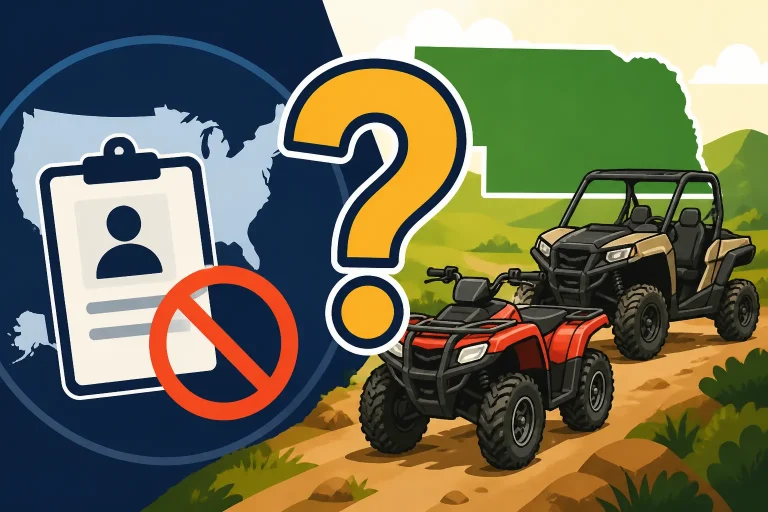
Out-of-state riders generally need no Nebraska OHV sticker, but trail access, park entry, local road rules, and site fees still depend on where they ride.
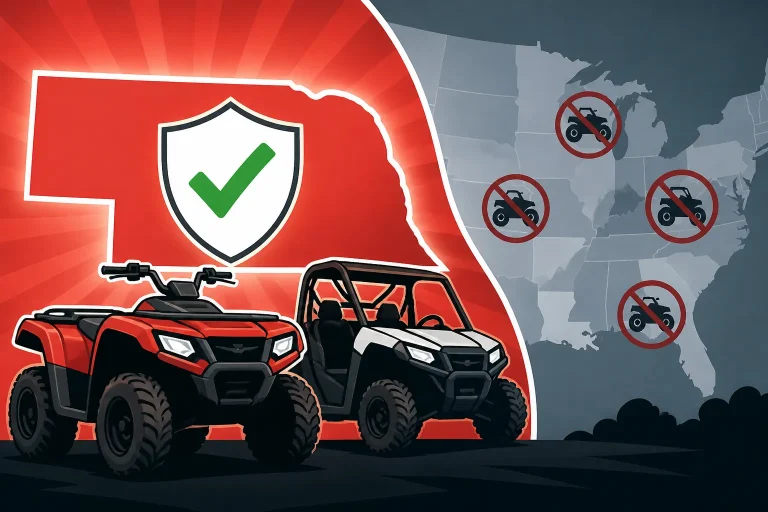
Nebraska has no statewide ATV registration to reciprocate with other states; visitors must check local, land-access, road-use, and site-specific rules.
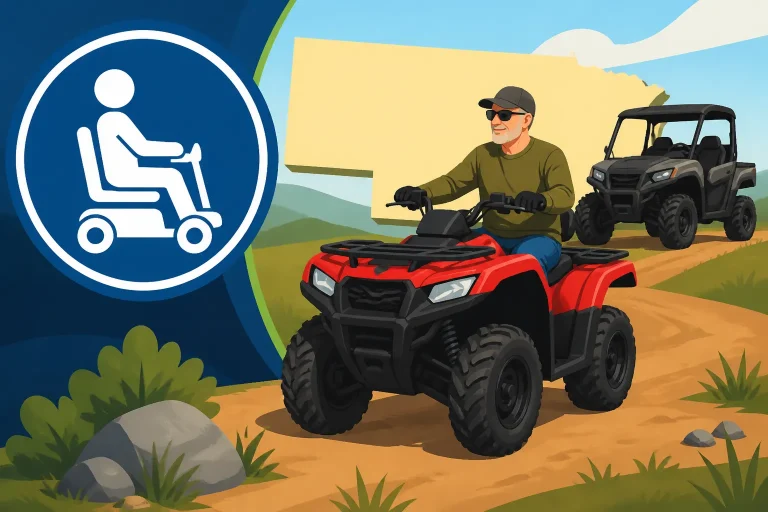
Nebraska mobility permits may open specific access for riders who cannot walk far, but they do not authorize ATV use everywhere. Check routes first.
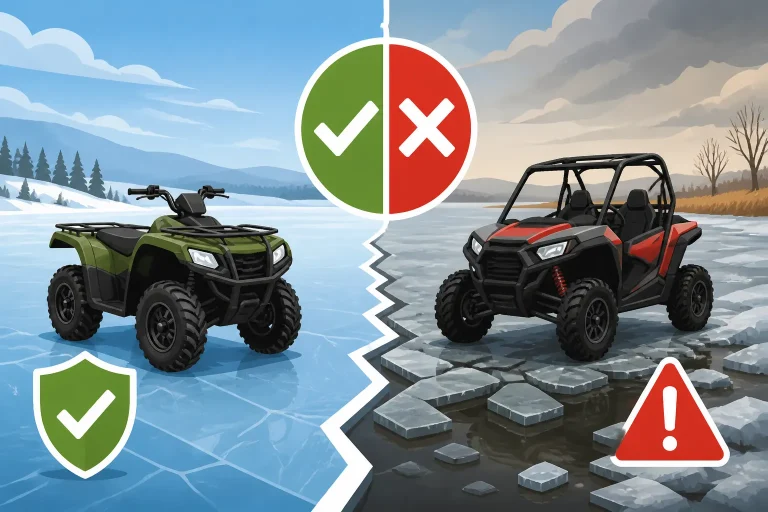
Nebraska frozen lake closure signs and land manager rules explain how to verify legal ATV and UTV access before unloading.
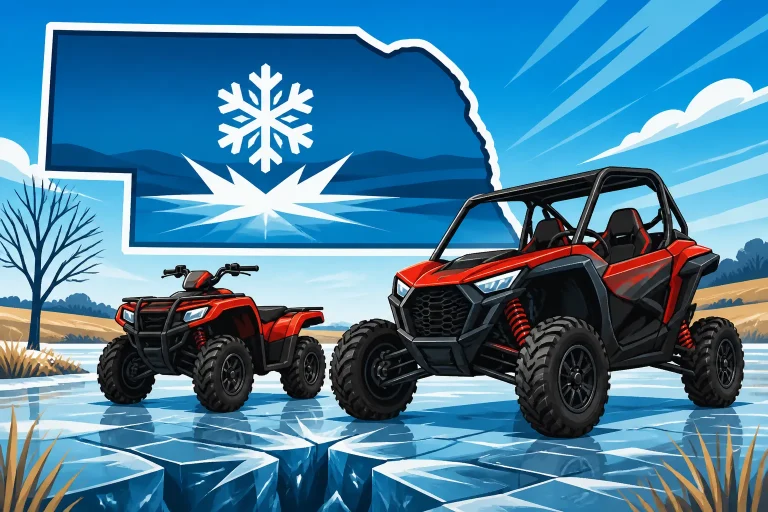
Nebraska’s frozen-water ATV exception is limited and site-specific. Check the land manager, access route, signs and ice conditions before riding.
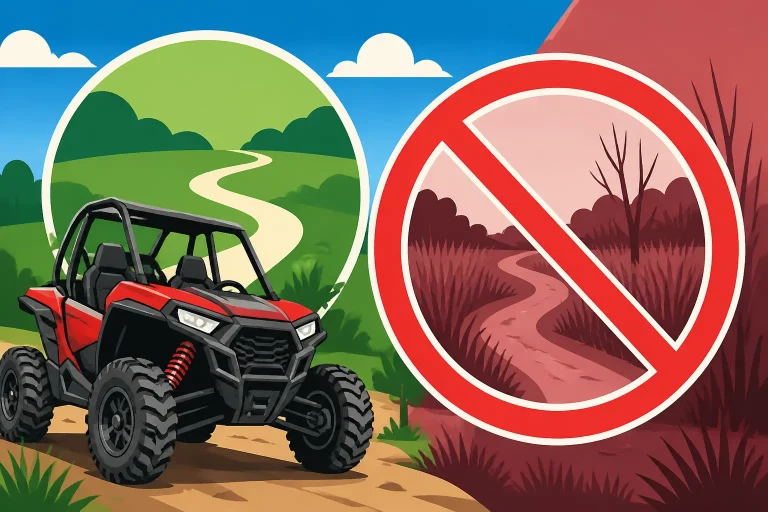
Nebraska WMA trails are not automatically open to ATVs; ride only designated roadways and verify current maps, signs, and closures before unloading.
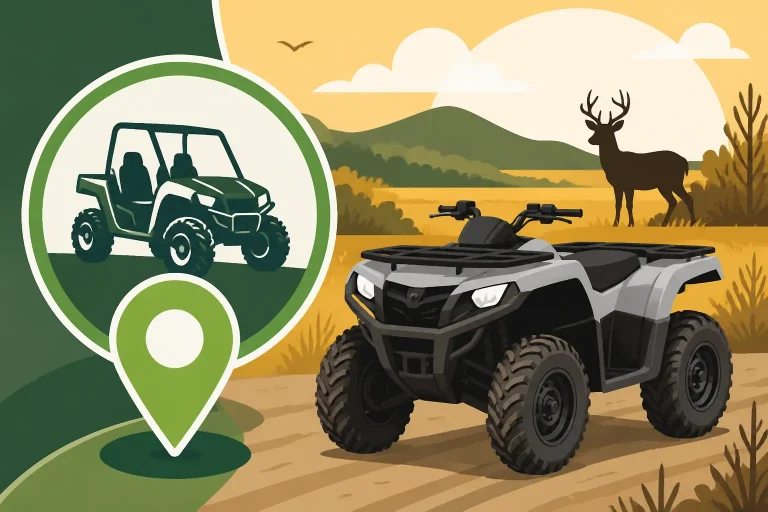
Where you can park on a Nebraska Wildlife Management Area depends on posted access points and rules; use marked lots, keep roads clear, and confirm ATV access.
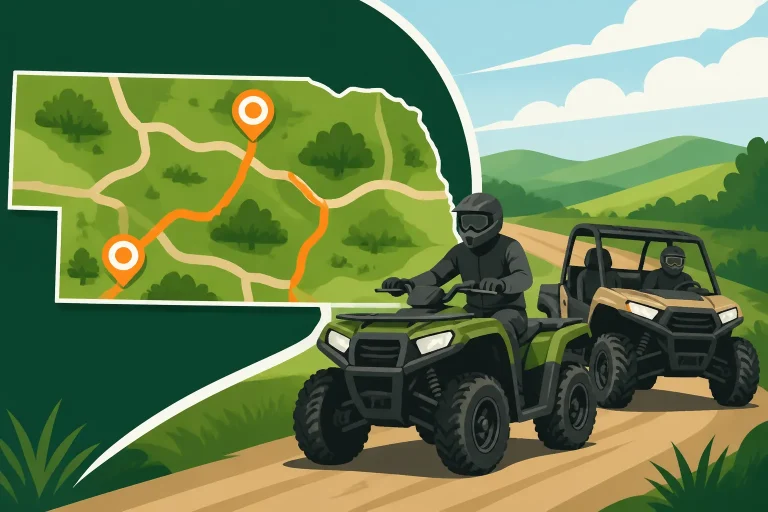
Designated roadways on Nebraska management areas limit ATV access to marked routes; check area maps, signs, and current rules before riding.