Nebraska Rules for Riding a Section Line
There's a unique kind of freedom that comes with owning an ATV or UTV in a state like Nebraska, where wide-open spaces beckon. But with that freedom comes the nagging question for many riders: can I really just hop on my machine and explore those tantalizing section lines I see crisscrossing the landscape? It’s a common point of confusion, and the answer isn't always as simple as a yes or no. This guide is here to untangle the complexities of Nebraska law regarding ATV and UTV use on section lines, helping you navigate the nuances and ride responsibly.
Understanding Section Lines in Nebraska
When you look at a plat map or even just drive through rural Nebraska, you'll often notice a grid pattern—perfect squares making up sections, townships, and ranges. These lines are more than just imaginary boundaries; they are deeply rooted in the history of land surveying and ownership in our state. Understanding what they are is the first step to knowing how you can, or cannot, ride them.
What Exactly is a Section Line?
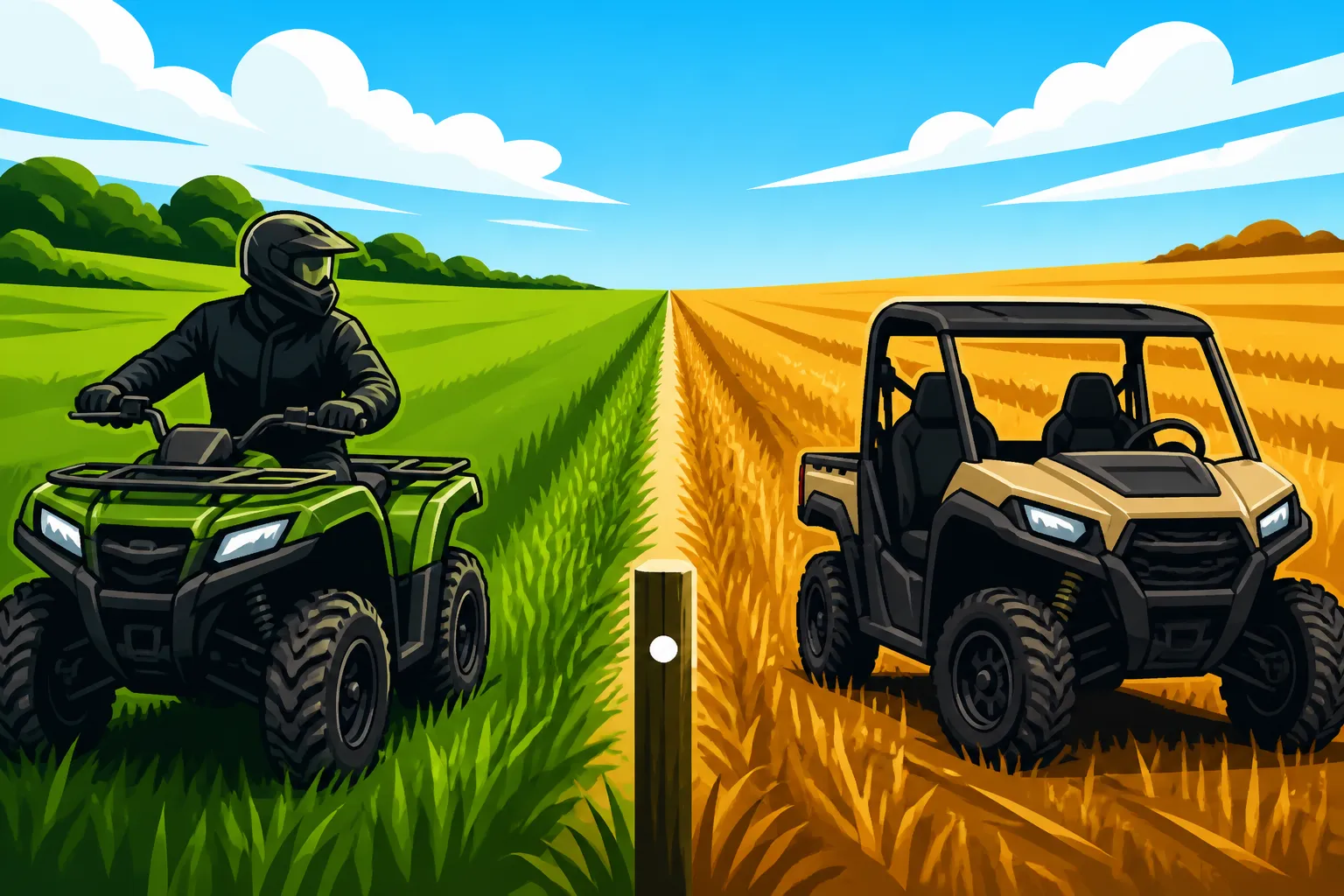
A "section line" refers to the surveyed boundary lines that divide land into square-mile sections, a system established by the Public Land Survey System (PLSS). Historically, these lines were intended to facilitate clear property ownership and land transactions. In many cases, county roads were eventually established along these section lines, creating the familiar rural road network. However, not every section line has a paved or even graveled public road on it. Many remain simply as property boundaries, sometimes marked by fences, rows of trees, or just open fields. The crucial distinction here is that while they are lines of survey, they don't automatically confer public access or usage rights like a dedicated public roadway. They might be within a farmer's field, dividing two privately owned parcels, or marking the edge of a ranch.
The Legal Status of Section Lines for Vehicle Use
This is where the rubber meets the road, quite literally. In Nebraska, a section line that has not been formally designated, developed, and maintained as a public road (like a county road) generally remains private property. This means that while it represents a boundary, it doesn't grant an implied easement or automatic right for the public to drive or ride vehicles, including ATVs and UTVs, along it. It’s a common misconception, especially for those new to rural areas, to assume that any straight line separating fields must be accessible. This isn't the case. If a section line runs through a private field, even if it's not fenced, it's still part of that private property. Without explicit permission from the landowner, riding on such a section line would constitute trespassing.
Nebraska Law and ATV/UTV Access on Section Lines
The laws surrounding ATV and UTV use in Nebraska are often focused on whether a machine is operating on private land, public roads, or designated trails. Section lines occupy a bit of a gray area if they aren't clearly one or the other.
The General Rule: No Automatic Access
Simply put, Nebraska law does not grant automatic public access to section lines for ATV or UTV riding unless that section line has been formally opened, constructed, and maintained as a public road by the county or other governmental entity. Think of it this way: if it looks like a road, and acts like a road (graded, signed, used by regular vehicles), it's probably a road. If it's just a line through a field, even if it's cleared or used as a farm track, it's still likely private. This is a crucial point for riders who want to stay on the right side of the law. Mistaking a private farm track along a section line for a public thoroughfare can lead to serious consequences. This general rule also applies to things like [Nebraska Rules for Riding a Ditch] – just because it's public right-of-way doesn't mean it's an open invitation for ATVs.
Exceptions and Nuances
While the general rule is strict, there are, of course, exceptions and nuances to consider.
- Farm Use and Agricultural Operations: One of the most significant exceptions in Nebraska involves agricultural use. Farmers and ranchers often use ATVs and UTVs on their own land, which naturally includes crossing or driving along section lines that traverse their property or connect different parts of their operation. Nebraska law specifically provides for agricultural exemptions for ATV use on public roads under certain conditions, such as moving between fields. When it comes to section lines that are part of their private land, their use of ATVs is generally unrestricted. For more about this, check out [Nebraska's Agricultural Road Exception].
- Landowner Permission: This is perhaps the most straightforward way to gain legal access to a section line that is otherwise private. If you have explicit permission from the landowner whose property the section line crosses, you can ride your ATV or UTV there. This permission should ideally be in writing, especially if you plan to make it a regular riding spot. Verbal permission can be hard to prove if there's ever a dispute or misunderstanding.
- Local Ordinances: While less common for section lines specifically, some local jurisdictions (cities or counties) might have unique ordinances that affect ATV use. For instance, a county board might pass a resolution opening certain unincorporated village streets to ATVs, but this rarely extends to undeclared section lines. Always be sure to check [Nebraska City Ordinances That Open Streets] if you're thinking of riding near a populated area, but remember this is distinct from rural section lines. However, the default remains private unless otherwise stated by the landowner or a specific, official designation.
Navigating Permission and Property Rights
Since explicit permission is often the only legal way to ride a private section line, knowing how to obtain it respectfully and responsibly is key. This isn't just about avoiding a ticket; it's about being a good neighbor and preserving access for all riders.
The Importance of Landowner Permission
Gaining permission from a landowner isn't just a polite suggestion; it's a legal necessity. Riding on private land without permission is trespassing, a civil and potentially criminal offense in Nebraska. Beyond the legal ramifications, unauthorized riding can damage relationships between riders and landowners, leading to more "No Trespassing" signs and a general negative perception of ATV enthusiasts. A landowner has the right to control who accesses their property and how it's used. By seeking permission, you show respect for their property rights and open the door for a mutually beneficial relationship. For instance, you might offer to help with a task, like closing gates or checking fences, in exchange for riding access. [Getting Written Permission From a Ranch Landowner] is always your best bet.
Identifying Property Owners Along a Section Line
So, you've found a section line you're interested in exploring. How do you figure out who owns the land? The most reliable way is through your local County Assessor's office or Register of Deeds. These offices maintain detailed records of property ownership, including plat maps that show boundaries and owner information. Many counties now have this information available online, allowing you to search by parcel number, owner name, or even by zooming in on a map.
Here's a basic process:
- Locate the section line on a map: Use online mapping tools (like county GIS sites) to pinpoint the exact location.
- Identify adjacent parcels: See which properties touch the section line you're interested in.
- Find owner information: Use the county's online portal or visit the Assessor's office to get the names and contact information for those landowners.
- Make contact: Reach out respectfully, explain your interest, and ask for permission.
Be prepared for some landowners to say no, and always accept their decision gracefully.
Respecting Posted Signs and Boundaries
This should go without saying, but it's critically important. If a section line, or any private property, is marked with "No Trespassing" signs, or if you encounter fences and closed gates, these are clear indicators that riding is not permitted without explicit, prior consent. Disregarding these signs is not only illegal but also demonstrates a severe lack of respect for private property. Remember the rule: if in doubt, stay out. It’s always better to err on the side of caution than to risk a confrontation or legal trouble. Sometimes, even if a gate isn't locked, it's there for a reason – perhaps to contain livestock. Always follow the rule: [Leaving Pasture Gates the Way You Found Them].
Practical Tips for Responsible Section Line Riding
Even with permission, responsible riding is paramount. You want to ensure you're a good steward of the land and a respectful guest.
Safety and Environmental Considerations
Riding on section lines, especially those not formally maintained as roads, often means traversing varied terrain. You might encounter uneven ground, hidden obstacles, and sensitive ecosystems.
- Low Impact Riding: Stick to established tracks or the edges of fields if that's what's been permitted. Avoid creating new ruts or damaging crops, irrigation systems, or fences. Respect any restrictions the landowner might have, such as "stay off during wet conditions" to prevent soil compaction and erosion.
- Avoiding Crops and Livestock: Never ride through planted fields, even if they appear barren or harvested. Crops represent a farmer's livelihood. Similarly, give livestock a wide berth. Driving too close or revving engines can stress animals and damage fences they might push through.
- Environmental Protection: Be mindful of local wildlife and natural habitats. Avoid riding through sensitive areas like wetlands or dense thickets where animals might be nesting. Pack out everything you pack in, and leave no trash behind. Being a responsible rider helps ensure these areas remain accessible for future enjoyment, whether by ATV or simply by enjoying nature.
- Using the Right Gear: Ensure your machine is equipped for the terrain. Good tires are essential, and accessories like a sturdy winch from a brand like SuperATV can be invaluable if you get stuck in mud or sand, ensuring you don't have to leave ruts from spinning tires unnecessarily.
Essential Gear for Section Line Adventures
Beyond the basics of a helmet and appropriate riding attire, consider these items for section line exploration:
- Navigation Tools: A GPS device or a reliable mapping app on your phone (with downloaded offline maps, as cell service can be spotty) is critical. This helps you stay on the agreed-upon path, avoid straying onto unapproved property, and find your way back.
- Communication Device: A fully charged cell phone is a must. Consider a satellite messenger for areas with no cell service – particularly useful if you're out in the more remote Sandhills.
- Basic Repair Kit: Tools to fix a flat tire, a small air compressor, and basic hand tools can get you out of a bind.
- First Aid Kit: Always carry one for minor injuries.
- Recovery Gear: Beyond a winch, a tow strap and shackles are good to have. Companies like SuperATV offer a range of recovery gear that can be invaluable in unexpected situations.
- Water and Snacks: Dehydration can be a real danger, especially during Nebraska's hot summers.
- Landowner Contact Info: Keep the permission agreement and the landowner's contact information easily accessible.
What to Do if You Encounter a Gate or Fence
This is a common scenario when riding rural section lines.
- Always Close Gates: If you open a gate to pass through, always close it behind you. This is non-negotiable, especially on ranch land where livestock containment is paramount.
- Never Cut Fences: Fences are expensive to install and maintain, and they are critical for property management. Cutting, damaging, or otherwise circumventing a fence is illegal and a sure way to lose any riding privileges you might have.
- If it's locked: A locked gate means "no entry." Do not attempt to climb over or go around it. This is a clear indication that the landowner does not want unauthorized access. Respect it.
- Communication: If you have permission to cross a gated area, clarify with the landowner ahead of time how they want you to handle the gates.
Avoiding Legal Trouble and Local Specifics
Understanding the rules is your best defense against unintended legal problems. Being proactive and informed will save you a lot of headaches.
Potential Penalties for Trespassing
Riding on private section lines without permission is trespassing. In Nebraska, trespassing can lead to:
- Fines: Depending on the specifics, fines can range from minor infractions to more substantial penalties.
- Machine Impoundment: In some cases, authorities may impound your ATV or UTV, leading to additional costs for towing and storage, not to mention the inconvenience.
- Civil Lawsuits: A landowner could pursue a civil lawsuit against you for damages to their property.
- Loss of Riding Privileges: Beyond the immediate legal trouble, a trespassing incident can make it much harder to gain permission to ride on other private lands in the future, as your reputation as a responsible rider takes a hit.
It's a stark reminder that what might seem like a harmless joyride can have serious, expensive repercussions. This is why it's so important to understand [Nebraska Trespass Law for Riders].
Checking Local Ordinances
While the general state law governs most situations, specific counties or even smaller incorporated villages might have their own ordinances that could affect section line access. These are rare for undeclared section lines, but it's good practice to be aware.
- County Board Resolutions: A county board might pass a resolution to open certain "minimum maintenance roads" to ATVs. These are often gravel or dirt roads that are part of the public road system but receive less frequent maintenance. However, this is distinct from an undeclared section line running through private property.
- Village Ordinances: Small villages might have ordinances allowing ATVs on certain streets within their limits. Again, this is typically for designated streets, not necessarily adjacent section lines that aren't public roads.
- Where to Check: The best place to check for local ordinances is the county clerk's office or the city clerk's office for a specific village. Many now have their ordinances available on their official websites.
The safest approach remains: assume all section lines are private property unless they are clearly marked as public roads or you have explicit permission from the landowner. Don't rely on assumptions or what you think might be permissible.
Here’s a quick guide to what to do and what to avoid when considering a section line ride:
| Action | Description | Why It Matters |
|---|---|---|
| DO Seek Permission | Always ask the landowner for explicit permission before riding on any section line that crosses private land. | It's a legal requirement and shows respect for property rights. |
| DO Get it in Writing | Verbal permission can be easily misunderstood. A simple written note offers clarity for everyone. | Protects you from misunderstandings and potential trespassing charges. |
| DO Close Gates | If you open a gate to pass through, always close it immediately behind you. | Crucial for livestock containment and property security. |
| DO Stick to Agreed Paths | Only ride on the areas the landowner has given you permission for, avoiding crops and sensitive areas. | Minimizes damage, preserves the land, and maintains your good standing with the owner. |
| DO Carry Essentials | Pack a map, GPS, communication device, basic tools, and water. | Ensures safety and self-sufficiency in remote areas. |
| DON'T Assume Access | Never assume a section line is public just because it looks like a track or isn't fenced. | Most section lines on private land are not public access points for vehicles. |
| DON'T Ignore Signs | "No Trespassing" signs, locked gates, and fences are clear indicators to stay out. | Disregarding these is illegal and can lead to confrontation and legal penalties. |
| DON'T Damage Property | Avoid creating ruts, damaging crops, disturbing fences, or littering. | Demonstrates irresponsible behavior and can lead to fines or lawsuits. |
| DON'T Harass Wildlife | Give livestock and wild animals a wide berth. Avoid loud noises or rapid movements near them. | Stresses animals and can lead to dangerous situations. |
| DON'T Challenge Owners | If a landowner denies permission or asks you to leave, do so immediately and respectfully. | Prevents escalation of conflict and potential legal action. |
Disclaimer
This article is for general informational purposes only and does not constitute professional advice. Laws, prices and regulations vary by location and change over time. Consult a qualified professional for guidance on your specific situation.