Nebraska Rules for Riding a Ditch
It’s a scene many of us know all too well: you’re out for a ride on your ATV or UTV, cruising down a gravel county road, and you think, "Hey, this ditch looks like a perfectly good place to ride, away from traffic." It seems logical, right? Out of the way, less dust for other drivers, maybe even a little more adventurous. But in Nebraska, what seems logical isn't always legal, and ditch riding is one of those areas rife with confusion and potential trouble. This guide will cut through the uncertainty, explaining exactly what Nebraska law says about riding your machine in a ditch, what the risks are, and where you can legally and safely enjoy your off-road vehicle.
Understanding Nebraska's ATV Road Use Laws and the Ditch Question
When we talk about ATVs and UTVs in Nebraska, the legal landscape for road use is pretty specific. Most of us probably understand that generally, these machines aren't street-legal for cruising down Highway 2. But what about the less-defined areas, like the ditch right alongside that county road? That's where things get murky for a lot of riders.
The General Prohibition on Roadways
The fundamental rule in Nebraska is that ATVs and UTVs are primarily designed for off-road use. State statutes largely prohibit their operation on public roads and highways. Now, when we talk about a "roadway," this isn't just the paved or graveled surface where cars drive. In the eyes of the law, the "right-of-way" for a public road typically extends much further, often encompassing the shoulders, the ditches, and even portions of the adjacent land. So, even if you’re not on the gravel, you might still be considered to be operating within the restricted public right-of-way.
This broad definition is often the source of frustration for riders. You might think you're being courteous by staying out of the way of cars, but legally, you could still be in violation. The intent behind these laws is multi-faceted: it’s about safety for both ATV riders and motorists, preventing damage to public infrastructure, and maintaining clear boundaries for where different types of vehicles can operate. It's not always intuitive, but it’s the framework we operate within.
Where the Agricultural Exception Comes In
Now, there’s a crucial exception in Nebraska law that often leads to confusion, particularly when it comes to riding in ditches. Nebraska statute 60-6,356 allows for the operation of ATVs and UTVs on public roads and highways for specific "agricultural purposes." This is a big one for our state, given the widespread farming and ranching operations. An ATV or UTV can be legally operated on a public road, including its shoulders and ditches, if it's being used for things like checking cattle, moving between fields, spraying crops, or transporting equipment related to farming or ranching operations.
However, and this is a critical distinction, this exception is not a free pass for recreational ditch riding. If you’re just out for a joyride, heading to a friend’s house, or simply exploring, that’s generally not considered an "agricultural purpose." Law enforcement officers are well-versed in these distinctions and can determine if your use genuinely falls under the agricultural exemption. Misinterpreting this can lead directly to a ticket and other penalties. It’s vital to understand [When Farm Use Makes an ATV Road Trip Legal] and ensure your activity genuinely qualifies.
The Local Control Angle: Cities and Counties
While state law sets the baseline, there's another layer of complexity: local ordinances. Nebraska gives cities and county boards the authority to enact their own rules regarding ATV and UTV use on public roads within their specific jurisdictions. This means that while state law might generally prohibit ditch riding, a city council or a county board could potentially pass an ordinance that changes things in a very specific, localized area.
For example, a small, unincorporated village might have a county board resolution allowing ATVs on certain streets or even ditches within village limits, often for purposes like snow removal or local transportation. Similarly, a city might open specific streets, but these ordinances rarely extend to general ditch riding for recreation. It’s absolutely essential to check with your specific city or county government for their local rules. Don't assume that because your neighbor in another county can ride somewhere, you can too. Always confirm the current regulations with local authorities, as the patchwork of rules can be quite perplexing. Knowing [How a Town Ordinance Opens Its Streets to ATVs] or [How a County Board Opens a Village to ATVs] is key to staying legal.
The Practical Realities and Risks of Ditch Riding
Beyond the legalities, riding your ATV or UTV in a ditch presents a whole host of practical concerns and dangers that many riders might not immediately consider. It’s not just about getting a ticket; it’s about safety, the integrity of your machine, and your own well-being.
Safety Concerns in a Ditch Environment
Ditches are, by their very nature, unpredictable environments. Unlike a purpose-built trail, they aren't maintained or designed for ATV traffic. You're likely to encounter hidden obstacles like culverts, which can cause sudden drops or impact damage if you don't see them coming. Rocks, old fence posts, broken concrete, and even discarded farm equipment can be concealed by weeds or tall grass, turning a seemingly smooth ride into a hazardous incident. Erosion is also a major factor, creating unexpected ruts, washouts, and steep, unstable inclines that can easily upset an ATV or UTV.
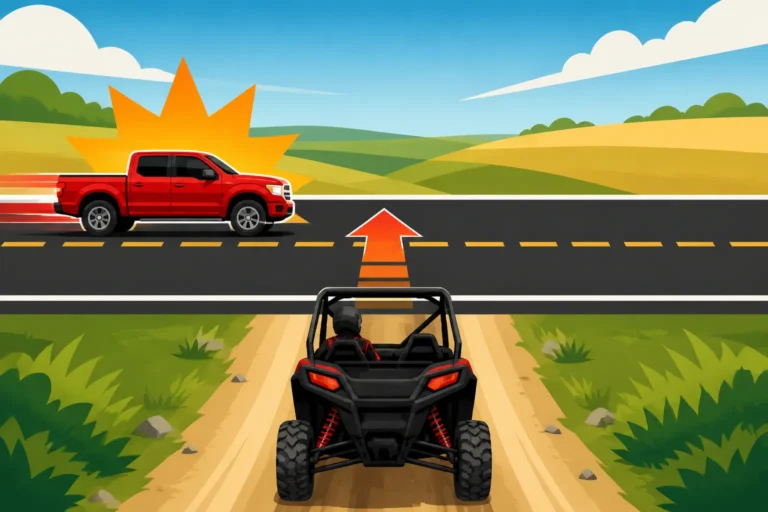
Visibility is another huge issue. If you’re riding in a deep ditch, you might not be visible to vehicles on the road, especially at intersections or when a car is turning onto a side road. Conversely, you might not be able to see approaching traffic until it's too late. The unexpected terrain can also make it difficult to maintain control, increasing the risk of rollovers or collisions. Even a minor fall in a ditch can lead to serious injury, especially if you're not wearing proper protective gear.
Legal Consequences and Enforcement
Getting caught riding an ATV or UTV illegally in a ditch in Nebraska can lead to a range of legal consequences. The most immediate is often a traffic citation or ticket, which comes with fines and potential court costs. These penalties can add up quickly, especially if the officer deems the infraction particularly egregious or if you're a repeat offender. In some cases, depending on the severity and specific circumstances, your machine could even be impounded, leading to further fees for towing and storage to get it back.
Law enforcement officers have the discretion to enforce these rules, and their interpretation of "agricultural purpose" can vary based on the situation. It’s not uncommon for deputies patrolling rural areas to stop ATV riders in ditches, especially if it looks like recreational use or if there are safety concerns. Even if you believe you have a legitimate reason, you might still need to explain your situation thoroughly. Understanding [Nebraska Penalties for Illegal Road Riding] is crucial for any rider who ventures near public roadways. The best defense is always to know the specific local ordinances and state statutes before you ride.
Protecting Your Machine and Yourself
Beyond the legal and immediate safety risks, ditch riding can take a serious toll on your ATV or UTV. The constant jarring from uneven terrain, unexpected obstacles, and steep angles can accelerate wear and tear on your suspension, tires, and chassis components. You might find yourself replacing parts more frequently, leading to unexpected maintenance costs. For example, hitting a hidden culvert at speed could bend an axle or damage a control arm, turning a quick ride into a costly repair. This is where investing in quality protection like skid plates can save you money, but even the best gear isn't foolproof against illegal and unsafe riding conditions.
Your personal safety is paramount. Even for short, seemingly innocuous trips in a ditch, wearing proper protective gear is non-negotiable. A helmet, eye protection, sturdy boots, and gloves can make a huge difference in preventing or minimizing injuries from falls or impacts. Finally, consider your insurance. Most standard ATV insurance policies are designed for legal off-road use or specific permitted road use. If you have an accident while operating your machine illegally in a ditch, your insurance provider might deny coverage, leaving you personally responsible for medical bills, machine damage, and any liability to others. Always check your policy, but remember that [Nebraska Insurance Required Only on Roads] for liability, and illegal riding often voids coverage.
Alternatives to Ditch Riding in Nebraska
Given the legal complexities and significant safety risks associated with ditch riding, most ATV and UTV enthusiasts in Nebraska are far better off seeking out legal and purpose-built riding areas. Not only will you avoid fines and potential accidents, but you'll also get to truly enjoy your machine in environments designed for off-road adventure.
Designated OHV Trails and Parks
Nebraska actually offers some fantastic legal riding opportunities if you know where to look. Instead of risking a fine and injury in a ditch, consider making a trip to one of the state's designated Off-Highway Vehicle (OHV) parks or trails. A prime example is the [Bessey OHV Trails at Halsey in Nebraska] within the Nebraska National Forest. This area boasts miles of diverse terrain, from sandy trails to challenging hill climbs, all within a beautiful forest setting. It's a place where you can unleash your machine and really test your skills without worrying about breaking the law.
Another excellent option is the [Cedar Run ATV Trail in Nebraska] near the Harlan County Lake, offering a different kind of landscape with lakeside views. For those closer to the eastern side of the state, [Flat Rock Riders OHV Park in Nebraska] provides a more compact but equally thrilling experience. These parks and trails are managed with rider safety and environmental impact in mind, offering a much more controlled and enjoyable experience. Many of these areas also have camping facilities, making them perfect for a weekend getaway. Organizations like the Nebraska Off-Highway Vehicle Association often provide resources and maps for these legal riding spots, so you can plan your adventure properly.
Private Land with Permission
For many Nebraskans, especially those in rural areas, private land offers the most accessible and often preferred riding environment. Whether it's your own property, a friend's farm, or a hunting lease, riding on private land with the owner's explicit permission is generally the safest and most straightforward legal option. This sidesteps all the complexities of public road use laws, allowing you to ride freely within the agreed-upon boundaries.
When riding on private land, it is absolutely crucial to [Getting Written Permission From a Ranch Landowner]. This protects both you and the landowner. A simple written agreement outlining where you can ride, for how long, and any specific rules (like closing gates or avoiding certain crops) can prevent misunderstandings. Always respect the landowner's property, leave gates as you found them, and pack out everything you pack in. This ensures that you maintain a good relationship and can continue to enjoy the privilege of riding on their land.
Equipping Your Machine for Rough Terrain
While we're talking about legal and safe off-road riding, it's worth considering how to properly equip your machine for the kind of challenging terrain you might find on designated trails or private property. Riding through sand, mud, or over rocky paths demands more from your ATV or UTV than just cruising down a smooth path. Investing in quality aftermarket parts can significantly enhance both the performance and safety of your machine in these demanding environments.
For instance, if you're tackling rocky areas or deep ruts, adding robust skid plates to protect your undercarriage is a smart move. Brands like SuperATV offer a wide range of these protective components, designed to shield vital parts like your A-arms, differential, and frame from impacts. Upgrading your suspension system can also make a huge difference, providing a smoother ride and better handling over uneven terrain, reducing rider fatigue and increasing control. And for those times you might get stuck in mud or deep sand, a powerful winch can be a literal lifesaver, allowing you to self-recover or help out a fellow rider. Focusing on these types of enhancements for legitimate off-road use ensures your machine is ready for adventure, not just skirting the law.
Essential Gear and Best Practices for Safe ATV/UTV Use
No matter where you choose to ride your ATV or UTV in Nebraska—whether on legal trails, private land, or even under the agricultural exception in a ditch—safety should always be your top priority. Accidents can happen quickly, and being prepared can make all the difference.
Personal Protective Equipment (PPE)
Wearing the right personal protective equipment (PPE) isn't just a suggestion; it's a necessity for any ATV or UTV rider. The minimum is always a DOT-compliant helmet, even though [Nebraska's Helmet Statute Covers Motorcycles, Not ATVs] and doesn't mandate helmets for ATVs, it's still the single most important piece of safety gear you can wear. A helmet can prevent serious head injuries in a crash or rollover. Beyond the helmet, eye protection (goggles or a face shield) is crucial to shield your eyes from dust, debris, and branches.
Sturdy boots that cover your ankles are essential for protecting your feet and ankles from impacts and keeping them securely on the footpegs. Gloves can help prevent blisters, improve grip, and protect your hands in a fall. Long pants and a long-sleeved shirt, preferably made from durable material, will guard against scrapes, cuts, and sun exposure. Investing in proper riding gear is an investment in your own safety and comfort, allowing you to ride with confidence.
Machine Maintenance and Inspection
A well-maintained machine is a safe machine. Before every ride, especially if you’re heading out into unpredictable terrain or for an extended period, it's vital to conduct a thorough pre-ride inspection. Check your tire pressure and ensure there are no visible cuts or damage. Test your brakes to confirm they are responsive and effective. Verify that all your lights are working, including headlights, taillights, and brake lights, which are critical for visibility, especially if you encounter dust or low light conditions.
Also, check your fluid levels—oil, coolant, and brake fluid—and ensure there are no leaks. Inspect your chain or drive belt for proper tension and wear, and check all bolts and fasteners to make sure they are tight. A loose component can quickly become a dangerous failure point. Keeping your ATV or UTV in top mechanical condition not only prolongs its life but also significantly reduces the risk of breakdowns or accidents while you’re out on the trails.
Carrying Important Documents
Just like driving a car, there are certain documents you should always have with you when operating your ATV or UTV, especially if you're riding on public access areas or crossing public roads. At a minimum, you should carry your ATV's title or a copy of it, which serves as proof of ownership. While [Nebraska Titles ATVs but Does Not Register Them], having proof of ownership is still essential. If you purchased your machine recently, you might also have [Nebraska's 30-Day Titling Deadline] to consider.
If you’re operating your machine on a public road under one of Nebraska's limited exceptions (like the agricultural use clause), you will need proof of liability insurance. Although general ATV use doesn't always require insurance, it becomes mandatory for any road use. Finally, if you're riding on private land that isn't your own, always carry your written permission from the landowner. This can save a lot of hassle if a deputy or other authority figure questions your presence. Knowing [What Paperwork a Deputy Can Ask to See] will help ensure your ride goes smoothly, without any unnecessary interruptions or questions.
| Aspect of Ditch Riding | Legal Status (Generally) | Safety Concerns | Machine Impact |
|---|---|---|---|
| Recreational Use | Generally Illegal | High | High Wear/Tear |
| Agricultural Use | Permitted (Specific) | Moderate | Moderate |
| Local Ordinance | Varies by Location | Moderate | Moderate |
Disclaimer
This article is for general informational purposes only and does not constitute professional advice. Laws, prices and regulations vary by location and change over time. Consult a qualified professional for guidance on your specific situation.